
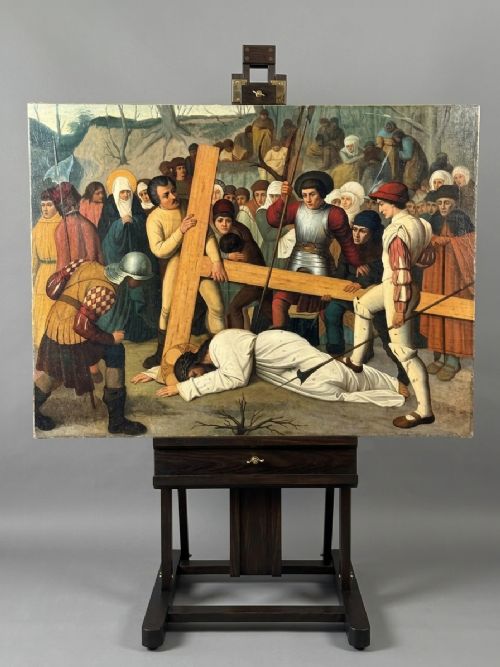
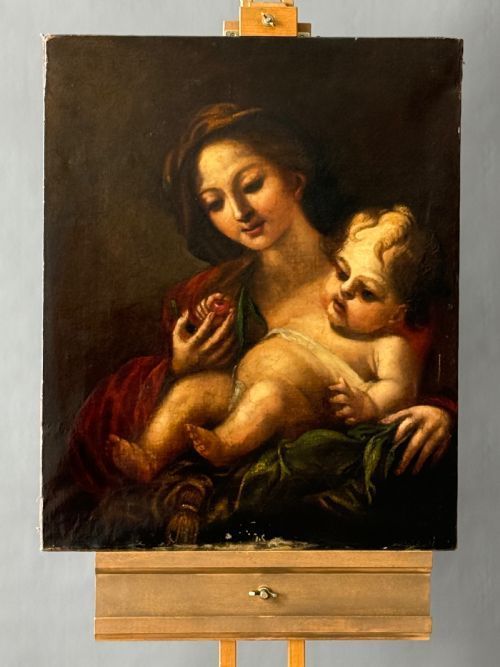
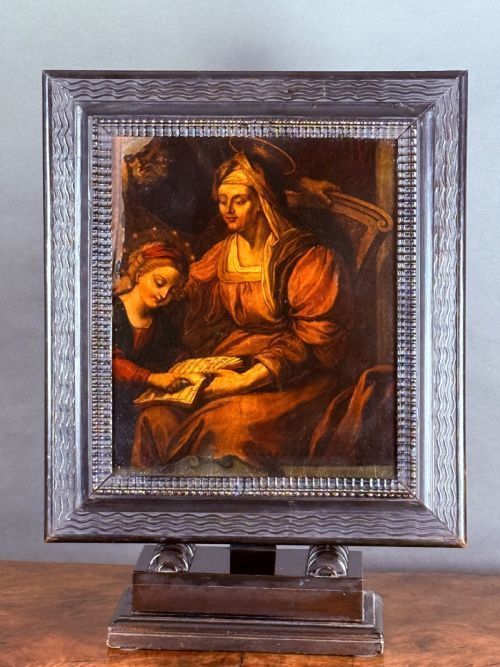
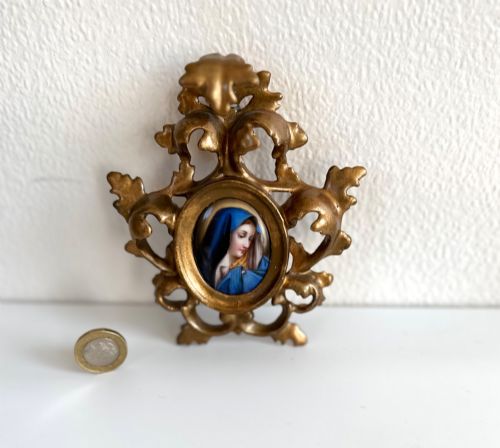


Antique Devotional Painting
An antique devotional painting brings centuries of private faith and European workshop tradition into a modern interior.
Antique Devotional Painting
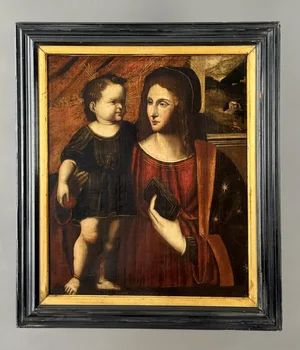
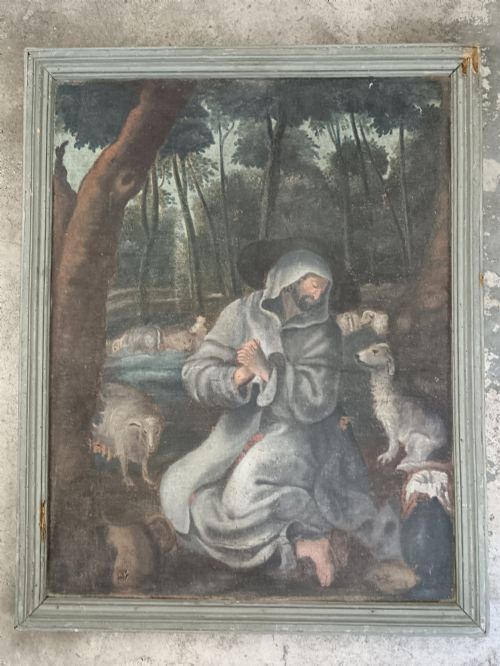
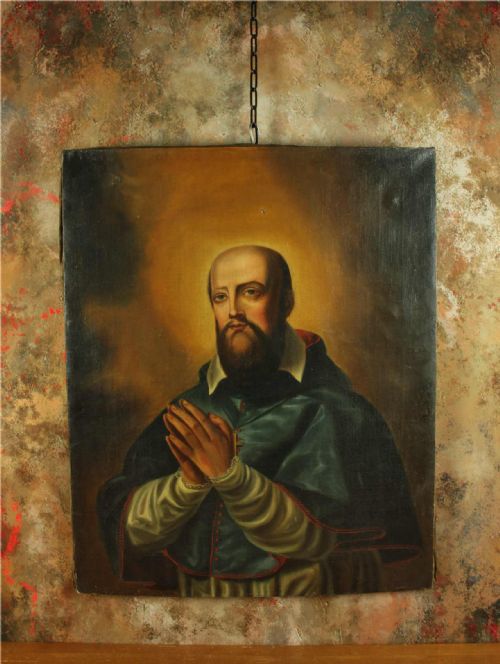
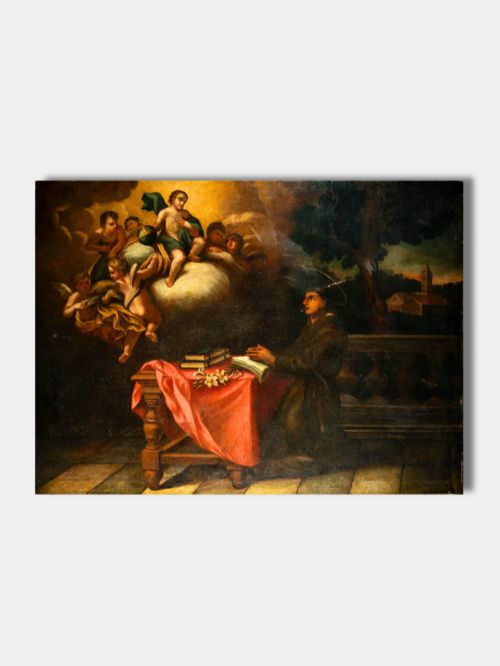
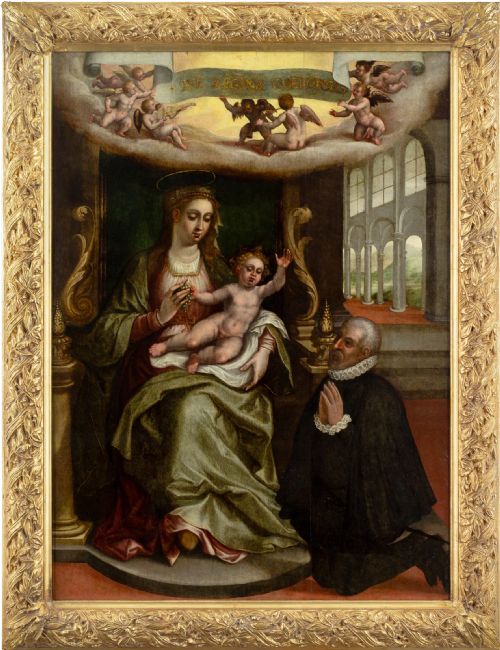
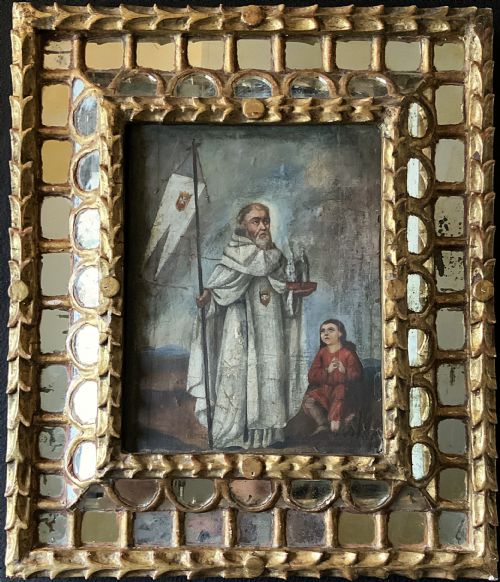
An antique devotional painting encompasses sacred oil canvases, wooden panels, and reverse glass works made for personal prayer rather than church altars. These pieces range from small domestic panels depicting the Madonna and Child to monumental Spanish and Italian canvases of saints.
Buyers will encounter seventeenth and eighteenth-century European school portraits alongside nineteenth-century academic and folk art interpretations. Subjects frequently feature biblical figures, holy families, and specific patron saints rendered in regional Baroque or Renaissance revival styles.
How they were made
Makers applied oil paint to stretched canvas or solid wood panels, often preparing the surface with gesso layers to hold rich pigments. Many works incorporated gold leaf backgrounds and highlights to catch candlelight in domestic shrines.
Framing and secondary supports utilised carved wood, frequently finished with giltwood or polychrome paint to suit household altars and private chapels.
Antique Devotional Painting Retail Price Guide 2026
Typical asking prices for devotional painting among the pieces listed under this phrase on Sellingantiques today, from the lower quarter to the upper quarter. They describe what is for sale here now, not the wider market.
Listings feature works executed on canvas, wood panels, and glass, utilising traditional oil paints and gold leaf.
What varies in quality
Quality rests upon the handling of anatomy, expression, and drapery by the painter or workshop follower. Masterful brushwork and delicate facial modeling distinguish finer old master interpretations from simpler regional folk art pieces.
The preservation of the original paint layer and the integrity of the wooden panel or canvas support dictate the overall calibre of the surviving artwork.
Jozef Jansessens·Bernardino Luini·Miguel Barroso·Benvenuto Tisi·Costantino Frixione·Juan Ruiz Soriano·Gaspar de Figueroa·Girolamo Dai Libri·Guido Reni
The Antique Devotional Painting Glossary
- Pentimento
- A visible trace of an earlier painting beneath the layers of paint, showing where the artist changed their composition. These alterations offer genuine proof of the artist's working process.
- Ex-Voto
- A votive offering presented to a saint or a divinity in fulfilment of a vow. These paintings typically record a miraculous intervention or recovery.
- Reverse Glass Painting
- An artwork created by applying pigment directly to the back of a glass pane and viewing the finished image from the front. This technique produces a distinct glossy surface finish.
- Polychrome
- Decorated in a variety of colours. This term is frequently used to describe painted wooden statues and home altars.
- Gesso
- A plaster mix used as a base coat for paint on wood panels or canvases. It provides a smooth surface for detailed brushwork.
Antique Devotional Painting: Frequently Asked Questions
What is an antique devotional painting?
These works are sacred artworks created for private prayer, contemplation, and domestic shrines rather than large ecclesiastical spaces. They typically portray biblical narratives, holy figures, and patron saints.
Surviving examples span from small domestic panels to substantial canvases produced by European schools across the seventeenth, eighteenth, and nineteenth centuries.
How were devotional paintings used in homes?
Households placed these paintings in private chambers, domestic oratories, and home altars to guide daily prayers and personal meditation. They served as focal points for spiritual devotion within the family.
Some smaller pieces, such as reverse glass works and miniatures, were designed for portable use or intimate bedside placement.
How do I live with an antique painting?
Display these artworks away from direct sunlight and fluctuating humidity to protect old canvas, wood panels, and delicate oil layers. Stable indoor environments preserve both the paint surface and the original frame.
Pairing a devotional painting with traditional or neutral interior walls allows the rich pigments and gilt details to stand out naturally.
How can I tell the period of a religious painting?
Dating relies on stylistic clues, including the handling of drapery, facial expressions, and composition associated with Baroque or Renaissance traditions. Canvas types, panel preparation, and stretcher construction also offer chronological indicators.
Signatures, inscriptions, and recorded workshop attributions further help place the piece within a specific century or regional school.