
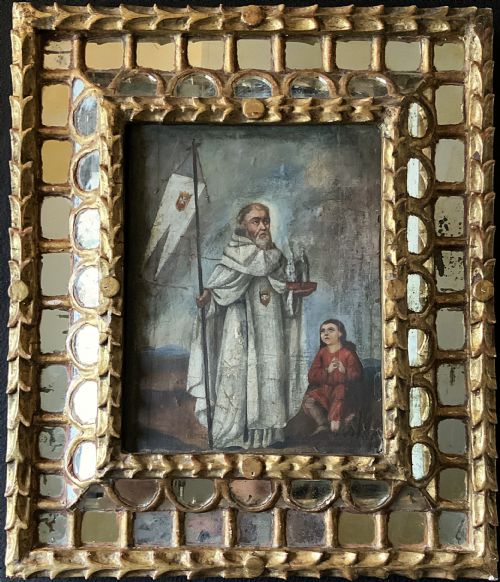


Gilt Framed Religious Art
Gilt framed religious art brings centuries of devotion, grand European traditions and sacred iconography straight into domestic spaces through gleaming metallic surrounds.
Gilt Framed Religious Art
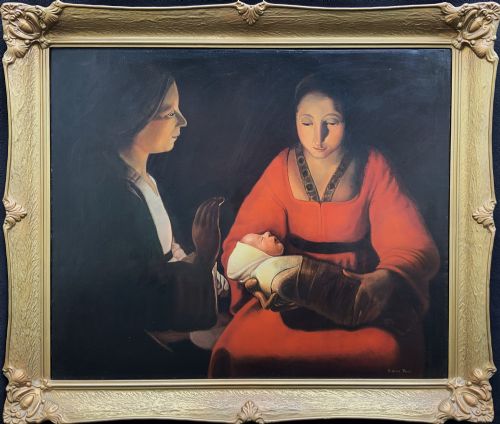
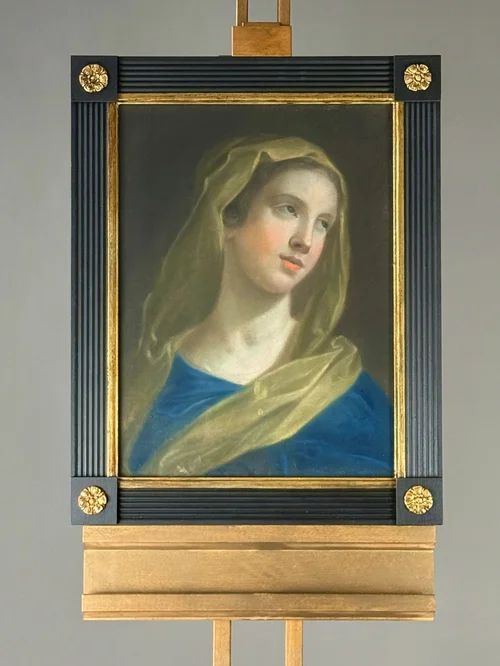
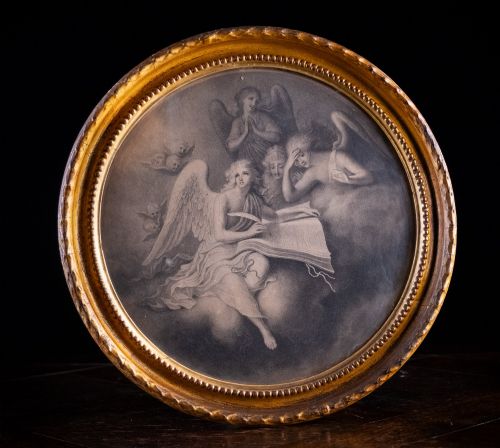
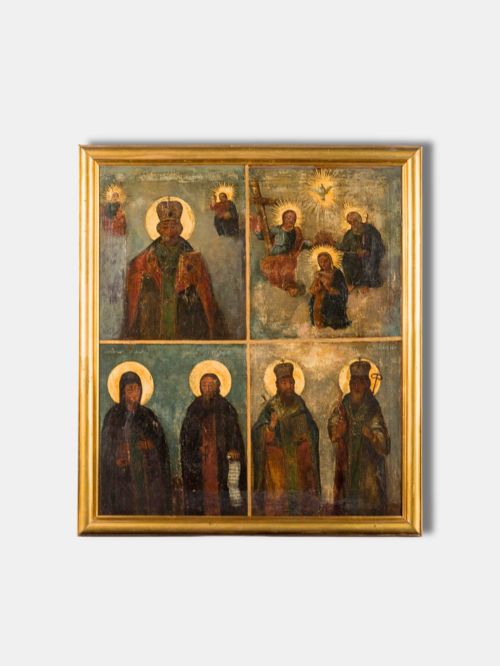
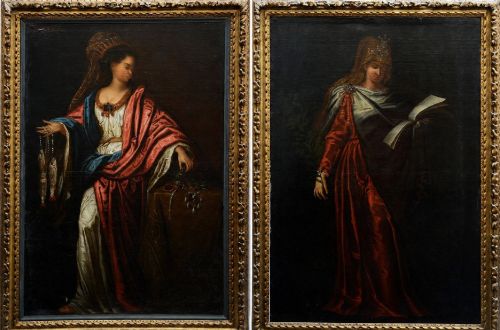
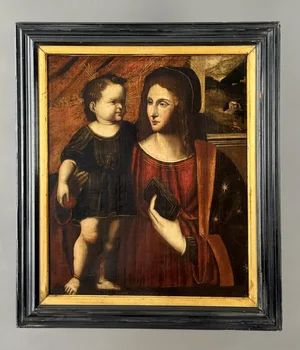
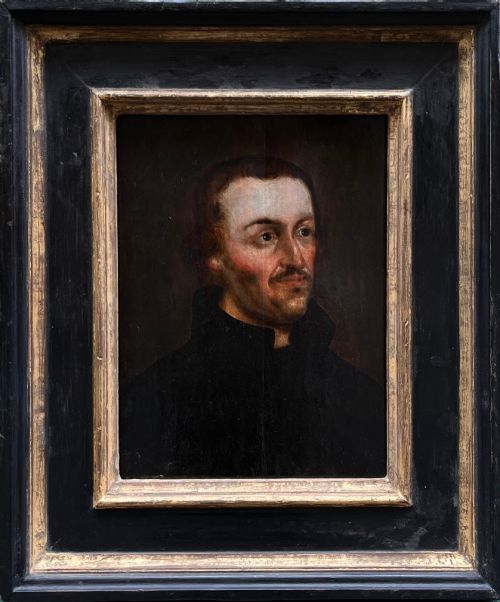
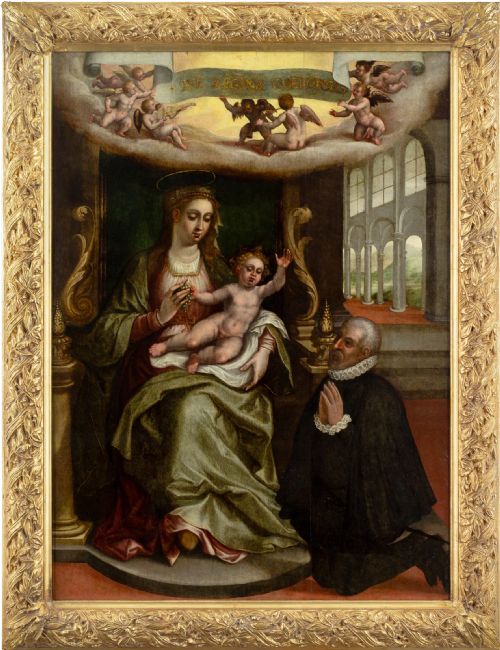
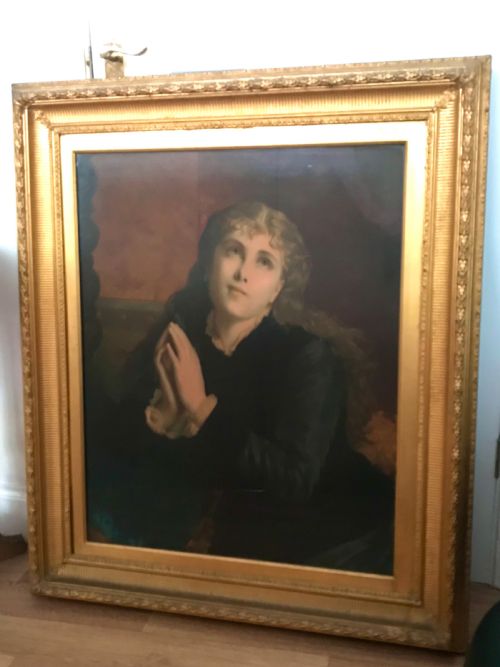
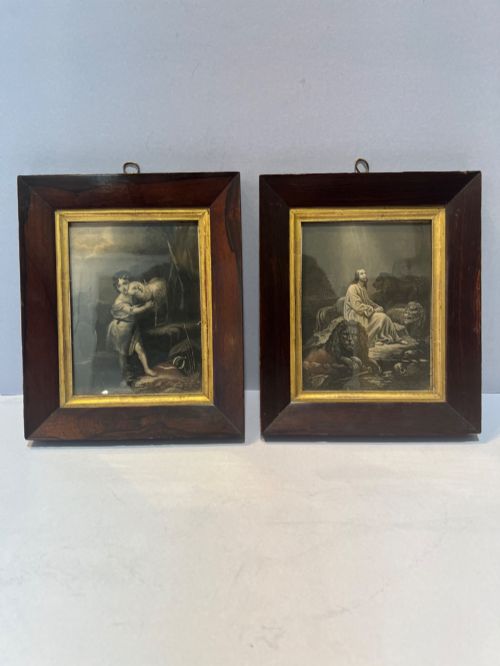
When searching for gilt framed religious art, buyers encounter devotional paintings, devotional prints and shadow boxes that preserve centuries of sacred imagery. These works capture canonical subjects such as the Madonna and Child, biblical narratives and portraits of saints rendered in oil, tempera, pastel and engraving.
The pieces on this page span from the sixteenth century through the Victorian era and into the mid-twentieth century, drawing heavily on Italian, Spanish and French schools. Collectors find both original old master paintings and careful nineteenth-century reinterpretations after Renaissance masters housed within their period surrounds.
Gilt framed religious art serves as both a historical record of European workshop traditions and a striking focal point for interior display. The combination of devotional subject matter and luminous metallic moulding creates an immediate sense of gravity and architectural depth on a wall.
Materials and historic techniques
The physical foundation of these works relies upon traditional artist materials including oil on canvas, wood panels, paper and prepared canvas boards coated in tempera or gold leaf. Artisans of past centuries built up rich colour palettes using ground pigments suspended in oil or egg tempera to achieve the deep luminosity seen in these devotional scenes.
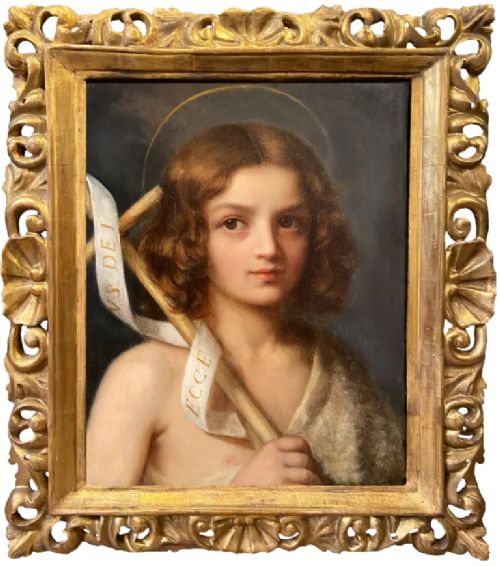
The accompanying frames utilise carved wood, gesso and gold leaf to create ornate borders that protect and elevate the artwork within. Gilding techniques applied genuine metallic leaf over bole onto carved wooden mouldings, ensuring the frames caught candlelight and daylight in domestic or ecclesiastical settings.
Gilt Framed Religious Art Retail Price Guide 2026
Typical asking prices for gilt framed religious art among the pieces listed under this phrase on Sellingantiques today, from the lower quarter to the upper quarter. They describe what is for sale here now, not the wider market.
Listings feature oil paintings, tempera icons, engravings and porcelain plaques spanning from the sixteenth century to the mid-twentieth century.
Distinctions in execution and framing
Quality in these devotional works rests upon the fidelity of the draughtsmanship, the depth of pigment layering and the preservation of the original surface. Hand-painted oil canvases and early tempera icons demonstrate a subtlety of expression and anatomical handling that mechanical prints or later student copies simply do not reach.
The integrity of the frame matters equally, with period giltwood mouldings retaining their original gesso details and gold leaf patination standing far above later replacements. Pieces that retain their genuine period frames offer a cohesive historical unity prized by experienced collectors.
Benedetto Luti·Francesco Solimena·Pompeo Batoni·Miguel Barroso
The Gilt Framed Religious Art Glossary
- Giltwood
- Wood carved and coated with gold leaf or metallic powder. This finish provides the bright metallic border characteristic of traditional framing.
- Tempera
- A permanent fast-drying painting medium consisting of coloured pigment mixed with a water-binder agent. It often appears on early religious icons alongside gold leaf.
- Oleograph
- A type of chromolithographic print textured to imitate an oil painting. These appeared widely in the nineteenth century as affordable devotional art.
- Ex Voto
- A votive offering presented to a saint or divinity in fulfilment of a vow. These devotional objects often mark miraculous survivals or healing.
- Shadow Box
- A deep, glass-fronted framed box designed to display three-dimensional objects. In religious contexts, these house delicate figures and devotional assemblages.
Gilt Framed Religious Art: Frequently Asked Questions
What periods do these pieces come from?
The selection includes works originating from the sixteenth, seventeenth, eighteenth and nineteenth centuries, alongside a few early twentieth-century examples.
Buyers will find Renaissance and Baroque influences represented heavily alongside Victorian interpretations of earlier masterworks.
Are these original paintings or prints?
The listings encompass a mixture of original oil paintings, tempera icons, pastels, needlework pictures and period engravings.
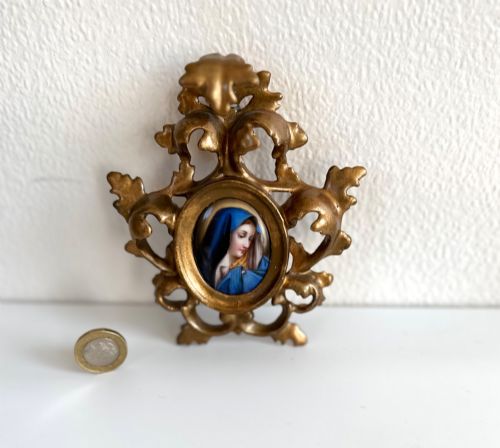
Some nineteenth-century items also include oleographs and porcelain plaques reproducing famous Renaissance compositions.
How should I hang a heavy gilt frame?
Historic frames made from solid wood and heavy gesso require secure wall fixings anchored directly into structural studs or masonry.
Using professional picture wire and rated wall hooks ensures the weight of the timber and glass is supported safely.
How do I care for antique giltwood?
Giltwood frames require gentle dusting with a soft, dry brush to prevent the accumulation of dirt within the carved crevices.
Avoid using liquid cleaners, polishes or modern solvents, as these can strip the fragile gold leaf and underlying gesso.