




Baroque Style Oil Painting
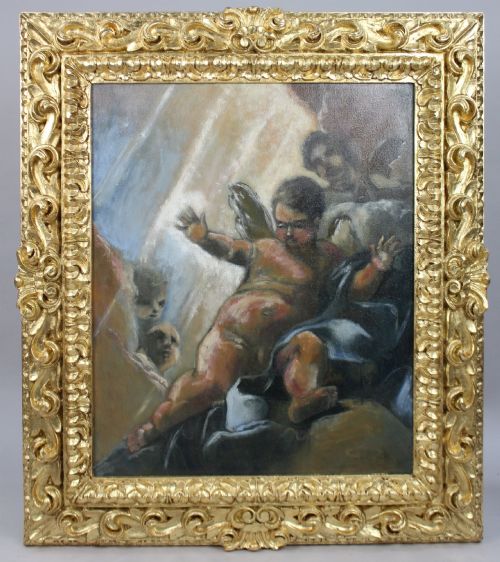
Looking for a baroque style oil painting means hunting for dramatic canvas work spanning the seventeenth to nineteenth centuries.
What baroque style oil painting pieces are
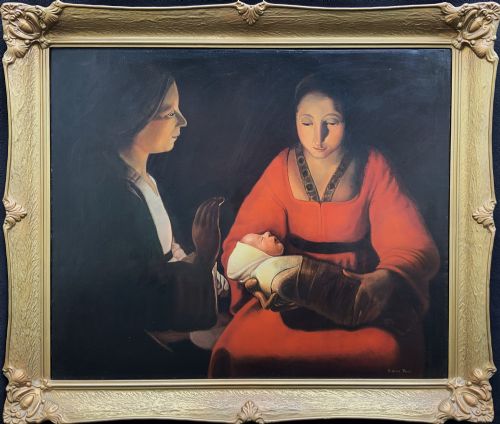
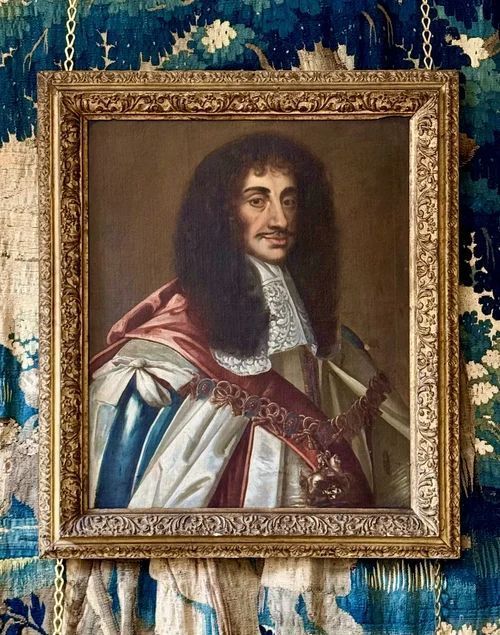
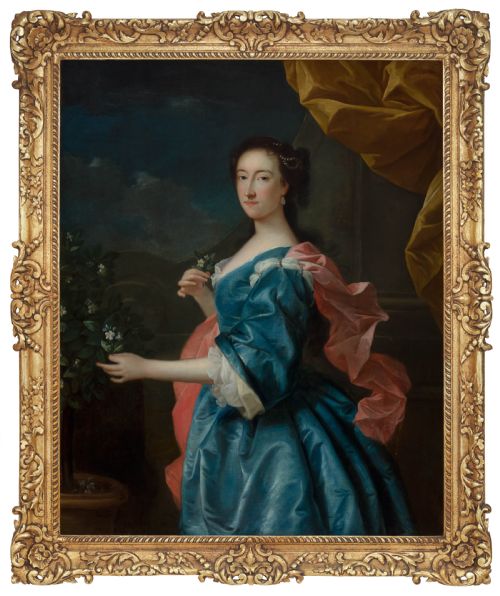
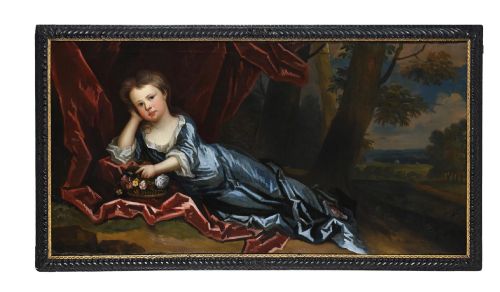
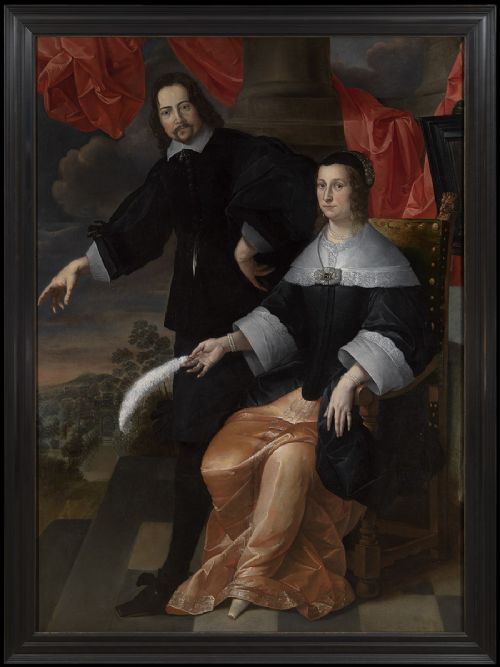
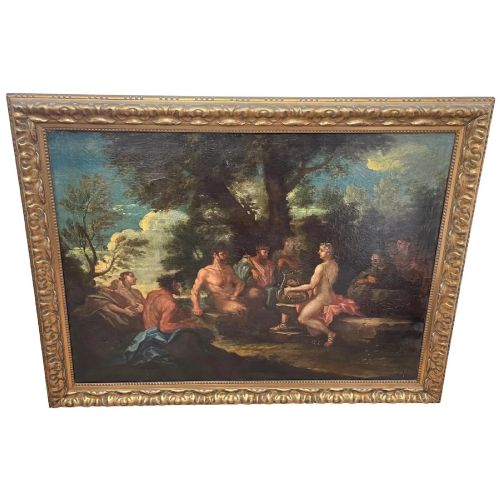
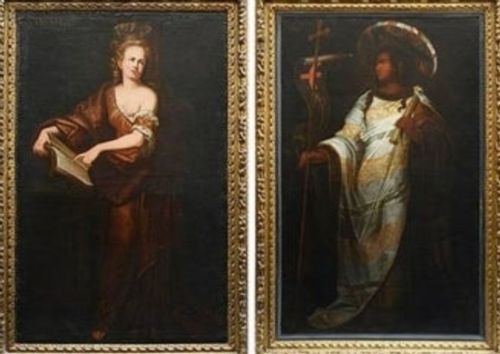
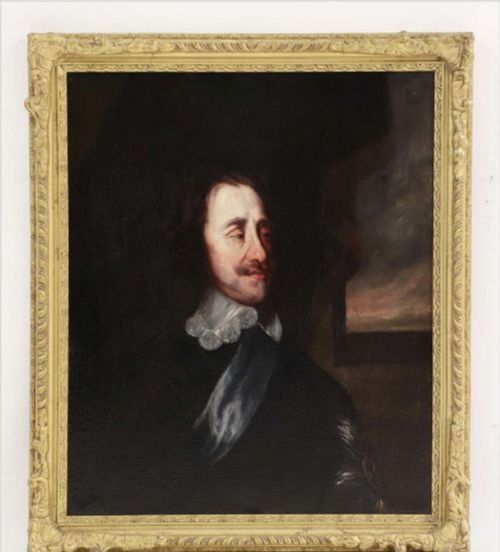
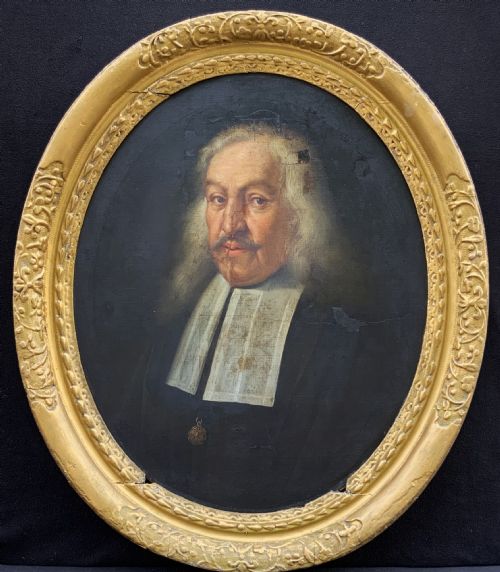
When you search for baroque style oil painting, you encounter canvas works originating from seventeenth century Dutch, Italian, and Spanish schools alongside later nineteenth century interpretations and Victorian pieces. These artworks encompass fine art paintings including royal portraits, mythological scenes, cavalry skirmishes, and detailed still life subjects.
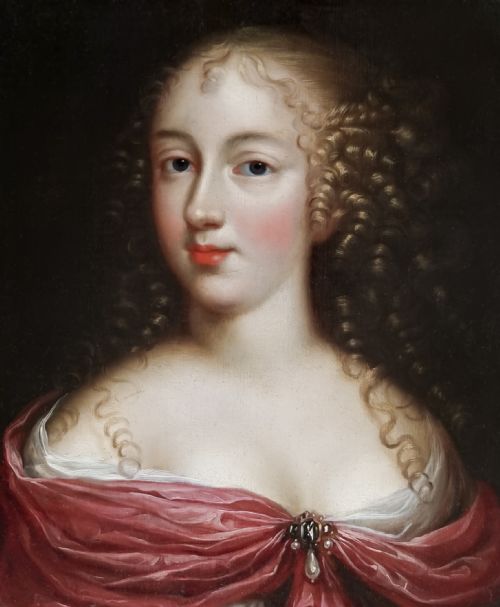
The pieces appearing on this page most commonly take the form of oil on canvas portraits and battle scenes framed in giltwood or gilded wood. Examples range from seventeenth century noblewoman portraits and King Charles II depictions to eighteenth century classical and mythological compositions.
How they were made
These works utilise oil paint applied directly onto canvas substrates using traditional techniques associated with European schools and master circles. Painters built up layers of pigment to capture dramatic light and shadow contrasts typical of the period.
Surviving canvases find presentation within ornamental frames constructed from giltwood, gilt wood, or gilded wood, which complement the rich tones of the oil paintings.
Retail Price Guide 2026
Typical UK retail prices for baroque style oil painting, calculated from the Sellingantiques database of over a million retail prices indexed since 2003. This retail price guide relies exclusively on Sellingantiques data; no external sources or auction records are used, so the figures do not describe the wider market.
A seventeenth century larder still life squeezes eggs, walnuts, bread, and playing cards onto a single canvas.
What varies in quality
Quality diverges between works executed by named circle masters or identifiable schools and those produced by anonymous European school artists. The sophistication of brushwork in complex subjects like cavalry skirmishes or mythological figures separates superior examples from simpler compositions.
The preservation of the original oil on canvas surface and the craftsmanship of the accompanying giltwood frame heavily influence the overall standard of each painting.
John Hayls·Sir Peter Lely·Philips Wouwerman·Reinier de la Haye
The Baroque Style Oil Painting Glossary
- Oil on canvas
- A traditional painting medium where pigments bound in drying oil are applied to stretched fabric. This combination allows for rich colour depth and subtle blending.
- Giltwood
- Wood carved and surface-gilded with gold leaf or metal powder. It provides ornate, reflective framing for significant paintings.
- Dutch Golden Age
- A period in Dutch history spanning the seventeenth century noted for exceptional artistic output in portraiture and genre scenes. Works from this tradition emphasise realistic detail and dramatic lighting.
- Old Master
- A term for a European artist of high skill working before the nineteenth century. These painters established foundational techniques in composition and subject matter.
Frequently Asked Questions
What periods do these paintings cover?
The listings encompass works originating from the seventeenth, eighteenth, and nineteenth centuries, including Victorian pieces.
Specific examples range from mid seventeenth century portraits to eighteenth century mythological and military scenes.
What subjects appear in these works?
Common subjects include noble portraits, mythological narratives like Apollo and Marsyas, and dynamic cavalry skirmishes.
Still life compositions featuring larder items, playing cards, and everyday objects also feature among the Spanish and European school pieces.
What materials make up the frames?
Frames are predominantly constructed from giltwood, gilt wood, or gilded wood.
These materials provide decorative, reflective borders that enhance the visual impact of the oil paintings.
How do I identify different regional schools?
Regional styles appear through distinct thematic and technical choices, such as the dramatic action in Dutch cavalry scenes or the rich detail in Spanish still life works.
Attributions to Italian, Spanish, or Dutch golden age traditions guide identification of origin.