





Gold Framed Portrait Artwork
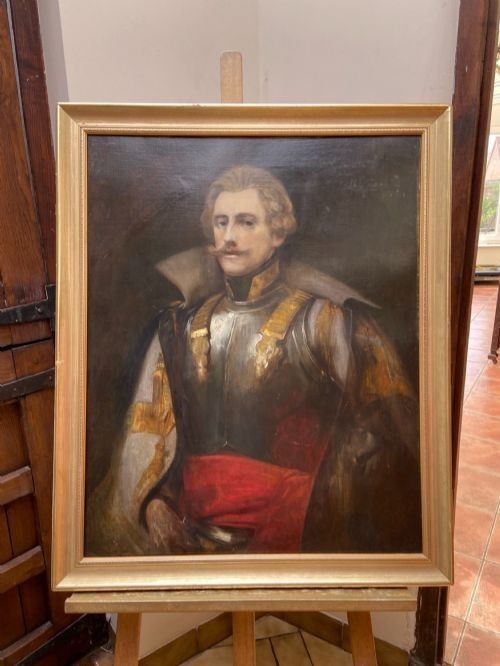
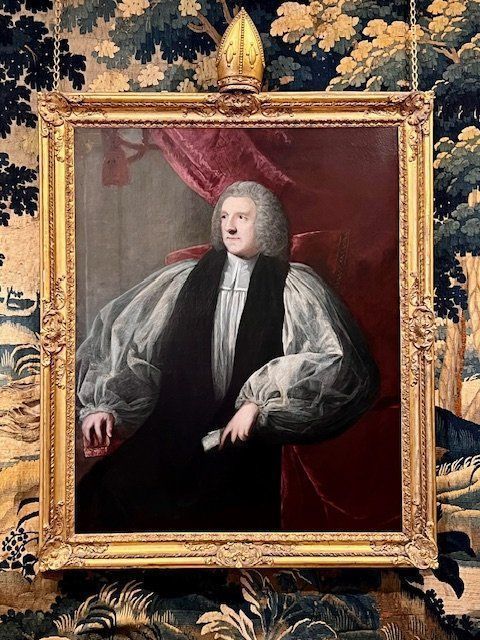
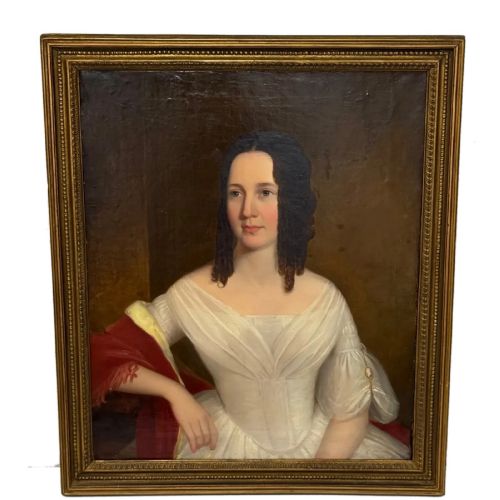
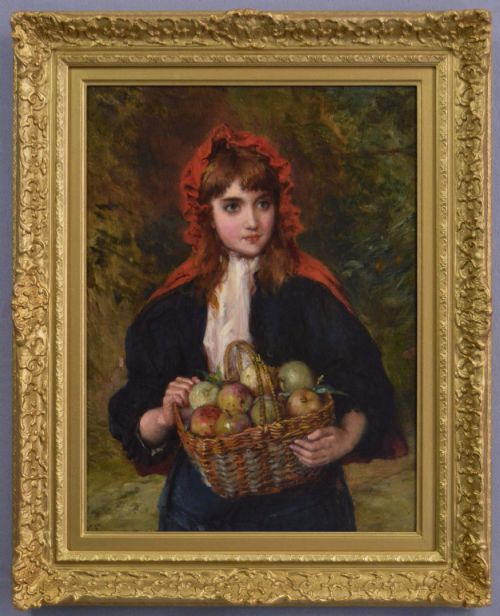
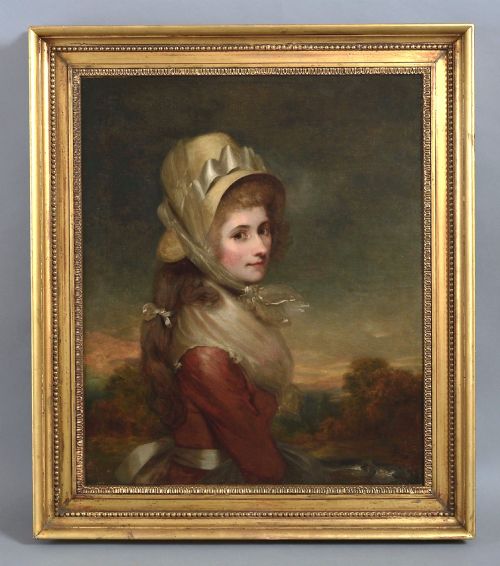
Gold framed portrait artwork captures likenesses across centuries, combining historic subjects with ornate surrounds to anchor any room.
Gold Framed Portrait Artwork
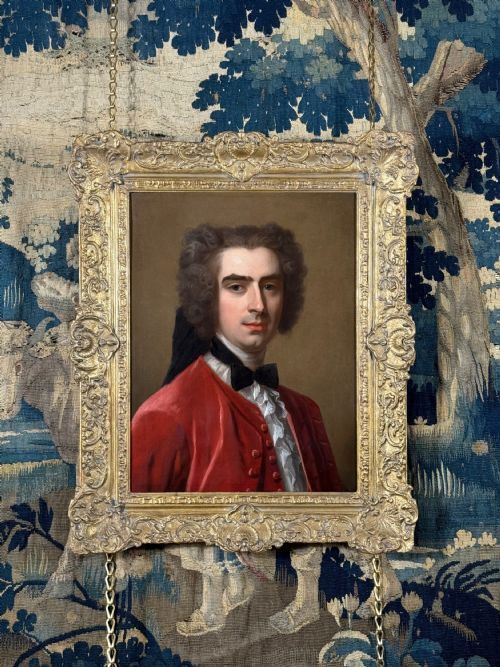
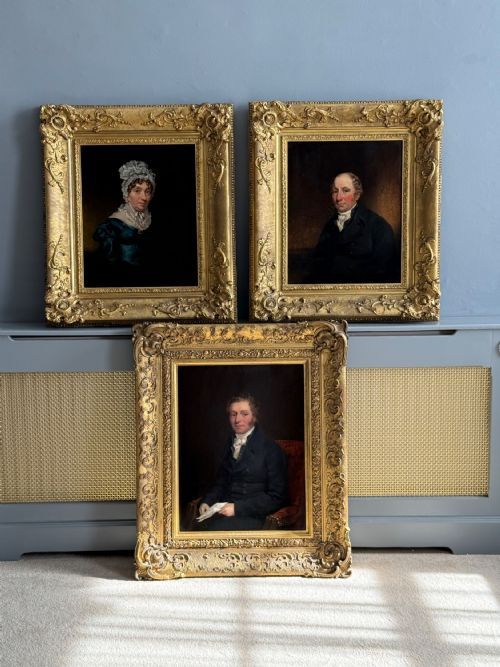
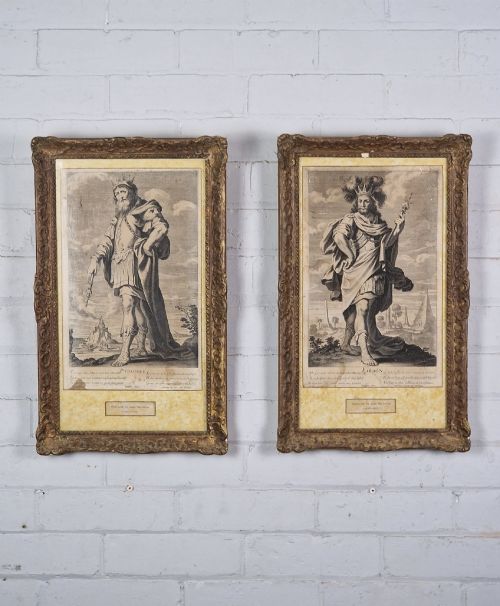
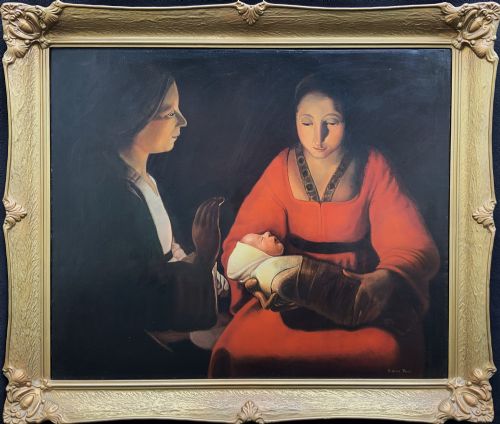
Gold framed portrait artwork spans several centuries of European painting and printmaking, capturing sitters from nobility to country girls in oil, pastel, and watercolor. Buyers seeking gold framed portrait artwork will encounter works ranging from formal seventeenth-century depictions of gentlemen to romantic nineteenth-century studies and twentieth-century interpretations.
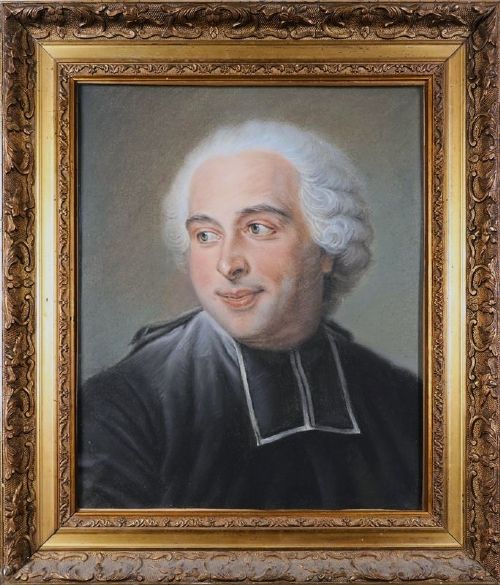
The objects take the form of oil paintings on canvas or panel, alongside framed prints and pastels protected by glass. Most examples originate from British, French, and Italian hands, reflecting the periods of Georgian, Victorian, Regency, and Edwardian taste.
The dominant presentation pairs historic canvases with heavy gilded wood frames, often matching the period of the painting or selected later to enhance the subject. These pieces function as historical records and decorative centerpieces, bringing individual character and rich metallic warmth to an interior.
Materials and construction
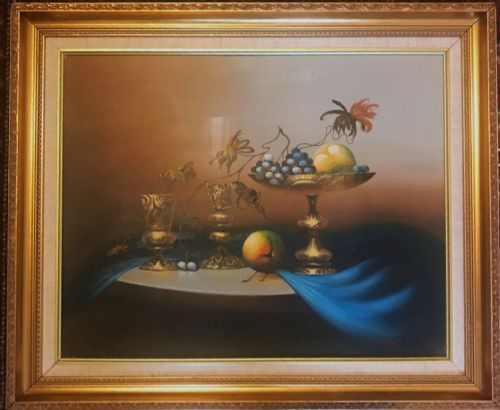
Painters applied oil pigments to stretched canvas or wooden panels, building depth through layered glazes and detailed brushwork. Pastels and watercolors utilised specialised paper surfaces, requiring glass enclosures to prevent surface damage from dust and moisture.
Frames relied on carved timber substrates, typically wood or composition ornament applied over a wooden base. Artisans then coated these structures in gold leaf or giltwood finishes, applying size and bole beneath the metal to achieve a bright or burnished metallic sheen.
Gold Framed Portrait Artwork Retail Price Guide 2026
Typical asking prices for gold framed portrait artwork among the pieces listed under this phrase on Sellingantiques today, from the lower quarter to the upper quarter. They describe what is for sale here now, not the wider market.
Judging quality
Quality rests primarily on the anatomical accuracy of the subject, the fluidity of the brushwork, and the psychological depth captured in the sitter's expression. Master works display subtle handling of light on skin and fabric, whereas lesser pieces rely on stiff outlines and flat application of pigment.
The relationship between the artwork and its surround dictates aesthetic success. Original or period-appropriate giltwood frames with hand-carved detail elevate the piece significantly compared to later, mass-produced replacements.
Sir Joshua Reynolds·Jean-Baptiste Van Loo·Joseph Clover·Sir Peter Lely·Sir Godfrey Kneller
The Gold Framed Portrait Artwork Glossary
- Giltwood
- Wood that has been coated with gold leaf or gold paint. This finish provides a reflective, durable border that complements the tones of an oil painting.
- Oil on Canvas
- Pigment mixed with drying oil applied to a woven fabric support. This technique allows for rich blending of colour and long-term durability.
- Pastel
- A dry drawing medium composed of powdered pigment and a binder. Works executed in this medium possess a velvety texture and require protective glass.
- Panel
- A flat wooden board used as a rigid support for painting. Artists favored this foundation before canvas became the dominant medium.
Gold Framed Portrait Artwork: Frequently Asked Questions
How do I date an oil portrait?
Dating relies heavily on the sitter's costume, hairstyle, and the preparation of the canvas or panel. Examining the stretcher bars and framing techniques also offers clues to the decade of creation.
Secondary indicators include the signature, inscriptions on the reverse, and stylistic markers associated with specific centuries of portraiture.
Where should I hang these portraits?
These works suit reception rooms, libraries, or hallways where traditional lighting can catch the metallic highlights of the frame. Avoid placing them in direct sunlight or damp environments to protect the canvas and gilt finish.
Pairing historic portraits with neutral wall colours allows the richness of the oil paint and gold leaf to stand out effectively.
What is the difference between an oil and a print?
Oil paintings feature textured, applied brushstrokes and pigment layers unique to the artist's hand. Prints present flat ink surfaces or engraved lines, usually reproduced in multiples behind glass.
Inspecting the surface under a magnifying glass easily reveals the raised pigment of an original painting compared to the dot pattern or flat ink of a reproduction.