

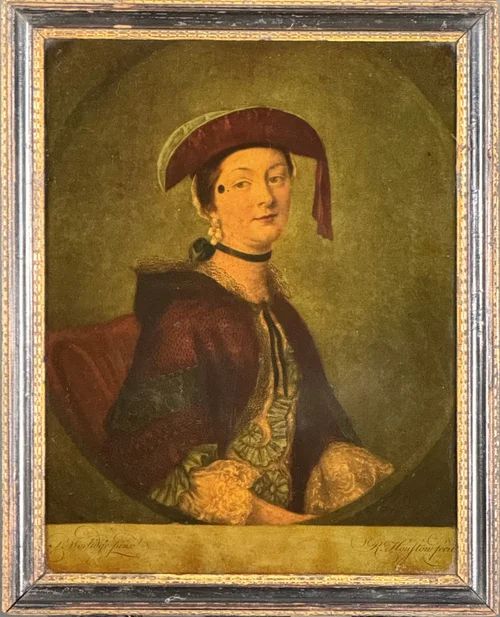
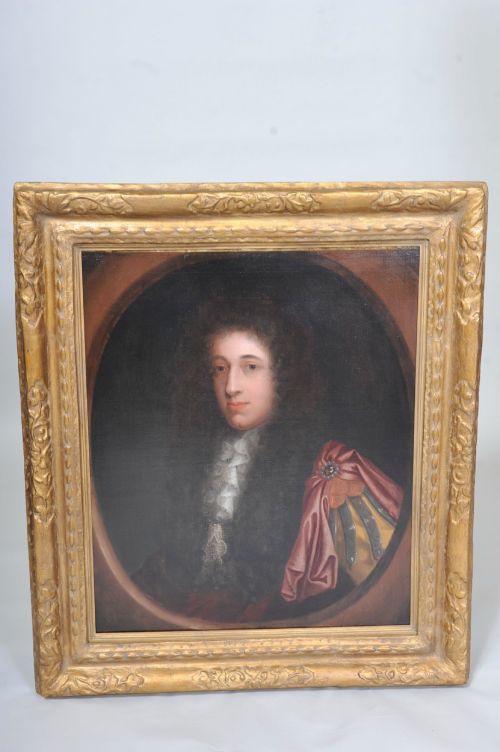
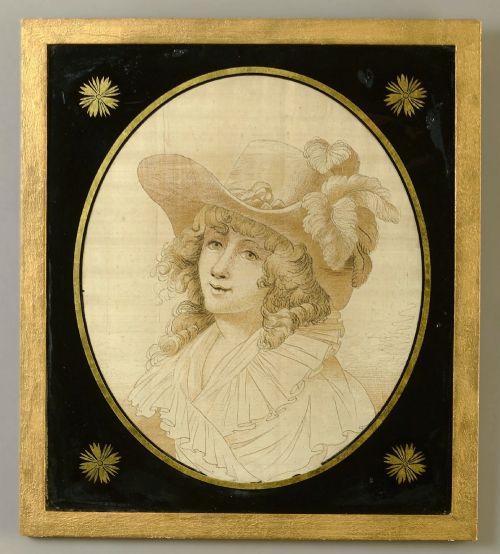
Antique Framed Portrait Picture
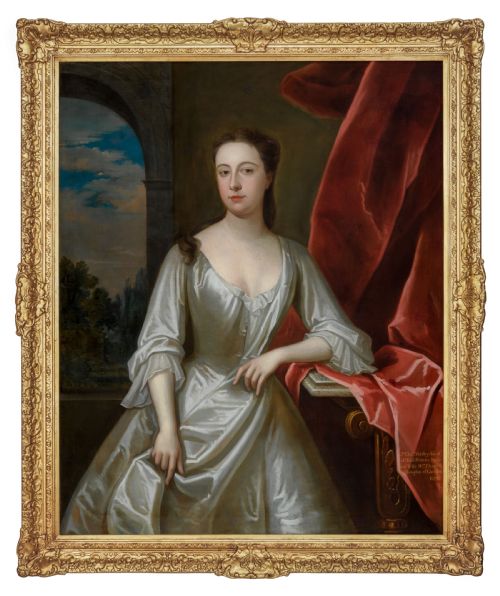
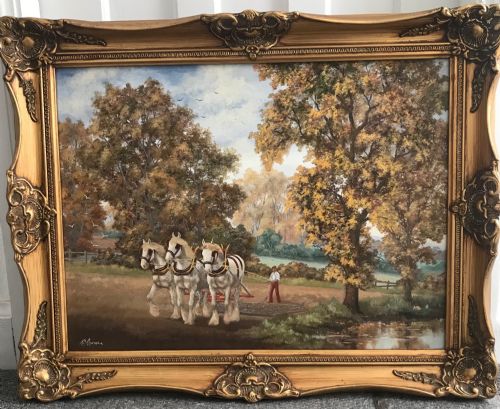
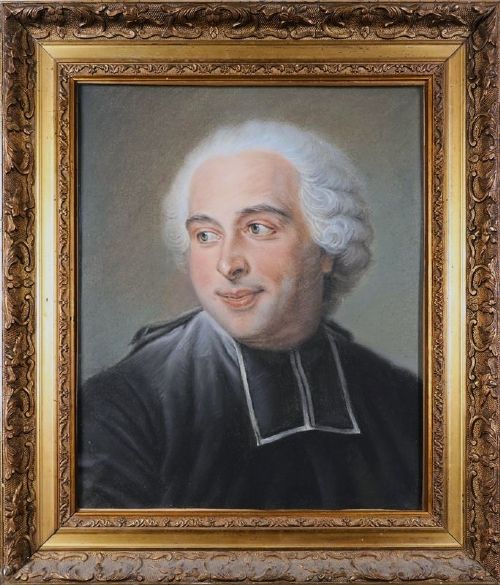
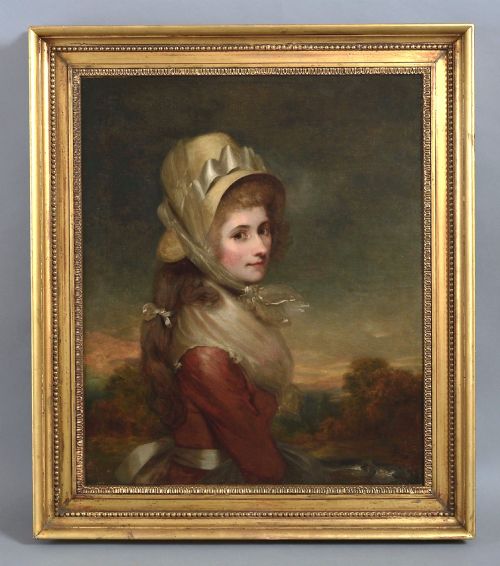
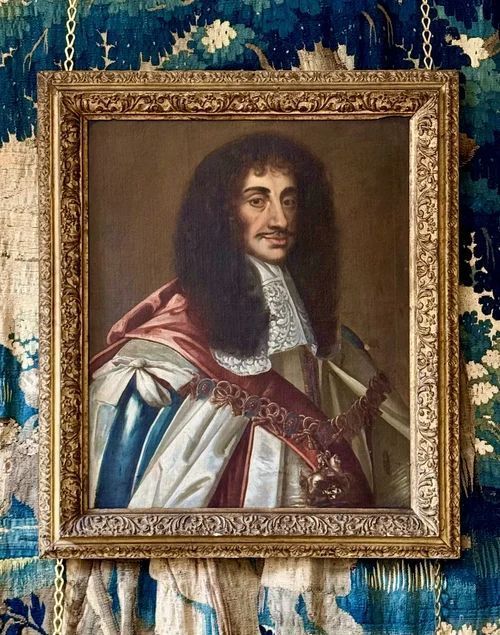
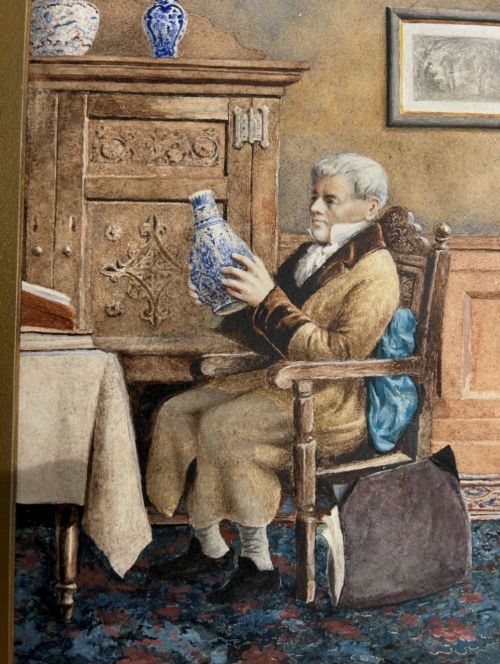
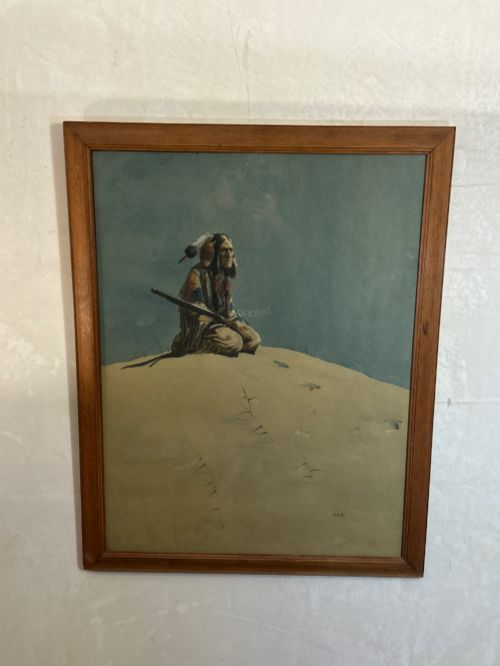
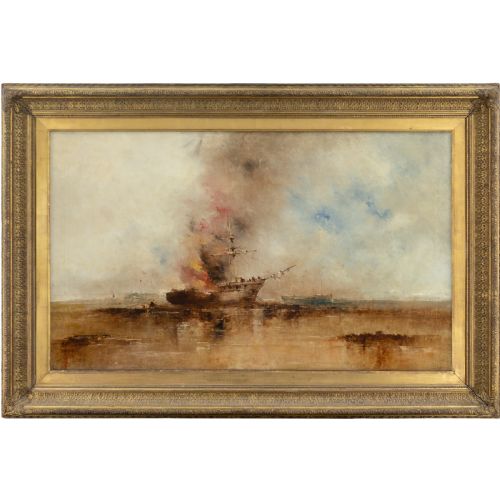
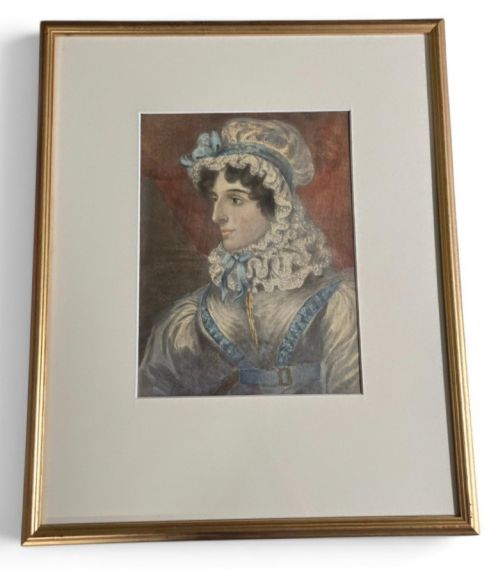
An antique framed portrait picture captures a likeness in oil, pastel, silhouette or needlework, bringing centuries of character directly to a wall.
Antique Framed Portrait Picture
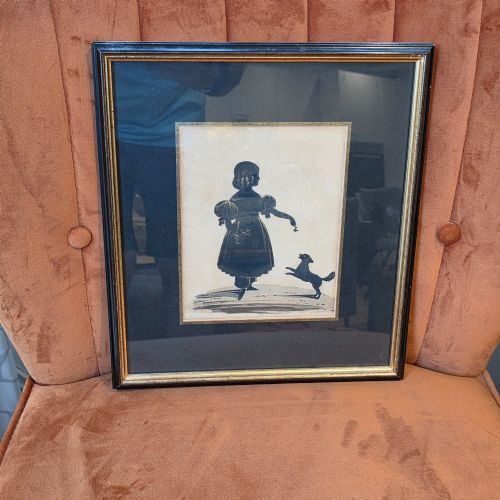
An antique framed portrait picture spans works rendered in oil on canvas, delicate pastel on paper, silhouette, and woven silk, capturing subjects from nobility to family pets across the seventeenth to twentieth centuries.
The assortment relies heavily on nineteenth-century expressions alongside eighteenth-century canvases, frequently paired with period surrounds such as burr maple, carved giltwood or sterling silver.
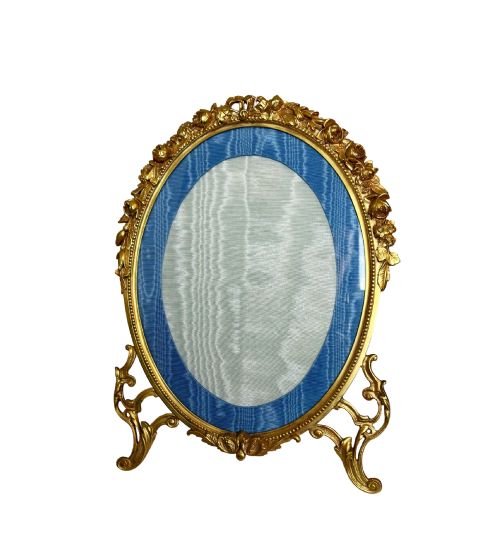
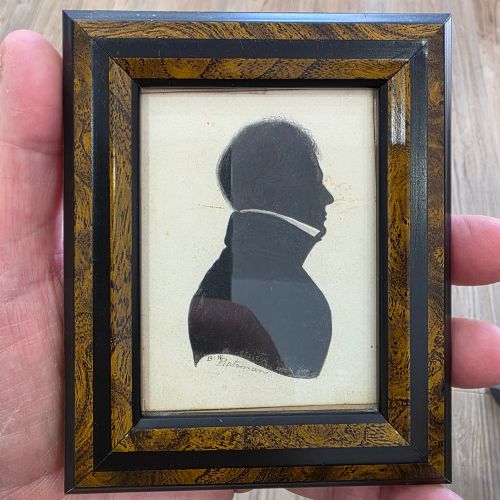
Buyers encounter everything from grand aristocratic oils in the manner of established British schools to intimate mid-nineteenth-century silhouettes and early twentieth-century silver photograph frames.
How they were made
Pigments were laid in oil on canvas or drawn in pastel on paper, supported by wooden stretchers and protected behind glass for works on paper or exposed canvas for oil paintings.
Frames utilise timber such as wood and burr maple, often embellished with gold leaf, giltwood, or cast in sterling silver and gilt bronze to house the artwork securely.
Canine subjects appear alongside human sitters, with needlework King Charles spaniels and pastel Pekingese dogs sharing wall space with nobility.
What varies in quality
Execution of the subject sets works apart, ranging from the confident brushwork of studio circles to standard decorative outputs.
The integrity and originality of the surrounding frame, whether carved giltwood or hallmarked sterling silver, heavily influence the overall distinction of the piece.
Sir Godfrey Kneller·William James Hubard·Maurice Quentin de la Tour·Sir Anthony van Dyck·Sir Peter Lely·Joshua Reynolds·Augustin Edouart
The Antique Framed Portrait Picture Glossary
- Silhouette
- A profile portrait cut from paper or painted in monochrome, popular for capturing precise likenesses before the widespread use of photography.
- Giltwood
- Timber carved and coated with gold leaf or a gold-coloured finish, frequently seen on elaborate eighteenth and nineteenth-century frames.
- Pastel on paper
- A dry medium of powdered pigment compressed into sticks and applied to paper surfaces, requiring glass protection.
- Mezzotint
- A printmaking process of the intaglio family where tones are worked from dark to light, allowing for subtle gradations in portraiture.
Antique Framed Portrait Picture: Frequently Asked Questions
How do I date an antique frame?
Dating relies on timber types, joining methods, and decorative styles like Regency or Rococo Revival. Secondary indicators include the composition of the gesso and backing boards.
Changes in hardware and corner construction also help distinguish a period frame from a later replacement.
Are silhouettes considered portraits?
Silhouettes are direct ancestors of photographic portraits, capturing profiles through cut paper or ink. They formed a major part of domestic portraiture in the eighteenth and nineteenth centuries.
Artists signed these works or worked from dedicated galleries like the Hubard Gallery in London.
What is the difference between oil and pastel?
Oil paintings utilise pigments bound in drying oils on canvas, offering durability and rich texture. Pastels use compressed pigment sticks on paper and require glazing to prevent dusting.
Oils are generally less fragile to atmospheric changes than works executed in pastel.
How should I hang portrait pictures?
Portrait pictures require stable wall fixings suited to the weight of wood and gilt frames. Avoid direct sunlight to protect pigments, particularly pastels and watercolours.
Maintain moderate room humidity to preserve both the canvas and the wooden frame joints.