




Decorative Oil Canvas Artwork
Decorative oil canvas artwork brings centuries of painted portraits, landscapes and still lifes into domestic interiors.
Decorative Oil Canvas Artwork
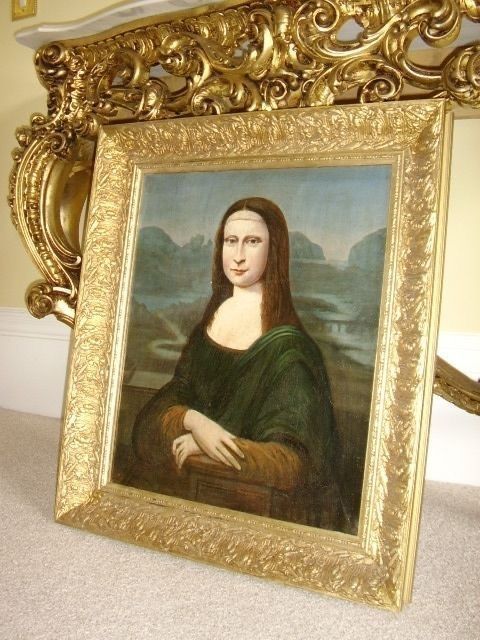
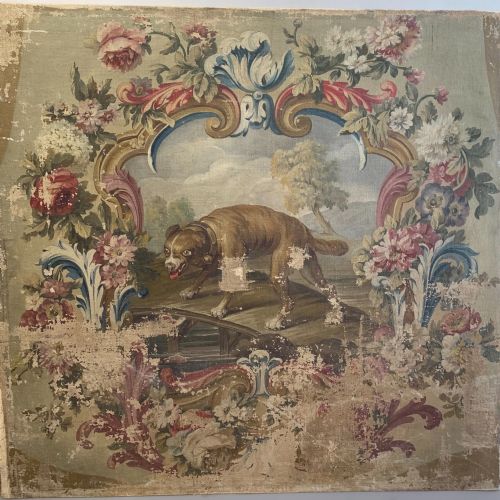
Decorative oil canvas artwork encompasses oil paintings, wall art and fine art paintings spanning from the seventeenth century through to the mid-twentieth century. Buyers search for these pieces to add historical depth and painted colour to interior spaces.
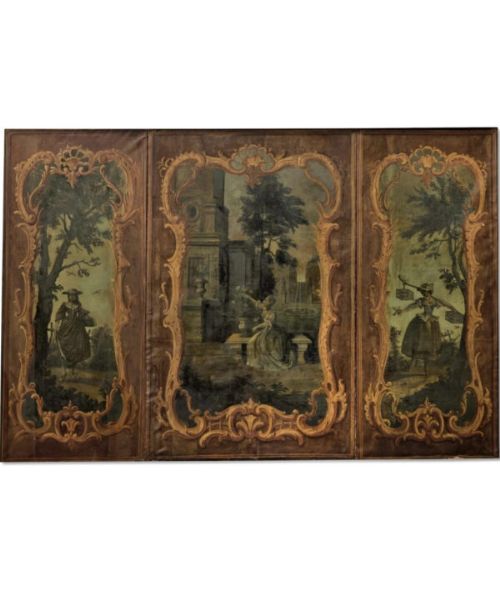
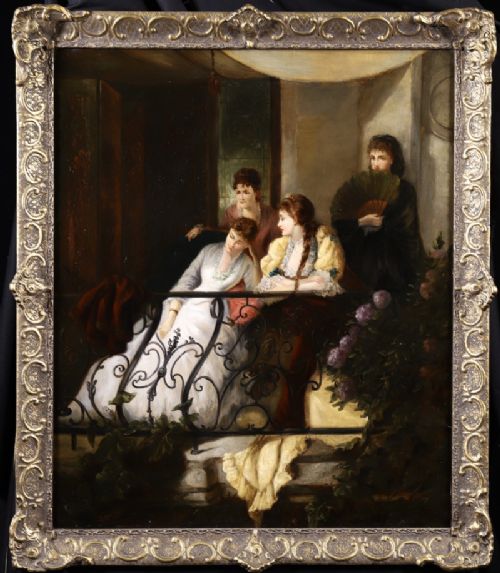
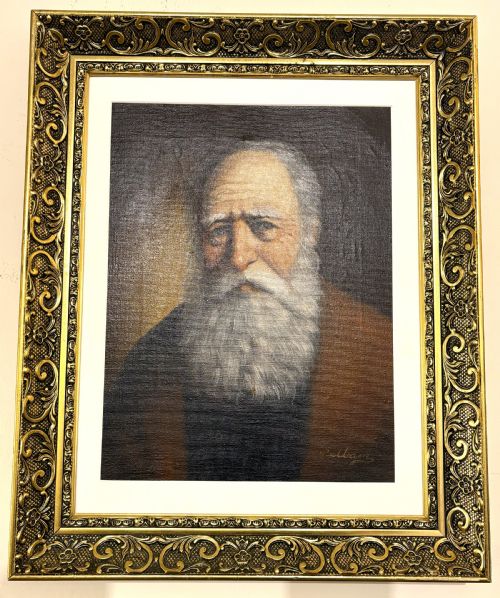
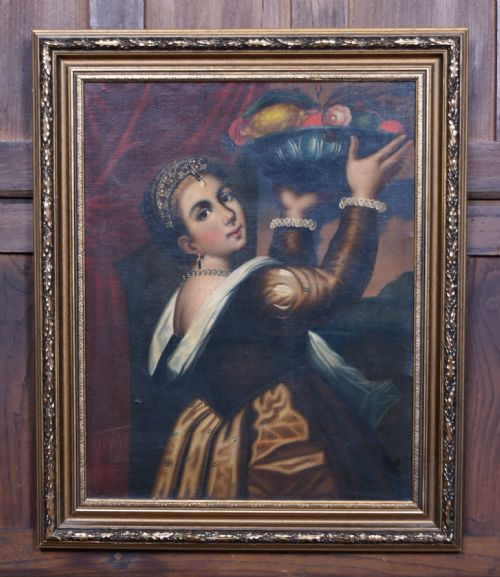
The selection ranges from early classical portraits and nineteenth-century French scenes to mid-century realism and Dutch school landscapes. Works appear in formats including framed canvases, panel paintings and triptych wall hangings.
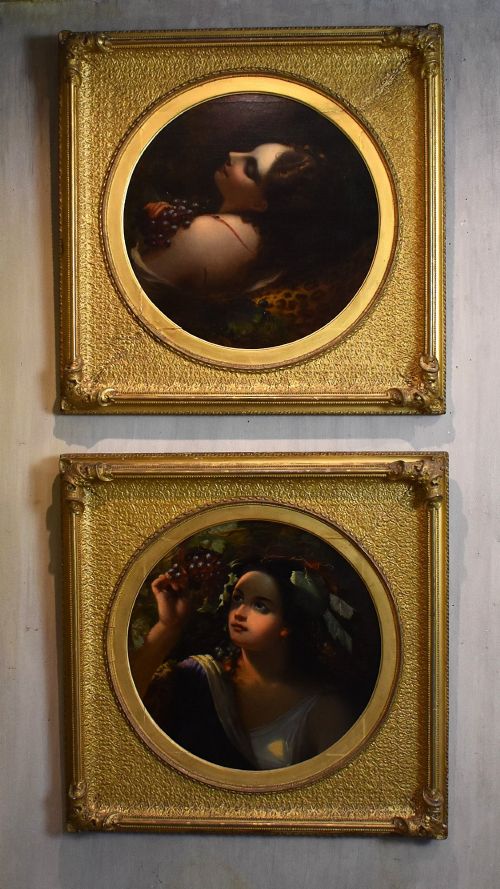
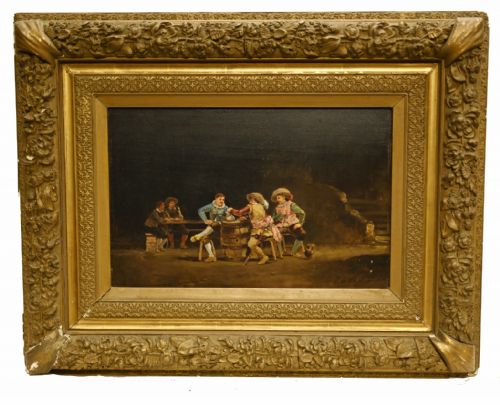
Framing often involves wood and gilt wood surrounds that complement the period of the painting. Subjects stretch from pastoral coastlines and tavern scenes to floral still lifes and botanical compositions.
Materials and construction methods
These works rely primarily on oil paint applied to woven canvas supports, sometimes laid onto wooden boards or panels. Artists utilised traditional pigments combined with oils to build layered compositions.
Frames are constructed from wood, frequently finished with gilding or painted decoration. The physical structure combines stretched canvas, wooden stretcher frames and protective exterior mouldings.
Several canvas works secretly feature domestic animals joining human scenes, including observant cats and ducks.
Judgement of quality in painted works
Quality rests upon the skill of the brushwork and the confidence of the composition, whether handling human figures, architecture or natural landscapes. Masterly handling of light, shadow and chiaroscuro distinguishes accomplished works from simpler school pieces.
The integration of the artwork with its original or period wood and gilt frame affects the overall integrity of the piece. Preservation of the canvas surface and pigment stability also define the upper tier of works.
Theodore Jensen·Constant Ludovic Artz·Frank Myers Boggs·Ralph Hedley·John Gilroy
The Decorative Oil Canvas Artwork Glossary
- Canvas
- A heavy woven fabric used as a surface for oil painting. It is typically stretched tightly across a wooden frame before painting begins.
- Chiaroscuro
- An artistic technique using strong contrasts between light and dark to give subjects volume and dramatic depth. This treatment often defines nineteenth-century tavern scenes and portraits.
- Gilt Wood
- Wood treated with a thin layer of gold leaf or gold paint. Frames created in this material frequently accompany classical and Victorian paintings.
- Triptych
- A picture or relief carving on three panels that are hinged together side by side. Grand examples combine grisaille and polychrome decoration.
- Trompe L'oeil
- An art technique that uses realistic imagery to create the optical illusion that the depicted objects exist in three dimensions. This style appears in decorative paintings of cherubs and architectural details.
Decorative Oil Canvas Artwork: Frequently Asked Questions
How do I date an oil painting?
Dating relies on stylistic evidence, clothing styles in portraits, and the construction methods of the canvas and wooden stretcher frames.
Maker signatures, exhibition labels and framer stamps on the reverse provide further chronological markers.
What is the difference between canvas and panel?
Canvas consists of woven fabric stretched over a wooden frame, offering a flexible and textured painting surface. Panels utilise solid wood or board as a rigid support for the oil pigments.
Both methods appear across different centuries depending on the artistic tradition of the school.
How should I hang oil paintings at home?
Oil paintings on canvas require stable indoor environments away from direct sunlight and extreme humidity fluctuations. Secure wall fixings matched to the weight of the wood and gilt frames ensure safe display.
Spacing works at eye level allows the detail of the brushwork and framing to be appreciated.
What does Dutch school mean?
The term denotes artists working within the traditions of Dutch painting, often focusing on landscapes, rivers and wooded scenery. These works reflect historical approaches to composition and naturalism.
Pieces originating from these schools carry centuries of artistic heritage into modern interiors.