


European School Oil Painting
When you examine a european school oil painting, you encounter centuries of continental artistry, from formal portraits to pastoral landscapes.
European School Oil Painting
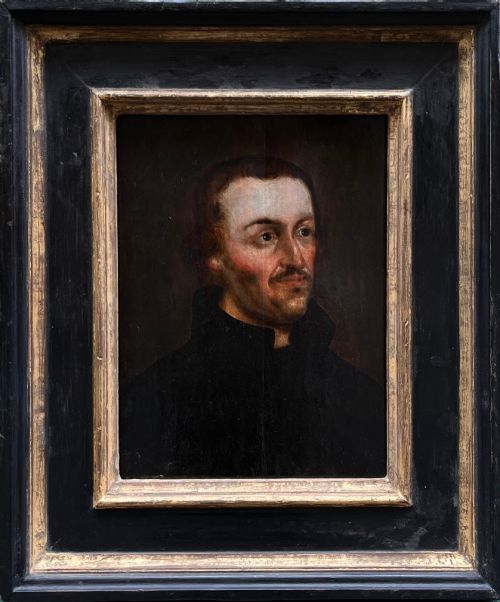
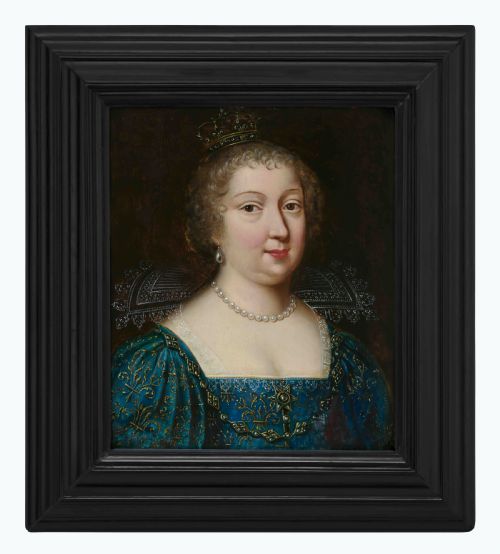
A european school oil painting encompasses works originating from various continental workshops and regional movements rather than a single specific master. When you search for this phrase, you meet portraits, landscapes and still life compositions spanning multiple centuries.
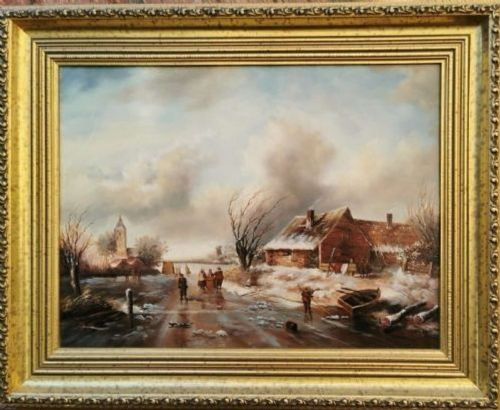
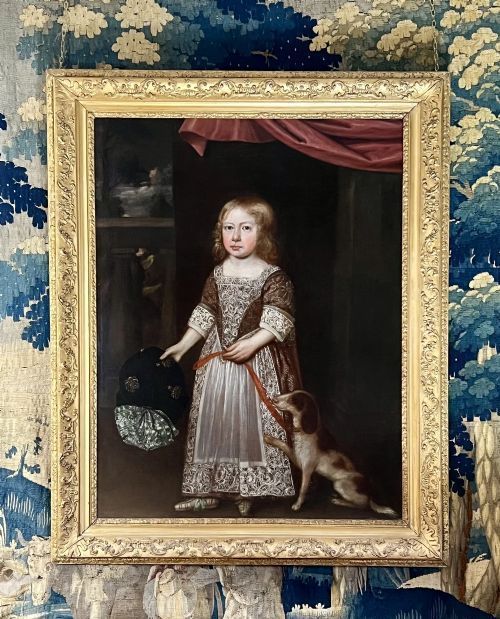
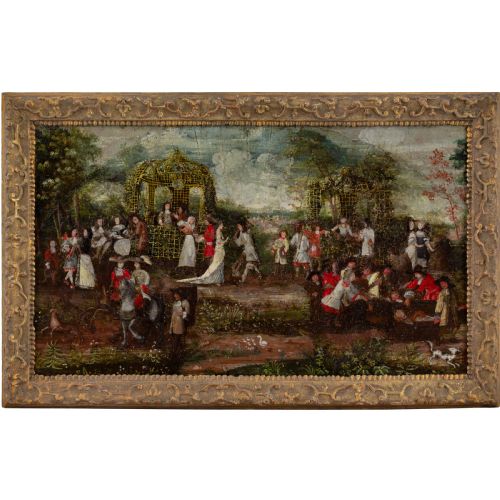
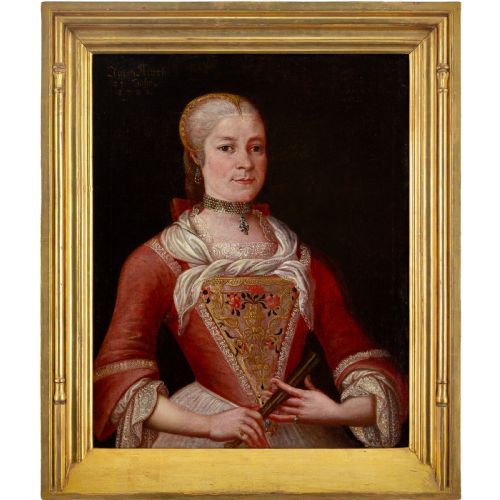
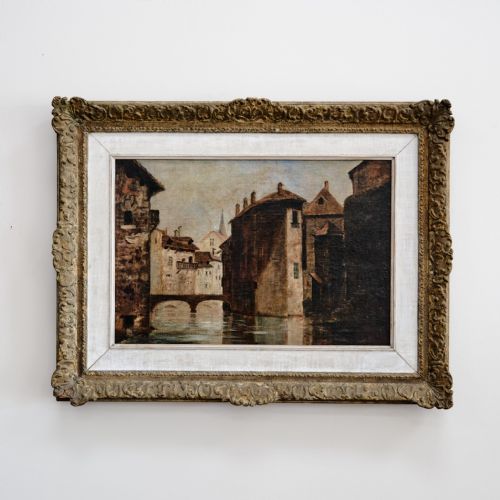
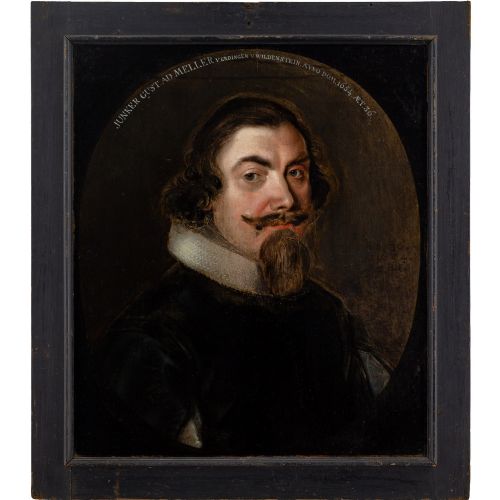
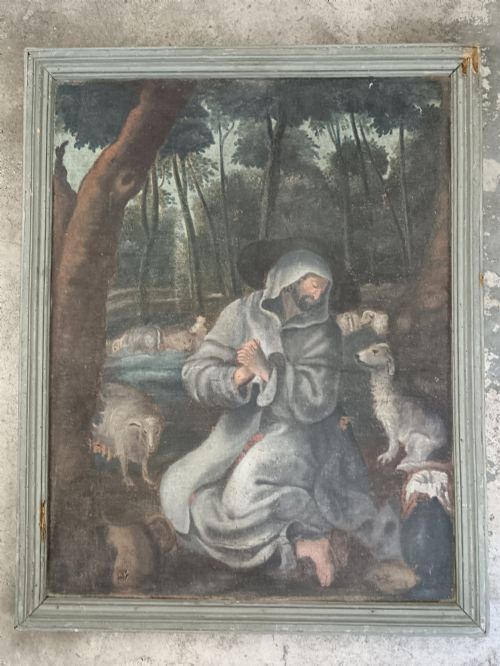
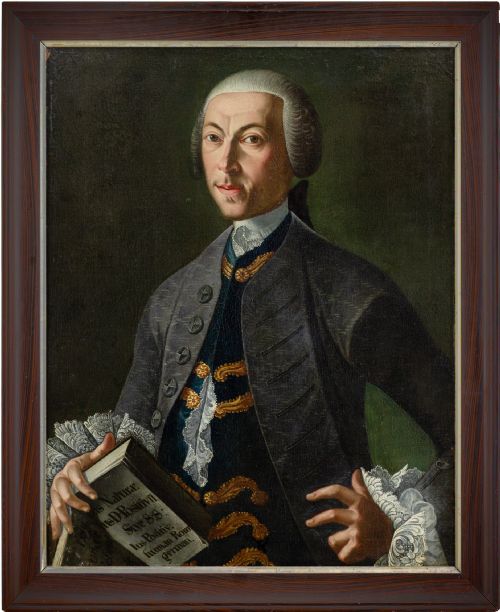
The pieces on this page lean heavily toward historical portraiture and landscapes produced across Flemish, German, Dutch and Italian traditions. These artworks capture the distinct aesthetic values of periods ranging from the seventeenth century through to the mid-twentieth century.
Materials and construction
The works rely upon oil paint applied to supports such as woven canvas, wooden panels or oak boards. Painters built depth through layered pigments, occasionally utilising gold leaf or mounting canvas onto wood panels for added stability.
Framing forms an integral part of the physical object, with many examples housed in period giltwood or gesso frames. These surrounds utilise carved wood, sometimes incorporating ornate ornamentation that complements the era of the canvas within.
A seventeenth-century canvas depicts a garden of love through an extended fan leaf.
Assessing quality
Execution and brushwork differentiate works within this category. Superior examples demonstrate confident handling of light, shadow and anatomical proportion, whereas lesser pieces show stiffer rendering or heavier restoration.
The integrity of the original surface and the framing play a role in overall distinction. Works retaining their initial canvas support and period-appropriate frames hold greater documentary value for collectors.
Henri and Charles Beaubrun·Johan Horner·Laurens Plas·Louis Smets·Joseph Emmanuel Weiser
The European School Oil Painting Glossary
- Pentimento
- A visible trace of an earlier painting, brushstroke, or correction that the artist painted over. This occurrence reveals the creative process as the composition evolved on the canvas.
- Giltwood
- Wood carved and covered with a thin layer of gold leaf or gold paint. This finish frequently appears on antique picture frames.
- Tondo
- A Renaissance term for a circular work of art, whether a painting or a sculpture. In this context, it describes circular framed portraits or religious scenes.
- Ruff
- A projected stiffened pleated collar worn during the sixteenth and seventeenth centuries. This garment feature helps date early portrait subjects.
European School Oil Painting: Frequently Asked Questions
What does European school mean?
The designation refers to paintings created in continental Europe where the specific individual artist remains unknown or unrecorded. These works are instead categorised by their regional tradition or stylistic period.
Such attribution groups together pieces sharing common technical methods and artistic influences from specific countries or historical art movements.
How do I care for an oil painting?
Protect the canvas from direct sunlight and maintain stable indoor humidity to prevent the paint layer from cracking or warping. Dust the surface gently with a soft, dry brush without applying liquid cleaners.
Ensure the artwork hangs away from direct heat sources and damp walls to preserve the integrity of both the support and the frame.
How can I tell the age of a painting?
Dating relies on examining the stretcher frames, the weave of the canvas, and the types of pigments used across the composition. Costume details, hairstyles and sitter accessories also provide reliable clues for historical context.
Stylistic markers associated with specific regional schools help narrow down the decade or century of creation.