


Classical Portraiture Canvas Art
Classical portraiture canvas art brings historic faces into modern rooms through traditional oil paint and textile supports.
Classical Portraiture Canvas Art
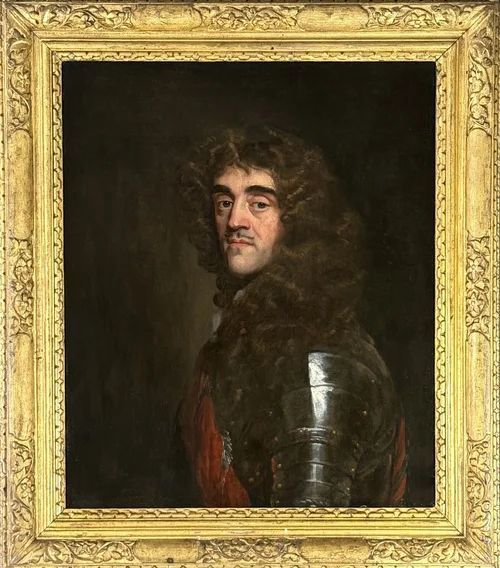
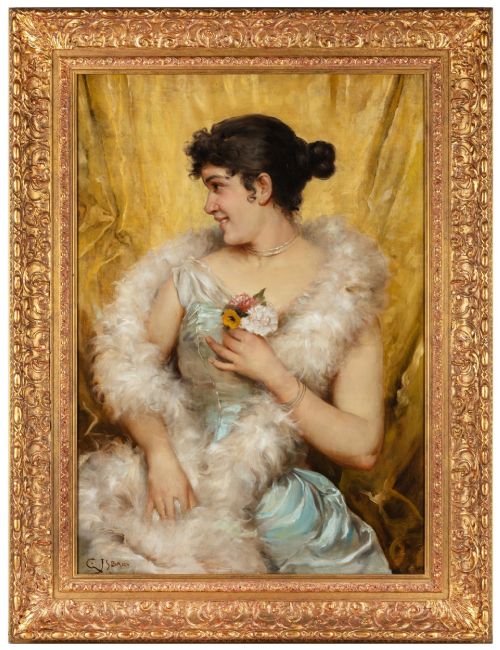
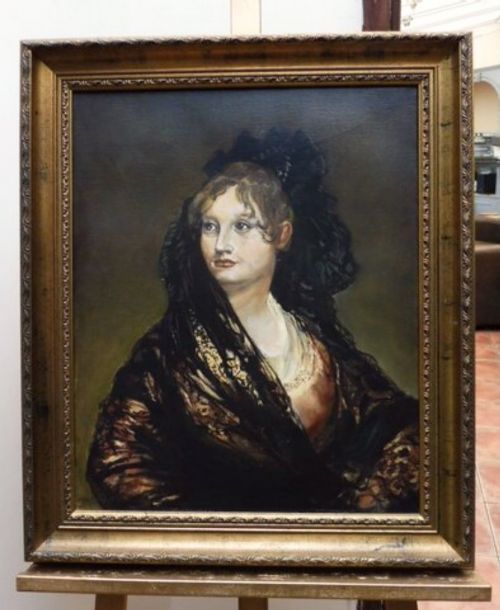
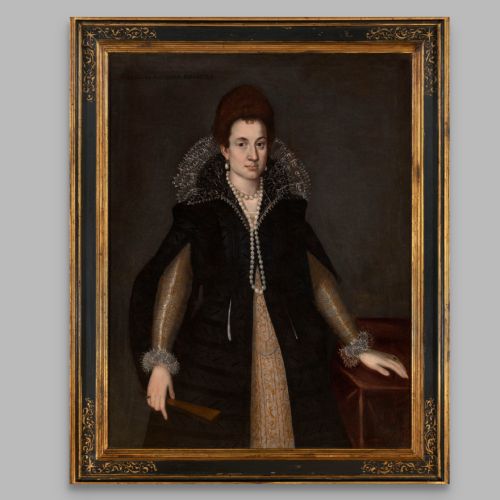
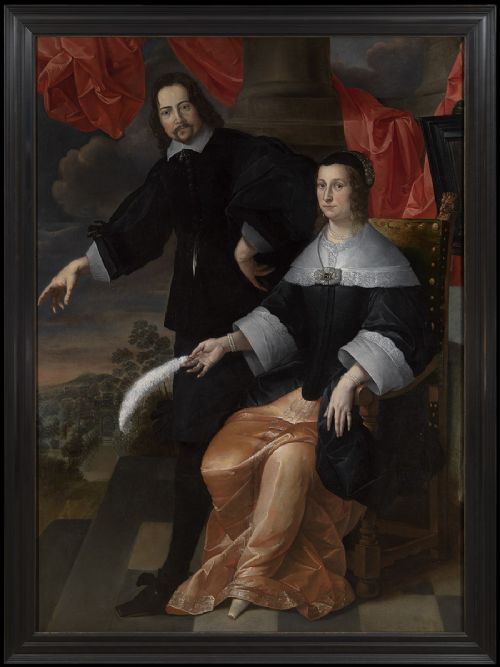
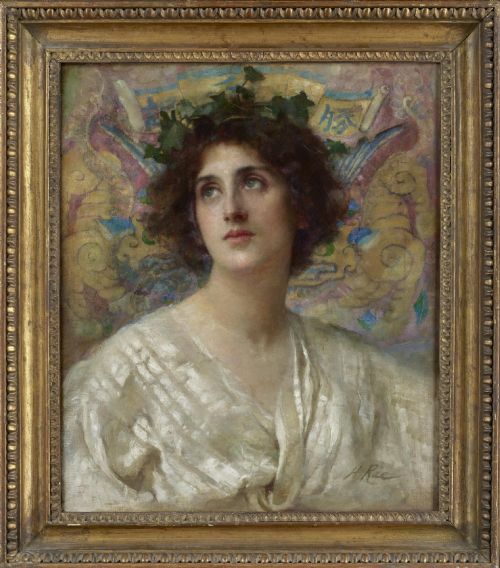
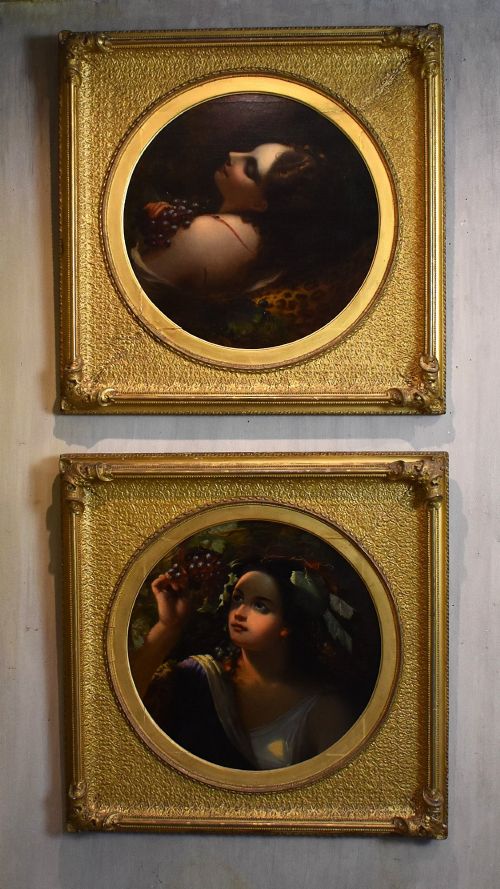
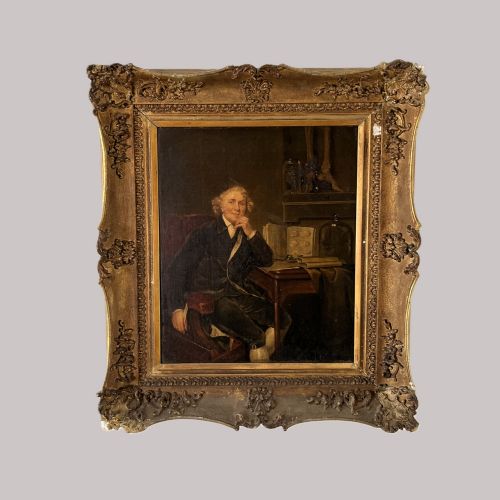
Classical portraiture canvas art comprises historical oil paintings executed on woven textile supports, capturing sitters from various past eras. These works range from seventeenth-century aristocratic studies to nineteenth-century romantic depictions and later twentieth-century copies after earlier masters.
Buyers encountering this selection will find oil paintings spanning the seventeenth, eighteenth, and nineteenth centuries, alongside Victorian examples and later interpretations. Common subjects include noblewomen, gentlemen, children with pets, and allegorical figures rendered in oil paint.
The origins of these pieces stretch across European schools, encompassing British, Dutch, Spanish, and Italian traditions. Many are studio pieces, follower works, or later copies after celebrated painters such as Goya, Gainsborough, and Lawrence.
Distinctions in execution and presence
Quality in these works rests upon the precision of brushwork, the psychological depth captured in the sitter's expression, and the harmony of the composition. Skilled handling of light and shadow distinguishes master works from routine studio output.
The integrity of the original canvas and the preservation of the pigment layers dictate the visual impact of the piece. Superior examples retain their original vibrancy and subtlety of tone without excessive later restoration obscuring the artist's hand.
Listings feature oil on canvas works across the seventeenth, eighteenth, and nineteenth centuries, including Victorian and Regency pieces framed in gilt wood.
Pietro Fachetti·Bartholomeus van der Helst·Sir Allan Ramsay·Theodore Jensen·John Hamilton Mortimer·Christian Lindner·Sir Thomas Lawrence·Franz Xaver Winterhalter·Guiseppe Mazzolini·Balthasar Denner·George Romney·John Michael Wright·George Henry Harlow·Michael Dahl·Jean-Baptiste Santerre
The Classical Portraiture Canvas Art Glossary
- Oil on Canvas
- A traditional painting medium where pigments bound in drying oil are applied to a woven fabric support. This combination permits rich colour blending and durability over centuries.
- Giltwood
- Wood that has been treated with a thin layer of gold leaf or gold powder. It provides a luminous border that complements the darker tones of classical oil portraits.
- Attributed to
- A designation used when a work shows the style of a specific master but lacks definitive documentation. It indicates strong stylistic links to a named artist's workshop.
- Baroque
- An artistic style prevalent from the seventeenth century, characterised by drama, deep shadow, and rich emotional expression. Portraits from this period emphasise grandeur and movement.
- Regency
- A British stylistic period spanning the early nineteenth century, known for refined elegance and classical restraint in portraiture. Works from this era often display softer palettes and naturalistic poses.
Classical Portraiture Canvas Art: Frequently Asked Questions
How should I hang a large oil portrait?
Position the centre of the canvas at eye level on a sturdy wall, ensuring it avoids direct sunlight to protect the oil pigments.
Allow adequate space around the heavy gilded frame so the artwork commands the wall without appearing crowded by surrounding furniture.
What does attribution mean for a painting?
Attribution indicates that experts link the execution of a canvas to a specific artist's studio, circle, or known hand based on stylistic evidence.
This designation provides historical context when a signature is absent or secondary to the workshop's output.
How do I identify seventeenth-century portraits?
Seventeenth-century portraits typically feature rigid posture, dark backgrounds, and stiff lace collars or formal velvet attire characteristic of the Baroque period.
The canvas preparation and pigment analysis often support the period attribution assigned by the maker or school.
Are these frames original to the canvases?
Many classical portraits retain their period frames, such as gilded wood surrounds that match the age and style of the painting.
Some works have been reframed over the centuries to suit changing domestic tastes while maintaining the historical integrity of the art.