


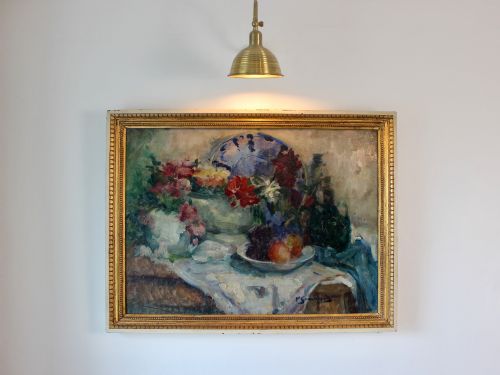


European Fine Art Oil
European fine art oil paintings bring centuries of diverse Continental vision into a room through rich brushwork and lasting pigment.
European Fine Art Oil
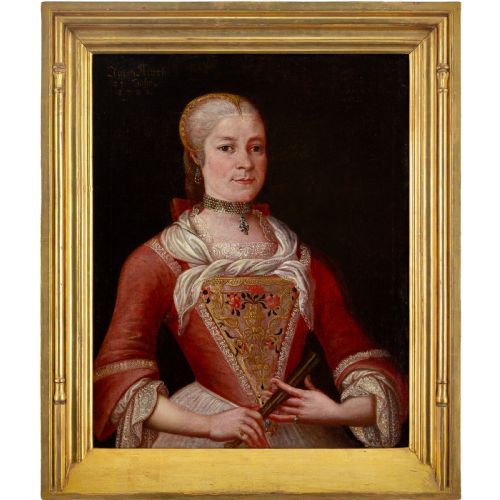
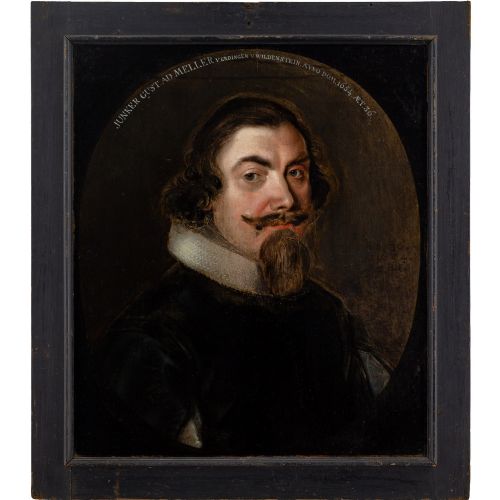
When you search for European fine art oil, you encounter canvas and wood panels depicting portraits, landscapes, and genre scenes spanning multiple centuries. The selection ranges from seventeenth-century Northern European portraits to twentieth-century post-impressionist townscapes.
Most pieces you meet on this page belong to the nineteenth century, alongside works from the seventeenth and eighteenth centuries and early decades of the twentieth century. These paintings originate from schools across Germany, France, Belgium, the Netherlands, and Britain.
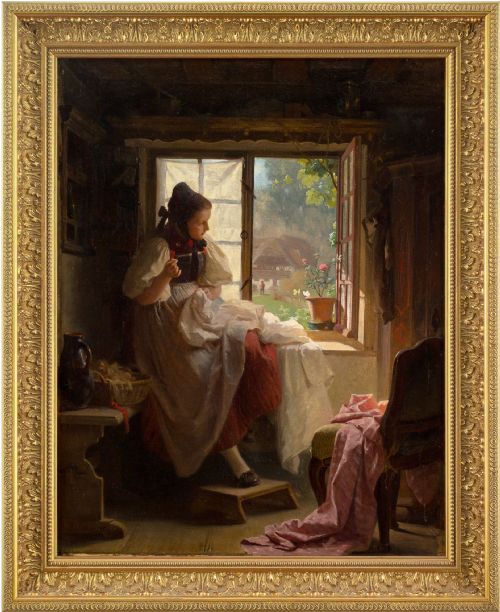
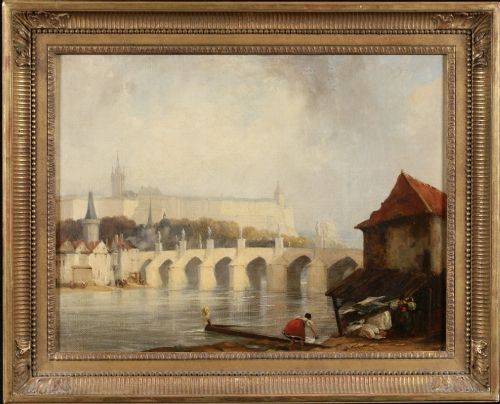
The subjects vary from quiet domestic interiors and floral still lifes to dramatic mountain landscapes and bustling village markets. Anonymous regional school works appear alongside signed pieces by named continental painters.
Materials and construction methods
Artists applied oil paint using various brush techniques onto prepared surfaces such as stretched canvas, wood panels, and board. Priming layers and gesso provided a stable ground for building up colour and light.
Many works retain their period framing, frequently constructed from gessoed and giltwood to complement the canvas. The combination of oil pigments on woven textile or timber supports accounts for the physical survival of these works over hundreds of years.
Materials documented across the pieces include canvas, wood, gesso, and giltwood frames.
Distinctions in quality
The strength of composition and handling of light separate master works from standard school pieces. Skilled brushwork conveys texture and atmosphere convincingly, whereas lesser works rely on rigid lines.
Condition plays a central role, distinguishing works with original pigment integrity from those altered by heavy restoration. The sensitivity of the portraiture or landscape execution determines the standing of the piece within its period.
The European Fine Art Oil Glossary
- Oil on Canvas
- A painting medium where pigments bound in drying oil are applied to a woven fabric support. This combination offers flexibility and longevity.
- Giltwood
- Wood carved and coated with gold leaf or a gilt finish, commonly used for historical picture frames. It provides a reflective border that enhances the painting.
- School
- A group of artists associated with a particular region, period, or master style. Works attributed to a school often lack an individual signature but share technical traits.
- Genre Painting
- Artwork depicting scenes from everyday life, ordinary people, and domestic interiors. These pieces capture social history and regional customs.
- Gesso
- A paint mixture consisting of a binder mixed with chalk, pigment, or plaster used to prepare a surface for painting. It creates a smooth and durable ground on wood or canvas.
European Fine Art Oil: Frequently Asked Questions
How do I date an old oil painting?
Dating relies on stylistic clues, costume details in portraits, and the physical materials of the canvas and stretcher. Frame construction and canvas preparation methods also offer strong chronological indicators.
Secondary evidence includes stretcher wedges, nails, and inscriptions or labels on the reverse of the wood panel or canvas.
What is the difference between canvas and panel?
Canvas provides a textured, flexible woven support that painters used increasingly from the sixteenth century onward. Wood panels offer a rigid, smooth surface favoured by earlier northern European masters.
Panels can be susceptible to splitting with humidity changes, while canvases can experience slackening and tears over time.
How should I hang an oil painting?
Hang paintings away from direct sunlight and steady heat sources to protect the canvas and oil pigments from fading and cracking. Use appropriate wall anchors and picture wire suited to the weight of the frame.
Keep the environment at a stable temperature and humidity level to prevent warping of wooden panels and stretcher frames.
What does regional school mean?
A regional school designation points to anonymous artists working within a specific geographic area and time, sharing common techniques and subjects. These works reflect the prevailing artistic traditions of towns or regions without naming the individual hand.
Attributions like Dutch School or Bavarian School help historians group works by stylistic similarities rather than a master signature.