


Grand Framed Wall Art
Grand framed wall art brings historical oils, watercolours, prints, and intaglio collections into domestic spaces.
Grand Framed Wall Art
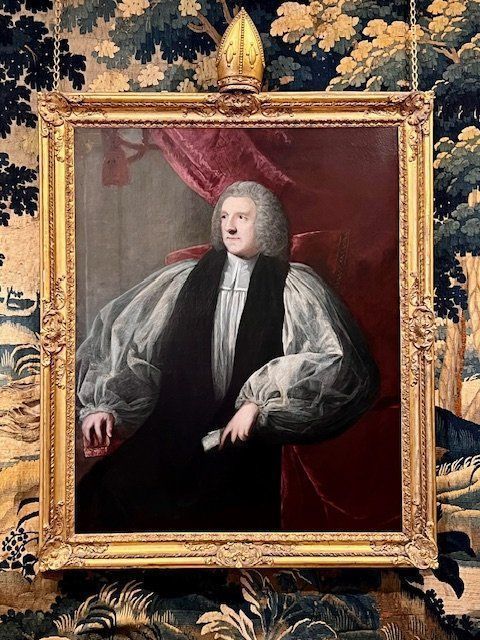
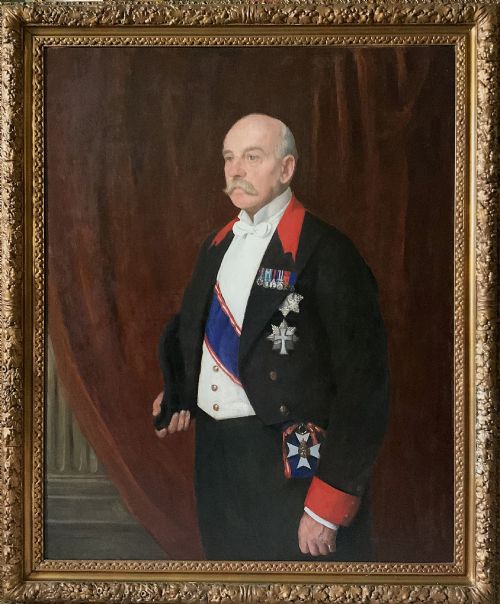
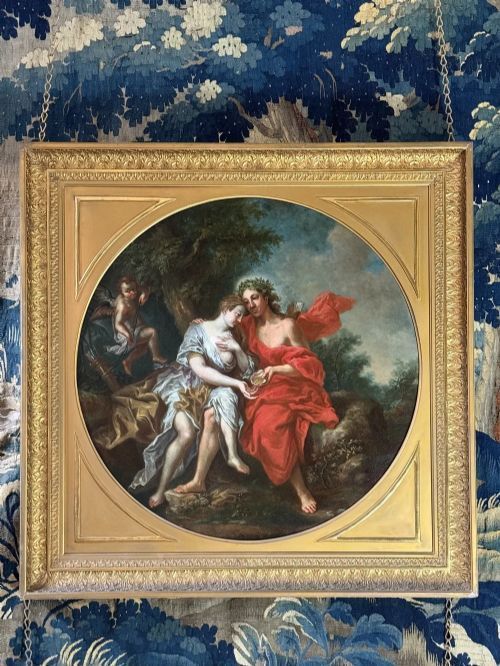
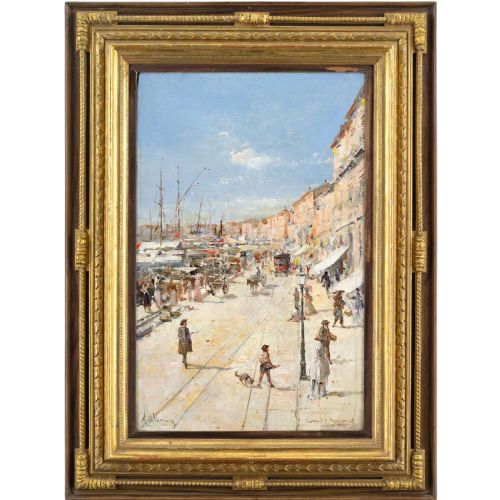
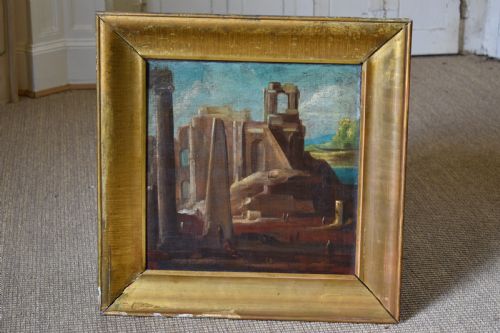
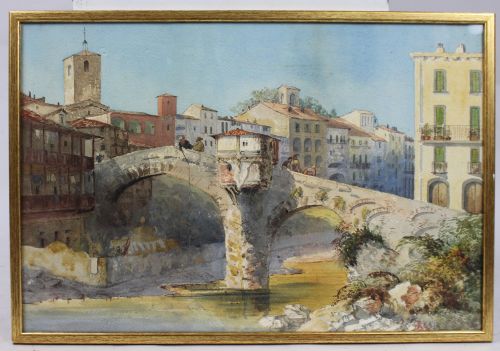
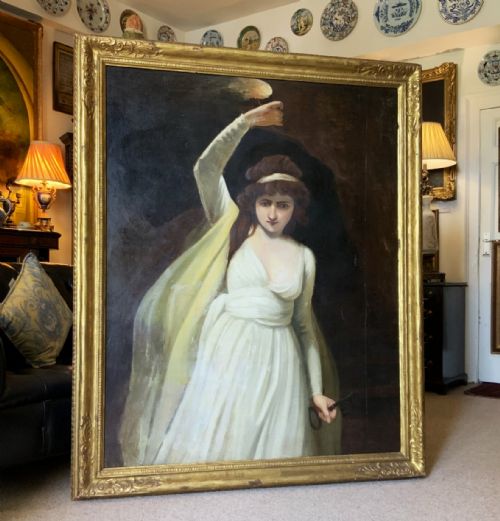
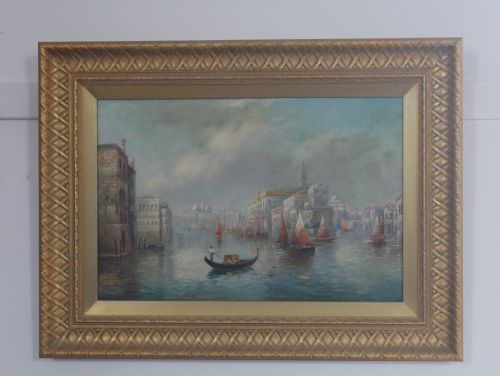
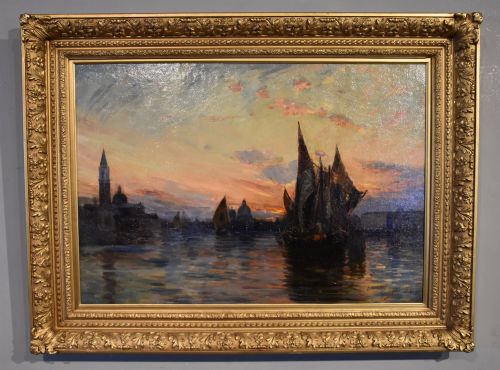
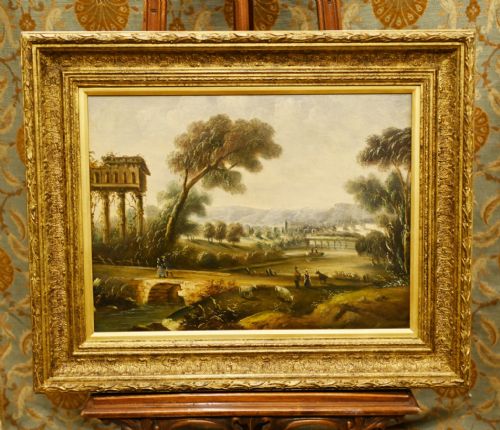
Buyers seeking grand framed wall art encounter large oil paintings, watercolours, and antique prints spanning the eighteenth, nineteenth, and early twentieth centuries. Many pieces originate from the Grand Tour tradition, showing Italian landscapes, Venetian canals, and classical ruins alongside portraits.
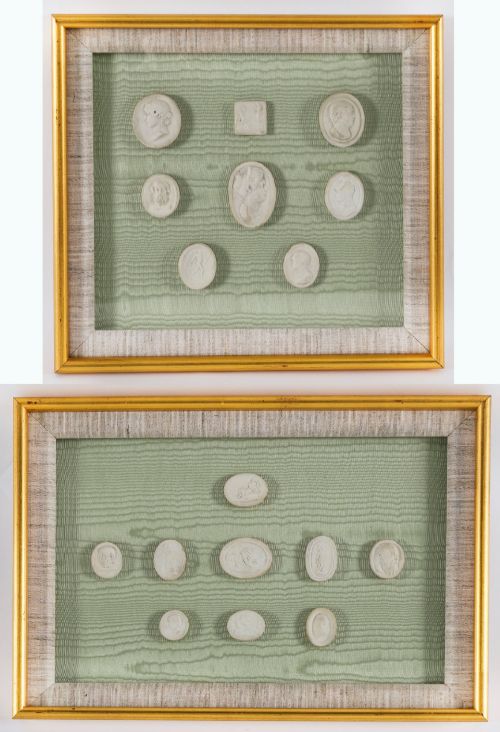
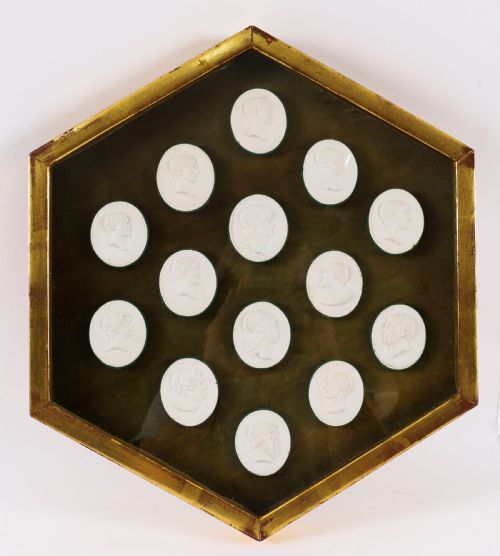
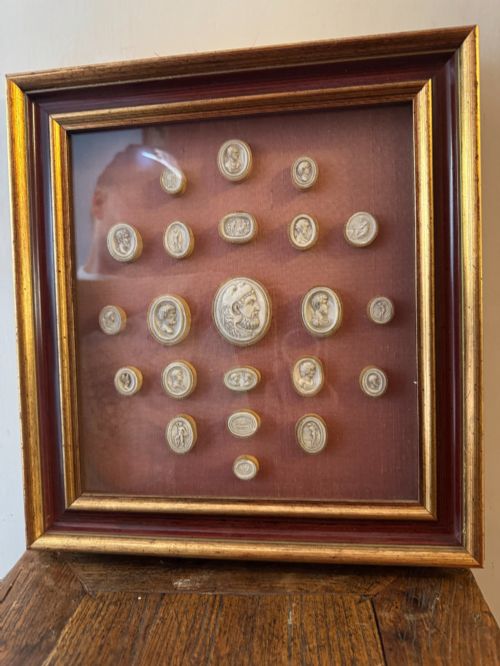
The selection also includes framed groupings of plaster and gypsum intaglios, classical cameo panels, and micromosaic plaques housed within protective wood and glass surrounds. These decorative objects combine pictorial art with substantial Period framing designed to anchor large walls.
Materials and construction
Paintings utilise oil on canvas or watercolours on paper, while sculptural panels employ plaster, gypsum, or stone set against backing materials. Frames are constructed from wood, frequently finished with giltwood, gilded wood, or ebonised surfaces.
Glass protects delicate watercolours, prints, and intaglio collections within their heavy surrounds. Hand-carved or moulded wooden frames provide the structural support necessary for these monumental pieces.
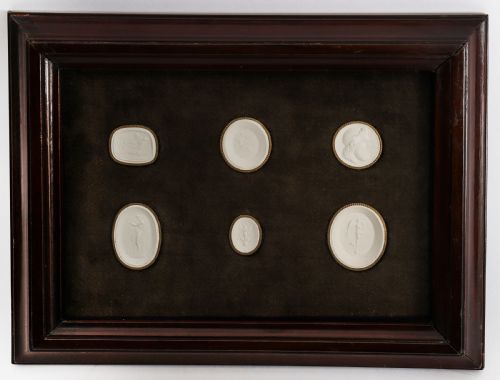
Nineteenth-century travellers meticulously glued hundreds of tiny plaster intaglios into velvet-lined boxes so they could show off Rome from their drawing rooms.
Distinctions in quality
Quality rests upon the skill of the original hand, distinguishing accomplished academic portraiture and detailed landscape painting from simpler decorative copies. Intaglio sets vary according to the crispness of the plaster or cameo casts and the harmony of their arrangement within the frame.
The relationship between the artwork and its surrounding frame dictates overall success. Period frames featuring original gilding and appropriate moulding elevate the piece compared to later or mismatched replacements.
Sir Joshua Reynolds·Charles-Antoine Coypel·Augusto Alberici·John Opie·Thomas Hodgson Liddell·Jan Miel·Giovanni Liberotti·Simon François Ravenet·E. Perez Senet·Fernand Jean Barbier·Jane Vivian·Alfred Pollentine·Jules Chardigny·Pierre Buillon·Henri Chatillon·Francesco Guardi
The Grand Framed Wall Art Glossary
- Grand Tour
- An extended journey through continental Europe undertaken by wealthy young men in the eighteenth and nineteenth centuries to study classical art and antiquities. They collected paintings, prints, and plaster intaglios as souvenirs of their travels.
- Intaglio
- A design carved into a material so that the impression sinks below the surface, commonly executed in plaster, gypsum, or stone for framing. Collections of these classical casts were frequently mounted on velvet backgrounds.
- Giltwood
- Wood that has been coated with a thin layer of gold leaf or powder, used extensively on nineteenth-century picture frames. This finish catches the light and adds a sense of opulence.
- Capriccio
- An architectural fantasy placing together classical ruins, buildings, and other architectural elements in a fictional Italianate landscape. Artists often used this style in eighteenth and nineteenth-century oil paintings.
Grand Framed Wall Art: Frequently Asked Questions
What is a Grand Tour intaglio collection?
These collections consist of classical plaster or gypsum casts mounted inside framed panels, replicating ancient cameos and intaglios gathered by travellers abroad.
They offer a tactile record of classical sculpture and mythology, arranged symmetrically for display on drawing room walls.
How do I hang a heavy oil painting?
Monumental oil paintings require secure fixings into structural wall studs or masonry using heavy-duty picture hooks rated for substantial weight.
Because eighteenth and nineteenth-century frames add considerable heft to the canvas, professional installation ensures the piece remains safe and level.
Are these frames original to the artwork?
Many paintings and prints retain their period giltwood or ebonised frames, which were selected to complement the scale and style of the image.
Examining the corner joints and backing helps determine whether the framing dates from the same era as the canvas or paper within.
What subjects are common in these paintings?
Landscapes, Venetian canal scenes, classical ruins, and formal portraits dominate the works produced across the eighteenth and nineteenth centuries.
Artists drew inspiration from Italian topography and academic traditions, creating expansive views designed to command attention in large rooms.