




Expressionist Canvas Portrait Art
Expressionist canvas portrait art brings intense emotion and psychological depth to walls through bold brushwork and striking figures.
Expressionist Canvas Portrait Art
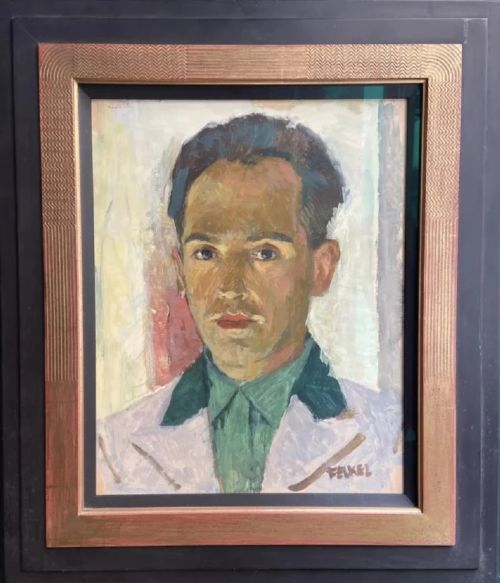
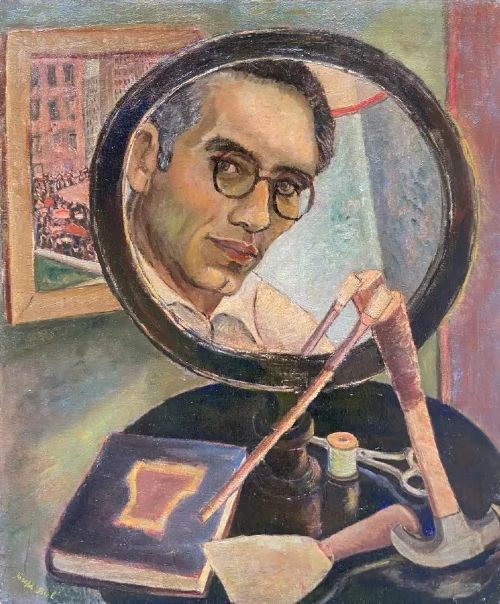
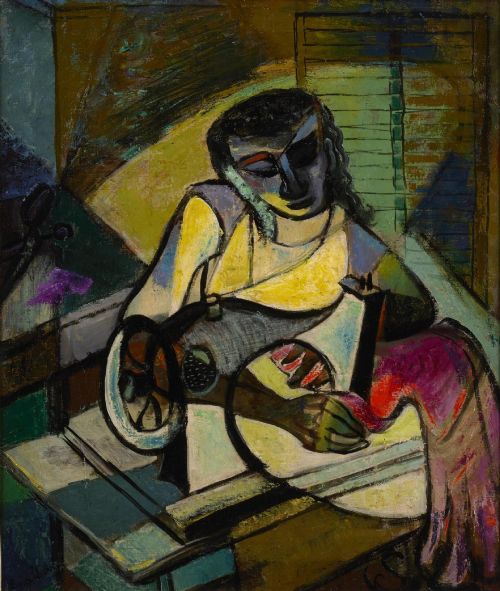
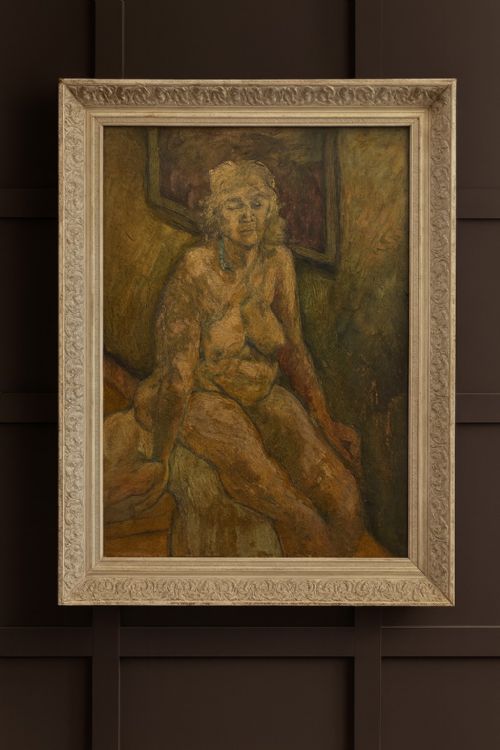
Expressionist canvas portrait art encompasses striking studies of the human figure, self-portraits, and character pieces created during the early to mid-twentieth century. Buyers searching this phrase encounter powerful works reflecting artistic movements from the nineteen-twenties through the nineteen-sixties, including pieces linked to Mid-Century Expressionism, Modern British art, and the Bloomsbury Group. These paintings frequently depict nudes, self-portraits, and figurative subjects rendered with emotional intensity rather than strict academic realism.
The pieces on this page span several decades, featuring works dated from nineteen-twenty up to nineteen-sixty. Subjects range from intimate self-portraits and seated nudes to expressive female studies and abstract compositions. Makers and artists represented in this selection include historical figures such as Carl Felkel, Joseph Biel, Lena Gurr, Baruch Shalom Oskotsky, Pinchus Krémègne, and Nahum Tschacbasov.
How they were made
Artists working in this tradition painted primarily with oil paint on stretched canvas, though certain pieces utilise board or canvas laid onto board as a support. The application of pigment relies on direct, energetic brushstrokes that prioritise mood and gesture over polished academic finish. Wooden frames often accompany these works, providing structural support and period context for the paintings.
The physical construction of these works reflects the materials standard to twentieth-century studios. Painters built surface texture through layered oil applications, sometimes incorporating board or metallic leaf to alter light reflection across the portrait surface.
Listings span the nineteen-twenties to the nineteen-sixties, featuring oil paint on canvas and board.
What varies in quality
Quality in these portraits rests upon the strength of the composition and the conviction of the brushwork. Stronger examples demonstrate confident handling of the medium and a compelling psychological engagement with the sitter, whereas lesser pieces can rely on formulaic gestures. The impact of a work depends on how effectively the artist balances form and colour to convey character.
The handling of the canvas and pigment integration also distinguishes finer examples. Paintings that retain energetic, deliberate application without losing structural integrity showcase the distinct expressive power characteristic of the period.
Carl Felkel·Joseph Biel·Lena Gurr·Tony Giles·Gaetan Dumas·Baruch Shalom Oskotsky·Peter Jackson·Jean Hippolyte Marchand·Pinchus Krémègne·Antonio Ferri·Yetta Kane·Raymond Arthur Roadnight·Burr Singer·Bernard Meninsky
The Expressionist Canvas Portrait Art Glossary
- Expressionism
- An artistic style where the artist seeks to depict subjective emotions rather than objective reality through bold colours and distorted forms. This approach dominates the brushwork and compositions seen across these portraits.
- Canvas
- A heavy woven fabric utilised as a surface for oil painting. It provides the primary support structure for the majority of works in this selection.
- Avant-garde
- New and experimental ideas in art, particularly in the early twentieth century. Pieces carrying this descriptor often challenge traditional academic conventions of portraiture.
- Self-portrait
- A representation of an artist drawn, painted, or sculpted by themselves. Several notable examples in the collection document the likenesses of the creators.
- Oil paint
- A type of slow-drying paint consisting of pigment particles suspended in a drying oil. This medium allows for rich colour blending and textured impasto surfaces.
Expressionist Canvas Portrait Art: Frequently Asked Questions
What is expressionist canvas portrait art?
Expressionist canvas portrait art consists of twentieth-century paintings focusing on human figures, self-portraits, and nudes created with emotional intensity.
These works prioritise expressive brushwork and psychological depth over precise academic realism.
How should I hang these portraits?
These paintings suit spaces where their bold brushwork and strong character studies can be appreciated at eye level.
Ensure they are placed away from direct sunlight to protect the oil paint and canvas over time.
What periods do these paintings come from?
The listed works originate primarily from the decades between nineteen-twenty and nineteen-sixty.
This timeframe encompasses movements such as Art Deco, Modern British art, and Mid-Century Expressionism.
What materials were used?
Artists painted primarily with oil paint on stretched canvas or board supports.
Some pieces also incorporate wooden frames and occasional metallic leaf elements.