

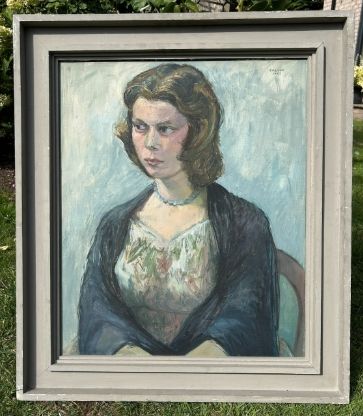
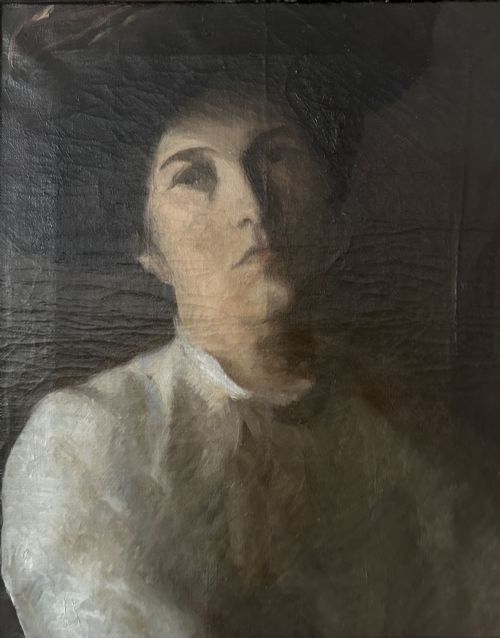
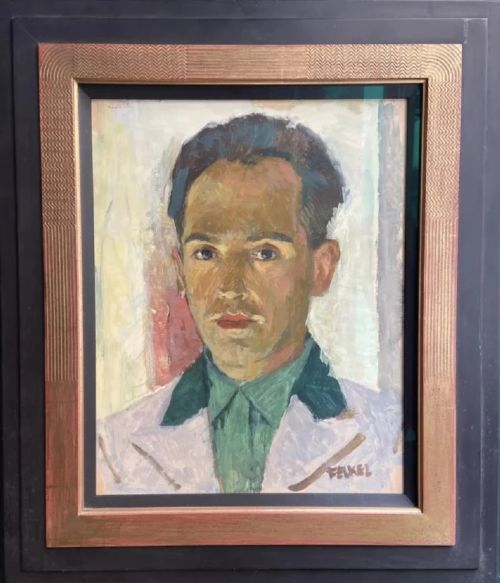
Vintage Original Oil Portrait
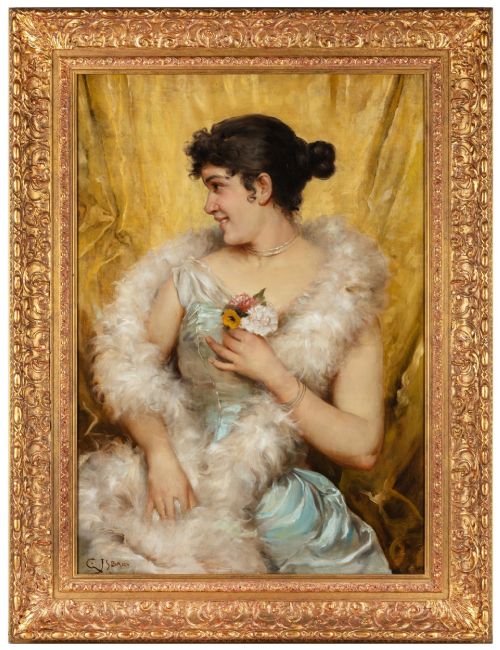
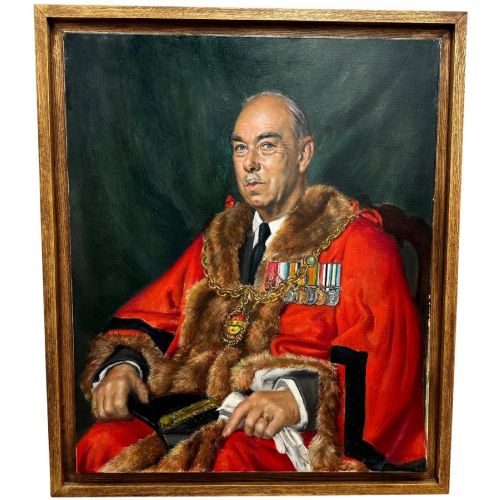
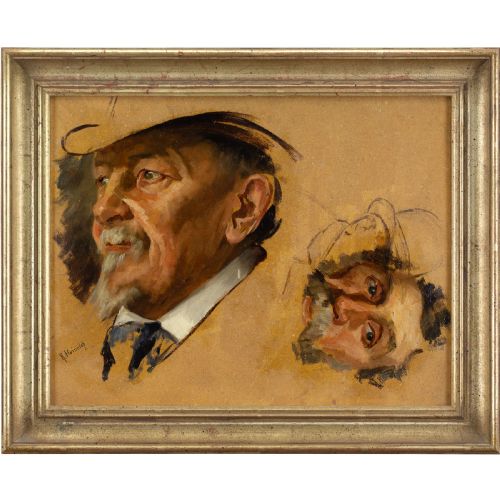
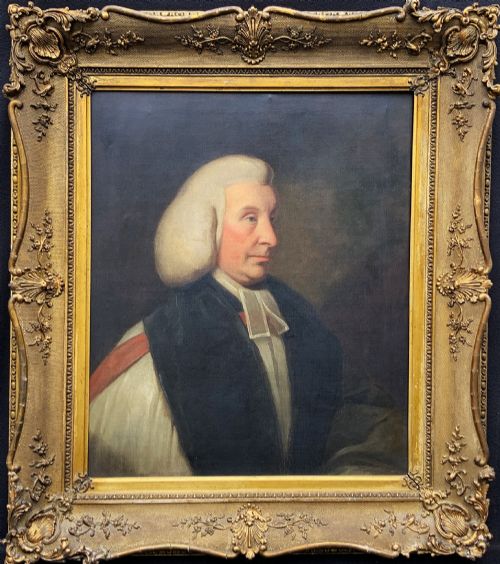
When you search for a vintage original oil portrait, you are looking at hand-painted likenesses rendered on canvas, board or panel across multiple centuries.
Vintage Original Oil Portrait
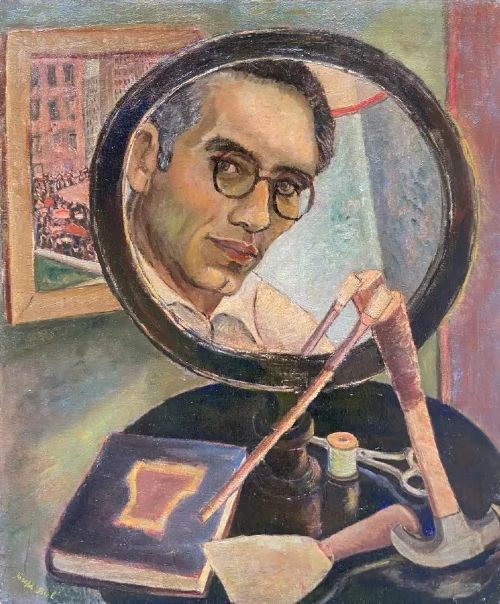
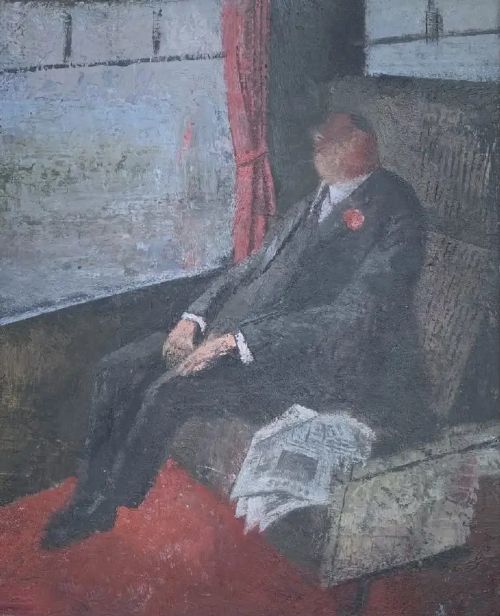
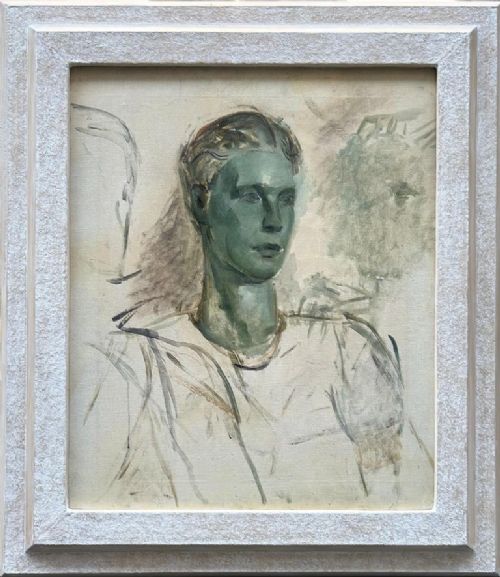
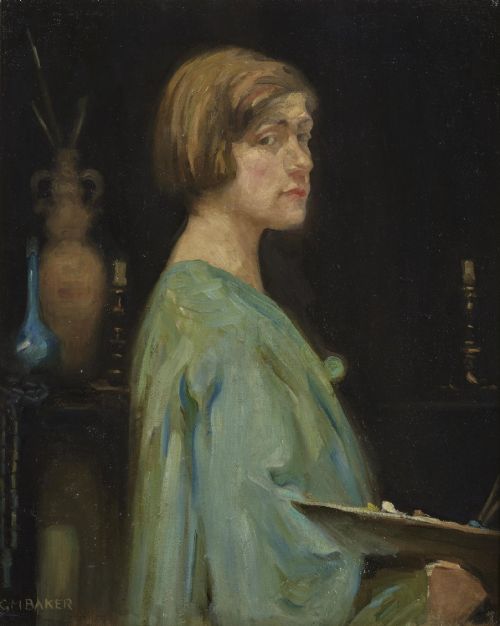
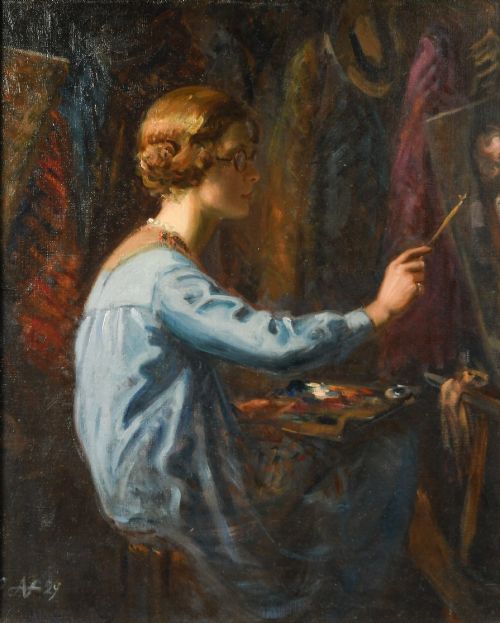
A vintage original oil portrait brings the presence of past sitters directly into a room through oil paint applied to canvas or board. These works range from formal Edwardian and 19th Century depictions of nobility and medical doctors to mid-century studies and intimate self-portraits.
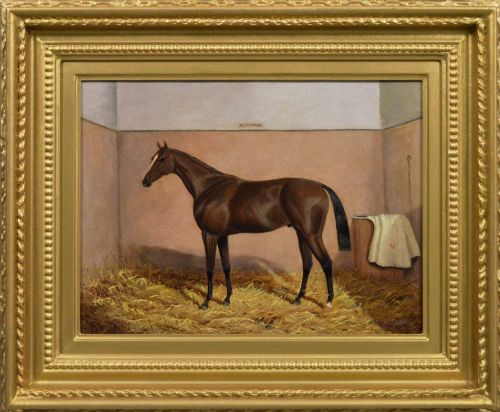
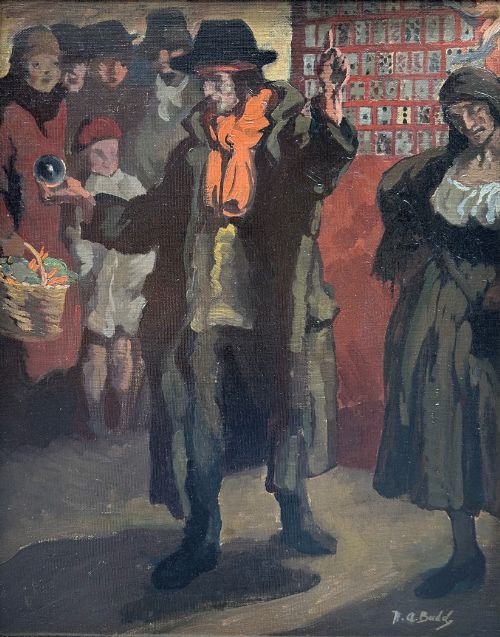
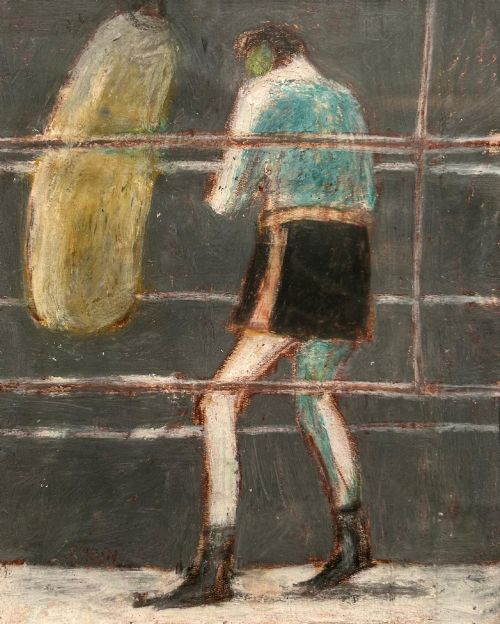
Buyers frequently encounter works from the nineteenth and twentieth centuries alongside earlier seventeenth and eighteenth-century examples. The selection spans formal portraiture, equine and animal studies, and character pieces created by named artists and regional British or French schools.
The format varies from large framed canvases down to smaller unframed panels and oval compositions. Each piece records the individual character of the sitter using traditional oil techniques that have survived across generations.
Materials and technique
Artists built these portraits using oil paint on supports of stretched canvas, wooden panel or thick board. Oil medium allowed painters to blend tones smoothly or apply thick impasto texture to capture fabrics, skin and light.
Many works retain their original giltwood or decorative frames which protect the edges of the canvas and complement the painted surface. Pigments mixed with oils have matured over decades, developing a rich depth and subtle craquelure across the paint layers.
Subjects range from human sitters and self-portraits to detailed animal studies of racehorses, hounds and family pets.
Quality factors
The condition of the paint surface and the presence of an original period frame significantly influence the desirability of a piece. Works by identified professional artists or established regional schools generally command greater attention than anonymous student studies.
Bernard Hailstone·John Hayls·Kenneth Cozens·Albert Clark·Carl Felkel·Joseph Biel·Herbert Ashwin Budd·Gladys Marguerite Baker·Samuel Rabin·Oilver Messel·Henry Windsor Fry·Christine Nesbit·Edgar Hunt·Charles James McCall·Achille Fould·Ernest Payne·Alfred Arthur Brunel de Neuville·Philip Naviasky·Ronald Ossory Dunlop·Frank C Harlow·Moussa Ayoub
The Vintage Original Oil Portrait Glossary
- Impasto
- Paint applied thickly to a canvas or board, standing proud of the surface so that brush or palette knife marks remain visible. This technique adds literal texture and catches the light.
- Giltwood
- Timber carved and coated with a thin layer of gold leaf or gold-coloured finish to form decorative picture frames. It was widely used throughout the nineteenth century to elevate the status of oil paintings.
- Canvas
- A heavy woven fabric, usually linen or cotton, stretched tightly across a wooden frame to act as a stable foundation for oil painting. It remains the most common support found in historical portraiture.
- Board
- A rigid flat sheet of wood pulp, straw or timber used as an alternative to stretched canvas. Unframed board paintings often appeared in the early twentieth century.
- Provenance
- The documented history of ownership of a work of art, tracing its passage from the artist's studio down to the current marketplace. Clear provenance helps verify the authenticity and dating of older portraits.
Vintage Original Oil Portrait: Frequently Asked Questions
Are all these portraits painted on canvas?
While canvas is the most frequent support encountered, many examples utilise wooden panels or thick boards. Artists often chose boards for smaller studies or for speed when painting outdoors.
Each material responds differently to environmental changes, so checking whether the work is on canvas or board helps determine the correct display conditions.
How can I tell the age of a portrait?
Age is indicated by the style of clothing, the hairstyle of the sitter, and the construction methods of the canvas stretcher or frame. Canvas preparation and the natural ageing of oil paints also offer clues to the period of creation.
Written signatures, dates on the reverse, or historical labels provide more direct evidence, though many older works remain anonymous.
Can I hang oil paintings in direct sunlight?
Direct sunlight should be avoided because ultraviolet rays degrade organic pigments and cause oil paint to fade or discolour over time. Heat from direct sun can also cause wooden panels to warp and canvas to slacken.
Position portraits on interior walls away from direct windows and radiators to maintain stable humidity and temperature levels.