
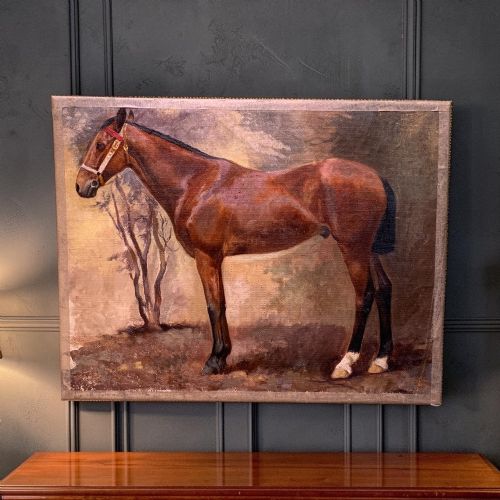

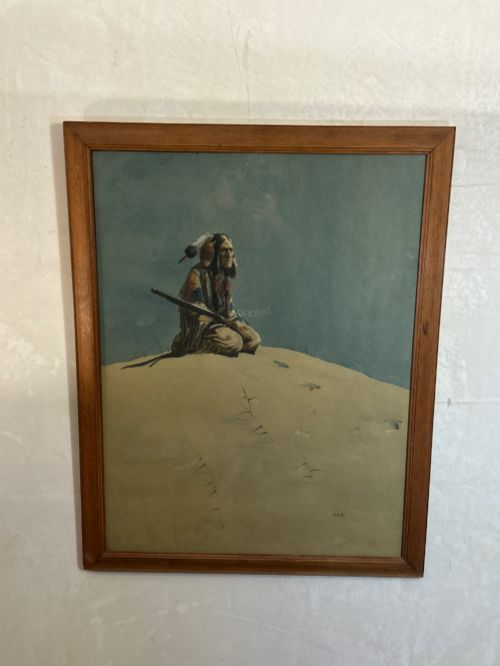
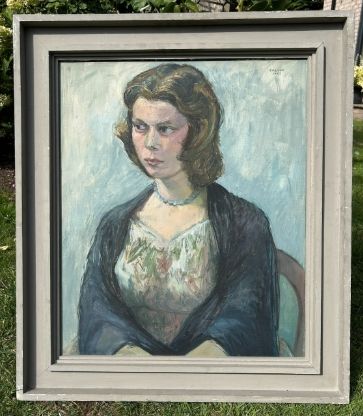
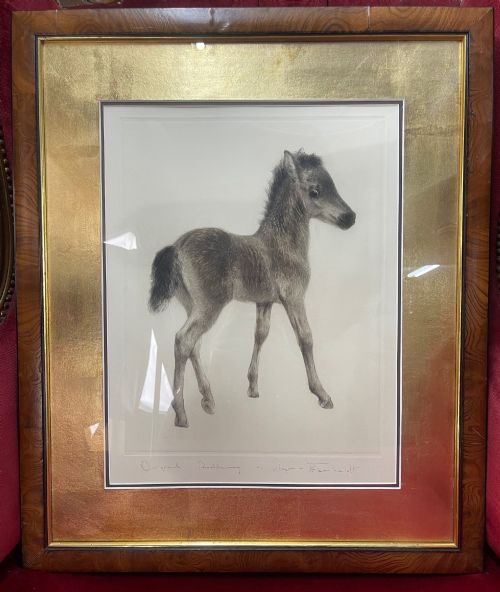
20th Century Portrait Art
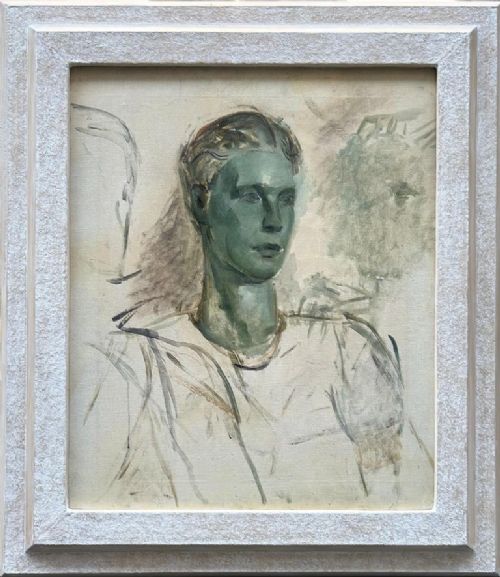
When you search for 20th century portrait art, you enter a diverse world of painted and drawn character studies capturing people and personalities across decades of changing styles.
20th Century Portrait Art
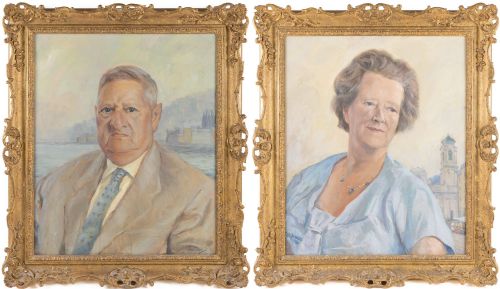
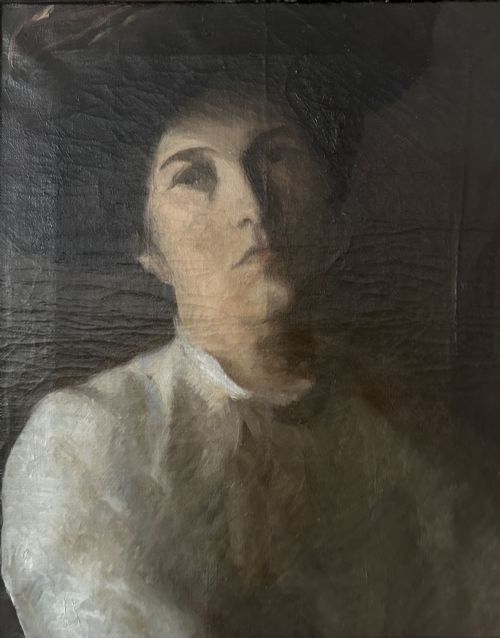
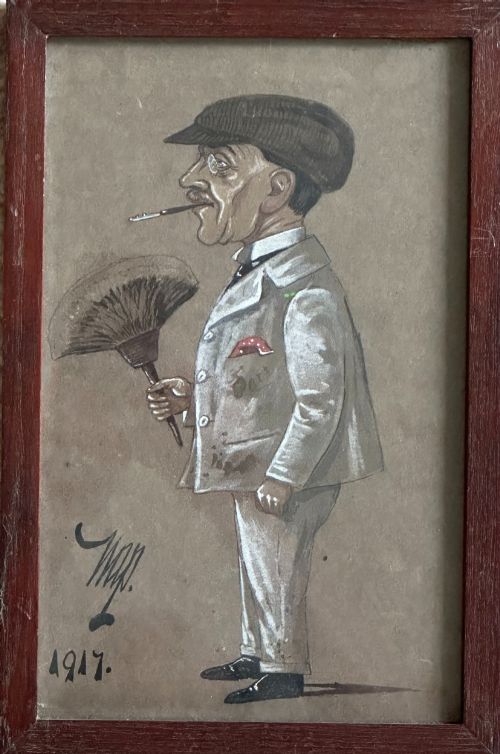
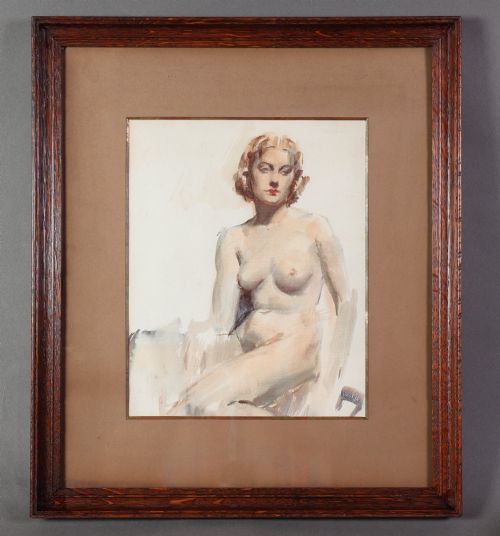
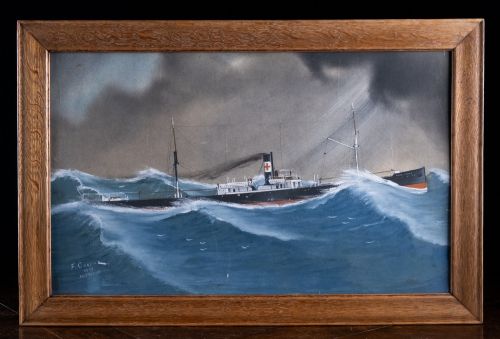
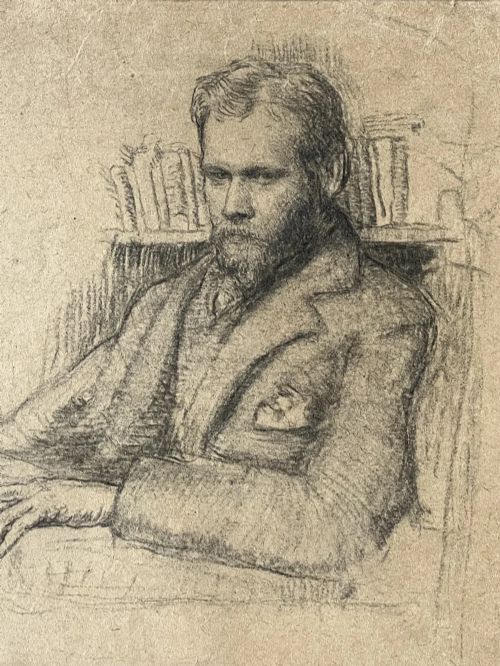
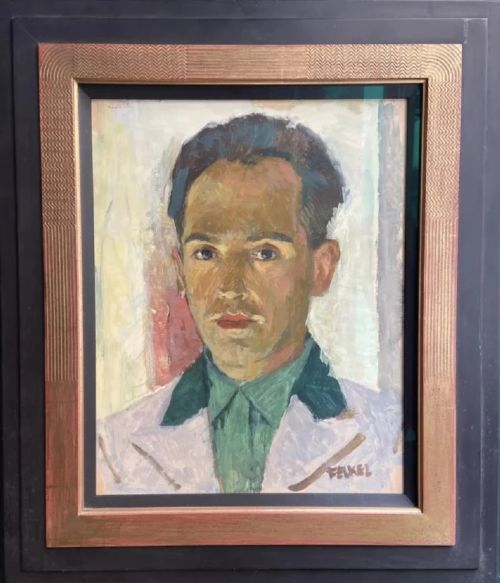
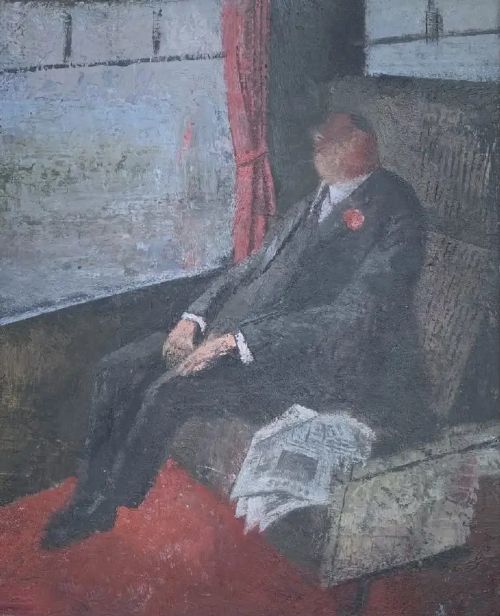
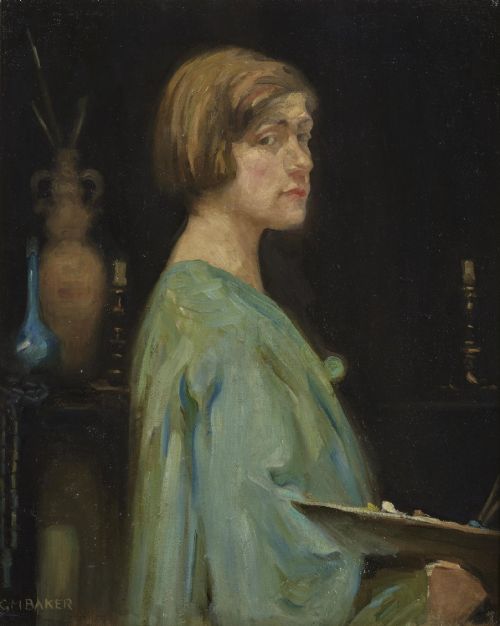
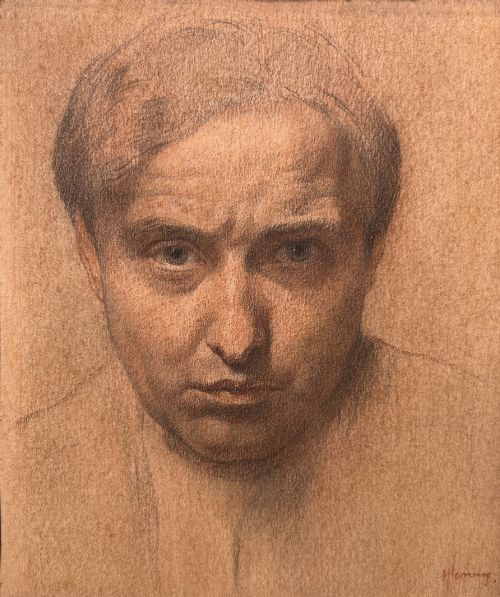
The works grouped under 20th century portrait art encompass oil paintings, watercolours, pastels, and pencil drawings created from the Edwardian era through to the mid-century decades. Buyers encounter everything from formal depictions of identifiable directors and artists to anonymous character studies, caricatures, and self-portraits.
The selection frequently includes examples by the British School, continental European painters, and named regional artists working in styles ranging from Post-Impressionism to Modern British and Pop Art. Portraits on canvas, board, and paper reflect the evolving aesthetic priorities of patrons and creators as the century progressed.
Materials and methods of creation
Artists relied primarily on oil paint applied to canvas, artist board, or panel, alongside works executed in gouache, chalk pastel, watercolour, and pencil on paper. Many surviving pieces retain their period frames, including swept gilt designs that complement the medium.
Techniques range from smooth, traditional academic application to textured impasto and expressive drypoint etchings. The combination of ground supports and media determined the final visual weight and texture of each finished piece.
Listings feature works spanning the Edwardian period through the 1960s, executed in oil, pastel, gouache, and pencil.
Factors determining quality
Quality rests upon the artist's command of anatomy, expression, and brushwork, distinguishing confident life studies from stiff mechanical copies. The strength of the composition and the psychological depth of the sitter elevate superior examples.
Condition of the underlying canvas or paper, stability of the paint layer, and the presence of original framing elements also divide standard decorative works from museum-grade collector pieces.
Emily Eyres·John Hassall·Kenneth Cozens·Kurt Meyer-Eberhardt·Augustus John·Carl Felkel·Gladys Marguerite Baker·Herbert Johnson Harvey·Samuel Rabin·Lena Gurr·Winifred Rymer·Christine Nesbit·Harold Knight·J.A. Grant·Charles James McCall·Percy Lancaster·Philip Naviasky·Ronald Ossory Dunlop·Howard Barron·Edouard Julien·Henri Vincent-Anglade·Harry Epworth Allen·Arthur Heyer
The 20th Century Portrait Art Glossary
- Impasto
- Paint applied thickly to a canvas or panel, leaving distinct brush or palette knife marks that stand proud of the surface. This technique adds literal three-dimensional texture and catches light across the painted surface.
- Drypoint
- A printmaking process where an artist scratches a design directly onto a metal plate with a sharp needle. The resulting burr creates a rich, velvety line when inked and pressed onto paper.
- Gouache
- An opaque water-based paint that combines pigments with a binding agent and white filler. It dries to a matte finish with heavier coverage than standard watercolour.
- Post-Impressionism
- An art movement extending beyond Impressionism that prioritised emotional expression and structural form over sheer visual recording. Works in this style often use bold colours and deliberate brushwork.
- Self-portrait
- A representation of the artist created by the artist themselves, typically utilising a mirror. These works offer direct insight into how creators viewed their own likeness and status.
20th Century Portrait Art: Frequently Asked Questions
What defines a self-portrait?
A self-portrait is an artwork where the creator depicts their own likeness, often working in front of a mirror in the studio.
These pieces frequently capture the artist with tools of their trade, such as a paint palette or standing at an easel.
How do pastels differ from oil paintings?
Pastels utilise dry pigmented chalk sticks applied directly to paper or board, offering soft textures and immediate colour application.
Oil paintings rely on slow-drying pigments suspended in medium applied to stretched canvas or wooden panels, allowing for rich blending and thick impasto.
Are these works signed?
Many pieces feature artist signatures, monograms, or studio stamps inscribed directly onto the painting surface or margins.
Unsigned works are frequently attributed to specific regional schools based on stylistic analysis and period characteristics.
How should framed artwork be displayed?
Artworks require placement away from direct sunlight and excessive humidity to protect delicate watercolours, pastels, and oil canvases.
Maintaining stable environmental conditions prevents paper yellowing and canvas warping over time.