




Oil on Board Portrait
An oil on board portrait brings the direct touch of the artist's hand into a room, offering character and history through pigment laid directly onto a rigid wooden or panel support.
Oil on Board Portrait
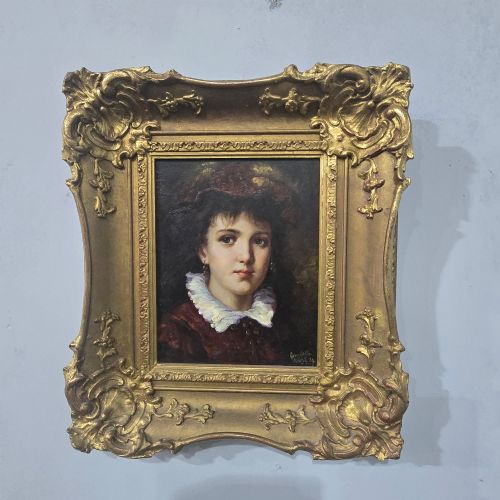
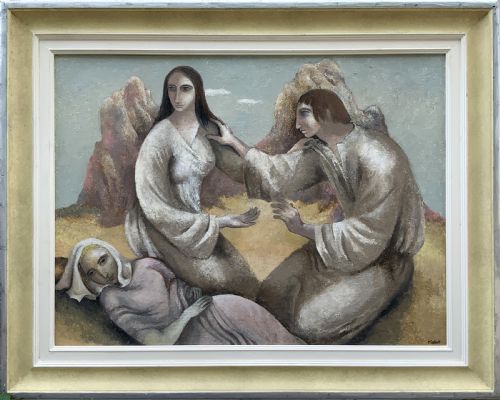
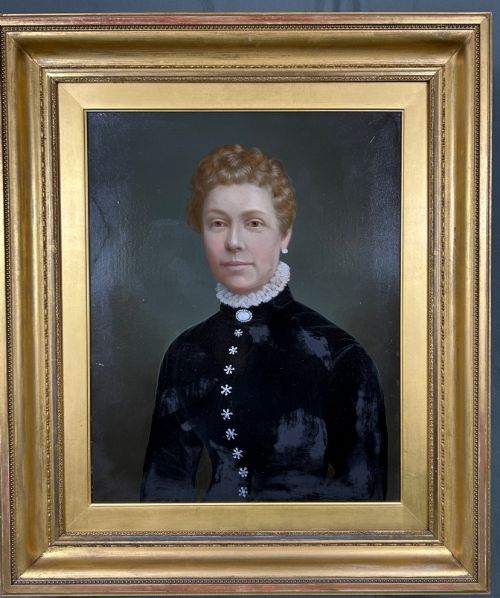
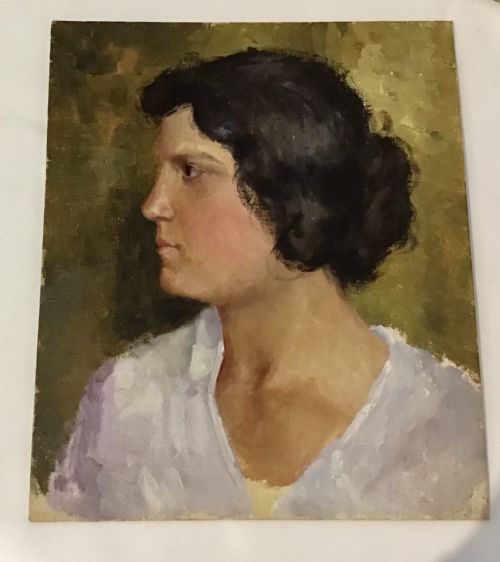
An oil on board portrait captures human or animal subjects utilising oil paint applied to rigid panels rather than stretched fabric. These works span from the eighteenth century through the mid-twentieth century, encompassing Victorian ladies, Edwardian children, and modernist studies.
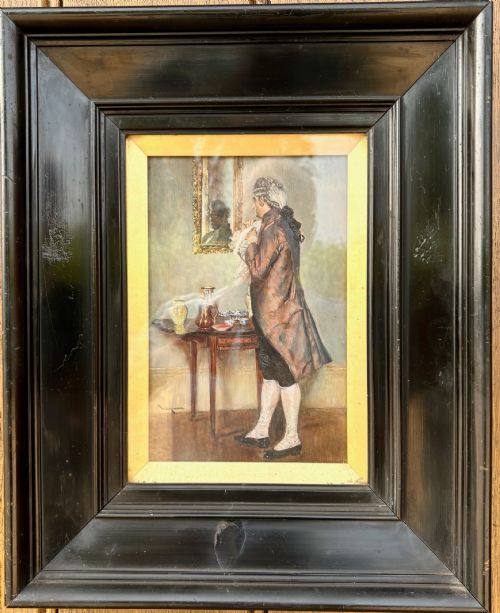
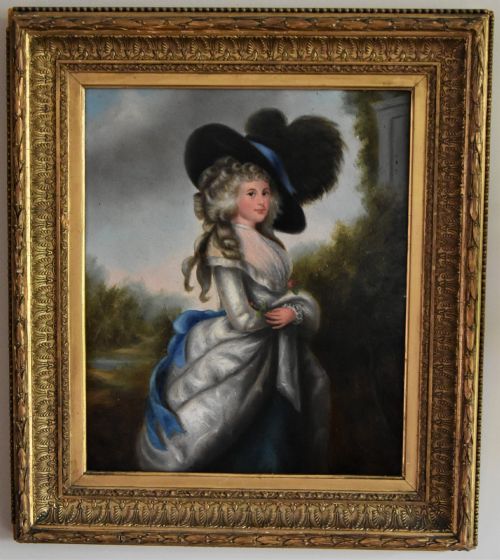
Buyers encounter everything from formal aristocratic likenesses to intimate depictions of domestic animals and everyday sitters. The rigid support provides a stable surface that often survives in remarkably crisp condition compared to traditional canvas.
The selection ranges across distinct periods, showing how portraiture shifted from careful academic realism to looser modernist interpretations over generations. Each piece records both the likeness of the subject and the prevailing aesthetic of its decade.
How They Were Made
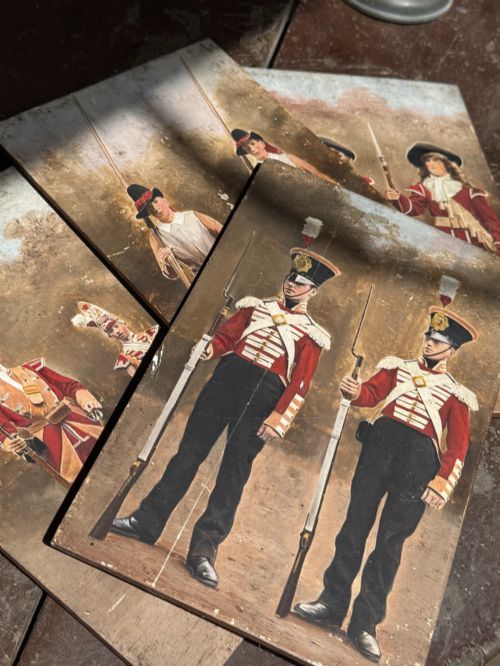
Artists applied oil paint directly to prepared wooden boards, artist boards, or canvas laid onto panel substrates. This rigid foundation allowed for varying brushwork, from smooth, blended glazes to thick impasto applications.
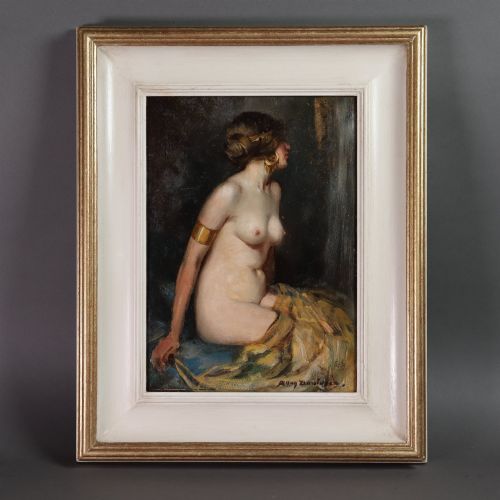
Many works incorporate gilt frames that complement the rich tones of the oil pigments and protect the edges of the panel. The interaction between the absorbent or primed board and the slow-drying oil medium creates a durable surface with lasting depth.
Oil on Board Portrait Retail Price Guide 2026
Typical asking prices for oil on board portrait among the pieces listed under this phrase on Sellingantiques today, from the lower quarter to the upper quarter. They describe what is for sale here now, not the wider market.
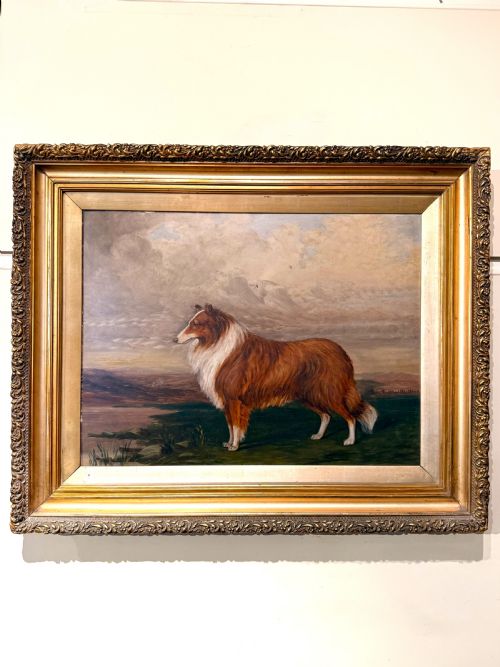
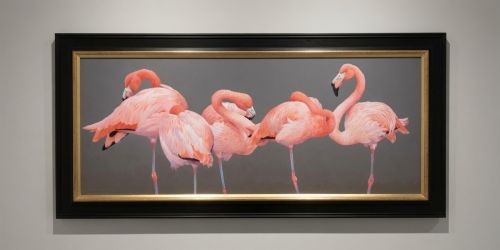
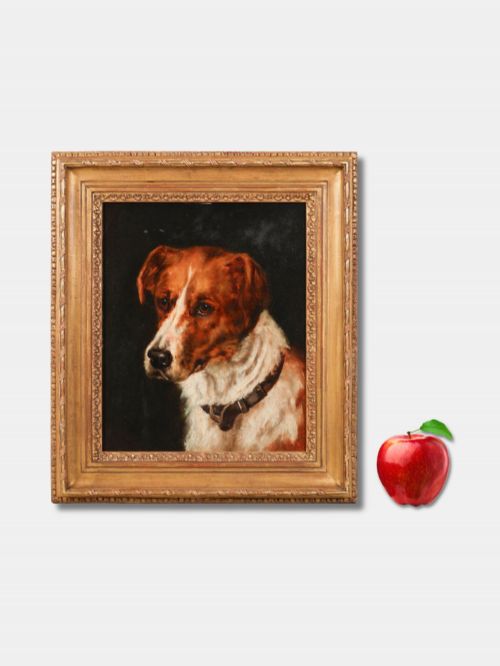
Several portraits star domestic pets, proving that nineteenth-century sitters loved painting their cats and dogs just as much as we do.
What Varies in Quality
The skill of the brushwork and the precision of the sitter's anatomy separate ordinary decorative works from masterly pieces. Accomplished artists capture subtle shifts of light across a face and convey genuine personality rather than a stiff likeness.
The preservation of the original paint layer and the quality of the supporting panel matter significantly. Works that retain their original framing and undisturbed paint surfaces command greater appreciation among collectors.
Jonny Gaston·W.D. Almond·David Orr Kerr·Allan Douglas Davidson·Septimus Scott·Hans Temple·Fred Yates·George Smith·Balthasar Denner
The Oil on Board Portrait Glossary
- Oil Paint
- A slow-drying medium made by mixing pigments with oils such as linseed. This medium allows artists to blend tones smoothly or build up thick textures.
- Board
- A rigid wooden or manufactured panel used as a painting support instead of fabric canvas. It offers a firm resistance that suits both detailed brushwork and vigorous knife application.
- Impasto
- Paint applied thickly to a surface, standing out in relief from the board. This technique creates a tangible sense of texture and three-dimensional form.
- Gilt
- A thin layer of gold or gold-like material applied to frame mouldings. It enhances the visual weight and presentation of the artwork.
Oil on Board Portrait: Frequently Asked Questions
How do I clean an oil on board portrait?
Surface dust should be removed gently with a soft, dry brush without applying pressure to the paint layer. Moisture and household cleaners must be avoided entirely to prevent damaging the historic pigments.
Professional conservators should handle any deeper cleaning or removal of discoloured varnish. Attempting to clean the painted surface yourself risks altering the original glazes applied by the artist.
Why did artists paint on board instead of canvas?
Wooden panels and boards provided a completely rigid surface that required minimal preparation and resisted sagging over time. This made them popular for outdoor sketching as well as finished studio portraits.
Board was also more affordable and portable than stretched canvas during various periods. Artists appreciated the smooth resistance when working with fine brushes or palette knives.
How do I identify the age of a portrait?
The clothing, hairstyle, and framing style of the sitter offer immediate clues to the decade or period of creation. Examining the reverse of the board often reveals handwritten dates, old signatures, or maker stamps.
Materials used for the panel and framing construction also help narrow down the era. Comparing the painting technique to known works from specific schools provides further confirmation.
Where should I hang these portraits at home?
These works suit placement in studies, hallways, or living rooms where lighting can be controlled to prevent direct glare. They pair well with both traditional period furniture and modern minimalist interiors.
Direct sunlight and high humidity should be avoided to protect the oil pigments and wooden boards. Stable indoor conditions ensure the portrait remains preserved for future generations.