
Figurative Fine Art Painting
When you search for figurative fine art painting, you enter a world of portraits, genre scenes, and human studies rendered in oil and watercolour.
Figurative Fine Art Painting
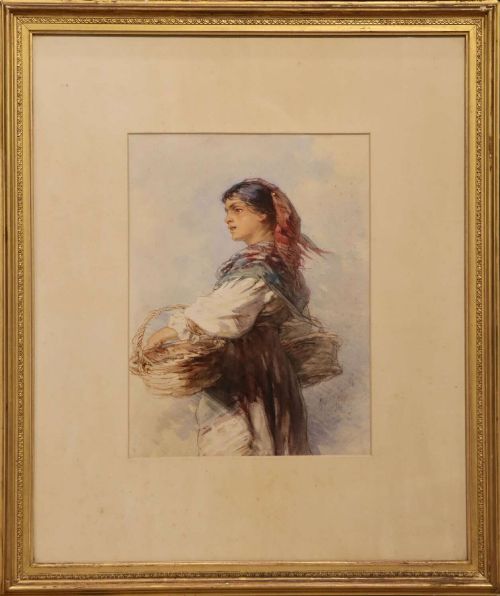
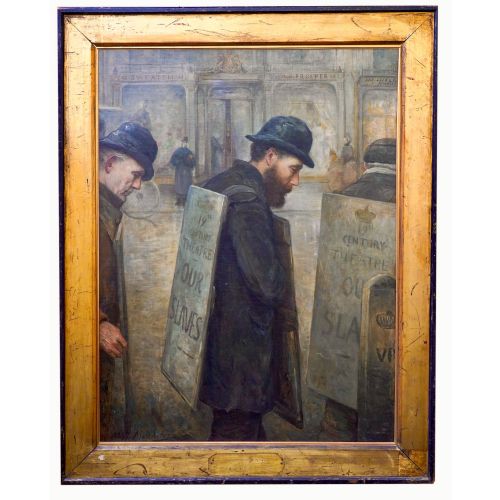
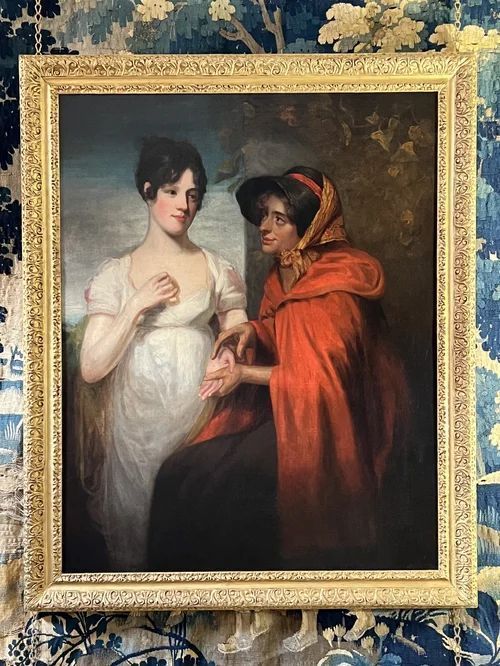
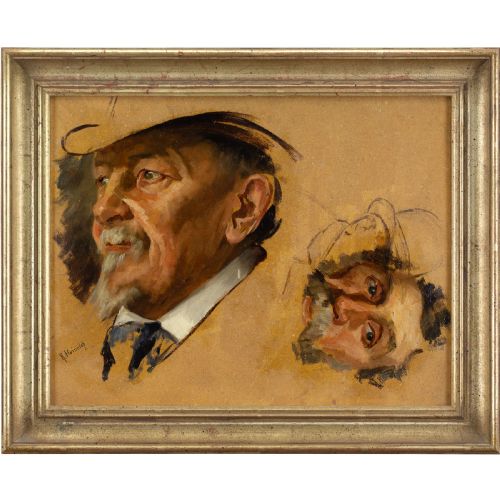
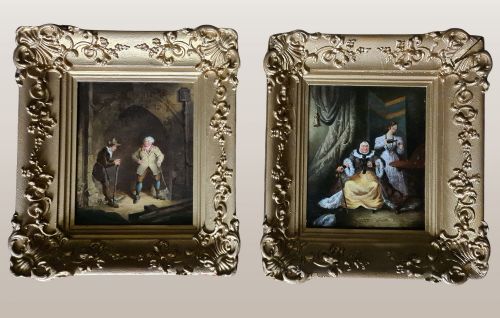
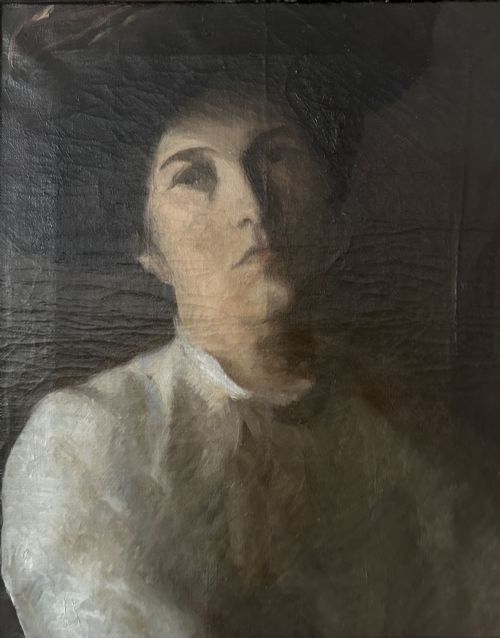
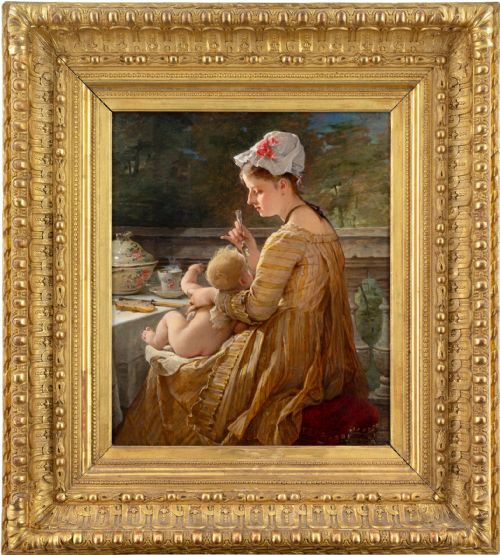
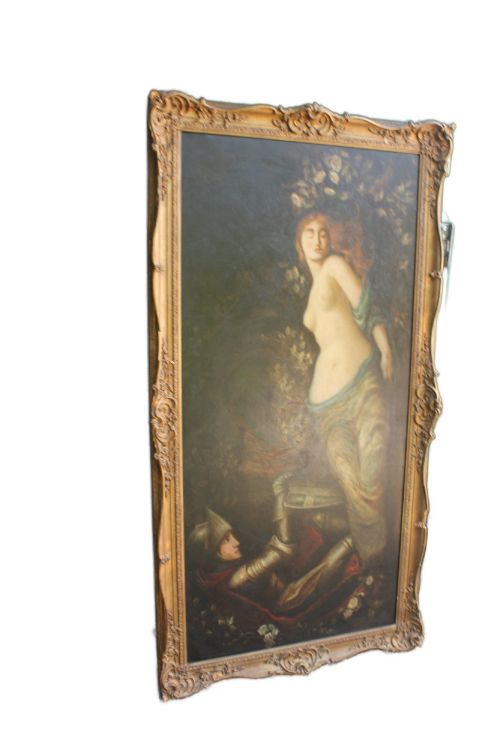
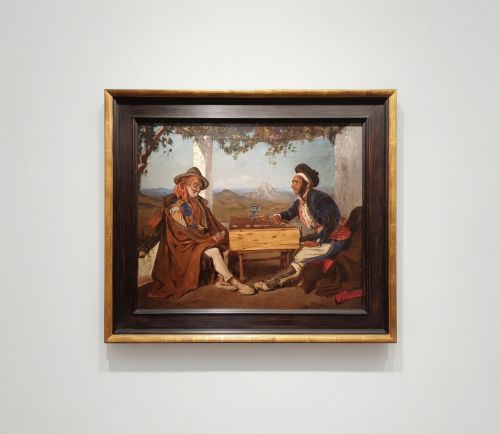
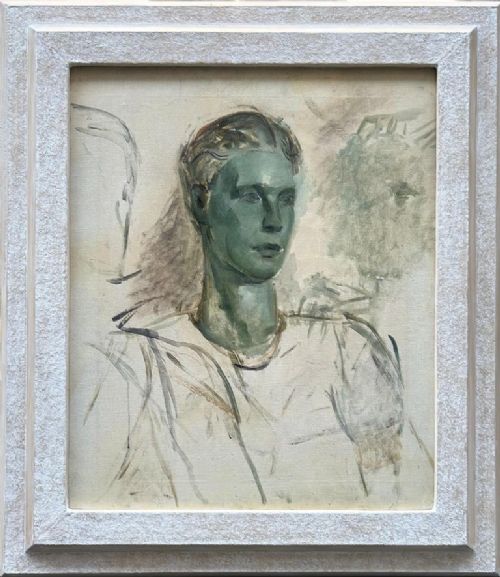
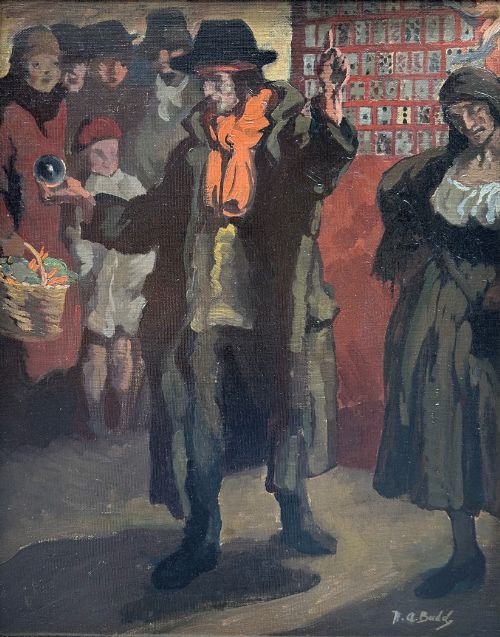
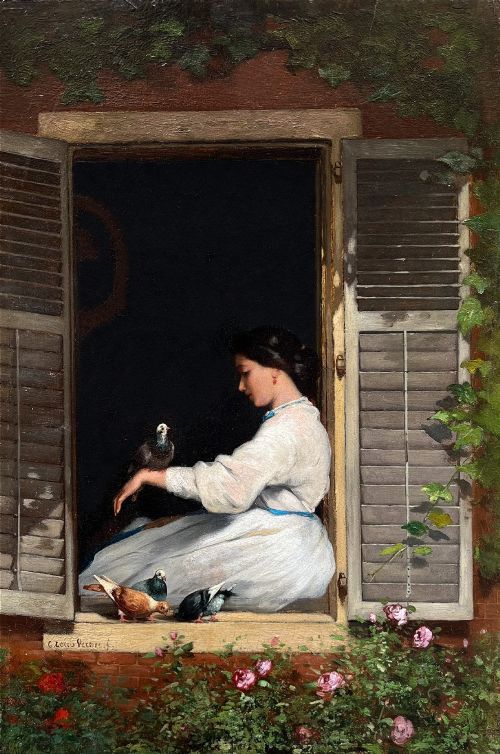
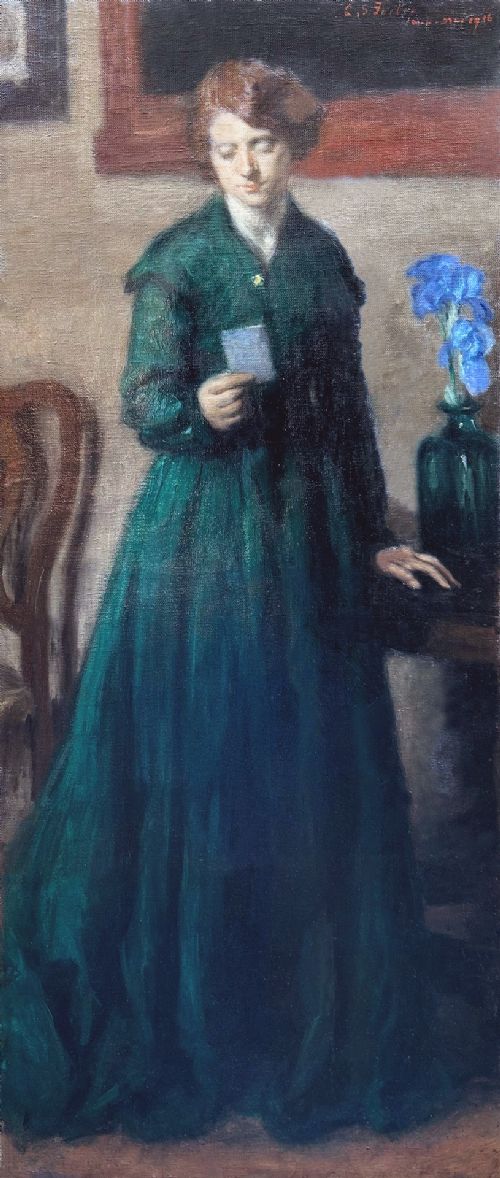
A figurative fine art painting depicts people, whether in formal portraiture, social history scenes, or quiet domestic moments. The works span from the eighteenth century through the Victorian period and into the mid-twentieth century, capturing subjects like card players, flower girls, and nudes.
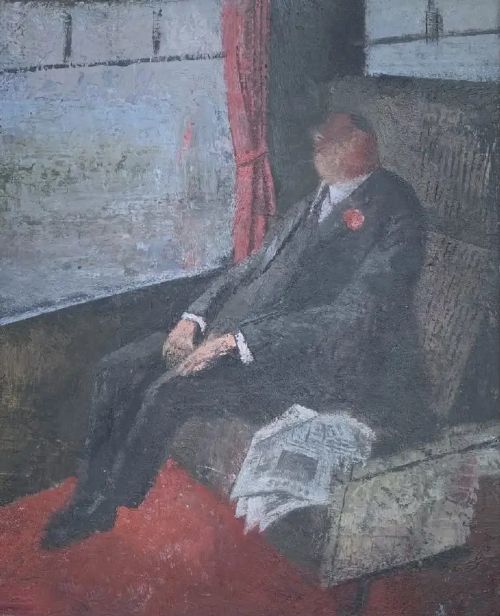
Most pieces encountered here are oil paintings on canvas or board, alongside occasional watercolours. The styles range from academic realism and pre-raphaelite works to impressionist and modern British compositions.
Originating from British, French, Italian, and Dutch schools, these pieces reflect the shifting artistic priorities of their respective periods. Buyers will find both signed works by known artists and pieces attributed to regional schools.
How They Were Made
Canvas serves as the primary support, prepared with gesso grounds before the application of oil paint. Artists utilised brushes to build up layers of pigment, creating depth in skin tones and drapery.
Many works retain their original frames, often constructed from wood with giltwood finishes. Watercolour pieces on paper or board required protective glass mounting to preserve the delicate pigments.
Listings feature works from the nineteenth and twentieth centuries, utilising oil on canvas, watercolour, and giltwood framing.
What Varies in Quality
The sophistication of brushwork and the precision of anatomical drawing separate academic and realist pieces from more hurried student studies. Mastery over light, shadow, and texture determines the visual impact of a portrait or genre scene.
Condition of the canvas and pigment stability influence the integrity of the piece. Works retaining their original giltwood frames and unlined canvases hold greater integrity for collectors.
Guido Bach·Felix Stone Moscheles·John Opie·Howard Helmick·Adelaïde Salles-Wagner·James Stroudley·Oliver Messel·Herbert Ashwin Budd·Louis Charles Verwee·Charles Stuart Forbes·James Hamilton·Henry Windsor Fry·William Oliver·Philippe de Rougemont·Charles James McCall·Umberto Volpato·Valdemar Magaard·Renato Moretti·Percy Lancaster·Philip Naviasky·Lilian Colbourn·William Watt Milne·Ronald Ossory Dunlop·Thomas Kent Pelham·Harry Brooker
The Figurative Fine Art Painting Glossary
- Genre painting
- A depiction of everyday subjects and ordinary people engaged in common activities. These scenes often tell a narrative story about domestic life or social history.
- Gesso
- A plaster mixture applied to canvas or wood panels to create a smooth, stable surface for oil painting. It ensures the pigment adheres properly to the support.
- Pre-Raphaelite
- A style associated with detailed observation, bright colours, and complex literary or symbolic themes. It emerged in the nineteenth century as a reaction against academic conventions.
- Academic Realism
- A style governed by the strict rules of European art academies, prioritising accurate anatomy, smooth brushwork, and elevated historical or mythological subject matter.
- Impressionism
- A movement focusing on the depiction of light and its changing qualities, often utilising visible brushstrokes and unblended pigments.
Figurative Fine Art Painting: Frequently Asked Questions
What is a figurative fine art painting?
A figurative fine art painting is a work centered on the human form, ranging from individual portraits to crowded genre scenes of daily life. These pieces emphasise human interaction, expression, and narrative.
They offer a window into past societies, recording the clothing, environments, and social attitudes of eras from the eighteenth century to the mid-twentieth century.
How do I identify a Victorian oil painting?
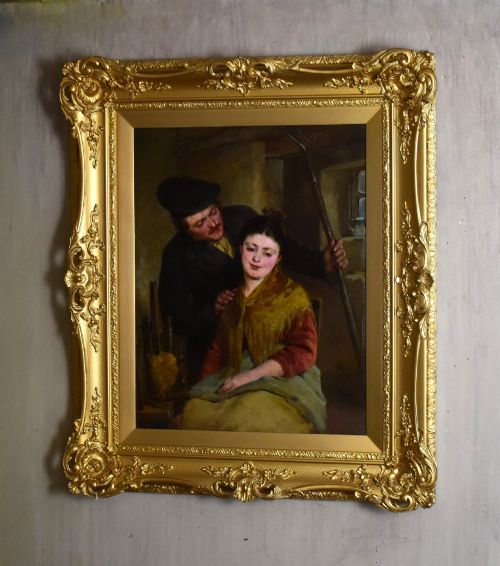
Victorian oil paintings often feature rich storytelling, moral narratives, or highly detailed realism. The subjects frequently include peasant figures, domestic interiors, or literary scenes rendered on canvas.
Examining the canvas preparation, framing style, and artist signatures helps confirm the period context alongside historical records.
Where should I hang an antique oil painting?
Antique oil paintings require placement away from direct sunlight and excessive moisture to protect the canvas and pigment. Stable indoor temperatures prevent the gesso and wood framing from warping.
Displaying them on interior walls with appropriate picture lighting allows the brushwork and detail to be appreciated without risking environmental damage.
What is the difference between genre painting and portraiture?
Portraiture focuses on recording the likeness and identity of a specific individual, often commissioned by the sitter or their family. Genre painting depicts anonymous people engaged in everyday activities or storytelling moments.
While portraits prioritize character and status, genre paintings emphasise mood, action, and social observation within a fictionalised or domestic setting.