


Historical Artist Portrait Painting
A historical artist portrait painting records the likeness of creators and sitters through centuries of oil on canvas, watercolour, and paper.
Historical Artist Portrait Painting
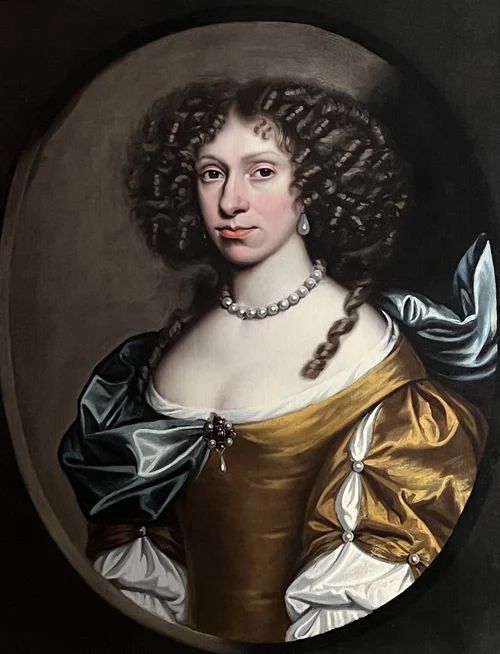
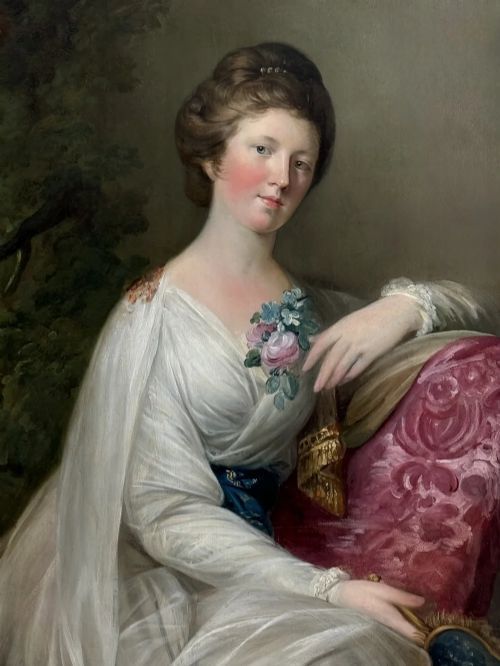
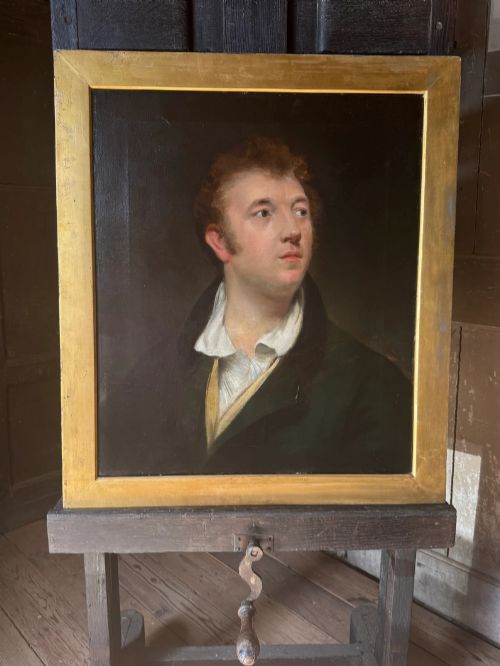
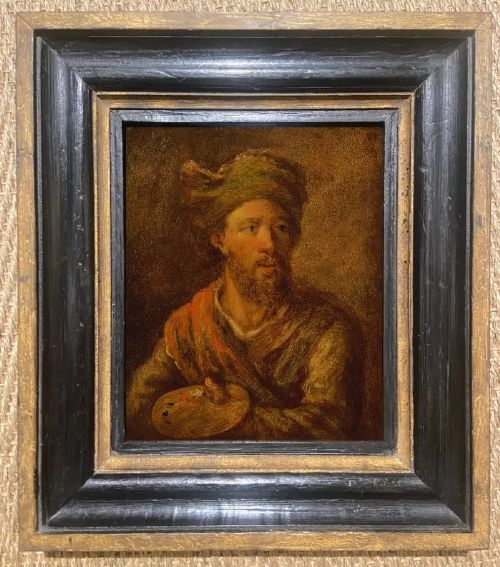
A historical artist portrait painting captures the physical likeness of significant figures, artists, and sitters across periods from the seventeenth century through to the mid twentieth century. These works take the form of oil paintings, canvas works, portrait miniatures, and works on paper created by various named masters and schools.
The selections available here range from seventeenth century British school self portraits and eighteenth century oil works to Regency watercolours and Edwardian and mid twentieth century compositions. Buyers encounter framed canvas panels, delicate miniatures, and paper studies depicting subjects ranging from political economists to emperors.
These historical pieces reflect stylistic shifts spanning Baroque, Rococo, Georgian, Regency, Victorian, and nineteenth century realism. Each portrait provides a direct visual link to past societies, capturing individuals within their studios, at desks, or in historical costume.
What varies in quality
The condition and integrity of the original canvas, paper, and pigment layers distinguish finer survivals from works experiencing heavy restoration or surface degradation over the centuries.
One subject appears proudly in full fancy dress costume for a painted portrait miniature.
DAVID SCOUGALL·GEORGE WILLISON·JAMES HOWE·Susie Lassam·Frederick Christian Lund·Balthasar Denner·Thomas Robson·Geoffrey Robert Russell·Joseph Clover·Edward Bainbridge Copnall
The Historical Artist Portrait Painting Glossary
- Oil on Canvas
- A painting medium where pigments bound in drying oil are applied to a stretched woven fabric support. This combination allowed artists to achieve rich tonal gradations and lasting durability.
- Portrait Miniature
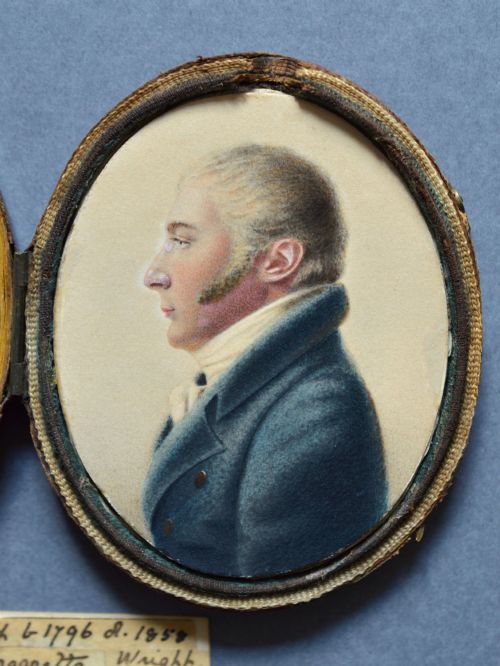
- A small, highly detailed painting executed on materials such as paper, vellum, or card. These intimate works were frequently carried on the person or kept in specialised protective cases.
- Baroque
- An artistic style prevalent during the seventeenth and early eighteenth centuries characterised by drama, deep shadow, and exuberant detail. Works from this period employ intense contrast to create theatrical presence.
- Regency
- A British stylistic period spanning the early nineteenth century noted for classical elegance and restrained neoclassical portraiture. Paintings from this era often depict sitters with clear, linear precision.
- English School
- A designation applied to works produced by artists working within Britain whose specific individual hand remains unidentified or attributed broadly. This term groups stylistic traditions shared across generations of local painters.
Historical Artist Portrait Painting: Frequently Asked Questions
What is a historical artist portrait painting?
A historical artist portrait painting is a visual record of an individual created using mediums such as oil on canvas or watercolour during past centuries. These works document the appearances of sitters, artists, and public figures.
They reflect the artistic styles and portraiture traditions of periods ranging from the seventeenth century through to the mid twentieth century.
How are different periods identified in these portraits?
Periods are identified through clothing styles, framing techniques, painting materials, and stylistic conventions characteristic of eras like the Regency or Edwardian periods. Signatures, inscriptions, and artist dates provide further chronological placement.
Examining the preparation of the canvas or paper also helps determine the historical context of the work.
What materials were used for portrait miniatures?
Portrait miniatures were typically painted on paper, card, or vellum using delicate watercolours or gouache. They often featured hand-painted details capturing intricate costume and likeness on a small scale.
Artists signed and dated these intimate pieces to record the year of creation.
How should these paintings be displayed?
These paintings should be displayed away from direct sunlight and severe humidity fluctuations to protect the canvas, paper, and oil pigments. Maintaining a stable environment preserves the original materials.
Proper framing ensures the work remains supported and shielded from environmental wear.