
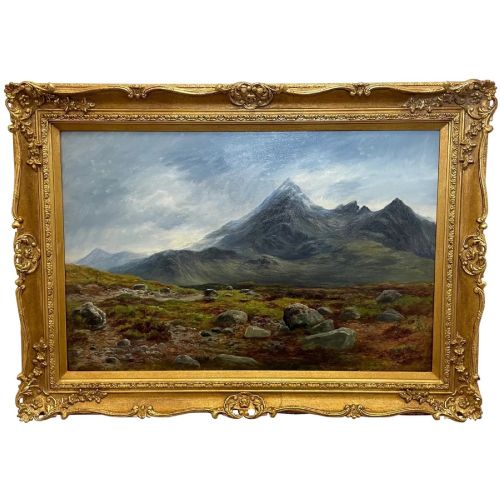

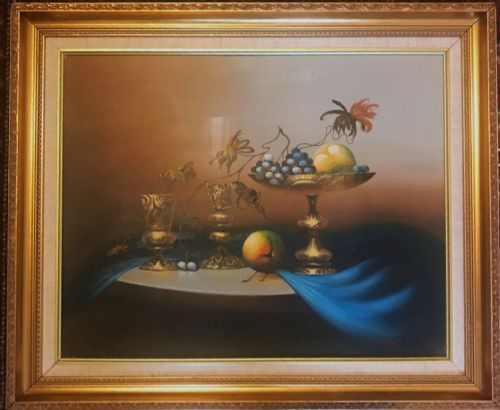
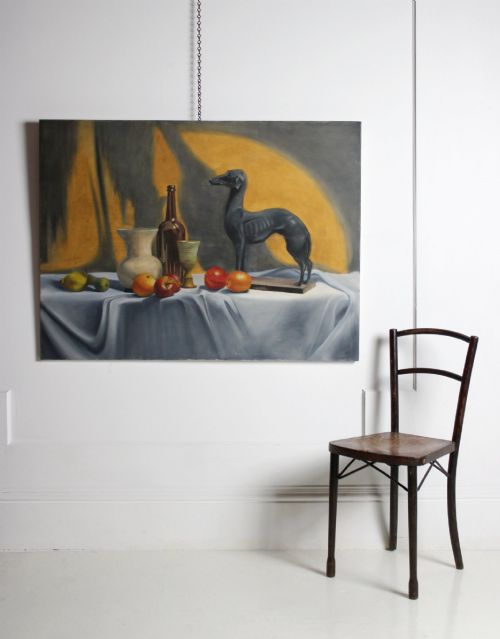
Oil Paint on Canvas
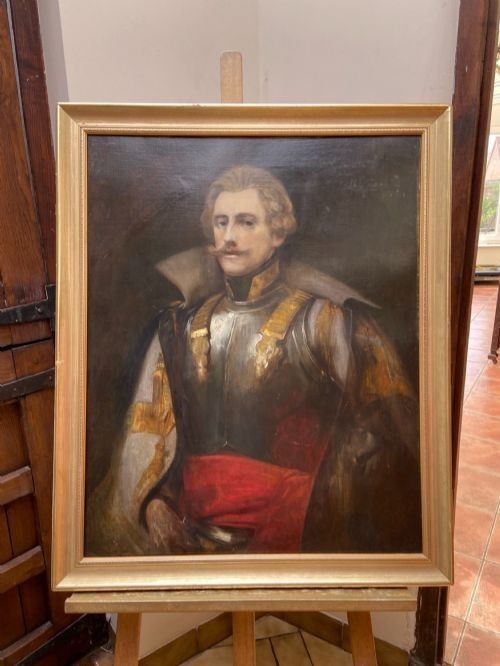
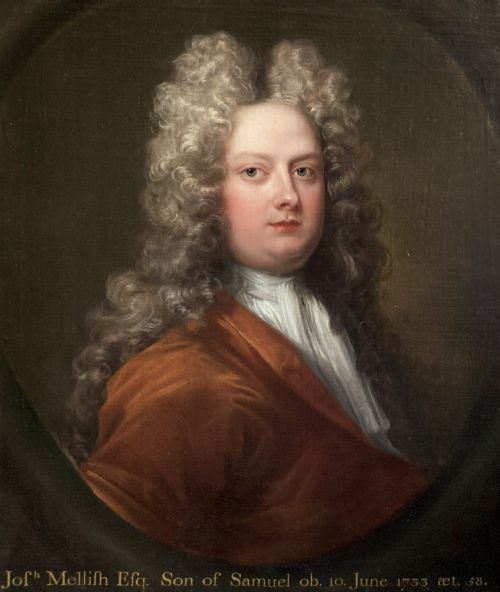
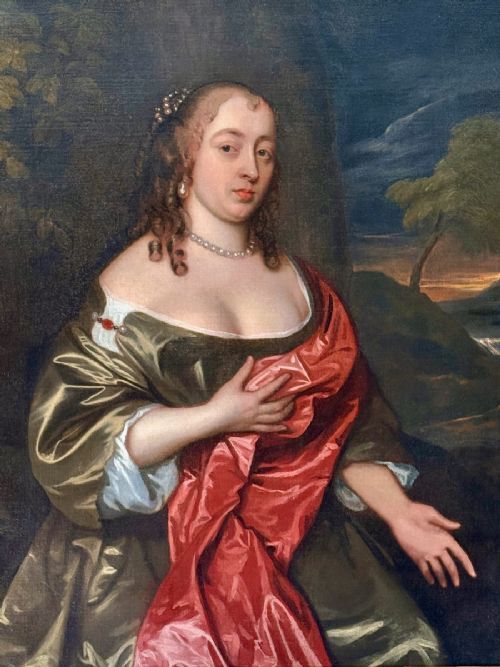
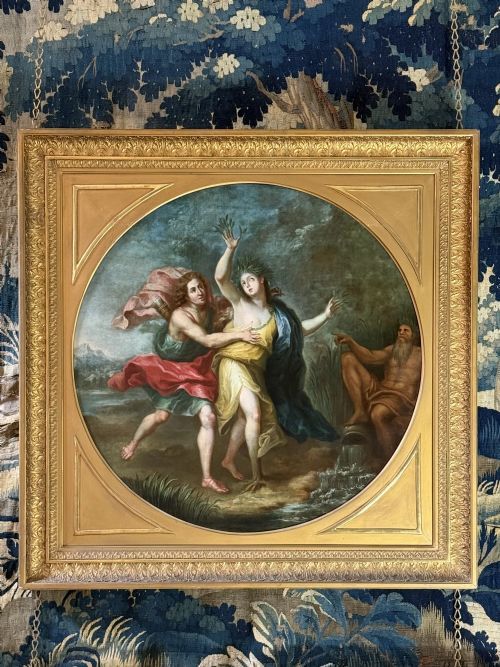
These oil paint on canvas works span centuries of portraiture, landscape and still life, offering collectors historic depth and hand-painted artistry.
Oil Paint on Canvas
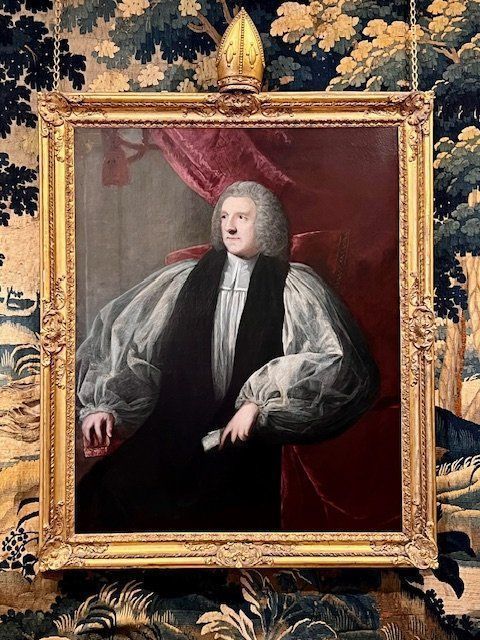
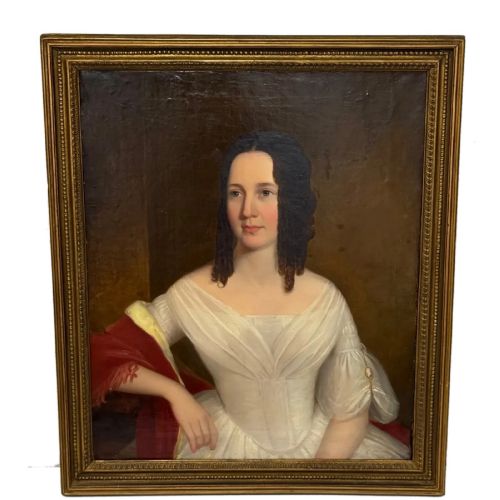
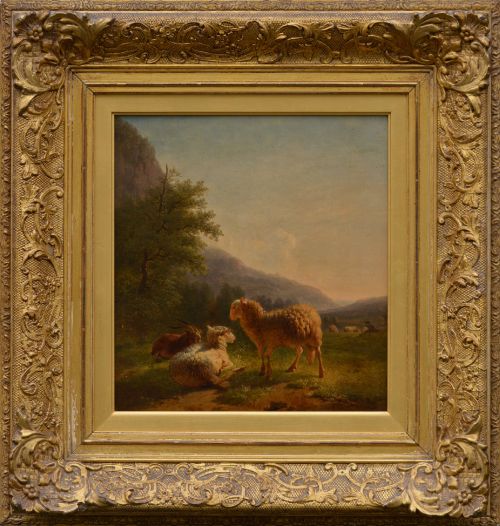
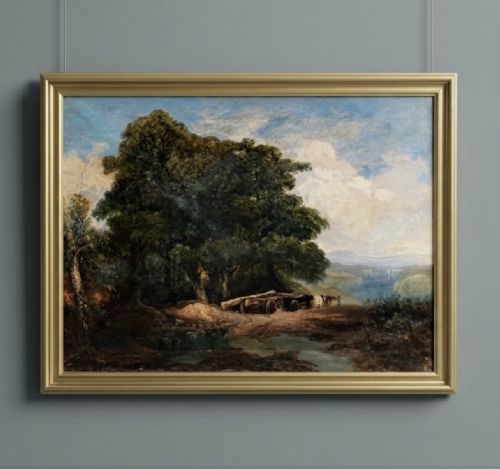
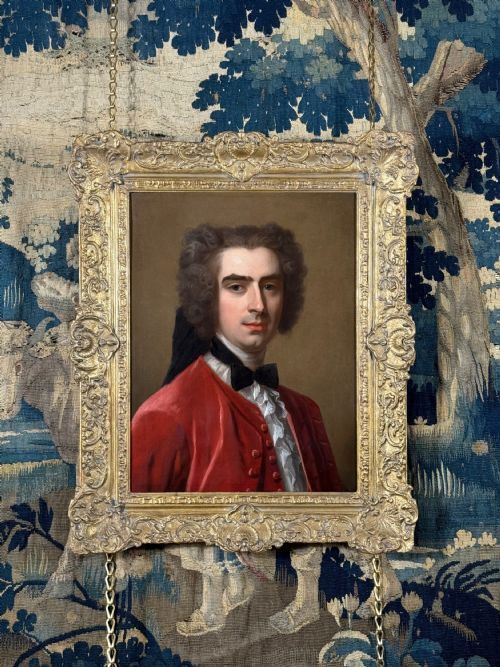
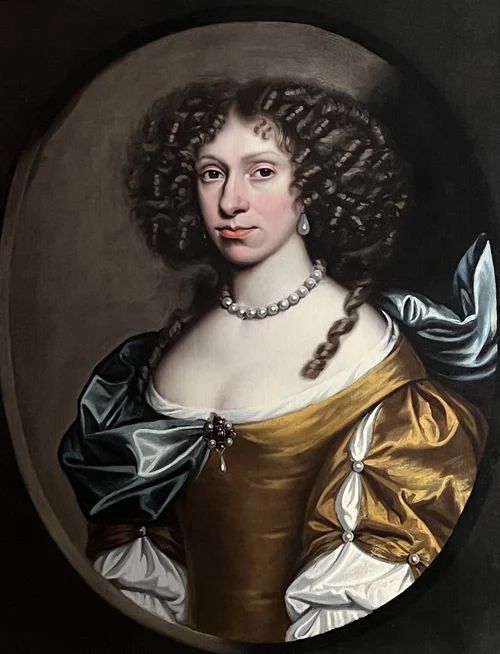
When you search for oil paint on canvas, you encounter centuries of historic canvas works ranging from grand 17th-century portraits to 20th-century landscapes and still lifes. These pieces capture aristocratic sitters, pastoral scenes, maritime views and devotional subjects through the enduring medium of applied pigments. On this page, you are most likely to meet 19th-century British landscapes and formal portraiture alongside earlier Old Master pieces.
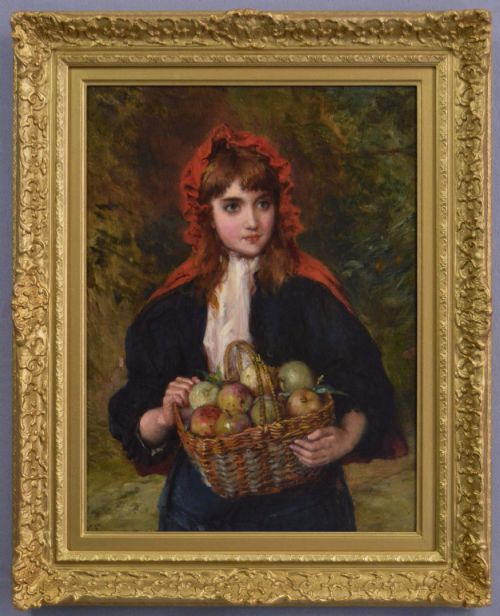
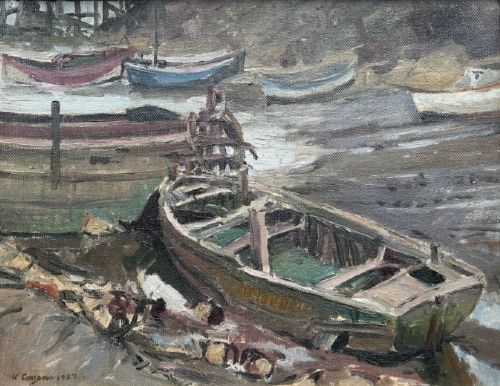
The diverse inventory covers everything from monumental social history paintings to intimate domestic scenes and botanical fruit studies. Artists from various British and European schools utilised the canvas surface to build deep layers of colour, tone and texture. Whether you examine a seventeenth-century noblewoman or a mid-twentieth-century industrial river view, each work represents a distinct window into its period of creation.
Collector interest spans multiple genres, uniting maritime seascapes, equine portraits, tavern scenes and classical mythological narratives under one traditional heading. The survival of these canvases depends upon past conservation and original stretcher framing, preserving the touch of makers ranging from celebrated portraitists to regional painters.
How they were made
These works rely on stretched canvas grounds, prepared with priming layers to receive traditional oil paints composed of pigments bound in oils such as linseed. Painters built compositions through successive applications of glaze, impasto and wash, allowing the flexible textile support to hold heavy layers of pigment.
Wooden stretchers and frames complete the construction, securing the woven textile under proper tension while giltwood mouldings provide structural protection and aesthetic boundary. Over the centuries, certain works underwent relining where older canvases were adhered to new supports to ensure structural longevity.
Oil Paint on Canvas Retail Price Guide 2026
Typical asking prices for oil paint on canvas among the pieces listed under this phrase on Sellingantiques today, from the lower quarter to the upper quarter. They describe what is for sale here now, not the wider market.
The listings on this site span seventeenth-century portraits, nineteenth-century British landscapes, and mid-twentieth-century maritime scenes.
What varies in quality
Quality in these works rests upon the precision of draughtsmanship, the expressive handling of the brush and the anatomical accuracy found in figures or animals. Superior examples demonstrate a confident command of light, shadow and atmospheric depth, whereas lesser works may show stiff proportions or hesitant linework.
The preservation of the original paint surface dictates distinction, separating untouched historic pigment layers from heavily retouched or compromised areas. Original period framing, signed attributions and well-documented provenance further elevate the standing of a canvas within the surviving record.
Charles Jervas·Sir Joshua Reynolds·Eugène Verboeckhoven·Sir Peter Lely·Jonathan Richardson the Elder
The Oil Paint on Canvas Glossary
- Impasto
- Paint applied thickly to a canvas, standing out in relief from the surface so that the marks of the brush or palette knife remain clearly visible. This technique adds tactile dimension and captures light dynamically across the painted scene.
- Provenance
- The chronological record of ownership, custody or location of a historical historical painting. A well-established chain of provenance authenticates the piece and links it securely to past collections.
- Relining
- A conservation method where a deteriorated historic canvas is attached to a secondary new canvas support using heat and adhesive. This process reinforces fragile textiles and stabilizes flaking paint layers.
- Stretcher
- A wooden framework over which the artist's canvas is fastened and pulled taut. Traditional corner keys allow the wood frame to be expanded slightly to maintain proper textile tension.
- Old Master
- A term describing a European painter of skill who worked before about eighteen hundred. These pieces carry historical weight and traditional academic training from established continental schools.
Oil Paint on Canvas: Frequently Asked Questions
How do I date an old canvas?
Dating relies on examining the weave of the textile, the construction style of the wooden stretcher frame, and the chemical composition of the ground layers. Stylistic clues within the clothing, hair and background details of portrait subjects also provide reliable chronological markers.
Secondary evidence such as old exhibition labels, maker stamps on the canvas reverse, and framing methods help narrow down the exact period of creation. Comparing the brushwork against documented examples by known regional schools completes the attribution process.
What is the difference between panel and canvas?
Canvas provides a flexible woven textile support that can be produced in much larger dimensions than traditional wooden panels. This flexibility allowed artists to roll works for transport and build up heavy impasto textures without risking rigid panel splitting.
Wooden panels remain rigid and typically indicate earlier production dates or specific regional traditions such as early Flemish or Dutch works. Over time, panels are prone to warping and splitting, whereas properly maintained canvas flexes with environmental humidity changes.
Why are some canvases relined?
Relining addresses the natural degradation of the original woven textile support caused by age, tension loss, and fluctuating environmental humidity. Attaching the fragile historic canvas to a fresh support layer provides essential structural stability for heavy pigment layers.
This conservation treatment prevents tearing, flaking, and sagging across large historical compositions. While traditional wax-resin relining is now used cautiously by modern conservators, historical relinings are a standard part of a canvas's physical history.