




Antique Oil Painting Landscape
These antique oil painting landscape works capture pastoral views and rural scenes, offering collectors a tangible connection to nineteenth and early twentieth-century artistry.
The Nature of Antique Oil Painting Landscape Works
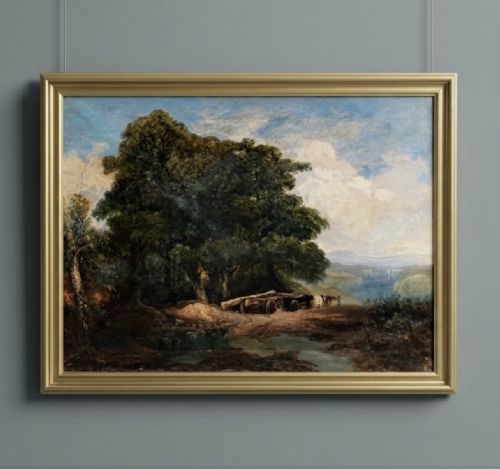
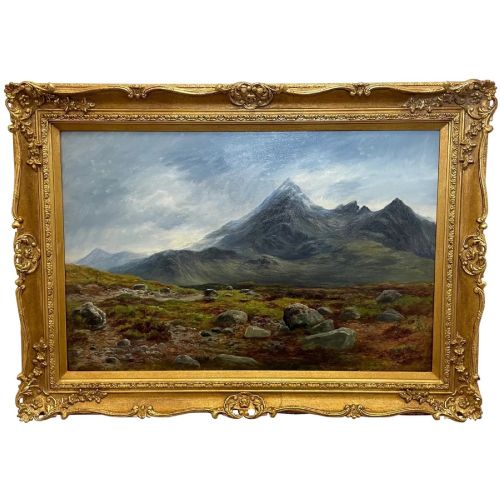
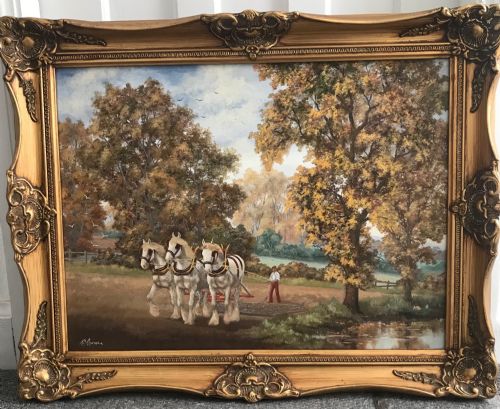
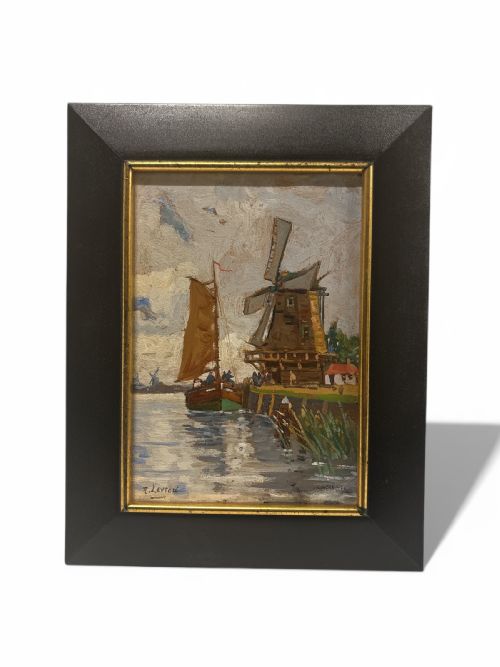
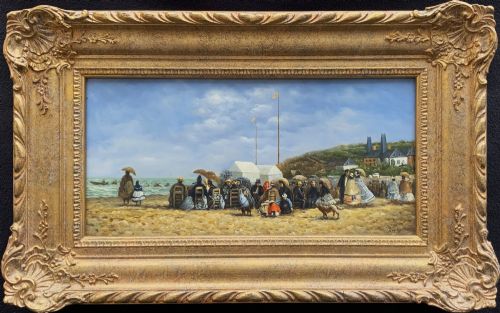
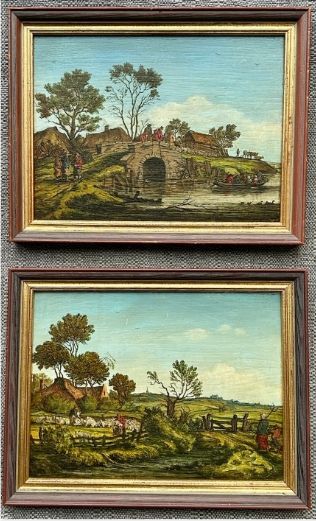
An antique oil painting landscape portrays natural scenery, rural countryside, coastal views, and river banks produced across the nineteenth and early twentieth centuries. These works include depictions of Scottish highlands, English cottages, mills, and pastoral settings framed in period mouldings.
The versions most commonly met on this page span the Victorian era, the Edwardian period, and the early decades of the 1900s. Examples range from small boards and wood panels to larger canvases, often housed in original giltwood frames.
Motive subjects vary from tranquil river locks and rural farmyards to mountainous terrain and winter scenes. Artists recorded both British landscapes and continental European vistas during these periods.
Materials and Techniques
Painters applied oil paint to various supports including stretched canvas, wooden panels, board, and canvas laid onto board. These surfaces were prepared with grounds to receive the oil pigments.
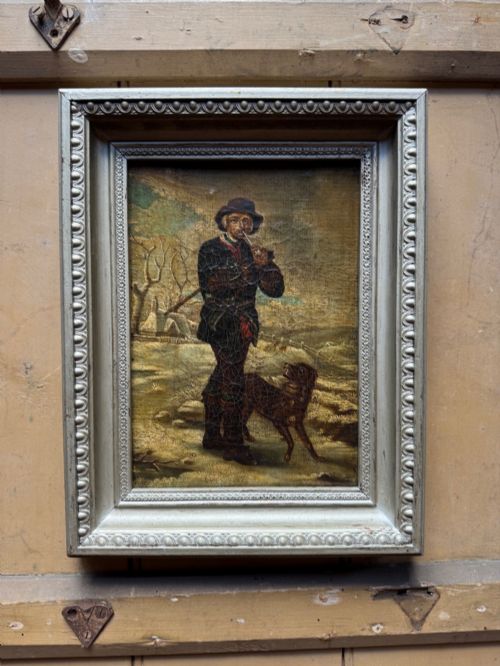
Many works retain their original giltwood frames, which incorporate carved or moulded wood embellished with gilt finishes. The combination of oil medium and supportive wood or canvas grounds allowed artists to build rich textures and tonal depths.
Retail Price Guide 2026
Typical UK retail prices for oil painting landscape, calculated from the Sellingantiques database of over a million retail prices indexed since 2003. This retail price guide relies exclusively on Sellingantiques data; no external sources or auction records are used, so the figures do not describe the wider market.
Some cows and sheep permanently graze in perpetual Victorian pastures while ducks paddle endlessly toward thatched cottages.
Distinctions in Quality
Quality rests in the handling of light, atmospheric perspective, and the deftness of brushwork across the landscape. Superior examples demonstrate a confident command of colour and composition that brings depth to the scenery.
The integrity of the surface and the preservation of the original giltwood frame influence the overall standing of a piece. Stronger works maintain their original pigment vibrancy without heavy overpainting.
Thomas Baker of Leamington·Abraham Hulk Junior·Henri Jaques Delpy·Ferdinand E Gröne·Robert Gallon·Heinrich Gogarten·Andrew Kurtis·Oscar Perlasca·Anthony Graham·James Baker Pyne·Robert T Stuart·James Fenton·Rudolf Giffinger·Frank Walton·Peder Knudsen·Nicolas Victor Fonville
The Antique Oil Painting Landscape Glossary
- Canvas
- A closely woven fabric stretched across a wooden frame to serve as a painting surface. It provides a flexible and durable ground for oil pigments.
- Giltwood
- Wood that has been coated with gold leaf or a gold-coloured metallic finish. It frequently frames period paintings to enhance their visual depth.
- Board
- A rigid flat substrate used as an alternative to canvas for painting. Artists frequently utilised wooden or composition boards for smaller works.
- Barbizon School
- A nineteenth-century French movement focused on naturalistic landscape painting. Practitioners worked closely from direct observation of nature.
Frequently Asked Questions
What periods do these paintings date from?
The pieces span the nineteenth century, the Victorian era, the Edwardian period, and into the early twentieth century around nineteen twenty.
Dates are determined by stylistic markers, framing methods, and recorded artist timelines found in the historical archive.
What surfaces were used for these landscapes?
Artists utilised oil paint on stretched canvas, wooden panels, and flat boards. Canvas laid onto board also appears among the surviving works.
These varied supports allowed painters to work on both large gallery scales and smaller portable formats.
How are original frames identified?
Original frames are typically constructed from wood with giltwood finishes that match the age and style of the painting. They show appropriate wear and period construction techniques.
Many frames feature moulded or carved decorative elements characteristic of Victorian and Edwardian craftsmanship.
Which regional scenes appear most often?
British countryside views, Scottish highlands, and river scenes in England feature prominently across the collection. Continental European landscapes also appear alongside domestic subjects.
These scenes reflect the popularity of pastoral, coastal, and topographical subjects among artists of the period.