
18th Century Lady Painting
An 18th century lady painting captures the elegance and character of Georgian aristocracy, offering buyers a genuine window into historical portraiture.
18th Century Lady Painting
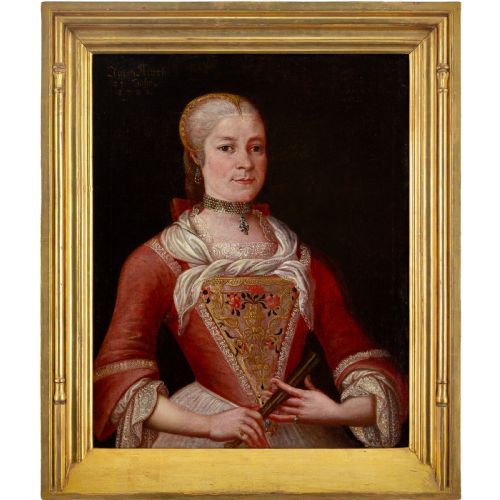
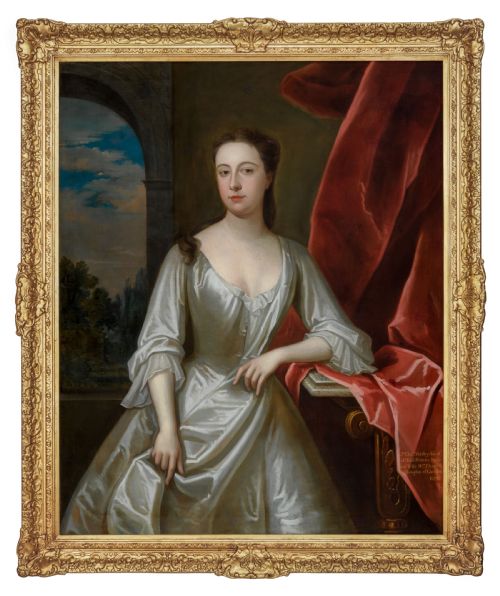
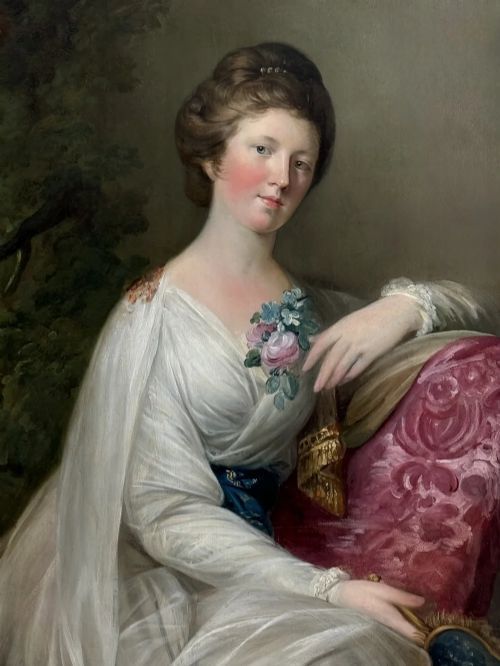
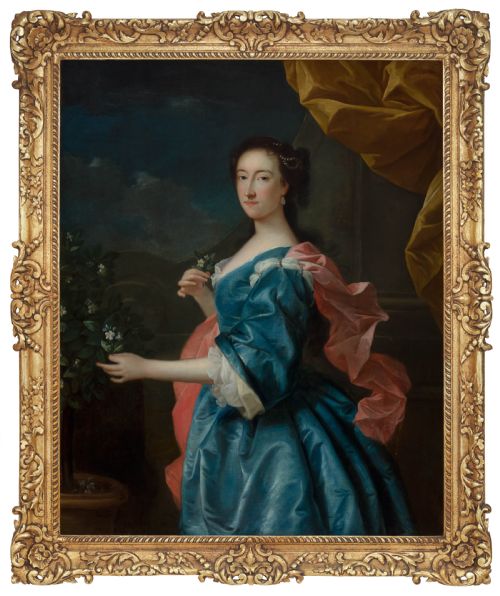
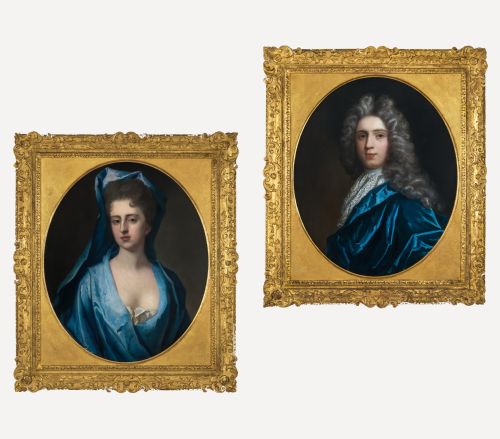
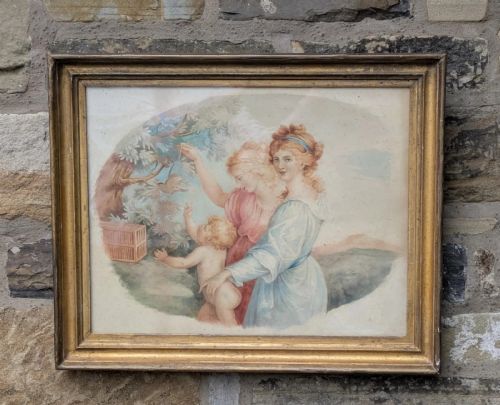
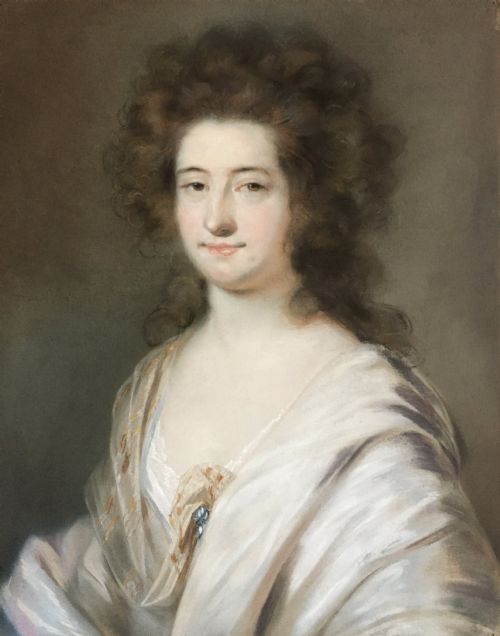
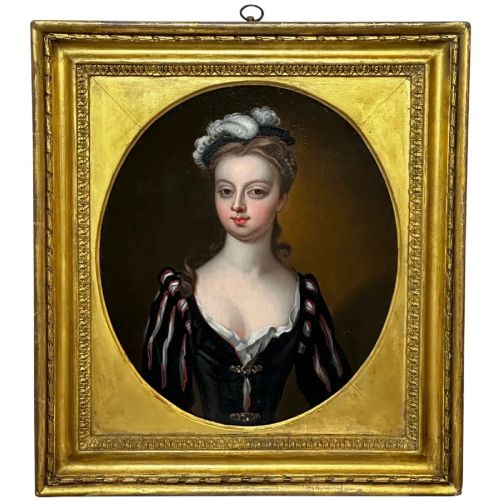
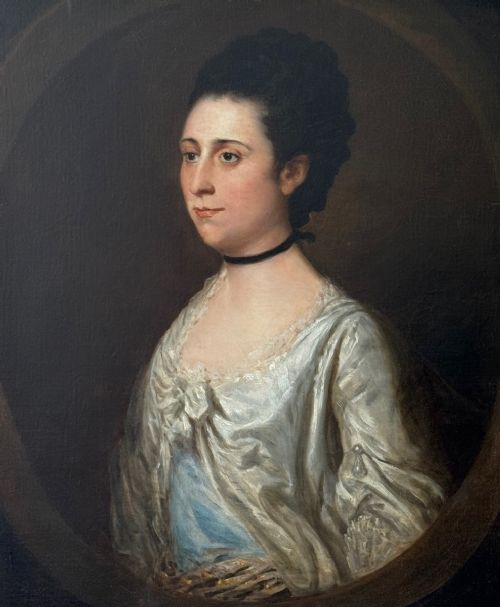
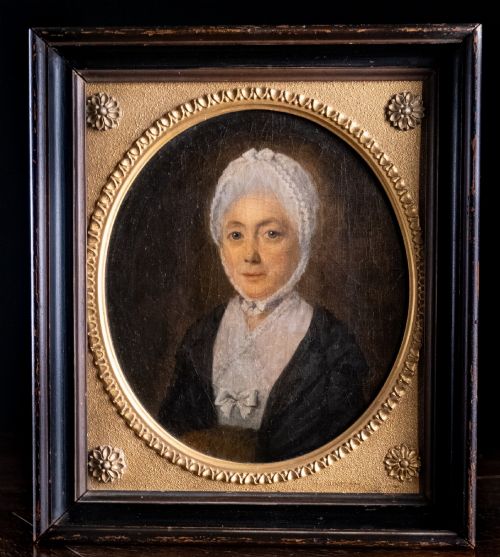
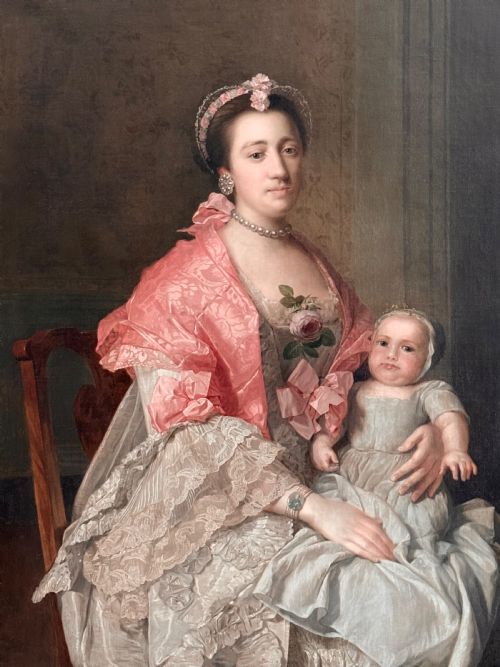
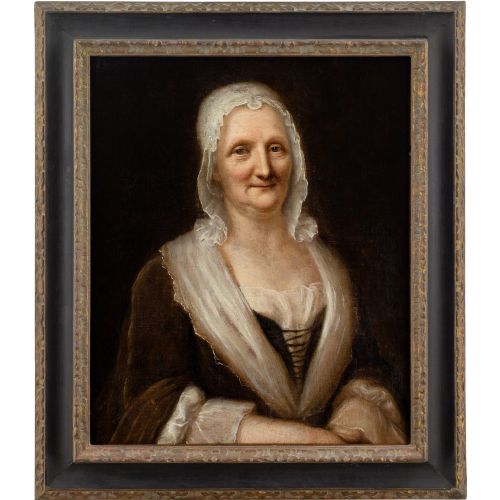
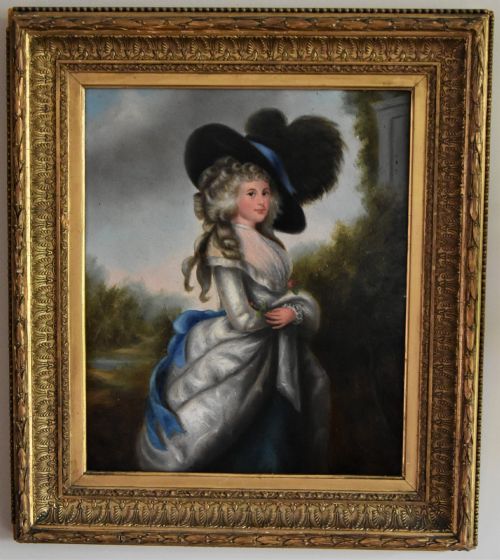
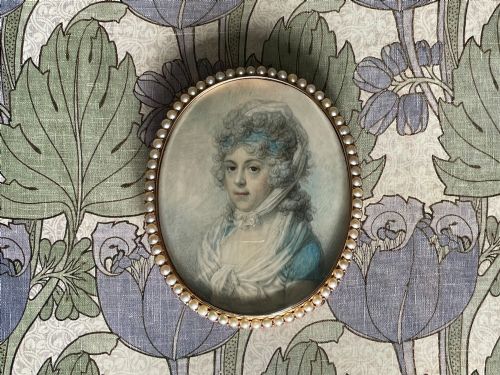
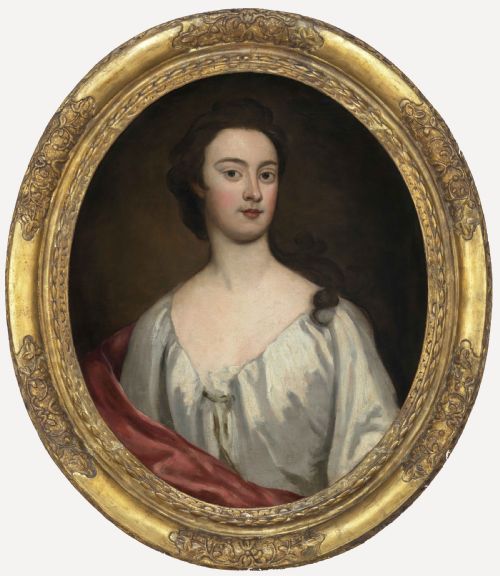
An 18th century lady painting typically depicts elite female subjects in formal or semi-formal attire, rendered during the Georgian and Regency periods. The selection on this page centres primarily on oil on canvas portraits, accompanied by intimate portrait miniatures and delicate watercolours.
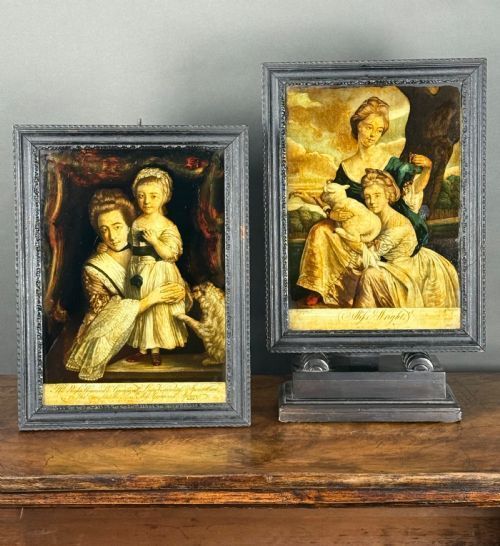
Buyers frequently encounter works attributed to British and European schools, ranging from grand oils in giltwood frames to smaller pastel studies and reverse glass mezzotints. These pieces capture sitters in landscapes, interiors, or posed with symbolic items such as flowers and orange blossoms.
Regional variations appear alongside mainstream British pieces, including Bavarian, French, and Danish school works that reflect continental portrait traditions. Collectors also find occasional porcelain figurines depicting female subjects from the same era.
How They Were Made
Artists built these works primarily using oil paint applied to stretched canvas or wooden panels, often finishing them with protective layers of varnish. Watercolour and pastel on paper served for smaller, more intimate studies and miniatures.
Frames played an integral structural and aesthetic role, utilising carved wood, gesso, and gold leafing to complete the presentation. Specialised techniques such as reverse glass printing also occur in the historic record.
18th Century Lady Painting Retail Price Guide 2026
Typical asking prices for 18th century lady painting among the pieces listed under this phrase on Sellingantiques today, from the lower quarter to the upper quarter. They describe what is for sale here now, not the wider market.
Listings feature works spanning the 17th century through the Edwardian period, with a strong concentration in Georgian oils on canvas.
What Varies in Quality
Originality of the supporting frame, particularly period giltwood or ebonised surrounds, contributes significantly to the historical integrity of the piece. The strength of attribution and provenance documentation further elevates certain portraits above standard school works.
Sir Godfrey Kneller·George Willison·Jeremiah Davison·Michael Dahl·Thomas Murray·John Russell·John Vanderbank·Thomas Beach·Sir Allan Ramsay·Henry Pickering·Adriana Verelst·James Maubert·Joseph Highmore·William Naish·Nicolas Freese·Sir Joshua Reynolds·Nicolas Fouché·Thomas Hudson·William Shuter
The 18th Century Lady Painting Glossary
- Portrait miniature
- A small, highly detailed painting executed on vellum, ivory, or card, frequently housed in a protective frame. These intimate works were often worn as jewellery or kept in custom leather cases.
- Giltwood
- Wood that has been coated with a thin layer of gold leaf over a prepared gesso ground. This material was standard for framing high-status Georgian artwork.
- Mezzotint
- A printmaking process of the print genre where the artist works from dark to light by roughening the copper plate. Reverse glass examples involve applying the printed image directly to glass before painting.
- Attributed to
- A term used when a work is not signed but stylistic evidence links it closely to a specific artist. It denotes strong scholarly consensus regarding the creator's hand.
18th Century Lady Painting: Frequently Asked Questions
What is an 18th century lady painting?
These works are historic portraits depicting women of status, usually created in oil on canvas, pastel, or watercolour during the Georgian era. They serve as historical records of fashion, social standing, and portraiture conventions.
Subjects are frequently shown in pastoral settings or domestic interiors, posed individually or with family members, reflecting the artistic tastes of the period.
How were these paintings displayed originally?
Portraits of this scale hung in the grand reception rooms, galleries, and private chambers of country houses and town residences. They were commissioned to display lineage, wealth, and social connections.
Smaller miniatures and watercolours were kept in private rooms, carried on the person, or housed in specialised display cabinets alongside other valuables.
How do I live with an antique portrait?
Integrating these pieces into modern spaces works best by pairing historic giltwood frames with neutral walls or placing them alongside contemporary furnishings. Proper placement avoids direct sunlight to protect delicate oil pigments and watercolours from fading.
Maintaining stable room temperature and humidity keeps both the canvas and the wooden stretcher bars from warping over time.
How can I tell periods apart?
Early examples often feature heavy drapery, formal postures, and rigid clothing styles reminiscent of the late seventeenth and early eighteenth centuries. As the century progressed towards the Regency period, lighter palettes, softer fabrics, and more natural poses became common.
Examining the canvas preparation, stretcher construction, and frame style provides additional physical clues for dating a work accurately.