



Antique European Portrait Art
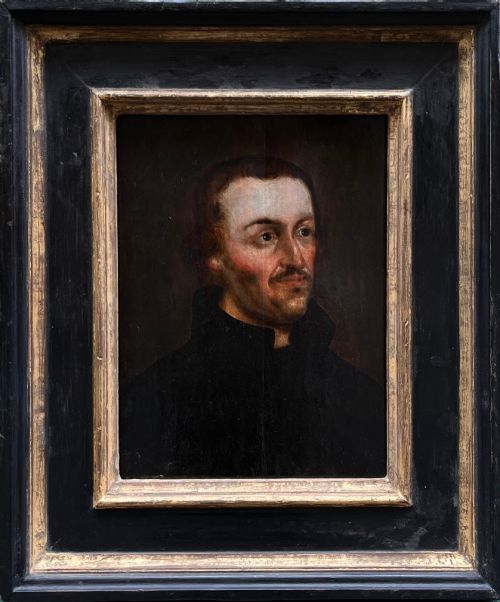
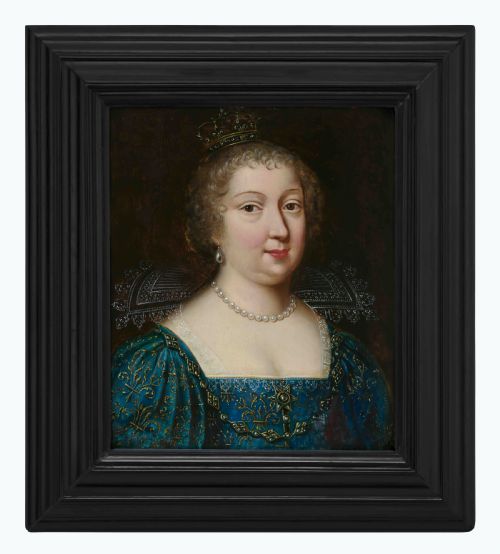
Antique european portrait art captures the likenesses of past centuries through oil paint and carved marble.
Antique European Portrait Art
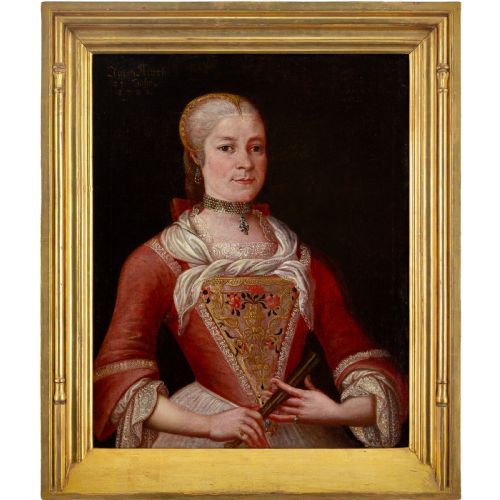
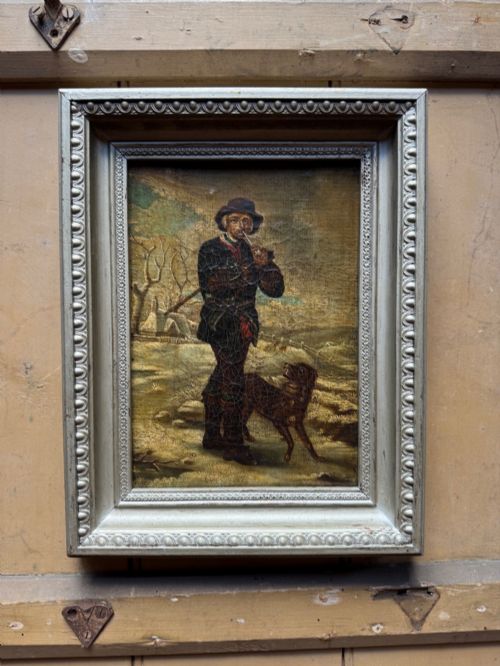
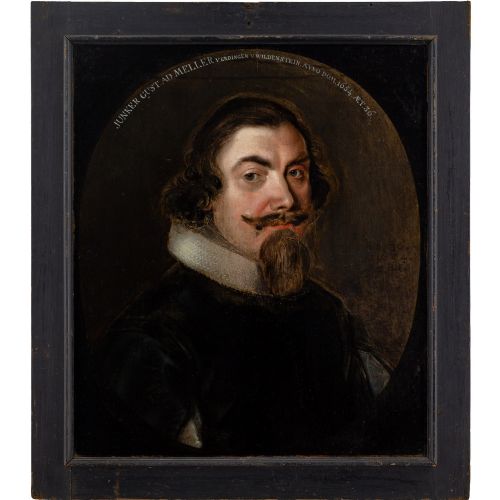
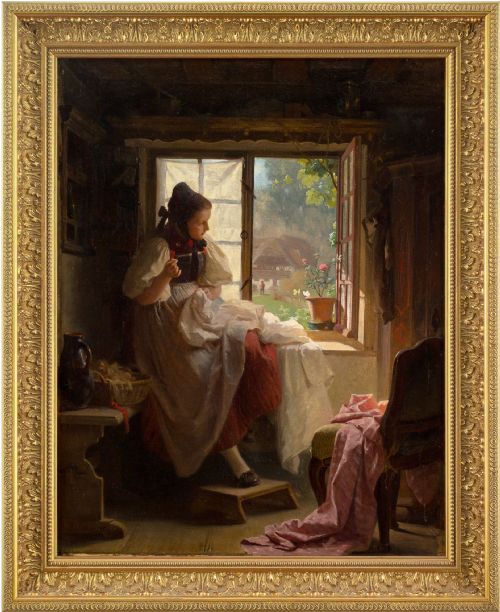
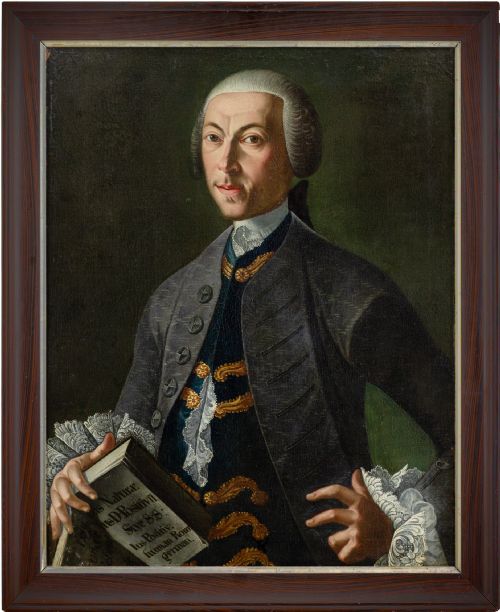
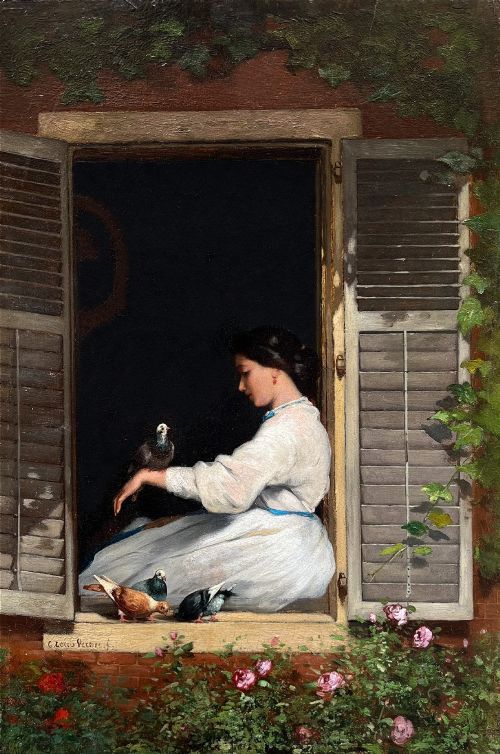
Antique european portrait art spans the seventeenth, eighteenth, and nineteenth centuries, featuring works from diverse continental schools. Buyers encounter formal aristocratic likenesses alongside informal studies of children and peasants.
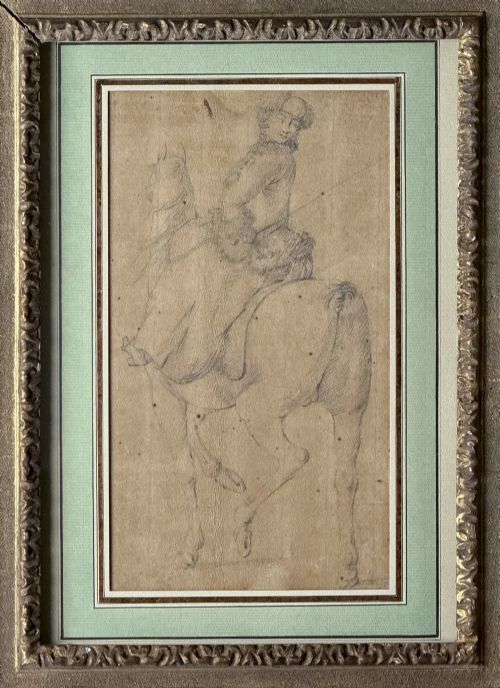
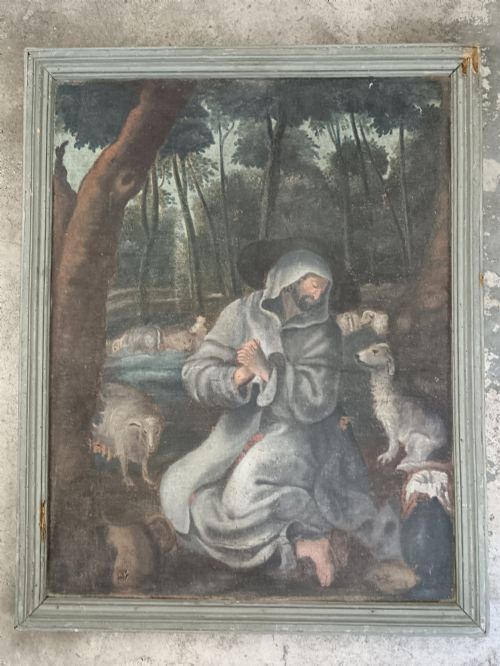
Oil paintings dominate the selections, executed on canvas, wood, or panel substrates. Sculptural pieces in carved marble and framed drawings also appear among the offerings.
Regional workshops from Germany, Austria, Flanders, and Italy provide the majority of the works. Painters often remain anonymous, classified under broad continental school designations.
Materials and methods
Artists relied primarily on oil paint applied to canvas, wood panels, or copper tin supports. Pigments were built up in layers to achieve depth in skin tones and garments.
Gesso and giltwood frames frequently complement the canvases, providing ornamental surrounds appropriate to the period of creation. Sculptural portraits utilise carved marble shaped with hand tools.
Several portraits feature subjects captured mid-action, including a boy tapping a barrel and children gardening.
Assessing quality
The preservation of the original paint layer and the authenticity of the associated period frame influence the standing of an individual piece.
Max Kaltenmoser·Louis Charles Verwee·Frans Gailliard·Jules Rambo·Henri and Charles Beaubrun·Jean Hippolyte Marchand·Wilhelm Alexander Meyerheim
The Antique European Portrait Art Glossary
- Pentimento
- An alteration in a painting evidenced by traces of previous work showing through. This occurs when an artist changes their composition during the painting process.
- Giltwood
- Wood that has been coated with a thin layer of gold leaf or powder. This finish is common on antique picture frames.
- Gesso
- A paint mixture consisting of a binder mixed with chalk, gypsum, or pigment. It serves as a prepared surface for painting.
- School
- A group of artists sharing a similar style, time period, or geographic origin. Many historical paintings are attributed to regional schools rather than named individuals.
Antique European Portrait Art: Frequently Asked Questions
How do I date an antique portrait?
Dating relies on stylistic clues, costume details, and the physical construction of the canvas support or frame. Hair styles and clothing fashions offer reliable markers for specific decades.
Written inscriptions on the reverse of the canvas or panel occasionally provide specific dates or identify the sitter.
What is a continental school painting?
A continental school designation refers to artwork created in mainland Europe rather than Britain. These pieces often reflect the artistic traditions of regions such as Germany, Austria, or Italy.
Such works lack a confirmed individual attribution but share technical characteristics with regional workshops of the period.
How should I care for oil portraits?
Keep oil paintings away from direct sunlight and fluctuating temperatures to prevent canvas warping and pigment degradation. Gentle dusting with a soft, dry brush maintains the surface.
Avoid using water or chemical cleaners on the paint layer or the antique frame.
What is the difference between panel and canvas portraits?
Panel portraits utilise solid wood supports which provide a rigid surface for the oil pigments. Canvas supports offer flexibility and became increasingly common in later centuries.
Both materials require stable environmental conditions to preserve the integrity of the paint.