




Mid 18th Century Portrait
A mid 18th century portrait captures the gravity and elegance of the Georgian era through oil on canvas and delicate miniature forms.
Mid 18th Century Portrait
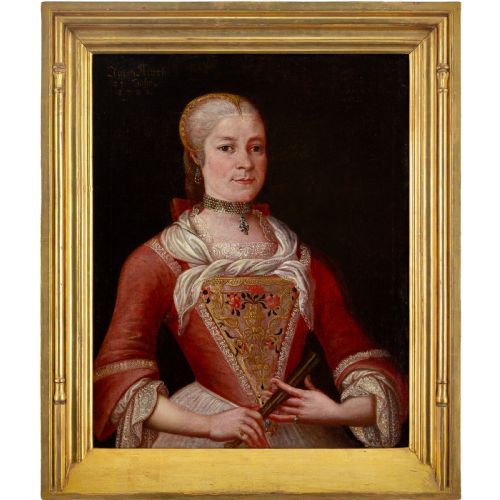
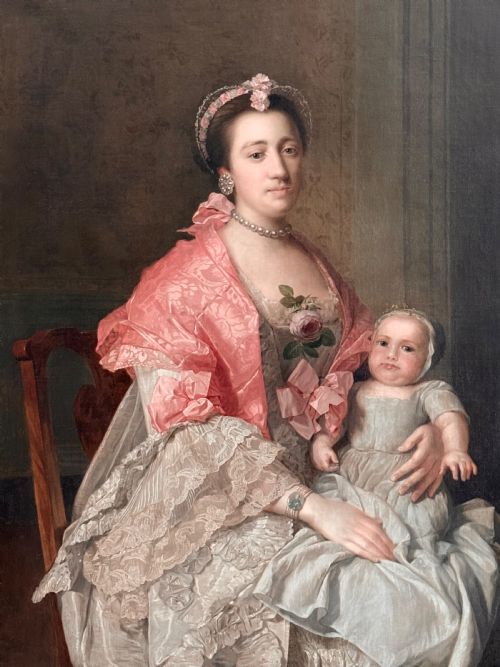
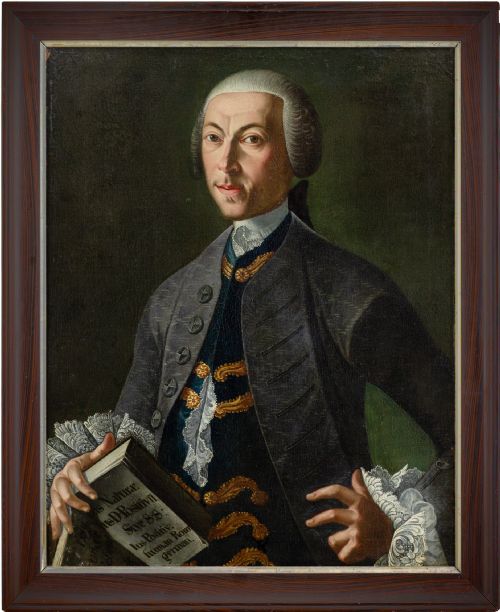
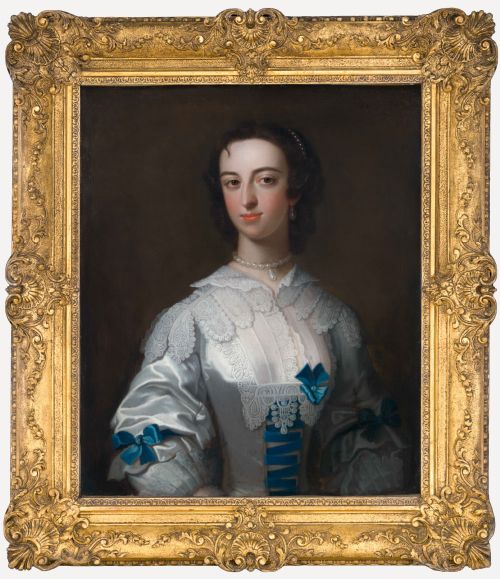
A mid 18th century portrait represents subjects ranging from British aristocrats and naturalists to European school sitters, captured in oil paintings and portrait miniatures. Buyers exploring this category encounter works from English, French, German, Italian, and Bavarian schools dating around 1750.
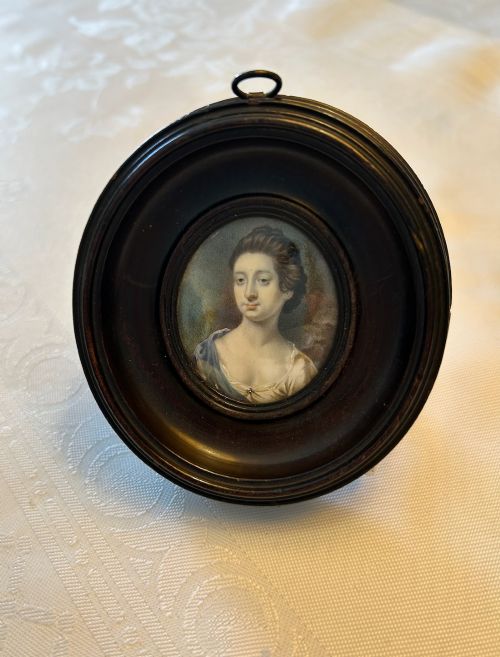
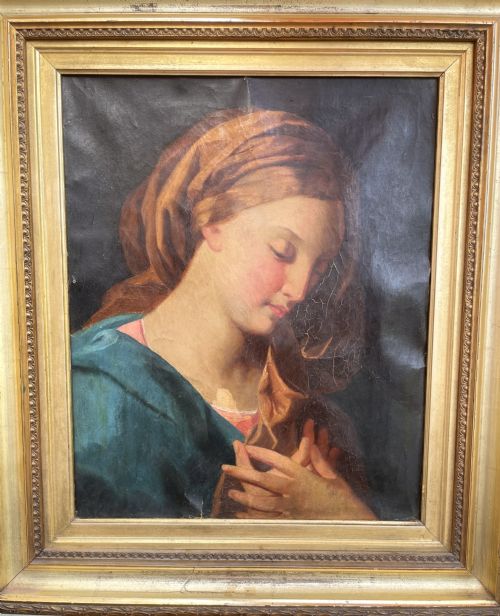
The most common formats on this page are oil on canvas paintings housed in wood or giltwood frames, alongside oval portrait miniatures set in ebonised frames. These pieces record historical figures, nobility, and children with distinct regional artistic traditions.
Subjects appear in formal attire such as lace jabots, white silk dresses, and armour, reflecting the social standing of the sitters. Regional schools across Europe bring varied palettes and brushwork to these historical representations.
Materials and construction
Artists painted primarily with oil on canvas, applying pigment to stretched fabric to build depth in clothing, skin tones, and background shadows. Miniature works utilised alternative supports housed within protective frames.
Frames employ wood, giltwood, gold leaf, and ebonised finishes, often serving as period-appropriate enclosures that complement the canvas. The combination of oil pigments and layered wood moulding defines the physical presence of these artworks.
Listings feature oil on canvas paintings and portrait miniatures executed across British, French, German, Italian, and Bavarian schools.
Assessing quality in historical portraiture
Quality separates through the finesse of facial rendering, the handling of textiles such as silk and lace, and the anatomical precision of hands and expressions. Works by established studio circles or named artists demonstrate superior draughtsmanship compared to simpler regional school pieces.
The preservation of the original canvas and the integrity of the giltwood or wood frame influence the overall standard of the piece. Subtle details in lighting and shadow reveal the hand of a more accomplished painter.
Sir Allan Ramsay·Henry Pickering·Pompeo Batoni·George Knapton·Andrea Soldi·Thomas Hudson·Sir Joshua Reynolds·Johan Horner
The Mid 18th Century Portrait Glossary
- Oil on canvas
- A painting medium where pigments suspended in drying oils are applied to a woven fabric support. This technique allowed artists to achieve rich tonal gradations and lasting durability.
- Giltwood frame
- A wooden moulding coated with a thin layer of gold leaf or gilt powder. These ornate surrounds were designed to enhance the visual weight and status of the artwork.
- Portrait miniature
- A small, intimate painting executed with fine detail, often housed in a compact protective case or frame. They were frequently kept as personal mementos of family members.
- Jabot
- A decorative ruffle or lace frill attached to the front of a shirt. This garment detail frequently appears in portraits of gentlemen to signal wealth and fashion.
Mid 18th Century Portrait: Frequently Asked Questions
How do I date a mid 18th century portrait?
Dating relies on costume details such as lace jabots, silk dresses, and hairstyles, alongside stylistic markers from the Georgian period. Attributions to specific artists or schools active around 1750 also help narrow the timeframe.
Documentation, artist signatures, and framing styles provide additional chronological context for each canvas or miniature.
What is the difference between school attributions and named artists?
Pieces attributed to a specific school indicate work produced in a particular region or following a regional style without a confirmed master's signature. Named artists or studio pieces carry direct links to known portraitists of the era.
Both categories offer historical value, though named works and studio pieces often attract greater collector interest.
How were these portraits displayed originally?
Landed gentry and nobility hung these oil paintings in the reception rooms, galleries, and private chambers of country houses and town residences. They served to project family lineage, status, and alliances.
Smaller miniatures were often kept in private studies or carried as personal tokens of affection.