

18th Century Oil Canvas
These oil paintings offer an authentic glimpse into past centuries through enduring portraiture and landscape art.
18th Century Oil Canvas
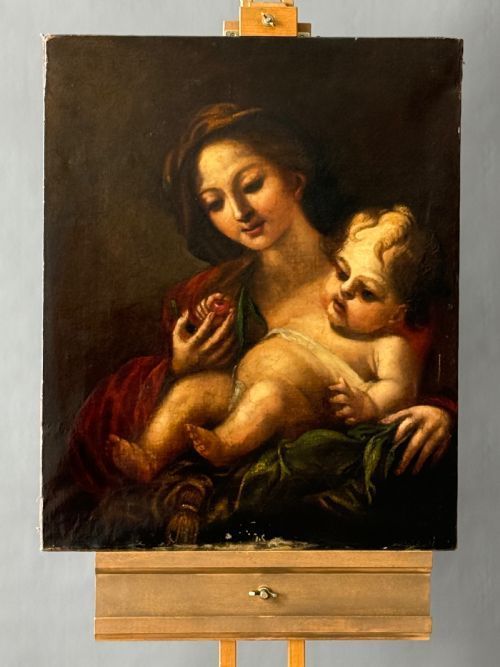
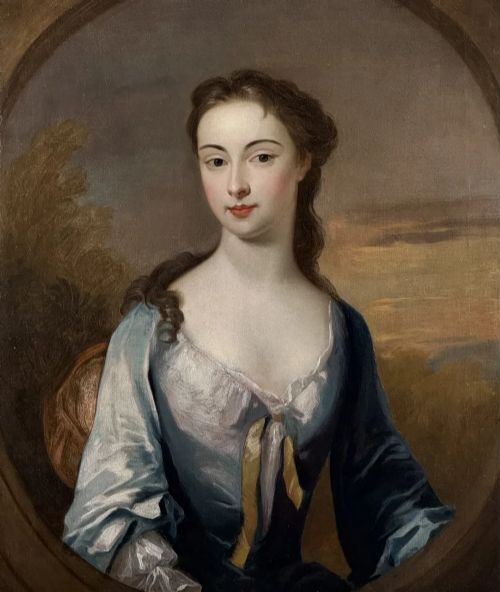
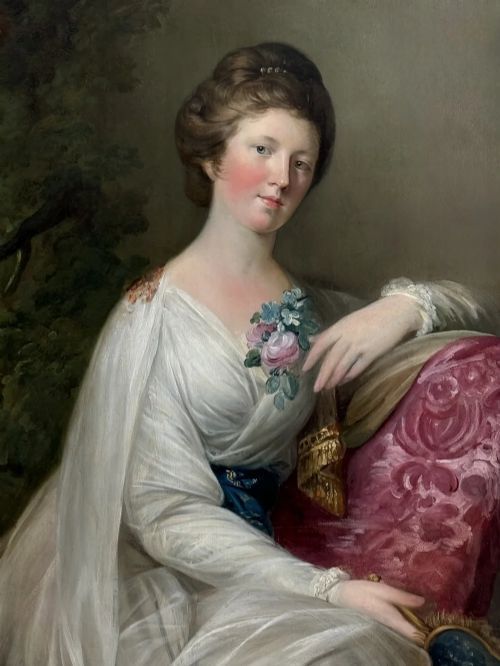
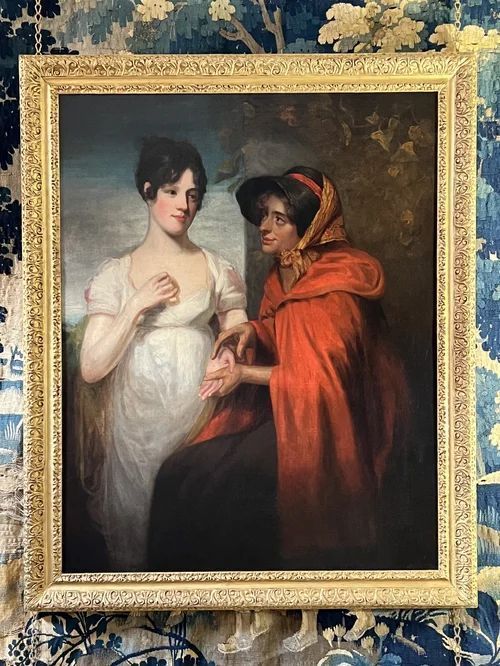
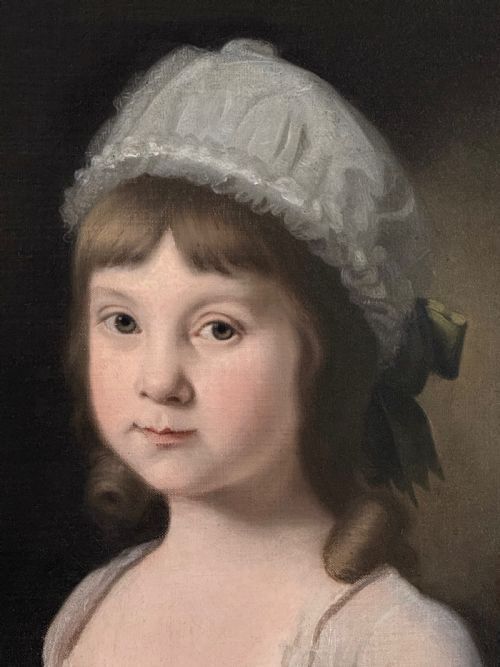
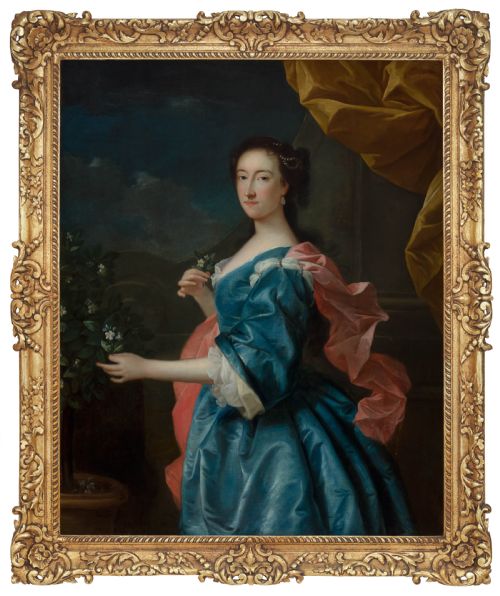
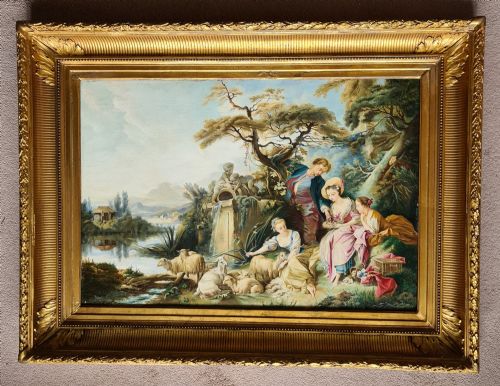
An 18th century oil canvas brings historical presence into a room, capturing figures, landscapes, and classical narratives.
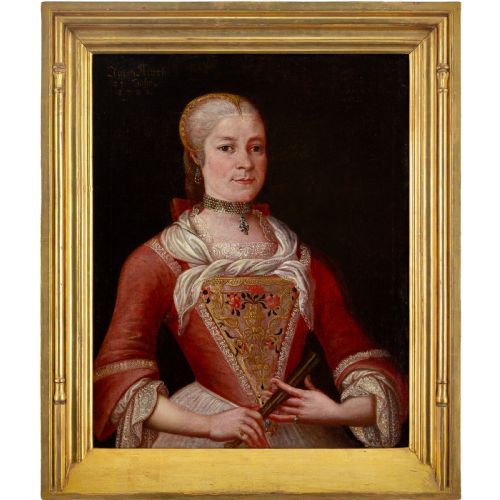
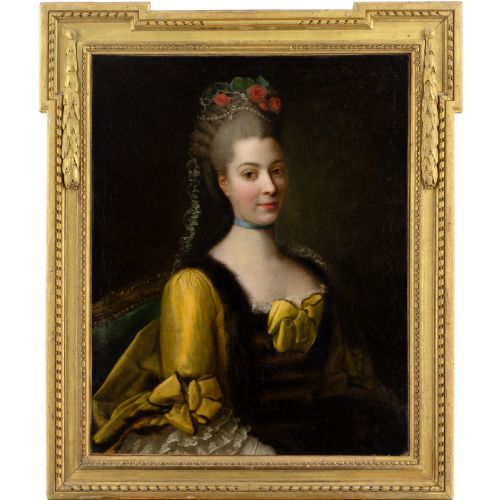
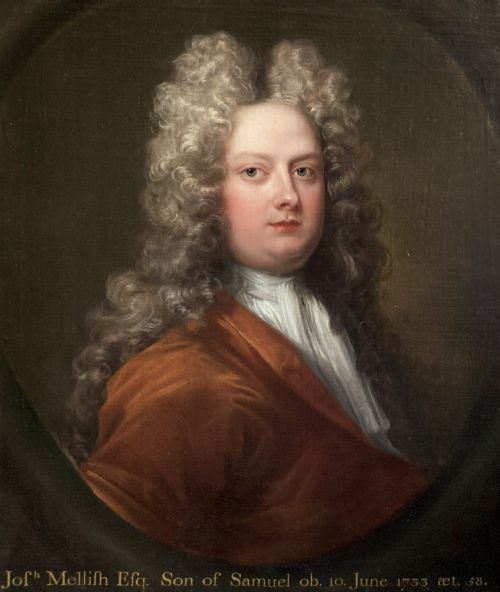
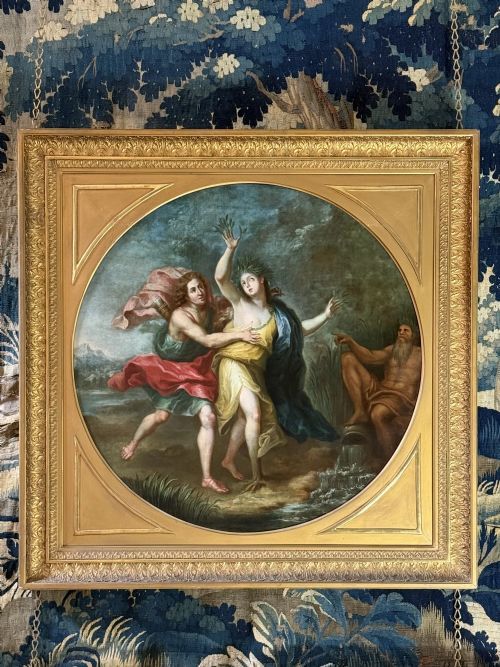
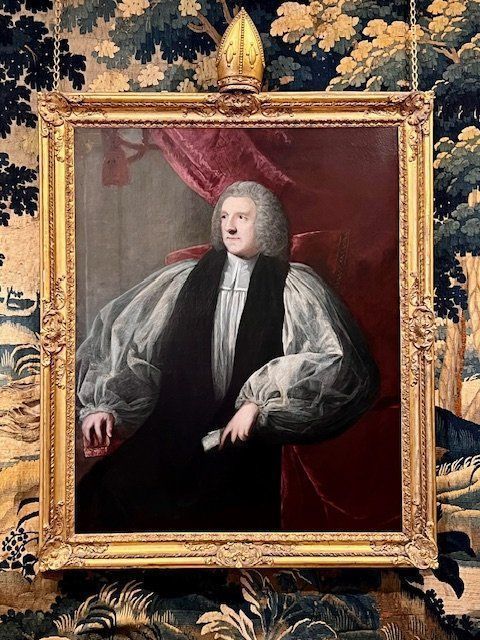
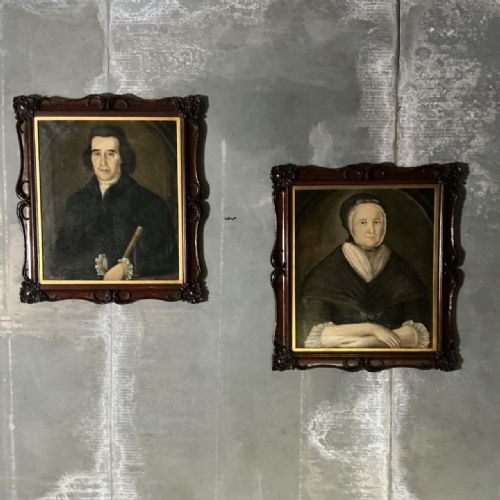
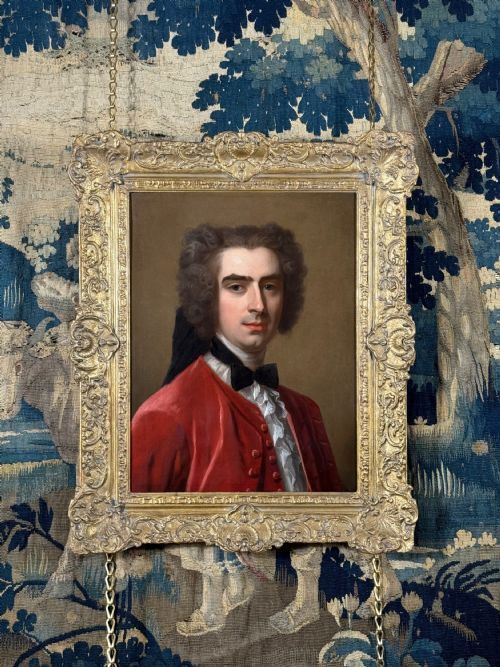
Buyers most frequently encounter formal portraits of gentlemen and ladies, alongside pastoral scenes and mythological compositions.
The selections span British, French, Dutch, and Italian schools, reflecting diverse regional aesthetics of the period.
How They Were Made
Artists applied oil paint directly onto woven canvas supports, frequently utilising wooden stretchers and frames finished in giltwood.
Compositions often relied on traditional glazing techniques to build depth and luminosity within the painted surface.
Several portraits quietly preserve the likenesses of long-forgotten livestock, infantry officers, and mischievous domestic pets.
What Varies in Quality
Brushwork precision and anatomical accuracy distinguish masterworks from provincial workshop output.
The preservation of the original canvas and the integrity of the underlying paint layer dictate the overall merit of a piece.
Charles Jervas·Joshua Reynolds·Jean-Baptiste Van Loo·Thomas Hudson·Michael Dahl
The 18th Century Oil Canvas Glossary
- Canvas
- A heavy woven fabric used as a support surface for oil paintings. It is typically stretched tightly over a wooden frame before painting.
- Giltwood
- Wood that has been treated with a thin layer of gold leaf or gold paint. This finish is commonly found on traditional picture frames.
- Old Master
- A term describing a European painter of skill who worked before about eighteen hundred. These artists formed the foundation of classical painting traditions.
- Provenance
- The documented history of ownership of an artwork. It provides evidence of authenticity and tracks the piece through time.
18th Century Oil Canvas: Frequently Asked Questions
How do I hang a canvas safely?
Ensure the wall fixings match the weight of both the canvas and its heavy giltwood frame. Hang the piece securely from picture wire using sturdy wall hooks.
Keep the painting away from direct sunlight and strong heat sources to protect the oil paint and canvas from drying out over time.
How do I clean an old painting?
Dust the surface very gently with a soft, dry brush to remove loose particles. Avoid using any water, chemical cleaners, or household cloths.
Consult a professional art restorer if the surface requires deeper cleaning or if the varnish layer has darkened significantly.
Are these paintings original?
The inventory comprises period works created in the seventeenth, eighteenth, and nineteenth centuries. Many feature documented attributions to specific artists or schools.
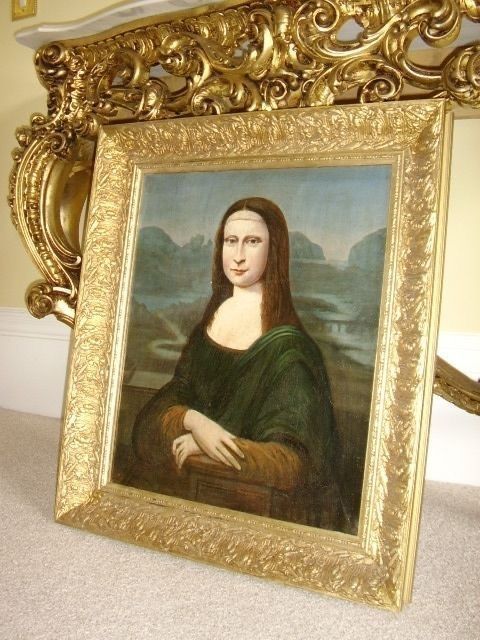
Descriptions note whether a work is an original period painting, a studio production, or a later study after an earlier master.
What subjects are most common?
Portraits of identified sitters, military officers, and clergy dominate the selection. Landscapes, pastoral farmyard scenes, and mythological narratives also appear frequently.
These subjects reflect the domestic and decorative tastes of collectors during the Georgian era and beyond.