
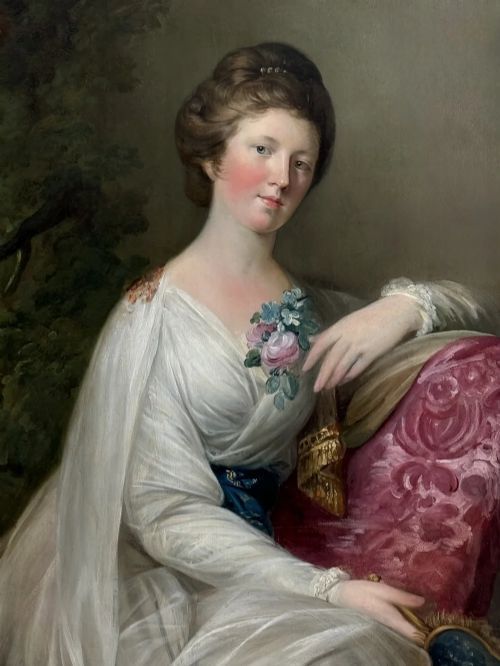
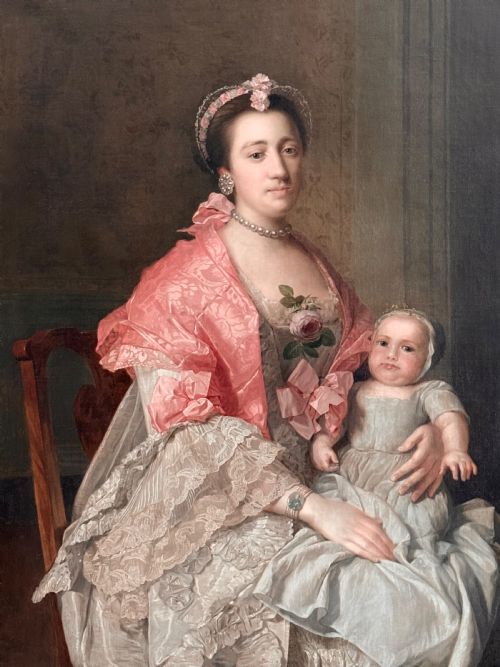
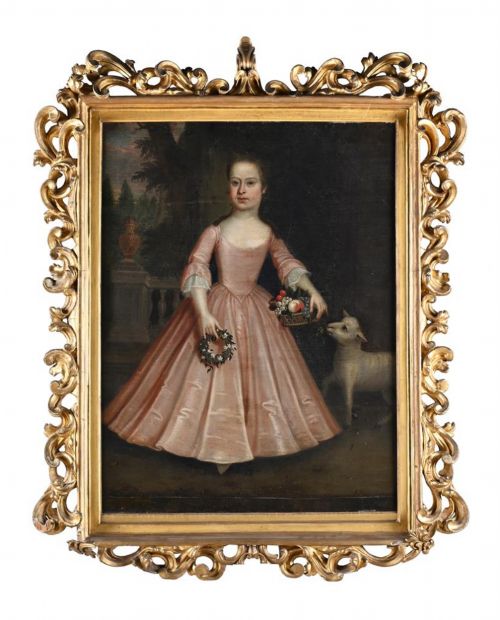


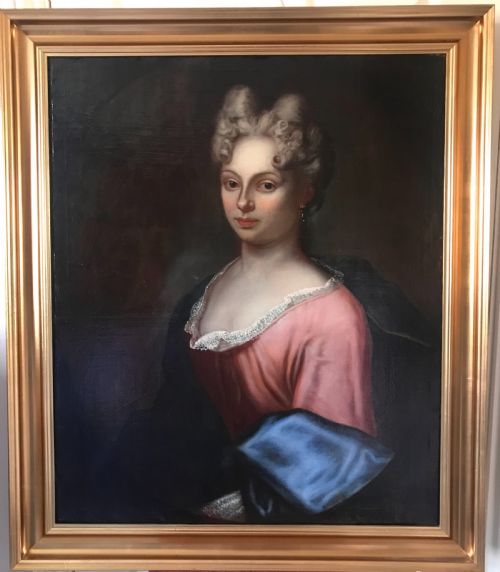


Pink Dress Oil Painting
A pink dress oil painting captures a striking sartorial choice across centuries, offering intimate glimpses into historical portraiture from the seventeenth century to the Art Deco era.
What these paintings are
When you search for a pink dress oil painting, you encounter portraiture spanning several distinct eras, from grand seventeenth-century depictions to lively twentieth-century canvases. These works portray women, young girls, and notable figures adorned in pink silk, mantles, and dressing gowns, capturing shifting societal fashions through oil paint.
The selections available here range from formal eighteenth-century portraits by named artists to atmospheric British Impressionist and French works. Figures appear seated by tables, holding shrimp nets by the sea, or posed in elaborate gigot sleeves, demonstrating the enduring appeal of the subject across diverse stylistic traditions.
What varies in quality
Quality in these portraits rests upon the subtlety of brushwork in the fabric folds and the fidelity of the sitter's expression. Superior examples display masterful handling of light upon silk and satin, distinguishing flat depictions from those with genuine depth and anatomical structure.
The integration of the artwork with its period frame also influences the overall standard of a piece. Original carved and gilded wood frames that complement the era of the canvas elevate the presentation far beyond later replacements.
Retail Price Guide 2026
Typical UK retail prices for pink dress oil painting, calculated from the Sellingantiques database of over a million retail prices indexed since 2003. This retail price guide relies exclusively on Sellingantiques data; no external sources or auction records are used, so the figures do not describe the wider market.
Listings feature works spanning the seventeenth, eighteenth, nineteenth, and early twentieth centuries, employing oil on canvas, gilt wood, and plaster.
Paul Viry·George Knapton·Francis Alleyne·Sir Peter Lely·Harry John Pearson·Franz Xaver Winterhalter·John Theodore Heins·Henry Pickering·Michael Dahl·Sir Godfrey Kneller
The Pink Dress Oil Painting Glossary
- Oil on canvas
- A traditional painting medium where pigments suspended in drying oils are applied to stretched fabric. This combination provides a flexible and durable surface that holds rich colour and texture over centuries.
- Gilt wood
- Wood that has been treated with a thin layer of gold leaf or metallic powder. This technique creates ornate, reflective frames designed to enhance and protect oil paintings.
- Gigot sleeves
- A voluminous style of sleeve, also known as a leg-of-mutton sleeve, that balloons out from the shoulder before fitting tightly to the forearm. This silhouette helps date nineteenth-century and earlier portraiture.
- Circle of
- A designation used when a painting is not by the master's own hand but by an artist working closely within their studio or directly influenced by their style. It indicates a high level of contemporary competence.
- Baroque
- An artistic style prevalent from the seventeenth century characterised by dramatic movement, deep colour, and exuberant detail. Portraits from this period often feature theatrical drapery and intense lighting.
Frequently Asked Questions
How do I date a portrait?
Dating relies primarily on the style of the sitter's clothing, hair, and the framing techniques used at the time. Specific fashion elements like gigot sleeves or silk mantles often provide a reliable decade for the work.
Signatures, canvas stamps, and archival records further refine the chronology. Stylistic comparisons with known dated works by the same school or circle also assist in placing the painting correctly.
What is a circle painting?
A circle attribution indicates the work was produced by an unnamed artist closely associated with a master painter. These artists worked in the immediate orbit and absorbed the specific techniques of the principal figure.
Such pieces reflect the quality and studio standards of the named master without carrying their direct signature. They represent significant artistic skill from the period in question.
How should I hang an oil painting?
Oil paintings require stable indoor environments away from direct sunlight and dramatic humidity shifts. Proper wall placement protects both the canvas and the original gilt wood frame from structural stress.
Using sturdy picture hooks rated for the combined weight of the canvas and frame ensures secure mounting. Regular inspection of the hanging wire and wall fixings maintains long-term safety.
Are these works cleaned professionally?
Many antique canvases retain their historical patinas, while others have undergone careful conservation to remove aged varnish and accumulated grime. Conservation efforts aim to stabilise the oil paint and canvas without altering the original hand.
Reviewing the physical condition of the paint surface helps determine the extent of past interventions. Professional upkeep preserves the vibrancy of colours like pink silk and gold leaf.