

Traditional Oil Portrait Painting
A traditional oil portrait painting brings centuries of character into a room through layered pigments on canvas or panel.
Traditional Oil Portrait Painting
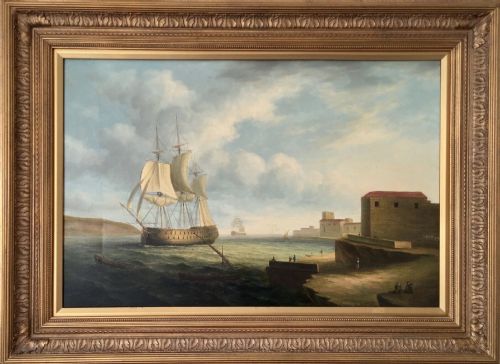
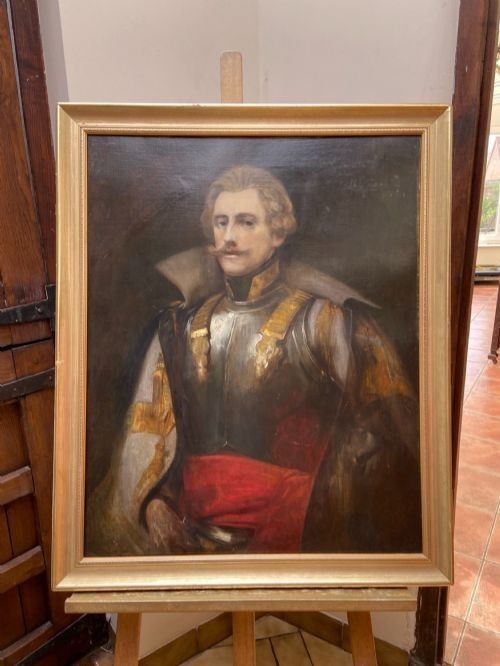
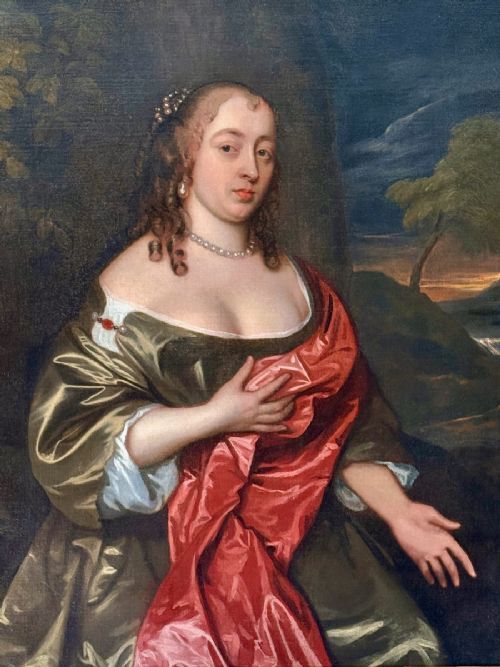
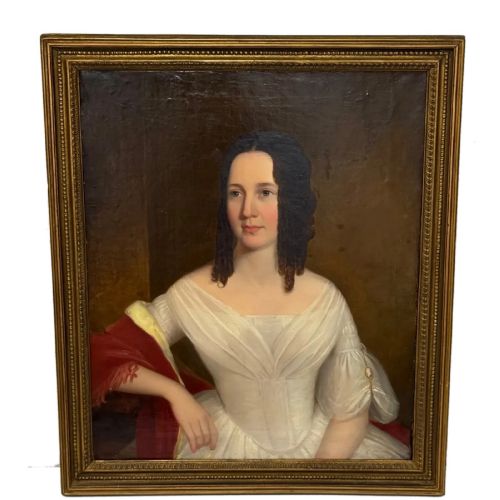
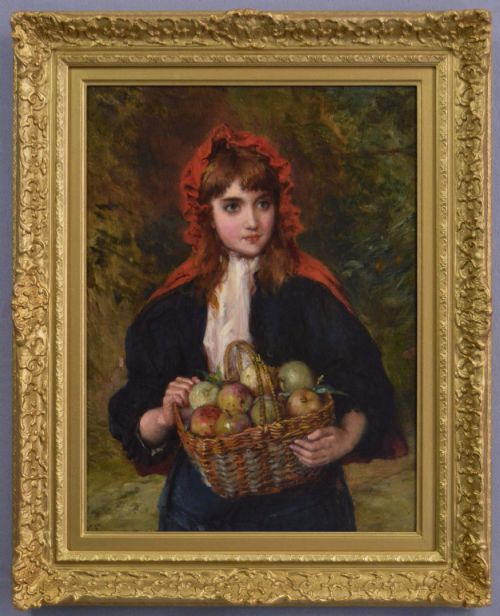
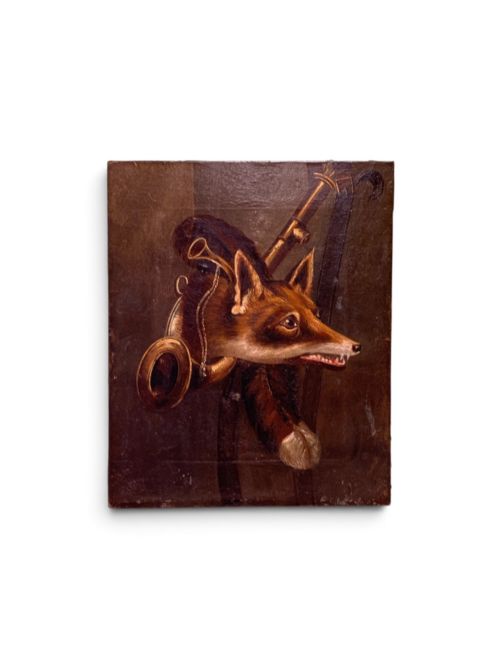
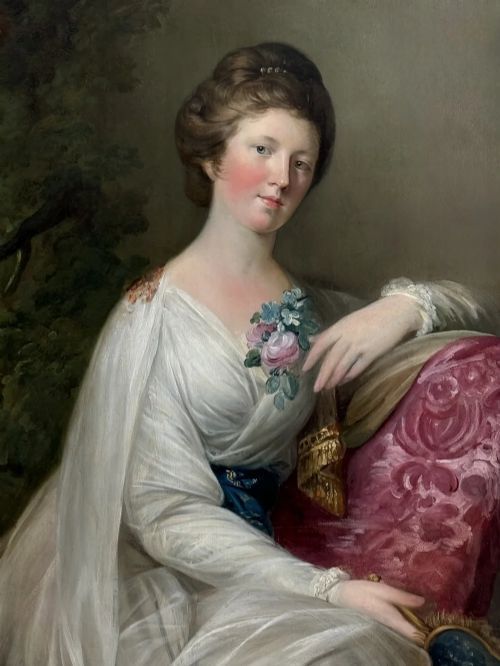
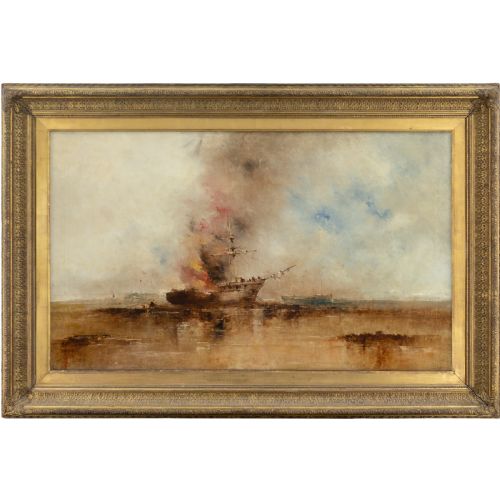
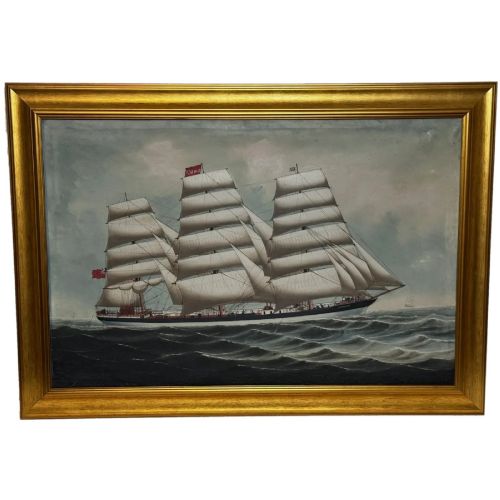
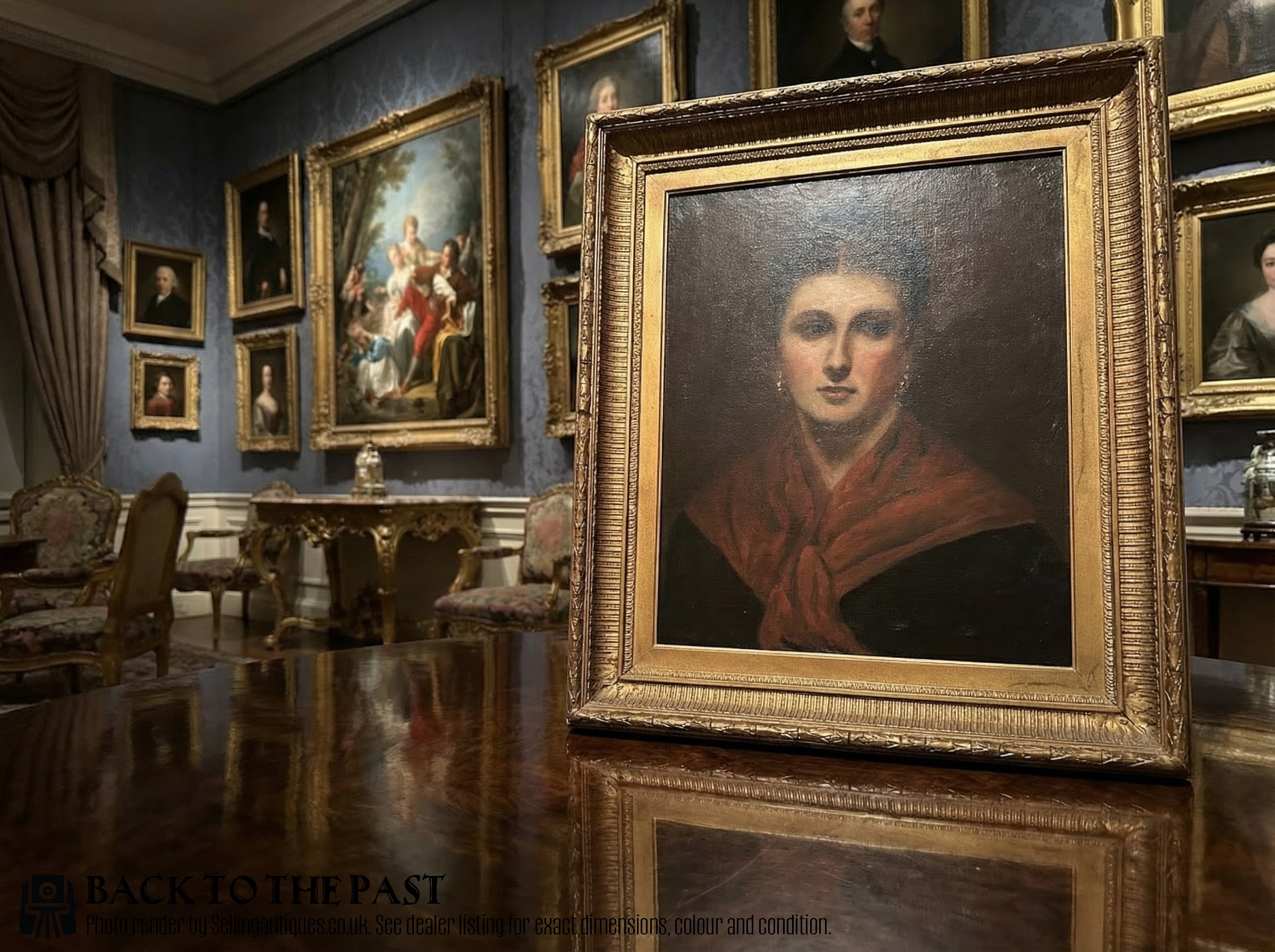
Traditional oil portrait painting encompasses framed works depicting human subjects, animals, and maritime scenes created from the 16th century through the mid-20th century. A buyer searching this phrase is looking at historical likenesses rendered in oil paint on canvas, wood, or board.
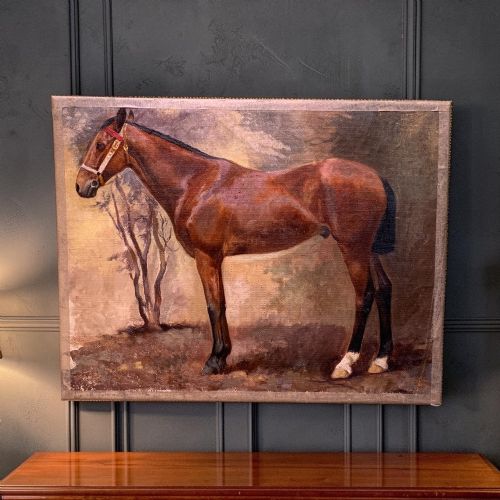
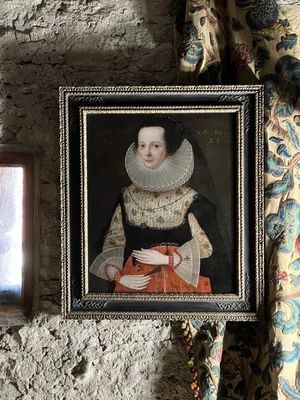
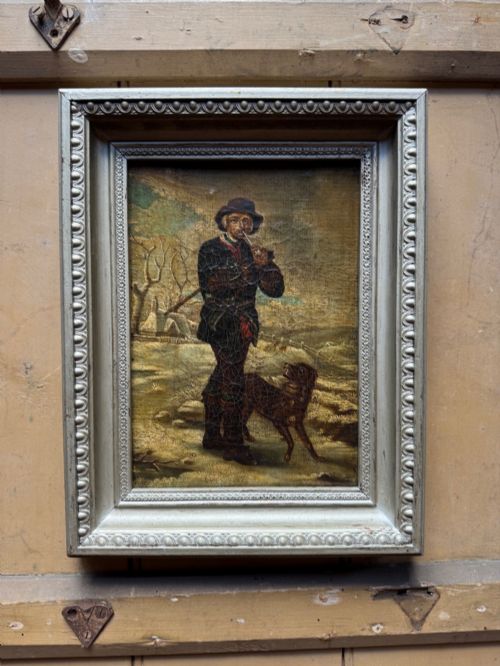
The versions most commonly met on this page span the 18th and 19th centuries, including Georgian and Victorian examples. These pieces often feature subjects ranging from noblewomen and military officers to prized horses and gentlemen.
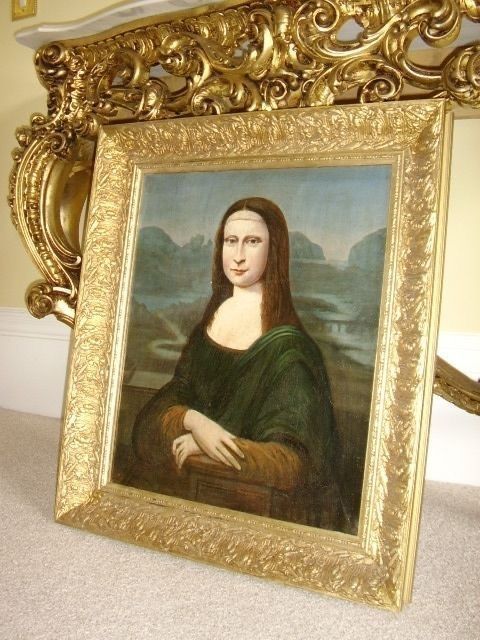
Works on this page also include copies after masters such as Leonardo da Vinci, Sir Joshua Reynolds, and Thomas Gainsborough alongside original compositions by British and European schools. Each piece reflects the clothing, status, and artistic conventions of its specific era.
How traditional oil portrait painting works were made
Makers built traditional oil portrait painting works by applying slow-drying oil paint to prepared surfaces such as woven canvas, wooden panels, or board. Painters often utilised gesso grounds to seal supports before adding layers of pigment.
Traditional Oil Portrait Painting Retail Price Guide 2026
Typical asking prices for traditional oil portrait painting among the pieces listed under this phrase on Sellingantiques today, from the lower quarter to the upper quarter. They describe what is for sale here now, not the wider market.
Several portraits feature domestic pets and racing animals staring outward with expressions almost as dignified as their human companions.
What varies in quality
The integrity of the underlying canvas or wood support and the preservation of the original paint layers determine the overall condition. Original giltwood frames matching the period of the painting also elevate the integrity of the piece.
James Hardy·John Hayls·William Oliver·Jozsef Molnar·George Willison·Reginald Arthur Borstel·Albert Clark·Howard Helmick
The Traditional Oil Portrait Painting Glossary
- Oil on Canvas
- A painting technique where pigment suspended in drying oil is applied to stretched woven fabric. This combination allows for rich blending and textured brushwork.
- Giltwood
- Wood carved and covered with a thin layer of gold leaf or metallic powder. It provides a luminous border for historical frames.
- Panel
- A flat wooden board used as a rigid support for painting before canvas became dominant. These substrates offer a stable surface for detailed brushwork.
- Gesso
- A plaster-like mixture applied to canvas or wood to create a smooth, absorbent base for oil paint. This preparation prevents the oil from rotting the fabric.
- British School
- A term used to describe anonymous artists working within Britain during a specific period. It groups works sharing regional stylistic traits.
Traditional Oil Portrait Painting: Frequently Asked Questions
How do I care for an oil painting?
Keep traditional oil portrait painting works away from direct sunlight and fluctuating humidity to prevent the canvas from sagging and the paint from cracking. Dust the surface gently with a soft, dry brush without using water or cleaning solutions.
Ensure the painting hangs securely on a stable wall away from heat sources like radiators. Professional conservators should handle any deep cleaning or structural repairs to the canvas and frame.
How do I date an oil portrait?
Examine the clothing, hairstyle, and accessories of the subject against historical fashion records to establish a baseline decade. The stretcher bars, nails, and canvas weave can also indicate the age of the materials used.
Look for inscriptions, signatures, or exhibition labels on the reverse of the canvas or on the frame. Comparative analysis with dated works by the same school helps narrow the timeline.
What is an oil painting on panel?
A panel painting utilises a solid piece of wood rather than stretched fabric as the base for the oil pigments. This rigid surface provides a smooth ground that painters favoured for intricate detail work.
Wooden panels are heavier than canvas and require stable environmental conditions to prevent warping or splitting. Many earlier portraits utilise this durable method of construction.
How do I hang a heavy framed portrait?
Anchor the hanging wire or brackets directly into wall studs using heavy-duty picture hooks rated for the weight of the frame. Giltwood frames can be surprisingly heavy and require secure support.
Position the portrait at eye level so the centre of the canvas aligns with the viewer's natural gaze. Avoid hanging pieces in damp areas such as unheated hallways or kitchens.