


Georgian Fine Art Painting
When seeking georgian fine art painting, you enter a world of oil on canvas portraits and landscape works defined by eighteenth and nineteenth century craftsmanship.
Georgian Fine Art Painting
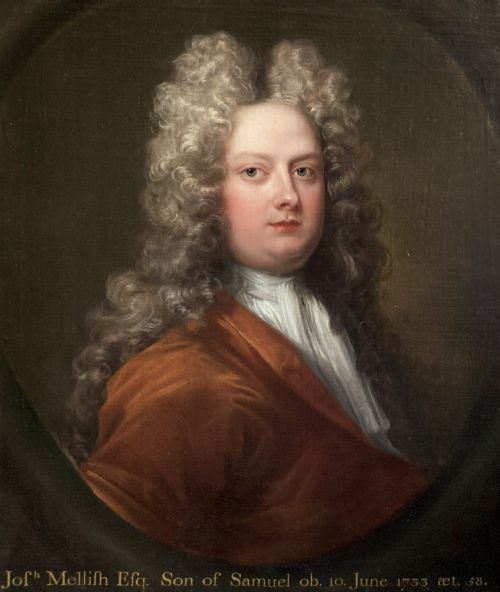
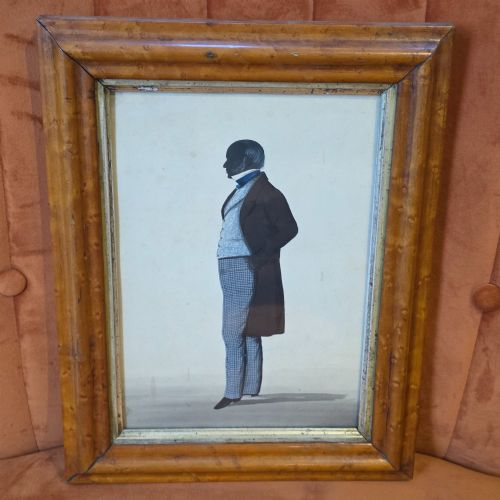
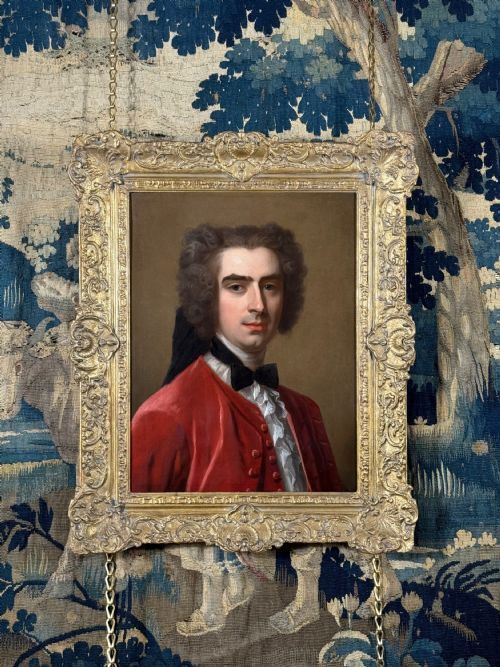
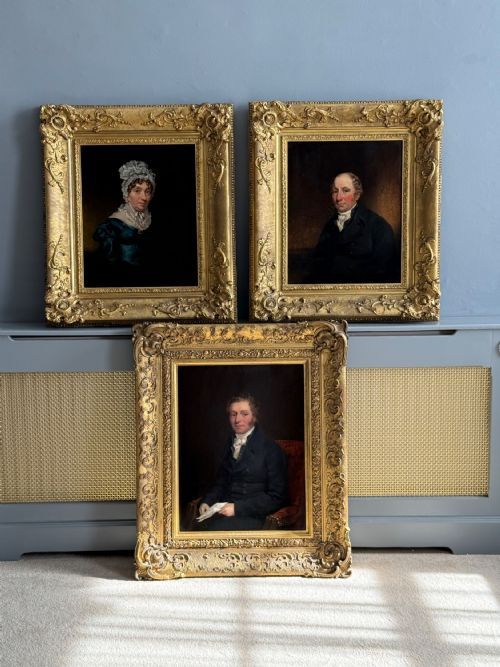
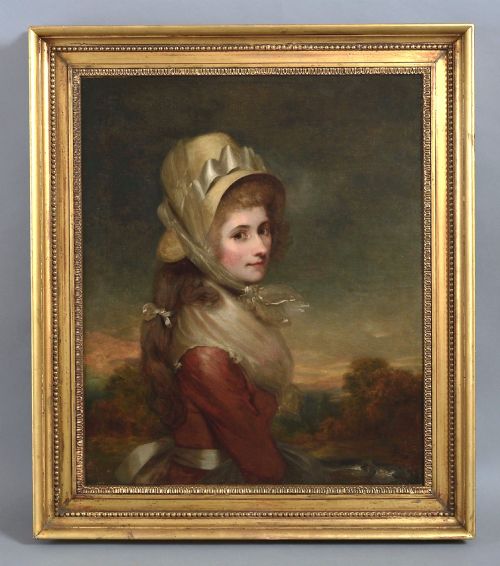
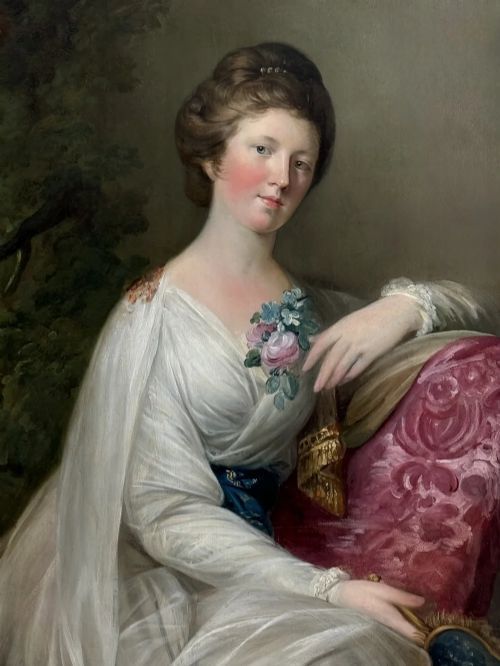
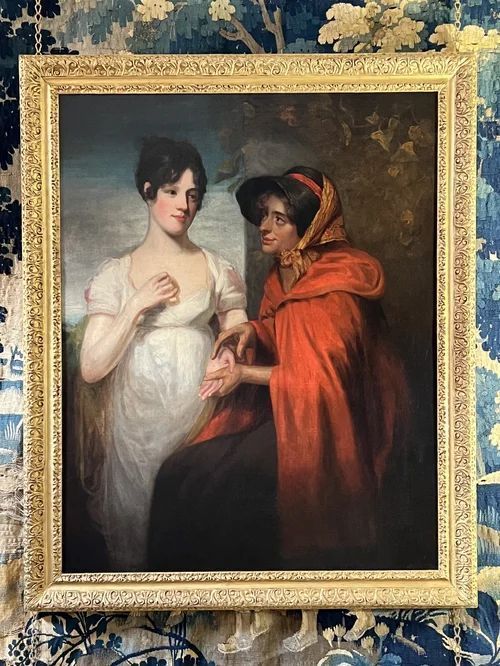
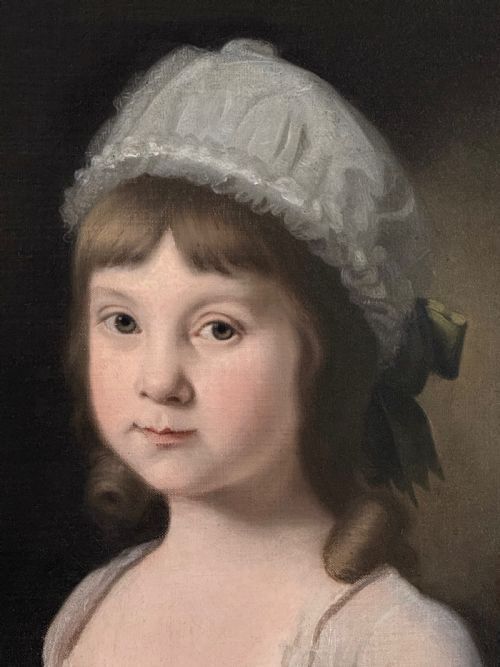
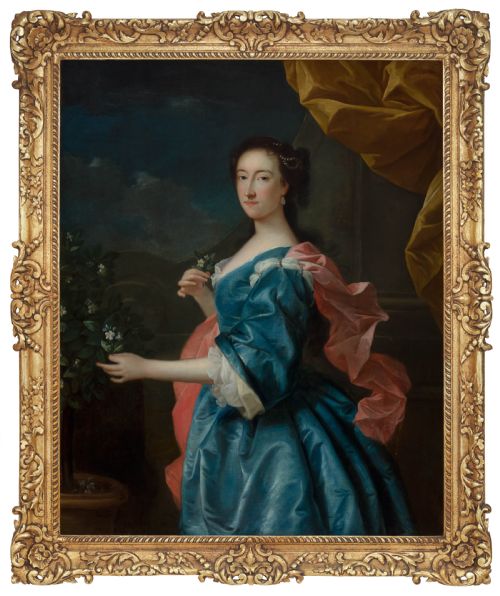
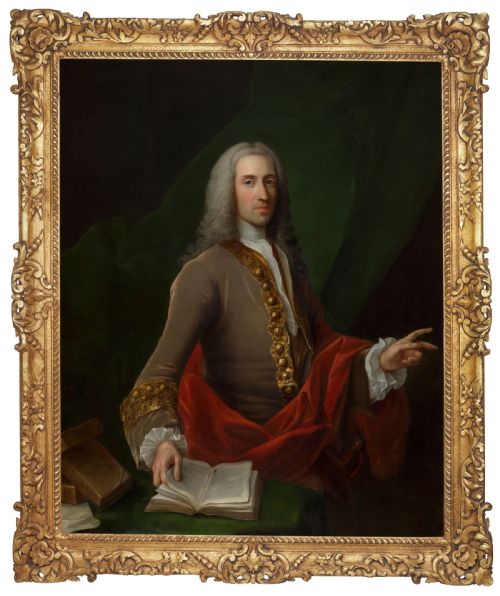
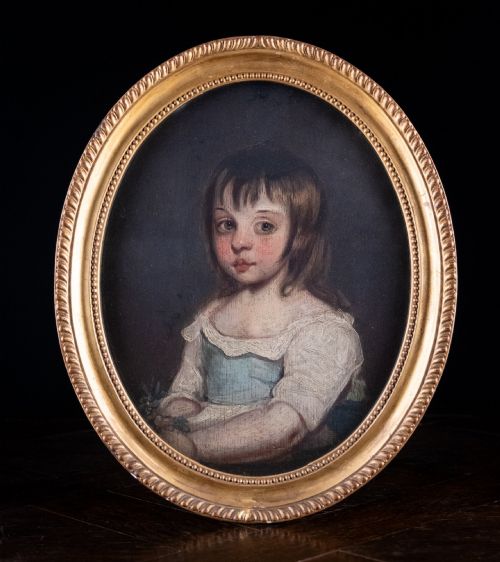
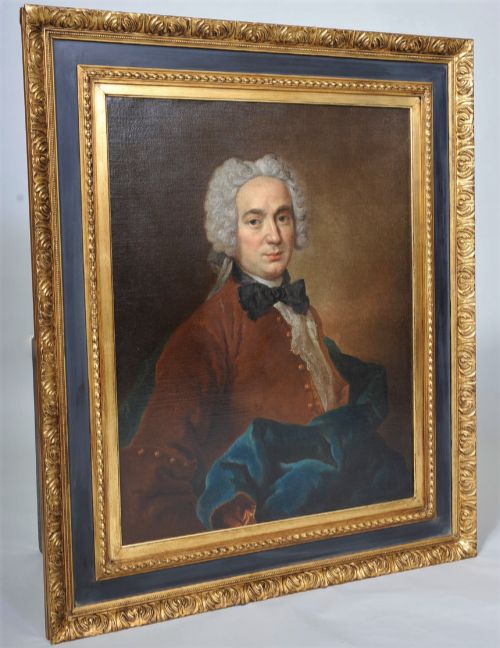
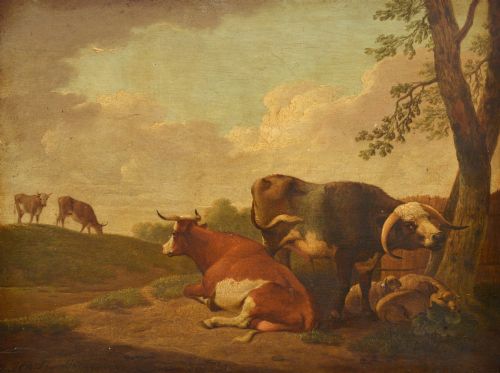
The category of georgian fine art painting encompasses oil paintings, portrait works, and framed artwork created primarily across the eighteenth and nineteenth centuries. Buyers encounter formal portrait paintings of gentlemen, ladies, and children, alongside landscape and genre scenes.
Most selections originate from British and European schools, spanning the Georgian, Regency, and Baroque styles. Works range from full-scale oil on canvas productions to delicate portrait miniatures and reverse glass mezzotints.
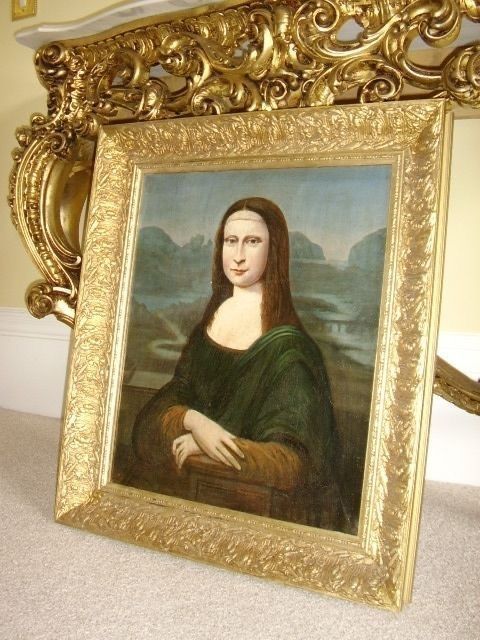
Makers and studios of the period produced both individual likenesses and copies after masters such as Sir Joshua Reynolds and Leonardo Da Vinci. The prevalent forms on this page reflect the visual culture of domestic portraiture and grand tour landscapes.
What Varies in Quality
Material preservation plays a major role, distinguishing pieces with stable paint layers and minimal intervention from those carrying extensive overpainting or canvas relining. The quality of the original giltwood frame also contributes to the integrity of the piece.
Georgian Fine Art Painting Retail Price Guide 2026
Typical asking prices for georgian fine art painting among the pieces listed under this phrase on Sellingantiques today, from the lower quarter to the upper quarter. They describe what is for sale here now, not the wider market.
Several gentlemen and gentlewomen stare down viewers across three centuries while accompanied by orange trees, cattle, and pet spaniels.
Charles Jervas·Jean Baptiste Van Loo·Joseph Clover RA·James Sharples·George Willison·John Opie RA·Joshua Reynolds·Jeremiah Davison·Sir Thomas Lawrence·John Russell·Sir Allan Ramsay·Sir William Beechey·Jacob Philipp Hackert
The Georgian Fine Art Painting Glossary
- Oil on Canvas
- A painting medium where pigments suspended in drying oils are applied to a woven fabric support. This combination allowed artists to achieve subtle blending and deep luminosity.
- Giltwood
- Wood carved and coated with a thin layer of gold leaf or metallic powder. It provided ornate, reflective surrounds for formal portraits and fine art.
- Mezzotint
- A printmaking process where the copper plate is roughened to achieve rich dark tones and smooth gradations. Reverse glass iterations placed the printed image behind protective glass.
- Portrait Miniature
- A small, highly detailed painting executed on vellum, card, or ivory. These intimate likenesses were often housed in protective cases or lockets.
- Regency
- An English stylistic period spanning the early nineteenth century defined by classical restraint and elegance. Works from this era often feature refined linear qualities and direct gazes.
Georgian Fine Art Painting: Frequently Asked Questions
How do I identify a Georgian portrait?
Georgian portraits typically feature sitters in period costume, such as scarlet jackets or formal gowns, rendered in oil on canvas. Clothing styles, hair powder, and sitter documentation often help narrow down the decade.
Many works also carry historical attributions to artists working in the eighteenth or early nineteenth centuries, aligning with the aesthetics of the Georgian era.
What is a portrait miniature?
A portrait miniature is a small-scale painting designed for intimate viewing rather than large wall display. Artists captured fine facial details using precise brushwork on supportive surfaces like paper or card.
These pieces were frequently collected in pairs or kept within protective protective housings by families.
How should I hang an oil painting?
Oil paintings on canvas require stable indoor environments away from direct sunlight and dramatic temperature fluctuations. Proper picture hooks secured into wall studs support the weight of the canvas and its giltwood frame.
Keeping the piece clear of direct heat sources protects both the wooden stretcher and the oil paint layer from drying out.
What distinguishes a studio work from an original?
Studio works were produced by assistants or followers working under the supervision of a master artist. They often replicated popular compositions or portrait subjects commissioned by prominent patrons.
Brushwork in studio pieces may show less individual spontaneity than works executed entirely by the named master's hand.