
Red Coat Portrait Painting
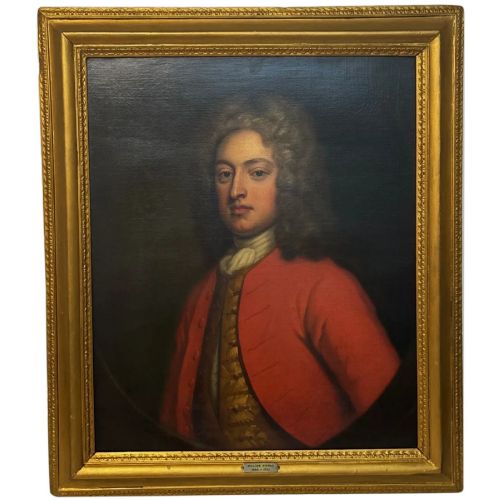
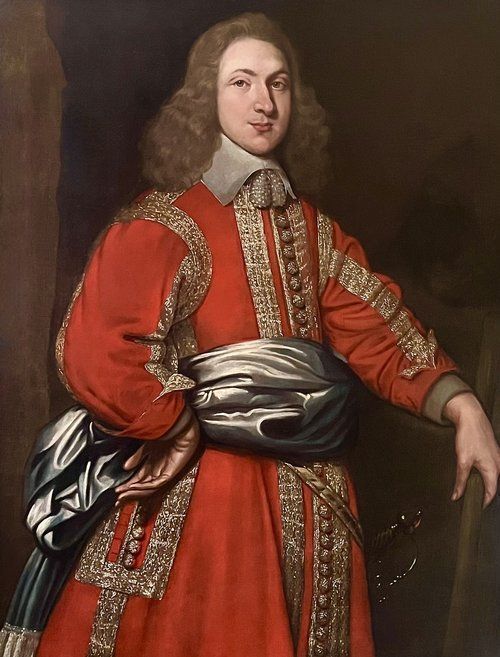
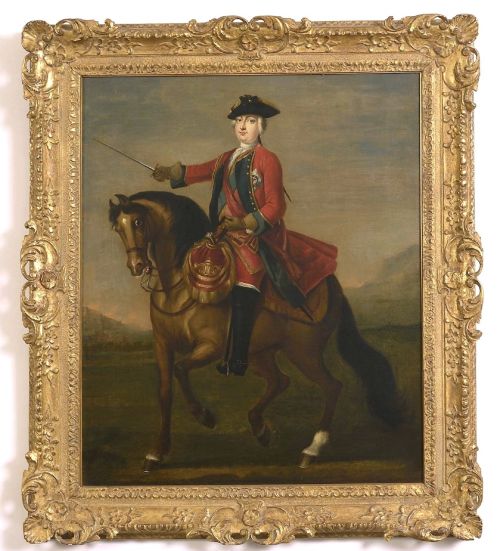
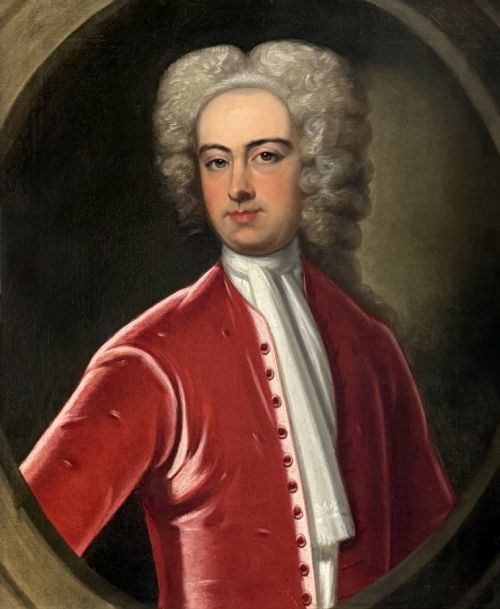
A red coat portrait painting captures the striking scarlet uniforms of military officers and gentlemen from past centuries.
Red Coat Portrait Painting
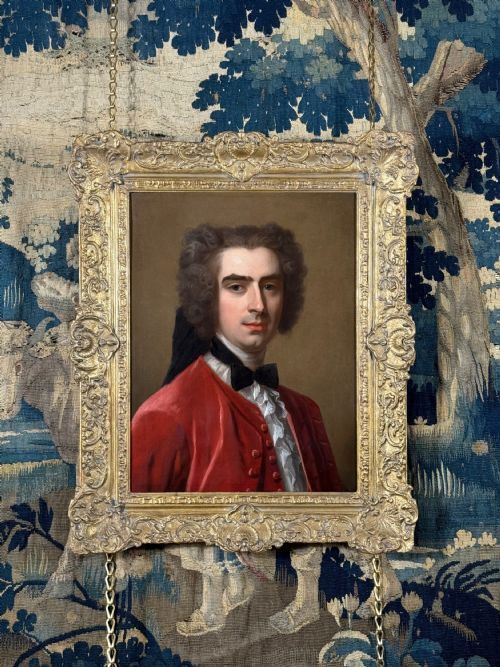
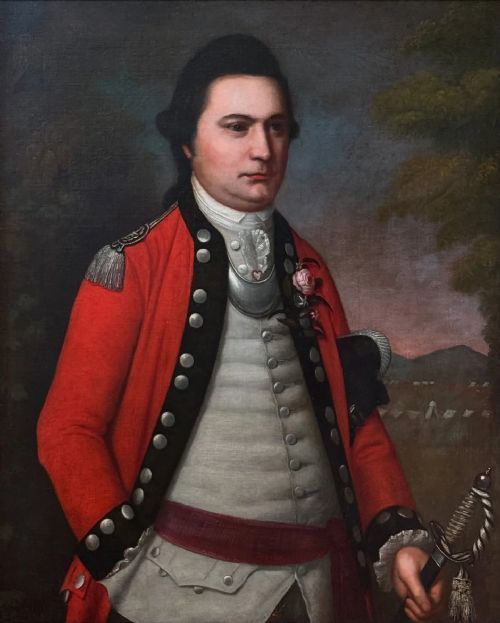
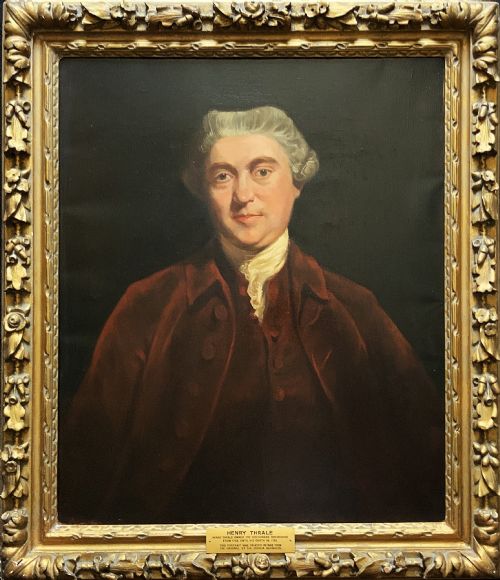
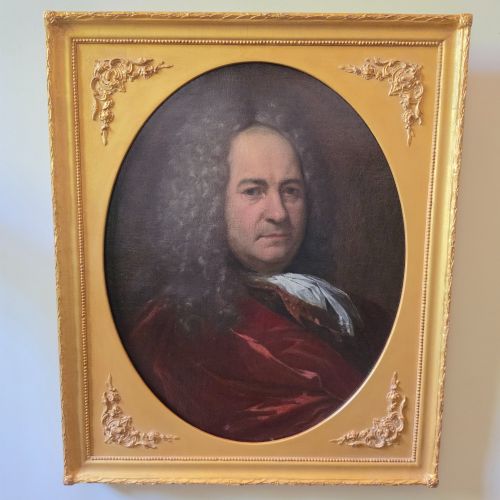
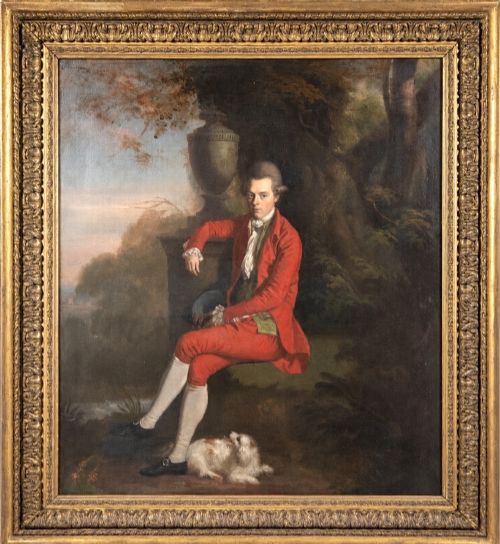
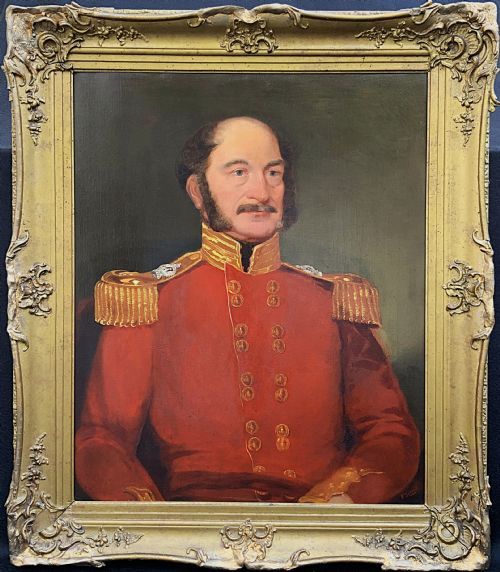
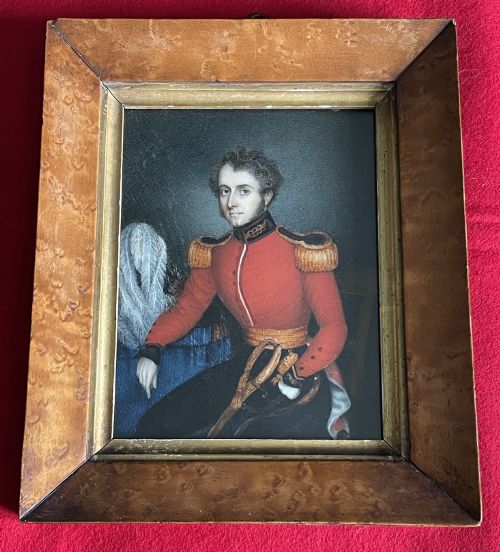
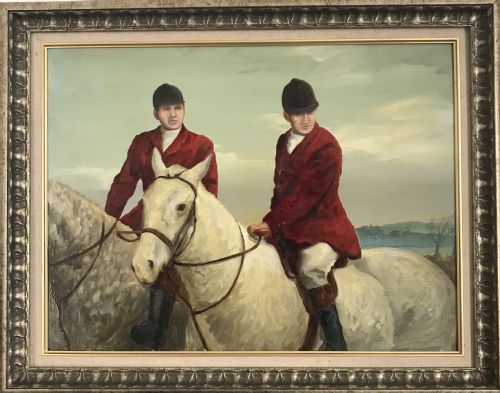
A red coat portrait painting depicts military officers, noblemen, and gentlemen dressed in distinctive scarlet or red military jackets and civilian coats. These works span multiple centuries, with significant representation from the seventeenth, eighteenth, and nineteenth centuries, including Georgian and Regency periods.
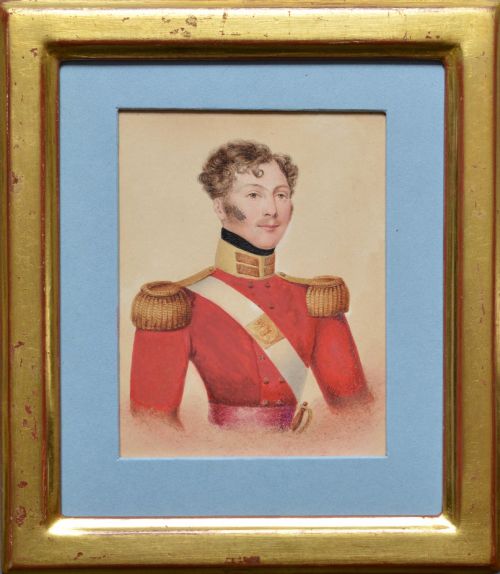
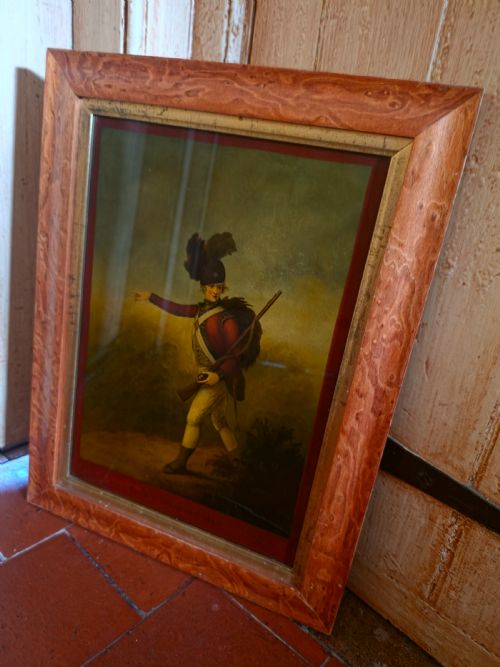
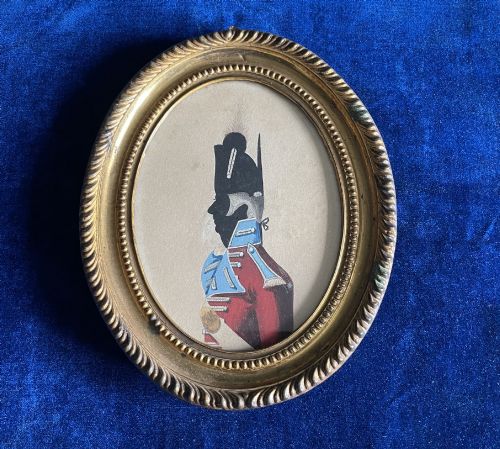
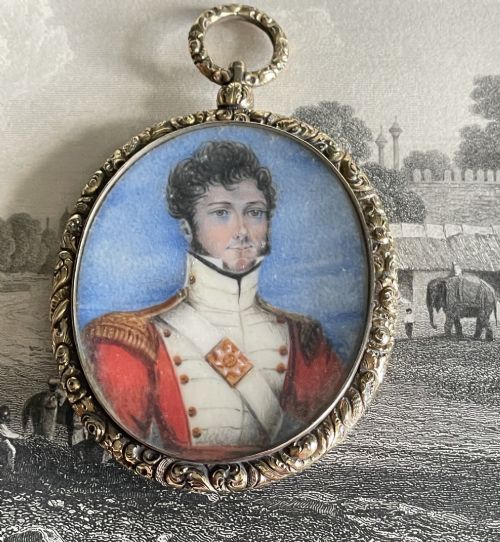
The formats vary from large canvas oils executed by named artists and schools to intimate portrait miniatures and reverse glass paintings. Subjects frequently include British military figures, dragoons, infantry officers, and members of various regiments.
Beyond traditional oil paintings on canvas, buyers encounter watercolours, pastels, and framed prints capturing the same military and aristocratic subject matter.
How They Were Made
Frames played an integral structural and aesthetic role, frequently consisting of moulded giltwood or silvered timber designed to complement the grandeur of the portrait. Traditional stretching, priming, and framing methods ensured the longevity of both the canvas and the painted surface.
Red Coat Portrait Painting Retail Price Guide 2026
Typical asking prices for red coat portrait painting among the pieces listed under this phrase on Sellingantiques today, from the lower quarter to the upper quarter. They describe what is for sale here now, not the wider market.
Several military officers painted centuries ago still glare fiercely from their giltwood frames at modern living rooms.
What Varies In Quality
The fidelity of anatomical drawing and facial expression separates accomplished portraiture from simpler naive or provincial works. Master hands render the texture of wool uniforms, metallic epaulettes, and lace cravats with convincing depth and realism.
The preservation of the original pigment, particularly the vulnerable reds and glazes, dictates the visual impact of the piece. Contemporary framing that matches the period of the painting enhances the overall integrity of the work.
Jean Baptiste Van Loo·Stickland Lowry·Sir Joshua Reynolds·John Wootton·Thomas Hudson·Allan Ramsay·Charles Jervas·Ferdinand Victor Leon Roybet·Basil Nightingale·John Hamilton Mortimer·George Engleheart·Michael Dahl·Thomas Beach·Henry Walton·Sir Godfrey Kneller
The Red Coat Portrait Painting Glossary
- Oil on Canvas
- Pigments bound in a drying oil medium applied to a woven fabric support. This combination allowed artists to blend tones smoothly and build rich layers of colour.
- Portrait Miniature
- A small, highly detailed painting executed on ivory, vellum, or card. These intimate works were often housed in protective cases or worn as personal mementoes.
- Reverse Glass Painting
- An artwork applied directly to the back of a glass panel and viewed from the front. This technique produces a glossy surface finish and protects the pigment from atmospheric dirt.
- Epaulette
- An ornamental shoulder piece worn on military uniforms. Painters used these gold or silver braided fixtures to denote rank and regiment.
- Giltwood
- Wood carved and coated with gold leaf or a gold-coloured finish. It formed the material for ornate period frames designed to elevate the status of the portrait.
Red Coat Portrait Painting: Frequently Asked Questions
What periods do these red coat portraits come from?
The available works date predominantly from the seventeenth, eighteenth, and nineteenth centuries. Examples range from early baroque officer depictions to Regency and Victorian military commissions.
Later interpretations and twentieth-century prints also appear, reflecting a persistent artistic interest in historic military attire and portrait traditions.
Who are the typical subjects of these paintings?
Subjects include British army officers, infantry commanders, dragoons, and nobility dressed in distinct scarlet military tunics or civilian coats. Many pieces record specific historical figures, regiments, or members of the aristocracy.
Other works depict anonymous gentlemen and military personnel captured during periods of active service or formal parade.
How should I display a vintage oil portrait?
These works require stable indoor environments away from direct sunlight and excessive humidity to protect the canvas and oil pigments. Proper wall placement ensures the painting avoids thermal fluctuations from radiators or fireplaces.
Matching the painting with an appropriate period frame, such as moulded giltwood, supports the structural weight and visual context of the artwork.
Are miniature portraits painted differently from large canvases?
Miniature portraits utilise fine, precise brushwork on smaller supports such as paper, vellum, or specialised surfaces rather than heavy woven canvas. Artists focused on meticulous facial detail and delicate rendering of uniform insignia within a confined scale.
These smaller pieces were frequently designed for personal carriage or intimate display rather than grand wall mounting.