


Antique Aristocrat Painting
An antique aristocrat painting captures noble lineage and formal portraiture from centuries past, offering buyers a genuine piece of historical portraiture.
Antique Aristocrat Painting
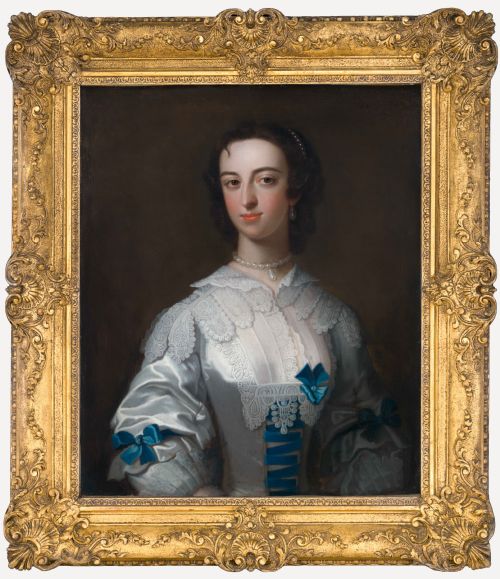
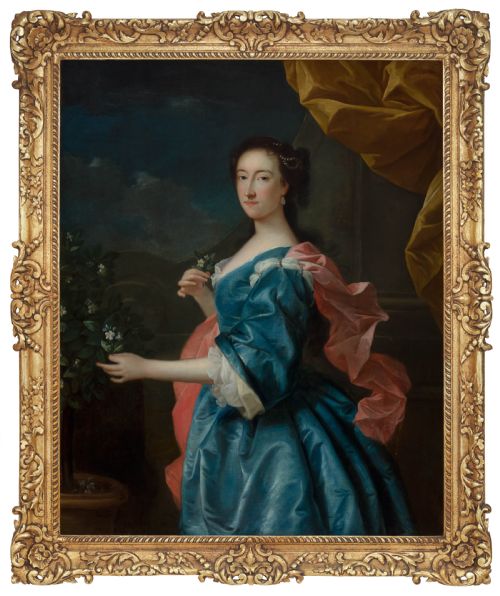
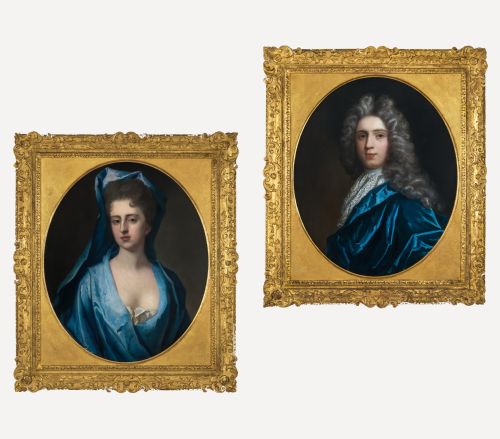
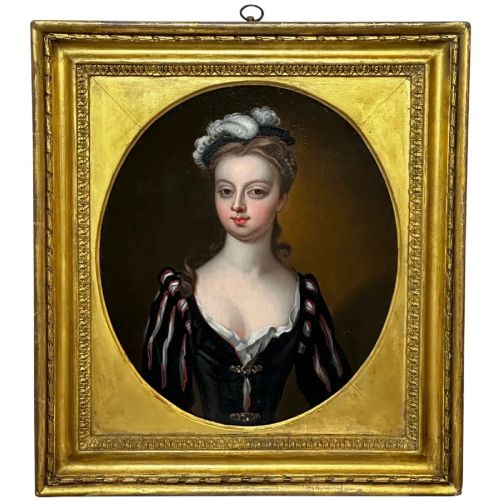
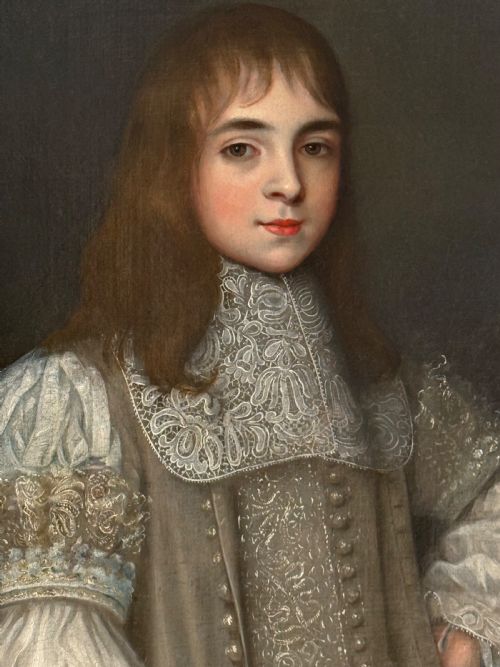
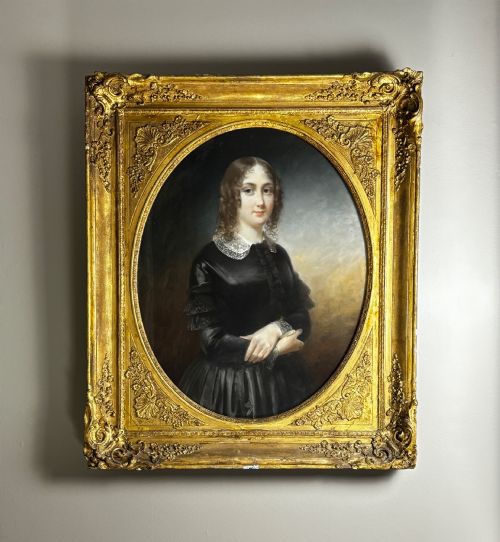
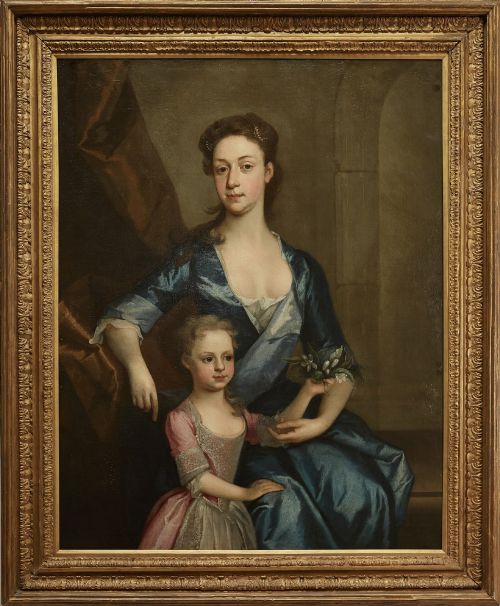
When searching for an antique aristocrat painting, buyers encounter formal oil paintings on canvas depicting nobility, peers, and titled figures from the seventeenth, eighteenth, and nineteenth centuries. These works span British, French, and German schools, showcasing subjects in elaborate costume, armour, or fine contemporary dress.
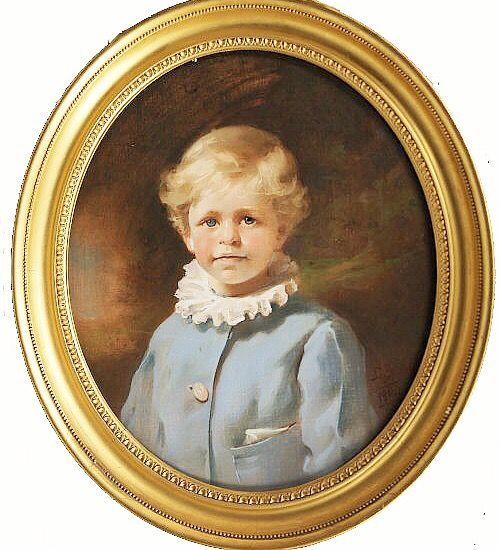
The most common examples on this page are oil on canvas portraits dating from the seventeenth and eighteenth centuries, alongside nineteenth-century works and porcelain figures. Subjects range from named baronets and countesses to members of continental families, executed by notable circles and named portraitists.
Portraits of this scale serve as both historical documents and decorative statements for period interiors. They document generations of high society through painted depictions of lords, ladies, and children of rank.
How they were made
The primary medium recorded in these listings is oil paint applied to woven canvas surfaces, though copper supports and biscuit porcelain also appear. Artists built up these compositions using rich oil pigments to capture the intricate textures of lace jabots, fur trims, and velvet coats.
Frames play a structural and aesthetic role, with giltwood, gilded wood, and gold leaf settings enclosing the canvases. These carved wooden frames provide the necessary physical boundary and reflective border for the portraits.
Listings feature oil on canvas and oil on copper works spanning the seventeenth to nineteenth centuries, alongside nineteenth-century French biscuit porcelain figures.
What varies in quality
Quality in these portraits rests upon the skill of the brushwork and the sureness with which the sitter's anatomy and costume are rendered. Paintings executed by the hand of a master or a close circle capture subtle psychological depth and textural nuance in fabrics.
The preservation of the original canvas surface and the integrity of the giltwood frame influence the standing of a piece. Finer works retain their luminous pigment layers and crisp detailing in lace and hair without heavy, obscuring overpaint.
Jeremiah Davison·Michael Dahl·Thomas Murray·Constantyn Netscher·John Vanderbank·John Michael Wright·Joseph Highmore·David Scougall·Hyacinthe Rigaud·John Horsburgh·Louis De Silvestre·Franz Xaver Winterhalter·Enoch Seeman·A.R. Whytton
The Antique Aristocrat Painting Glossary
- Oil on canvas
- A traditional painting medium where coloured pigments are suspended in a drying oil and applied to a stretched woven fabric support. This combination allows for rich blending and deep tonal graduation.
- Giltwood
- Wood that has been coated with a thin layer of gold leaf or gold powder over a prepared base. It forms the ornate frames typical of formal portraiture.
- Baroque
- An artistic style prevalent during the seventeenth and early eighteenth centuries, characterised by drama, exuberant detail, and grand scale. In portraits, this manifests in dynamic poses and rich drapery.
- Circle of
- A term used when a painting shows the direct influence and style of a master artist, likely produced within their workshop or immediate artistic orbit. It denotes proximity to a known hand.
- Biscuit porcelain
- Unglazed porcelain with a matte, fine-grained texture resembling smooth marble. It is utilised for sculptural figures rather than painted canvases.
Antique Aristocrat Painting: Frequently Asked Questions
What is an antique aristocrat painting?
These works are historical portraits depicting lords, ladies, baronets, and members of noble families, primarily painted in oil on canvas during the seventeenth, eighteenth, and nineteenth centuries.
They function as records of lineage and high status, capturing sitters in formal attire, military uniform, or elaborate court dress.
How do I identify the period of a portrait?
Dating relies primarily on the style of the clothing, the rendering of the hair or wigs, and the framing techniques characteristic of specific centuries. Seventeenth-century works often feature distinct lace collars and rigid stances, while eighteenth-century pieces display softer drapery and powdered hair.
In addition, inscriptions on the canvas or stretcher bars frequently name the sitter and provide precise birth and death dates or execution years.
Where were these paintings displayed originally?
Such portraits hung in the state rooms, galleries, and long halls of country houses and town mansions across Britain and continental Europe. They served to project family lineage, political allegiance, and social standing to visitors.
Today, they transition easily into residential drawing rooms or studies, anchoring period interiors with strong vertical focal points.
What do terms like circle of mean?
Attributions such as circle of or attributed to indicate that an artwork was produced in the immediate orbit or workshop of a named master. These designations reflect technical similarities and period proximity rather than a signed signature.
Such works offer the aesthetic quality of prominent portraitists from the period without bearing the primary signature.