

17th Century Female Portrait
When acquiring a 17th century female portrait, a collector secures a tangible piece of history depicted through oil on canvas, panel, or sculpted marble.
17th Century Female Portrait
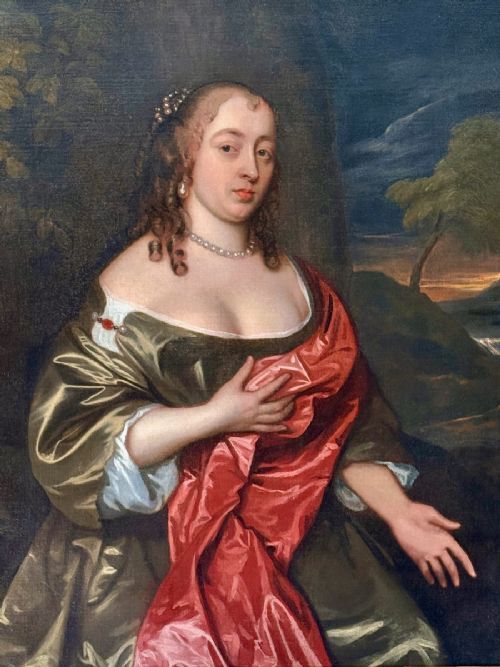
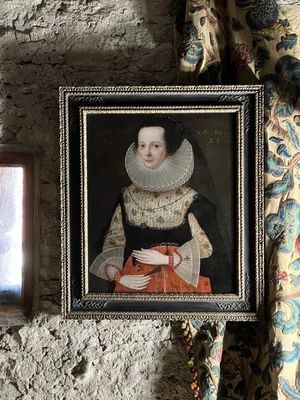
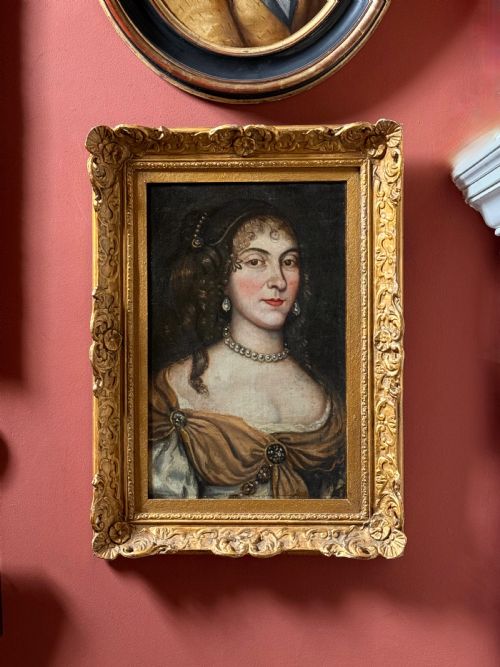
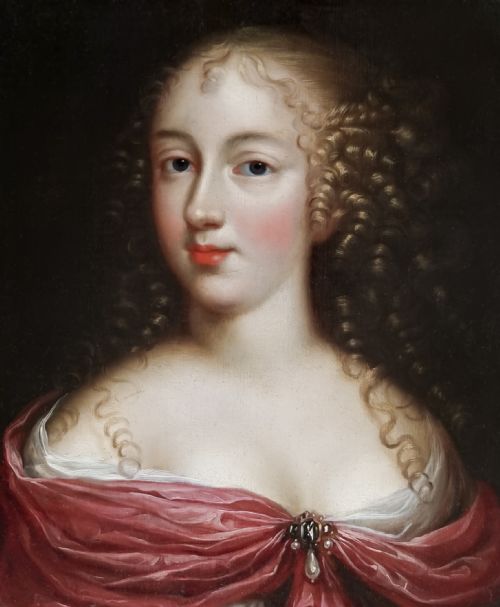
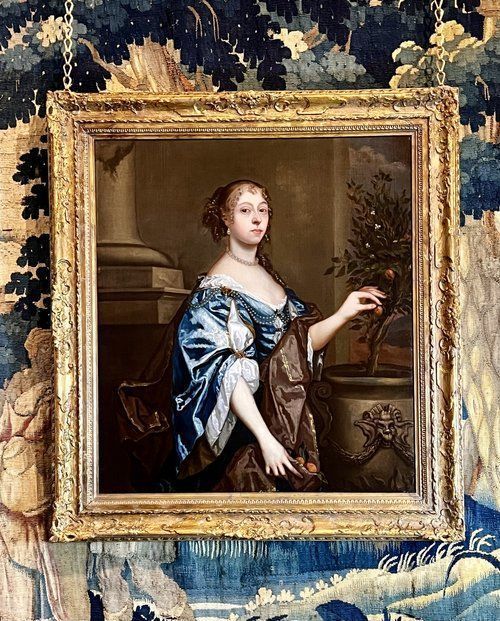
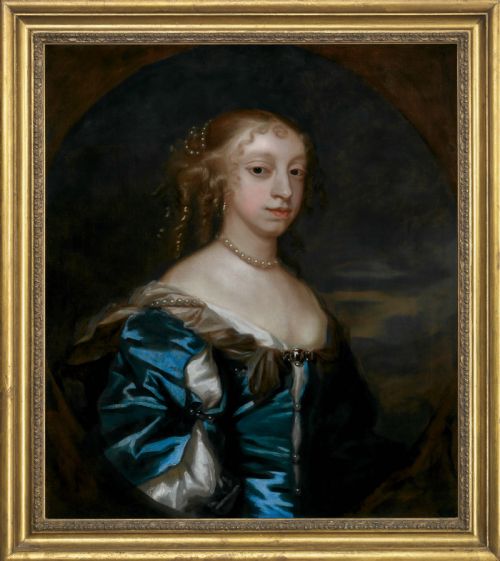
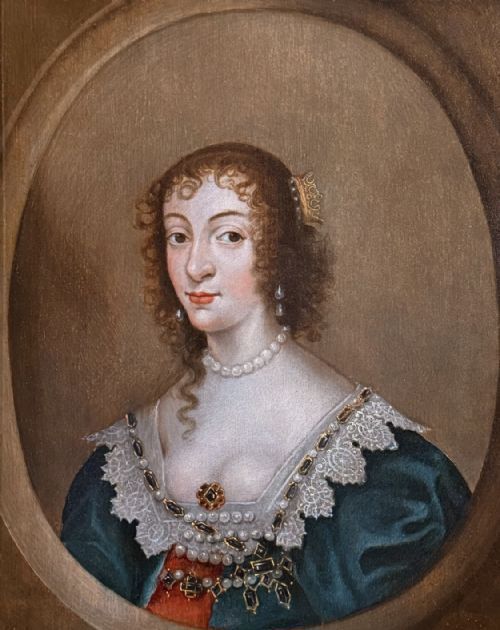
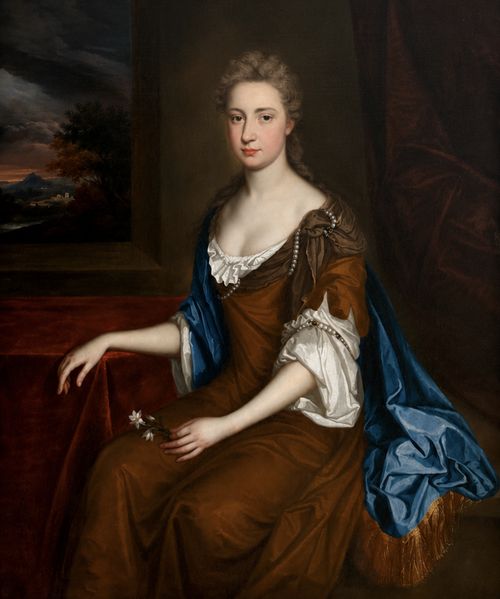
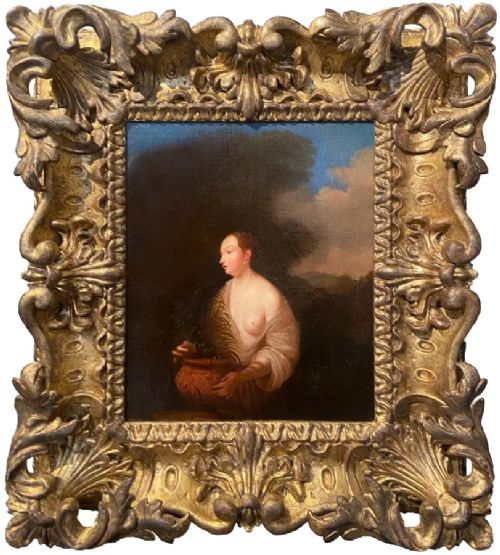
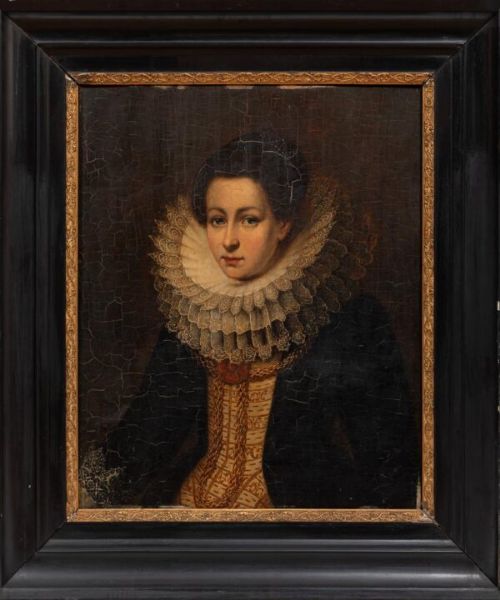
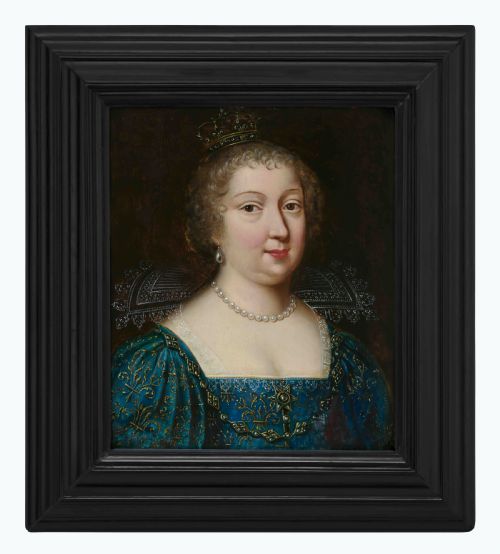
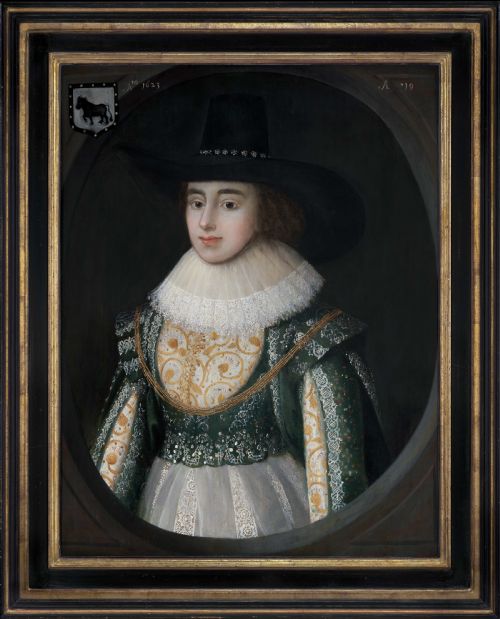
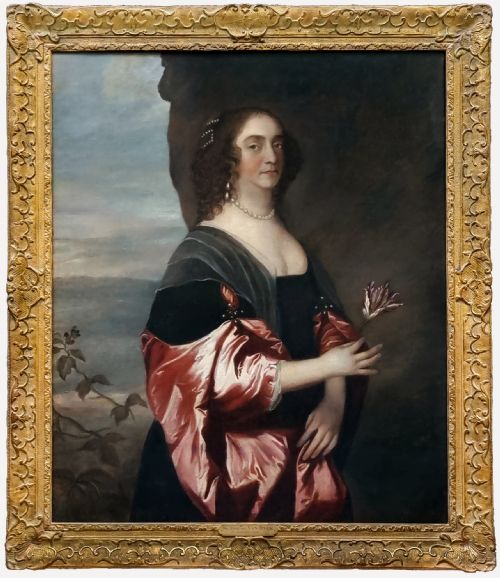
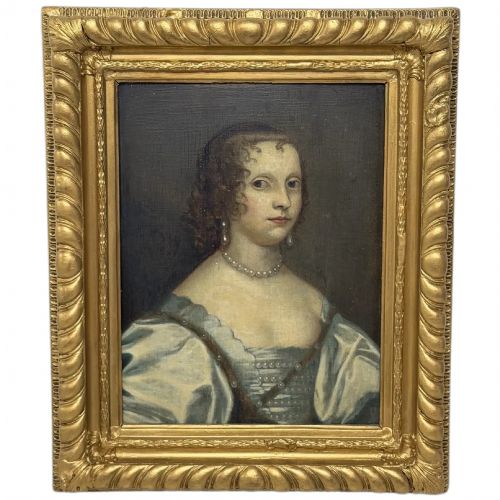
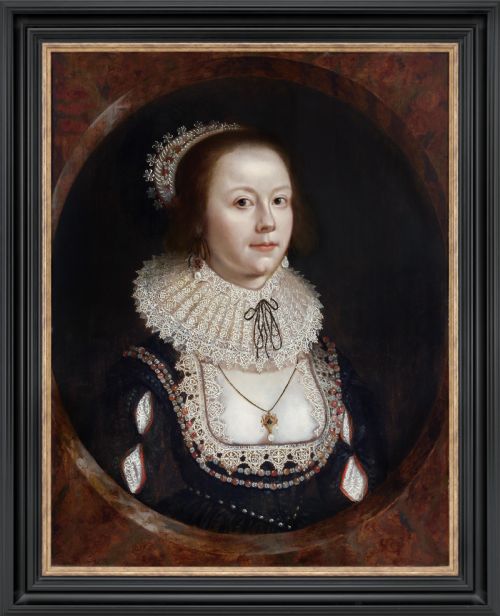
A 17th century female portrait captures noblewomen, ladies, and historical figures in oil paintings or sculptures from the Stuart, Jacobean, and Baroque periods. These works record intricate costumes, ruff collars, pearls, and elaborate silk gowns that reflect the status of the sitter.
The selections available range from British and Dutch school paintings to Italian marble busts and carvings. Buyers encounter depictions ranging from specific named individuals to broader representations created within prominent artistic circles.
Works originate from various European traditions, including French Baroque and Dutch Golden Age aesthetics. Each piece presents the distinct painting techniques and sculptural methods characteristic of the seventeen-hundreds.
Materials and construction
Artists painted primarily with oil paint on stretched canvas or prepared wooden panels such as oak. These substrates received grounds that held pigments mixed from natural earths and minerals, building rich depths in fabrics like satin and velvet.
Sculptural works utilise carved marble and are framed by gilded wood moulding known as giltwood or gold leaf frames. These mounting and framing elements provide structural support while enhancing the visual presence of the artwork.
17th Century Female Portrait Retail Price Guide 2026
Typical asking prices for 17th century female portrait among the pieces listed under this phrase on Sellingantiques today, from the lower quarter to the upper quarter. They describe what is for sale here now, not the wider market.
Several seventeenth-century sitters proudly wear intricate ruff collars so large they must have made eating dinner a genuinely hazardous diplomatic mission.
Distinctions in quality
The fidelity of facial expression and the rendering of textiles establish the upper tier of these works. Mastery in depicting the translucent quality of skin, the fall of light on silk, and the precise detail of lace collars distinguishes accomplished hands from studio copies.
Preservation of the original paint layer and panel integrity heavily influence the standing of a piece. Works retaining undisturbed glazes and minimal intervention command greater appreciation among collectors.
John Hayls·Pierre Mignard·Pieter Borsseler·Toussaint Gelton·Cornelius Johnson·Sir Peter Lely·Nicolaes Maes·Sir Godfrey Kneller·Mary Beale·John Michael Wright·Michael Dahl
The 17th Century Female Portrait Glossary
- Oil on Canvas
- A painting technique where pigmented oil paint is applied to a woven fabric support stretched across a wooden frame. This method allowed artists to achieve smooth tonal gradations and deep colour saturation.
- Giltwood
- Wood that has been coated with a thin layer of gold leaf or powder. This finish is typical of period frames designed to complement the richness of oil paintings.
- Panel Painting
- An artwork executed on a flat piece of wood, commonly oak during this era. Panels provide a rigid support that often preserves fine brushwork exceptionally well over centuries.
- Baroque
- The dominant artistic style of the seventeenth century characterised by dramatic movement, deep shadow, and rich detail. This aesthetic emphasised grandeur and emotional intensity in portraiture.
- Ruff Collar
- A prominent pleated fabric neckpiece worn by nobility during the late sixteenth and early seventeenth centuries. Its intricate folds demand high technical skill from the portraitist.
17th Century Female Portrait: Frequently Asked Questions
How do I identify a seventeenth century portrait?
Examination of the sitter's costume, hairstyle, and collar provides the primary chronological clues. Comparing these elements with documented portraiture fashions of the period confirms the era.
Pigment analysis and the construction methods of the canvas or wooden panel offer further verification of the age of the physical object.
What is the difference between panel and canvas portraits?
Wooden panels provide a rigid, stable surface that was favoured for earlier seventeenth-century works, particularly in northern European traditions. Canvas became more widespread as a flexible and portable medium for larger compositions.
Both supports require specific conservation environments to prevent warping or tension damage over time.
How should I care for an antique oil painting?
Maintaining stable indoor humidity and temperature protects the wooden supports and canvas from expansion and contraction. Direct sunlight must be avoided to prevent fading of sensitive oil pigments.
Cleaning should be left to professional conservators to preserve the original varnish and underlying paint layers.
What does circle of an artist mean?
This attribution indicates that the work was produced in the immediate orbit or workshop of a master. The creator trained under or worked closely with the named painter, adopting their specific style.
These pieces reflect the technical standards and aesthetic choices of the principal artist's studio.