


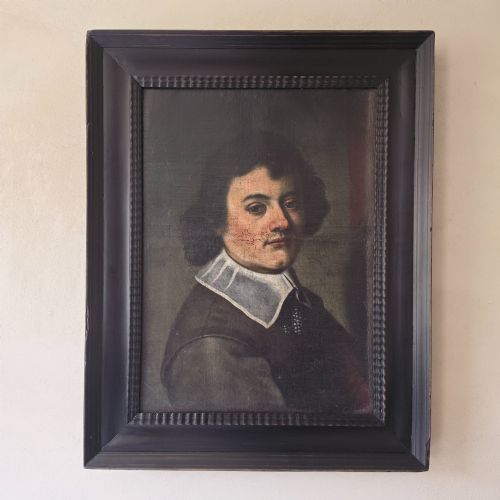

Dutch Baroque Portrait Painting
Dutch baroque portrait painting captures the austere dignity and rich fabric of seventeenth-century life through masterly oil on canvas works.
Dutch Baroque Portrait Painting
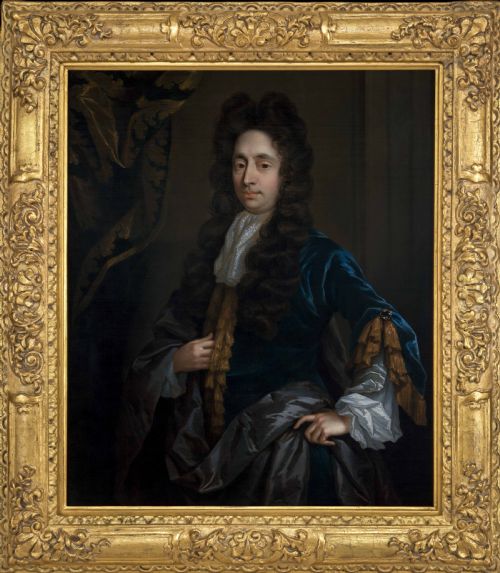
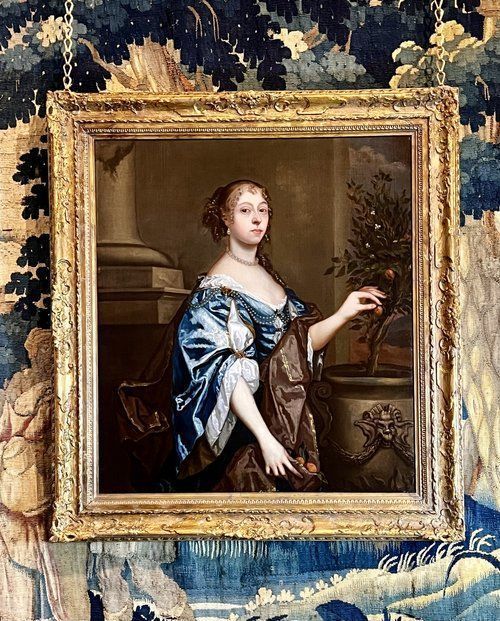
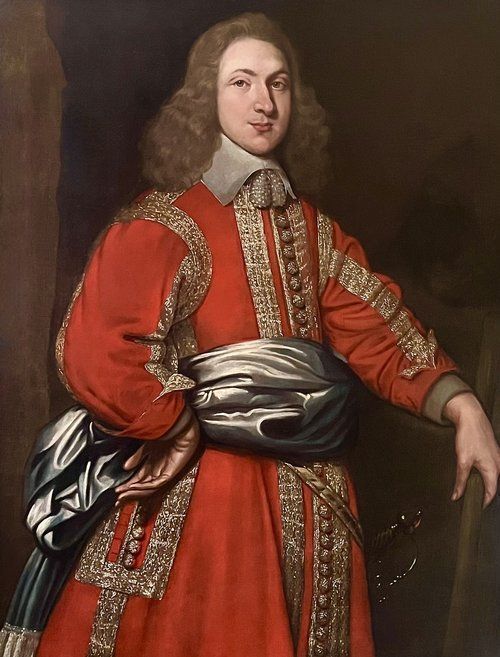
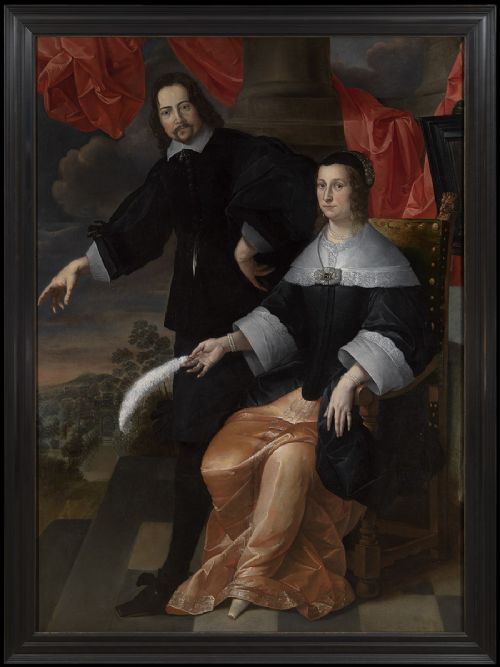
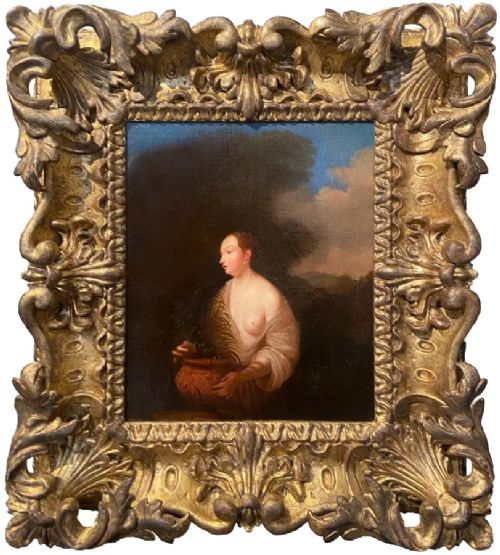
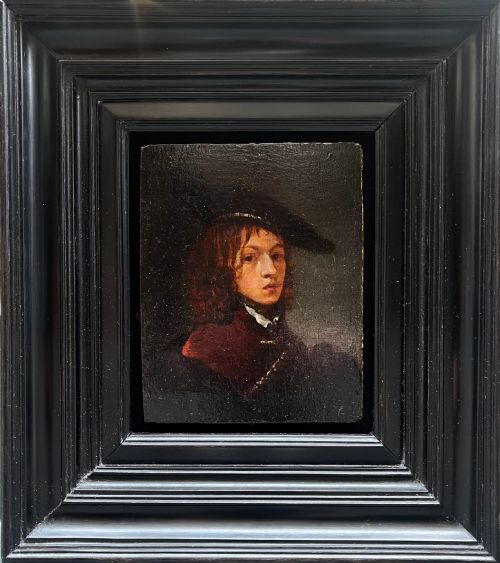
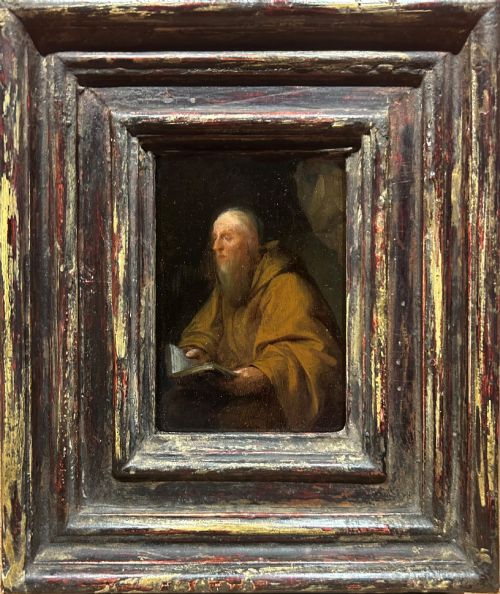
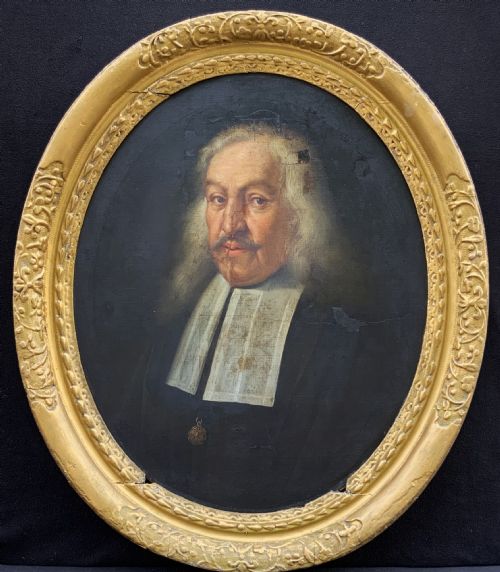
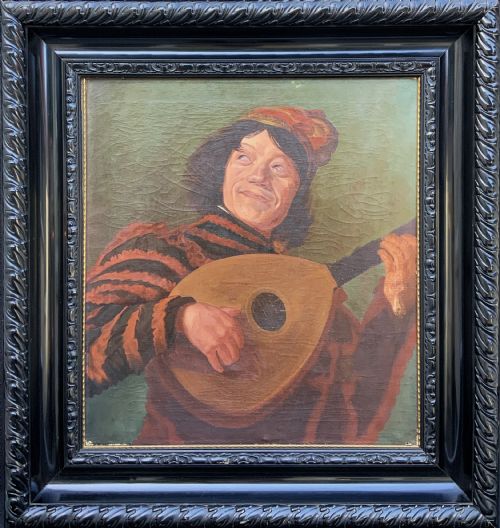
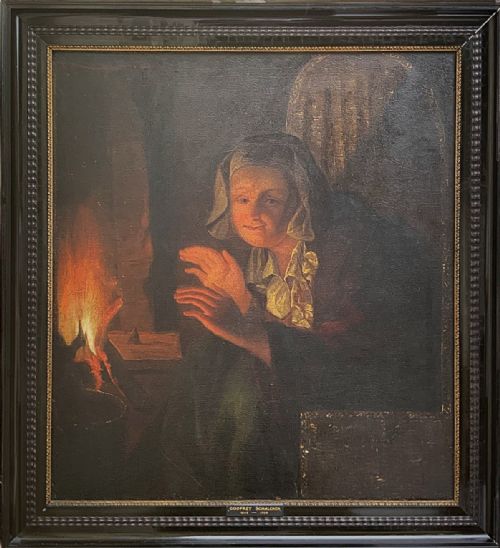
When exploring dutch baroque portrait painting, a buyer encounters oil on canvas and wood panel works depicting gentlemen, noble ladies, and military officers. These fine art paintings span seventeenth-century originals as well as later interpretations produced in the nineteenth century.
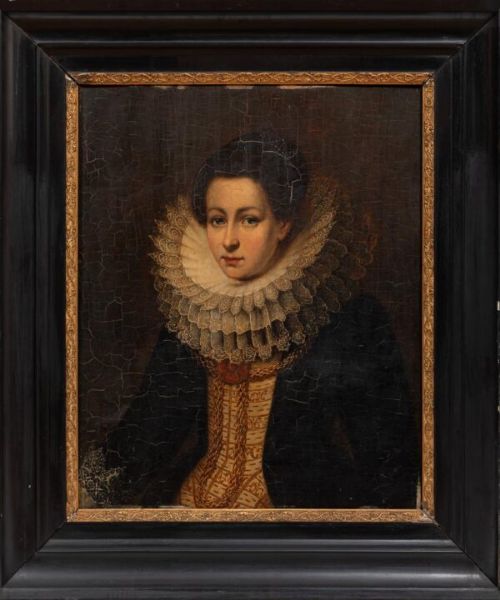
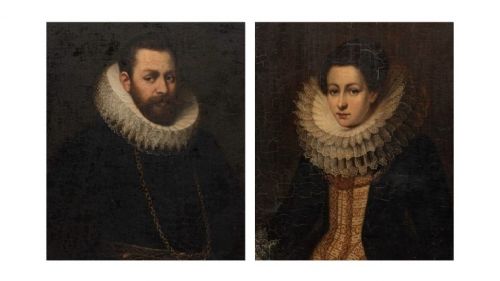
The most common pieces on this page are seventeenth-century oils showing half-length figures adorned with ruff collars, lace, and satin dresses. Alongside authentic period works, the selection includes studio pieces and later nineteenth-century adaptations created in the manner of established masters.
How they were made
These works rely on oil paint applied to woven canvas or prepared wooden panels, utilising rich pigments to build deep shadow and luminosity. Artists layered translucent glazes over solid underpainting to render the realistic sheen of satin, velvet, and intricate lace ruffs.
Frames fashioned from carved giltwood or embellished with gold leaf frequently enclose the canvases, complementing the dark, dramatic palettes typical of northern European portraiture.
Several subjects clutch oranges or wield brooms, reminding us that seventeenth-century sitters valued a touch of eccentricity alongside their stiff ruffs.
What varies in quality
Quality rests upon the subtlety of brushwork in facial modelling and the convincing depiction of textiles, where master hands achieve lifelike skin tones and fabric textures. Lesser examples exhibit stiffer posture and heavier, less nuanced application of oil paint.
Provenance and proximity to a named artist or established workshop elevate a piece, distinguishing direct studio output from later commemorative copies.
Constantyn Netscher·Pieter Borseler·Nicolaes Maes·Wybrand de Geest·Samuel van Hoogstraten
The Dutch Baroque Portrait Painting Glossary
- Baroque
- A style of European art spanning the seventeenth and early eighteenth centuries characterised by dramatic lighting, deep shadows, and intense psychological presence.
- Giltwood
- Timber carved and coated with a thin layer of gold leaf or gold paint, frequently used for traditional picture frames.
- Ruff
- A prominent pleated collar of stiffened fabric worn around the neck during the late sixteenth and seventeenth centuries, meticulously rendered in portraiture.
- Old Master
- A term for a European artist of high skill working before the nineteenth century, or a painting executed by such an artist.
Dutch Baroque Portrait Painting: Frequently Asked Questions
How do I identify a seventeenth-century original?
Authentic period pieces show natural craquelure across the oil paint and canvas appropriate to their age. Examination of the stretcher bars and reverse of the canvas often reveals historical indicators.
Style, costume details, and pigment analysis further support the dating of these fine art paintings.
What is the difference between circle and follower?
A painting attributed to the circle of an artist indicates direct professional association within the same workshop environment during the master's active period. A follower usually implies a later hand working in the distinct stylistic manner of that master.
Both categories reflect the enduring influence of the Dutch Golden Age.
How should I care for an oil on canvas painting?
Display the artwork away from direct sunlight and significant fluctuations in temperature or humidity to protect the canvas and oil paint. Avoid touching the painted surface directly, as natural oils can damage the fragile layers.
Dust the giltwood frame gently with a dry, soft brush.
Why do some portraits feature ruff collars?
Ruff collars served as prominent status symbols for nobility and wealthy burghers during the sixteenth and seventeenth centuries. Their intricate pleating allowed portrait painters to demonstrate exceptional technical skill in rendering stiffened white fabric against dark garments.