



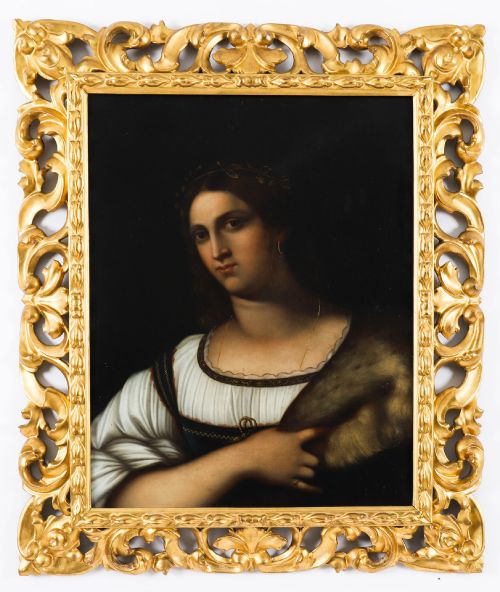
Gilded Oil Painting Frame
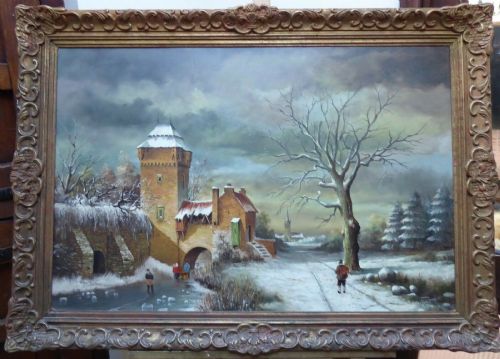
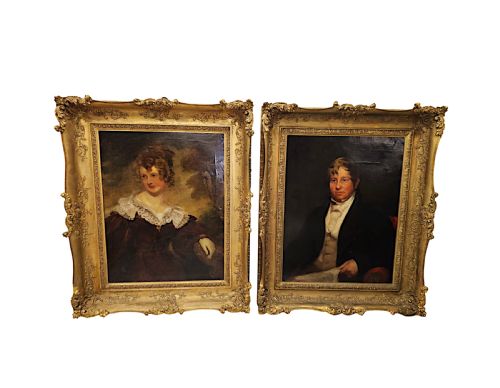
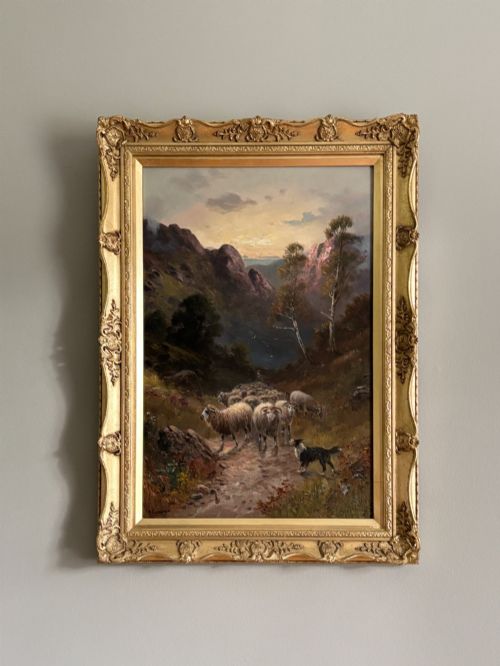
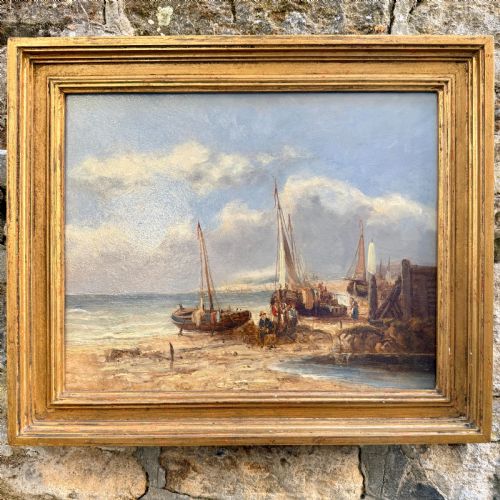
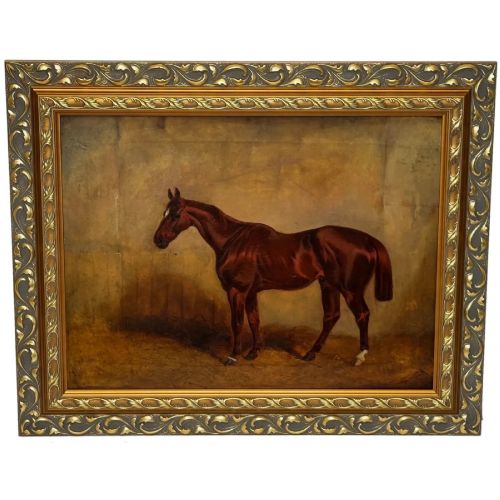
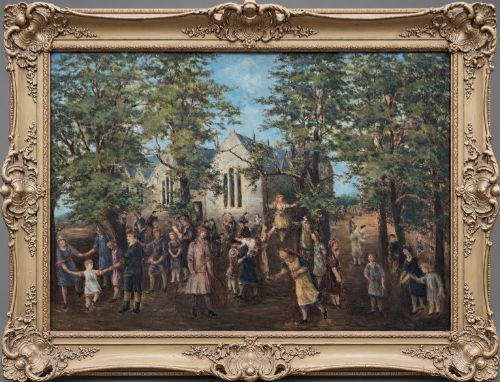
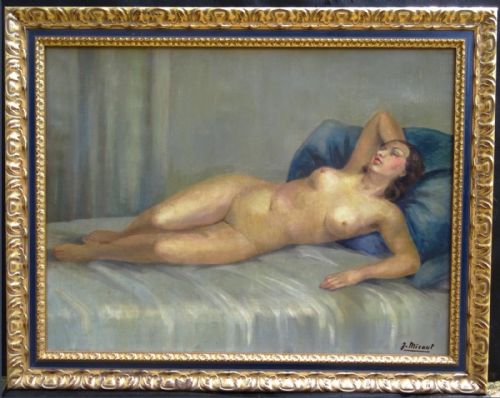
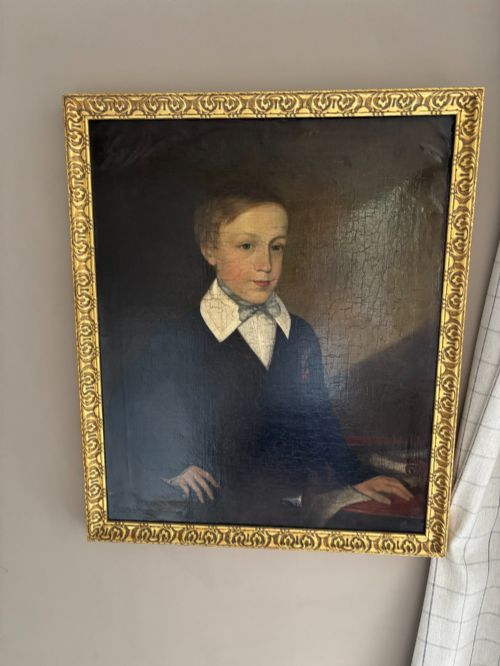
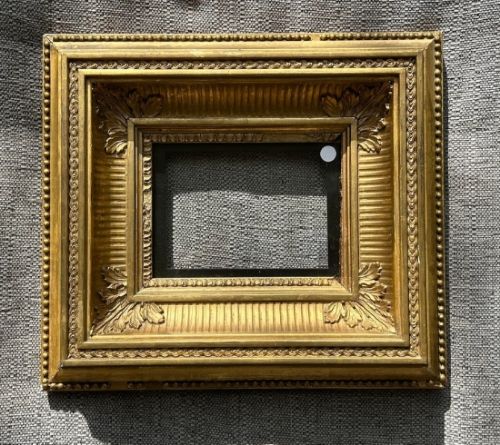
A gilded oil painting frame provides a luminous architectural boundary that lifts the canvas within it and anchors the artwork on the wall.
Gilded Oil Painting Frame
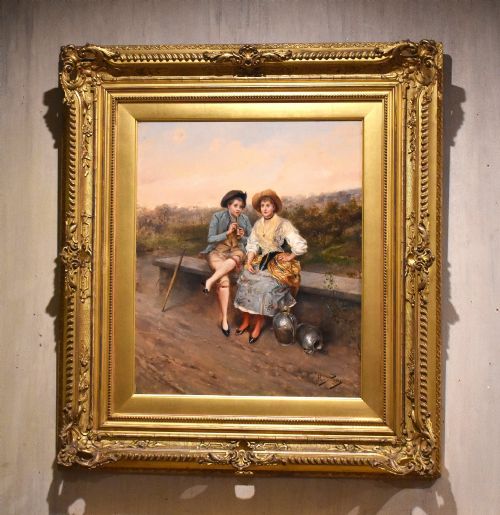
A gilded oil painting frame exists primarily to enclose and elevate canvas works, ranging from deep hollow antique profiles to ornate Victorian surrounds. When you search for a gilded oil painting frame, you encounter surrounds designed to house everything from intimate 17th-century portraits to expansive 19th-century landscapes.
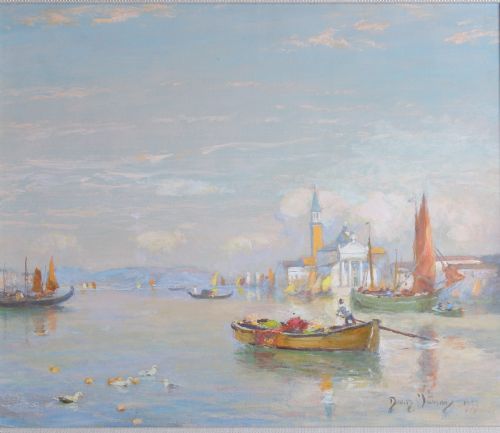
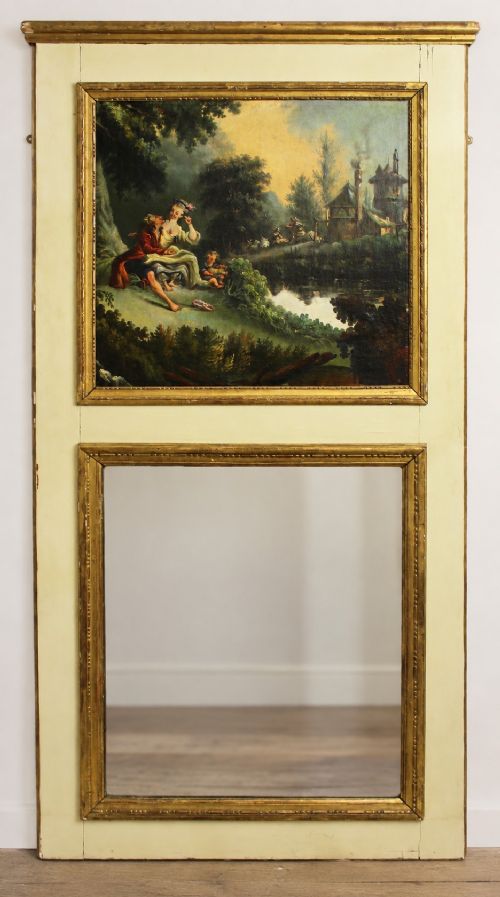
The versions most commonly met on this page span the 17th century through the Edwardian period, often incorporating wood, gesso, and gold leaf. Many of these surrounds accompany oil paintings on canvas or board, while others survive independently as picture frames and trumeau mirrors.
Makers and regional schools across Britain and Europe shaped these surrounds with distinct stylistic vocabularies, spanning Baroque depth, French Rococo curves, and Georgian symmetry. Each period imparts a specific weight and corner ornamentation to the timber moulding.
Construction and gilding methods
Carved timber forms the foundational core of these surrounds, providing a stable structure capable of supporting heavy layers of preparatory material. Joinery techniques at the corners often utilise keyed mitres to prevent movement across the mitre joints over centuries.
Gesso, a mixture of chalk and size, is applied over the wood in multiple thin layers and smoothed to create a flawless surface for ornamentation. This white ground is then carved or stamped to form crisp foliate and geometric reliefs before any metal is applied.
Gold leaf or giltwood finishes are laid over a coloured bole base, often using water gilding or oil gilding techniques to achieve a brilliant metallic sheen. Burnishing with an agate stone brings specific sections of the gold to a high polish while leaving recessed areas matte.
Several portraits retain their original stable masters, proving that even horses in 1843 enjoyed having their likenesses properly edged in gold.
Craftsmanship and preservation
The depth and crispness of the gesso moulding separate superior examples from routine commercial output, as hand-carved or meticulously stamped ornament retains sharp relief. Inferior surrounds often rely on heavy composition casts that obscure underlying detail and crack over time.
The integrity of the original gilding surface dictates much of the visual success of the piece, with untouched gold leaf displaying a warm, variegated patina. Over-gilding or heavy bronze paint applied during later centuries masks the subtle tonal variations of the base metal.
Structural soundness in the timber frame ensures that the mitres remain tight and the rebate securely holds the canvas without warping. Surviving corner blocks and original backing boards indicate higher workshop standards and careful historical stewardship.
Sir Godfrey Kneller·Michael Dahl·Thomas Murray·Sir Peter Lely·Sir Joshua Reynolds
The Gilded Oil Painting Frame Glossary
- Gesso
- A dense plaster mixture of chalk and animal glue applied to wood frames to create a smooth surface for gilding. It accepts fine carving and stamping before the metal leaf is laid down.
- Giltwood
- Timber that has been covered with a thin layer of gold leaf or powder. This material defines the lustrous finish characteristic of formal period frames.
- Bole
- A fine prepared clay layer applied beneath gold leaf in water gilding. Its warm reddish or yellow tone shows through slight wear in the gold.
- Rebate
- The recessed channel on the reverse inner edge of a frame designed to receive and secure the canvas or panel. Its depth determines how well a painting sits within the surround.
- Trumeau
- An architectural wall mirror featuring a painted or carved panel set above the glass plate. These decorative units frequently incorporate pastoral oil paintings.
Gilded Oil Painting Frame: Frequently Asked Questions
How do I match a frame to a painting?
Consider the period, scale, and visual weight of the canvas to ensure the surround complements rather than overpowers the artwork. A 17th-century portrait typically requires a heavier, deeper moulding than a delicate landscape from the 19th century.
Matching the tonal quality of the gold leaf to the palette within the oil painting creates a cohesive presentation. Professional framers often look at historical precedent to pair specific canvas styles with appropriate moulding profiles.
Can these frames be hung safely?
Solid wood and gesso frames carry considerable weight and require secure wall fixings anchored directly into studs or masonry. Heavy brass D-rings and braided wire suited to the load rating of the piece are essential for stable suspension.
Regularly inspect the backing timber and corner joints to ensure the structural integrity remains uncompromised over years of hanging. Professional installation prevents accidental drops that could damage both the surround and the canvas.
What causes the gold leaf to crack?
Fluctuations in room temperature and humidity cause the underlying timber core to expand and contract, placing stress on the rigid gesso ground. This natural movement results in fine hairline cracking across the surface of the gold over many decades.
Stable indoor environments with moderate humidity levels help minimise further timber movement and preserve the existing finish. Old shrinkage cracks often serve as a reliable indicator of genuine age and historical authenticity.