

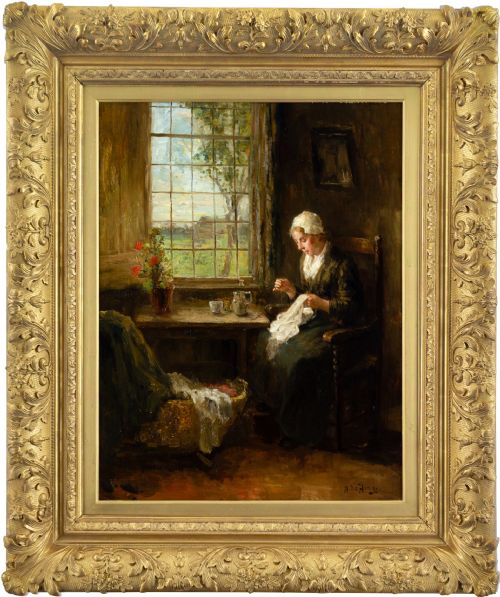


Framed Dutch Oil Portrait
A framed dutch oil portrait brings the sober gravity and rich lighting of seventeenth-century domestic life directly into a modern room.
Framed Dutch Oil Portrait
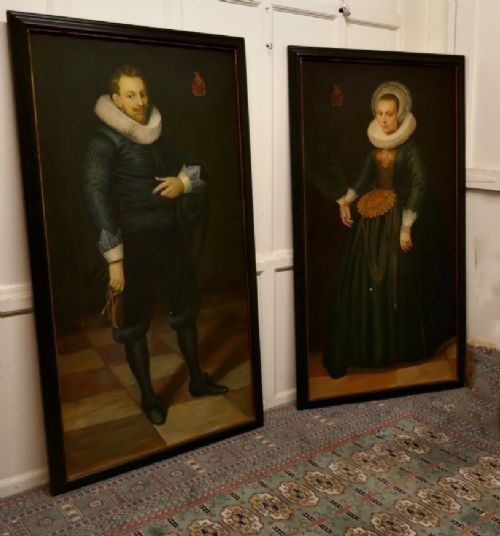
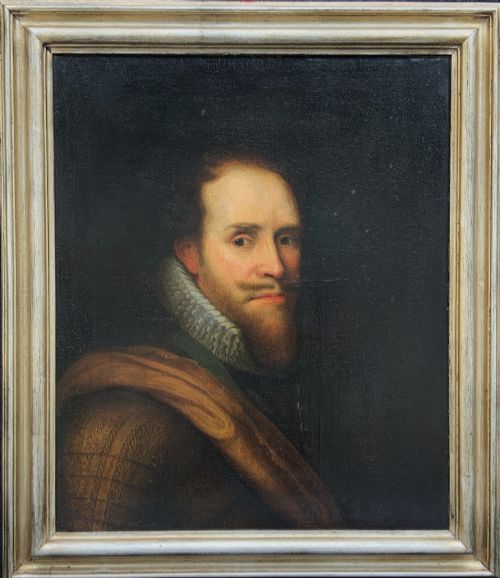
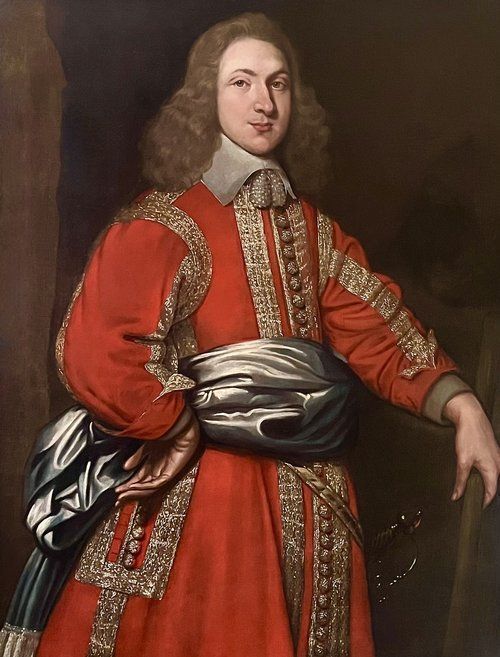
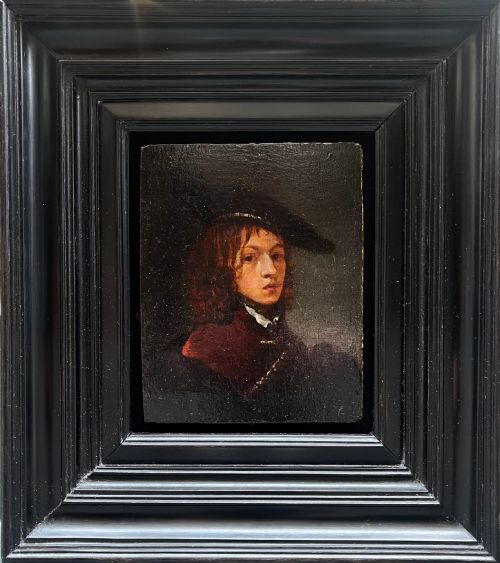
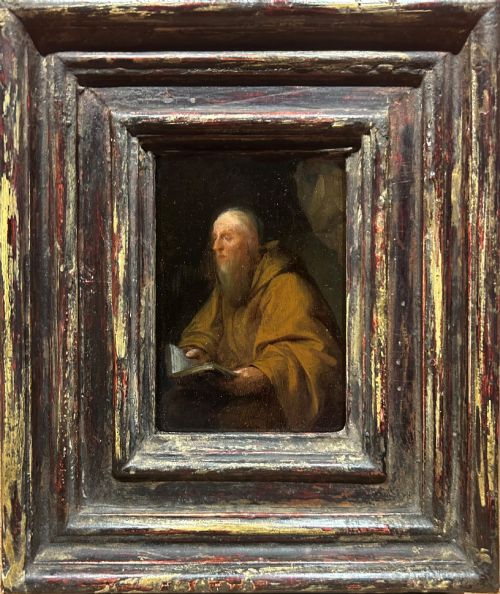
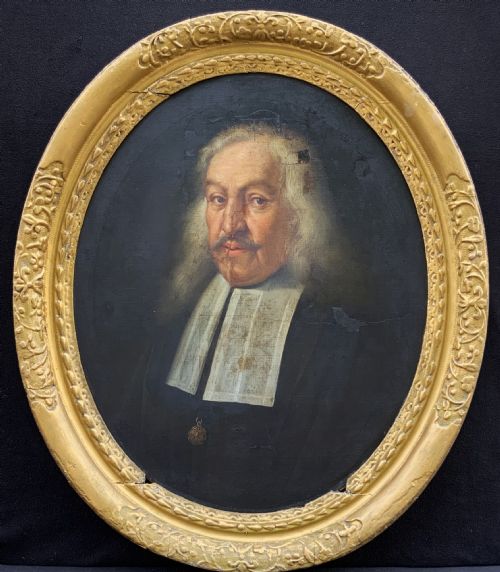
A framed dutch oil portrait captures subjects ranging from military officers and nobility to hermits and children, rendered through the lens of the Dutch Golden Age and subsequent revival periods.
Most examples encountered here date from the seventeenth century or follow its distinct stylistic traditions, often set within heavy giltwood frames.
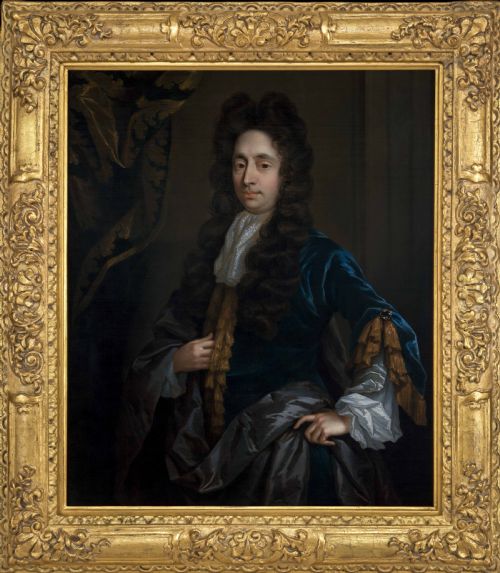
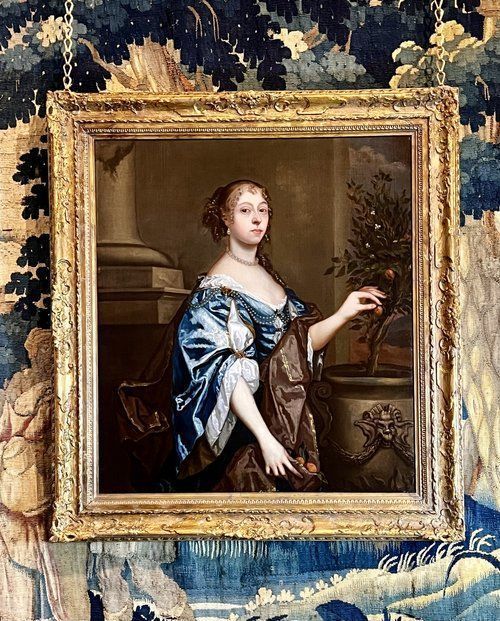
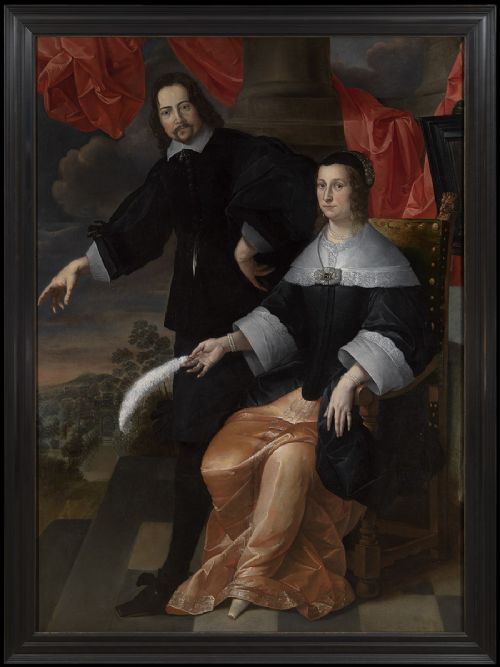
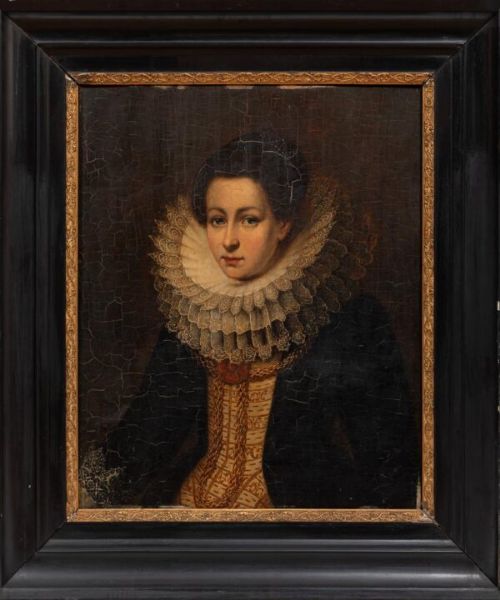
The compositions present half-length studies, double portraits, and interior scenes featuring figures in ruff collars, velvet coats, or satin dresses.
Materials and Technique
Artists painted primarily with oil pigments on stretched canvas, occasionally utilising wood panels or vinyl canvas for later interpretations.
Makers applied layers of oil paint to build deep shadows and luminous highlights, characteristic of Baroque and Northern European schools.
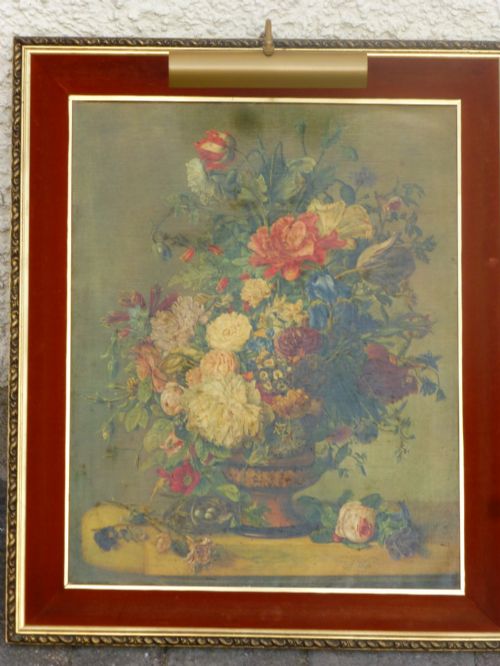
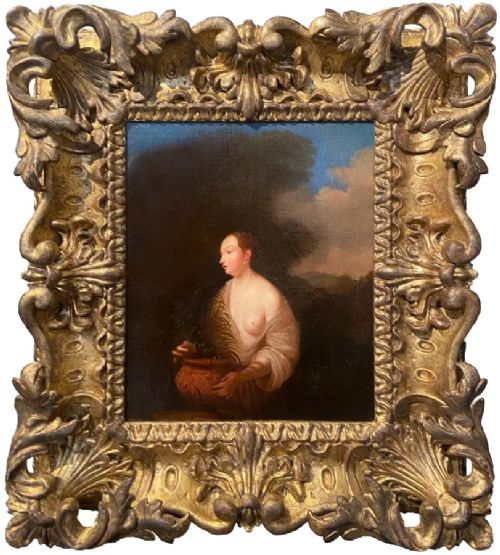
Many works incorporate ornate wooden frames embellished with gold leaf and gilt finishes to complement the dark palettes of the paintings.
Several portraits preserve the intense gazes of subjects who sat still for hours, only to be immortalised alongside a pet dog or a jug of beer.
Quality and Execution
The distinction between a work by a master's hand and a later studio production or nineteenth-century copy rests upon the subtlety of brushwork and the management of light.
Superior execution shows in the realistic rendering of textiles, such as the intricate pleats of a ruff collar or the sheen of satin, alongside lifelike facial expressions.
Secondary pieces often rely on formulaic shadowing and stiffer postures, reflecting the output of followers or later revivalists working decades after the original period.
Constantyn Netscher·Pieter Borseler·Nicolaes Maes·David Teniers
The Framed Dutch Oil Portrait Glossary
- Oil on Canvas
- A painting medium where pigments suspended in drying oils are applied to a woven fabric support. This combination allows for rich blending and deep tonal graduation.
- Giltwood
- Wood carved and treated with a thin layer of gold leaf or metallic powder. It provides reflective, ornate borders typical of period framing.
- Dutch Golden Age
- A period spanning the seventeenth century marked by immense output in painting, noted for mastery of light, shadow, and realistic portraiture.
- Ruff Collar
- A prominent, pleated neckwear fashion popular in the sixteenth and seventeenth centuries. Its intricate folds demand high technical skill from the portraitist.
- Manner of
- A designation indicating an artwork executed in the style of a specific master or period without being a direct copy. It reflects the pervasive influence of major historical workshops.
Framed Dutch Oil Portrait: Frequently Asked Questions
How do I identify a seventeenth-century original?
Authentication relies on examining the canvas weave, pigment composition, and stretcher construction alongside stylistic indicators like brushstroke freedom and costume accuracy.
Expert examination often reveals period-specific ageing and craquelure that later nineteenth-century or twentieth-century copies fail to replicate convincingly.
What is an Anglo-Dutch school attribution?
This term describes artwork produced by painters working under the stylistic exchange between English and Dutch traditions during the seventeenth century.
Such pieces frequently blend the formal requirements of English patrons with the meticulous lighting and realism characteristic of Dutch studios.
How should I hang a heavy giltwood frame?
Secure mounting requires anchoring directly into wall studs or using heavy-duty cavity fixings rated for the combined weight of the wood and canvas.
Positioning the painting away from direct sunlight and heat sources protects both the oil pigments and the delicate gilt leaf from cracking.
Why do some portraits depict everyday workers?
The Dutch Golden Age shifted artistic focus toward genre scenes and realistic depictions of ordinary citizens, including fisher girls, musicians, and tavern figures.
These subjects allowed artists to explore human character and daily labour with the same serious technique previously reserved for nobility.