

Georgian Gentleman Oil Portrait
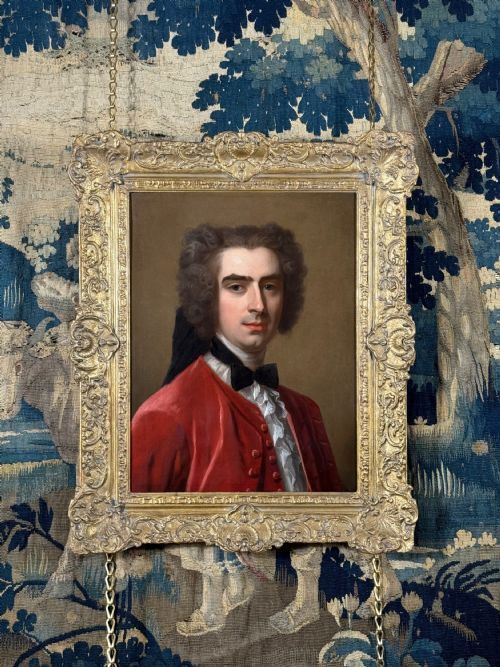
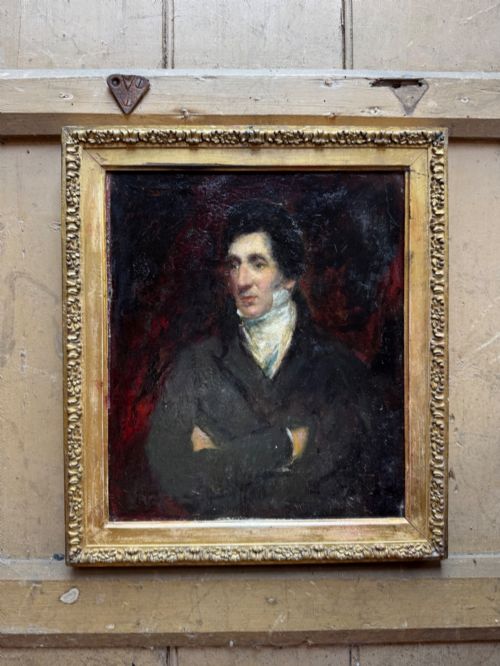
A georgian gentleman oil portrait brings the steady gaze of past centuries directly into a modern room through rich canvas and layered oil paint.
Understanding a georgian gentleman oil portrait
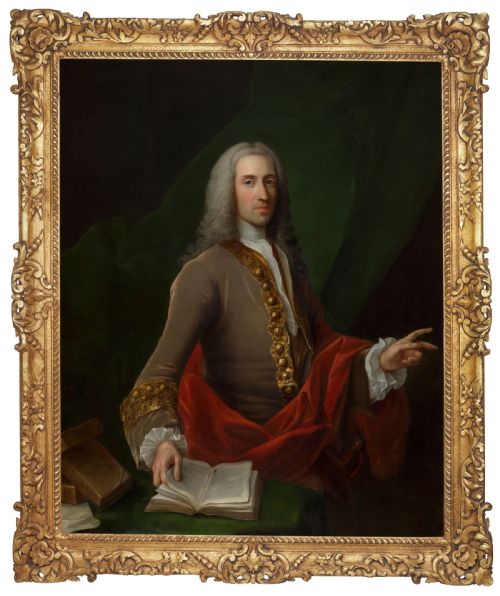
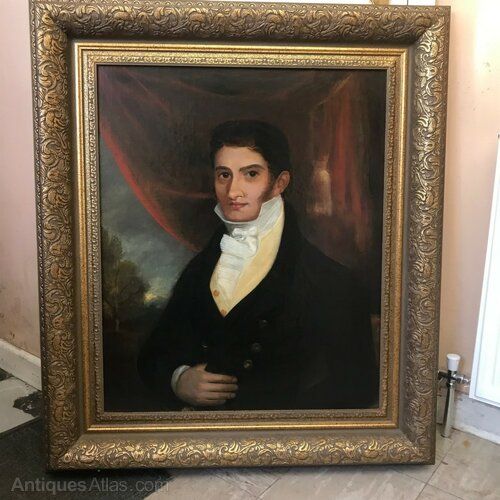
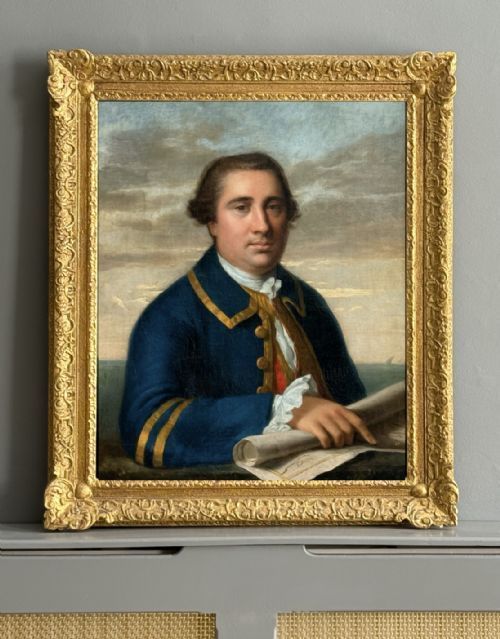
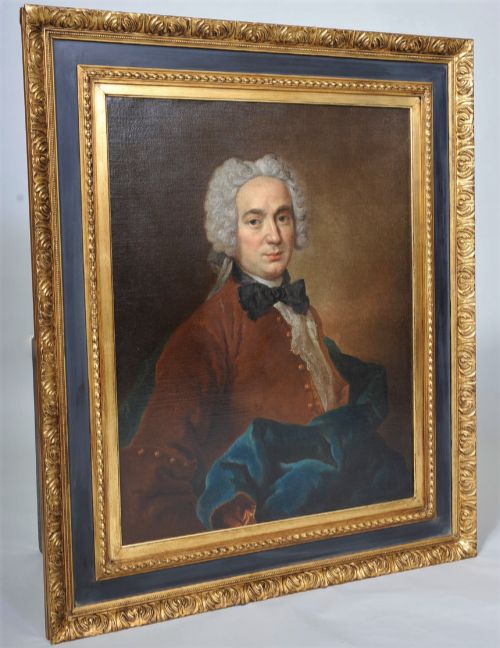
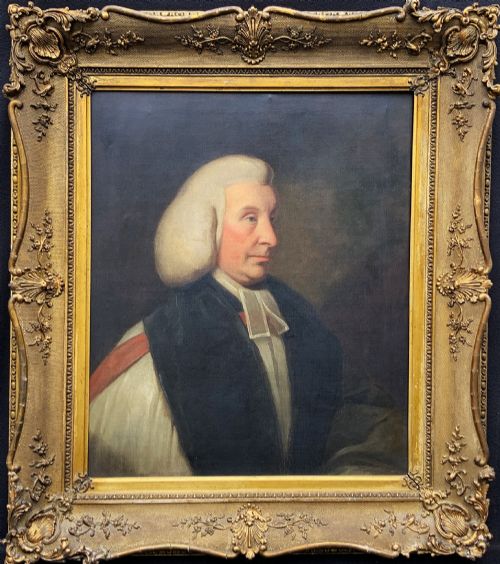
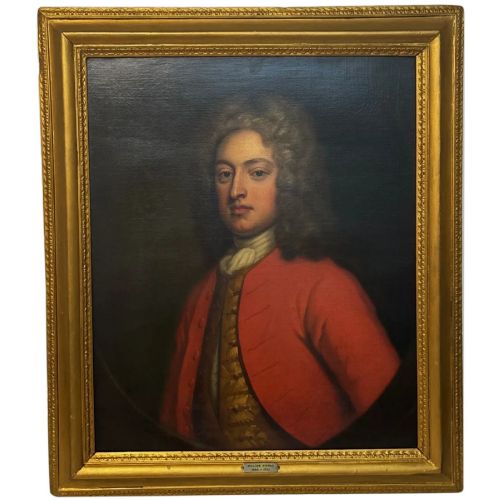
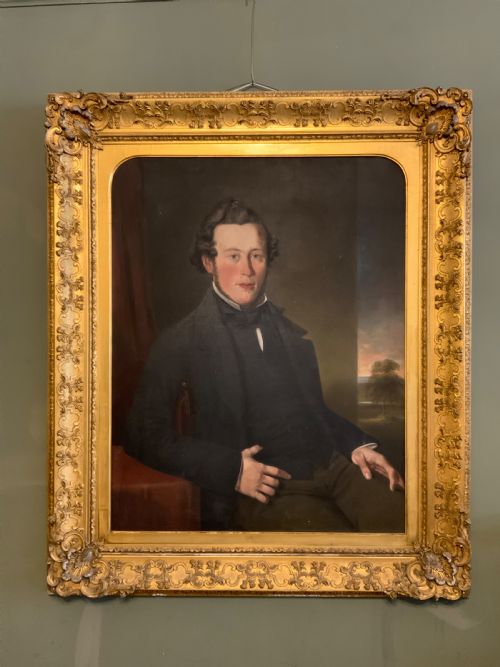
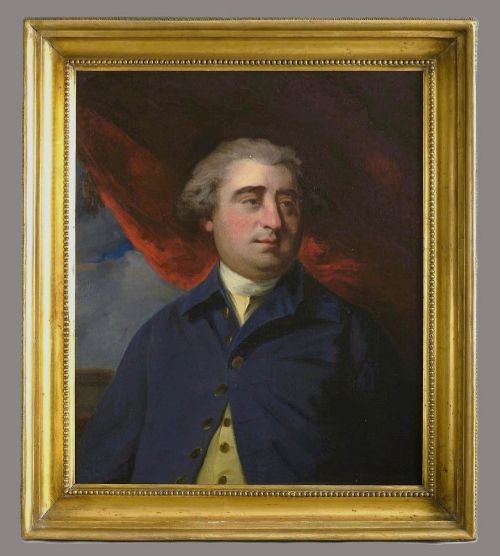
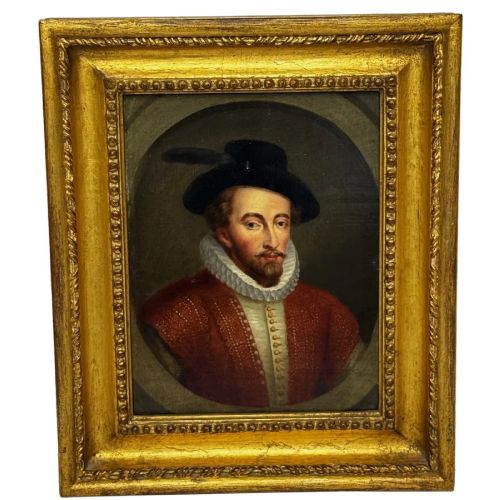
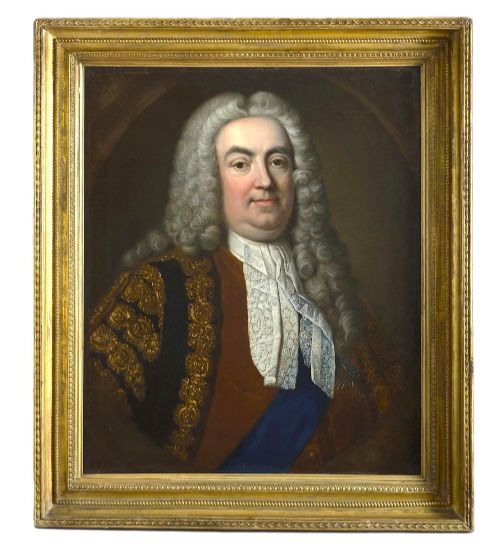
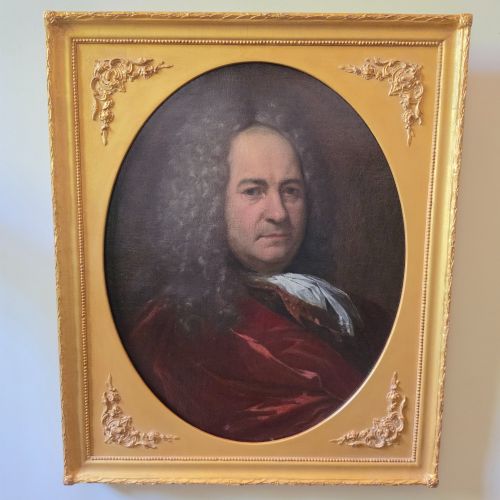
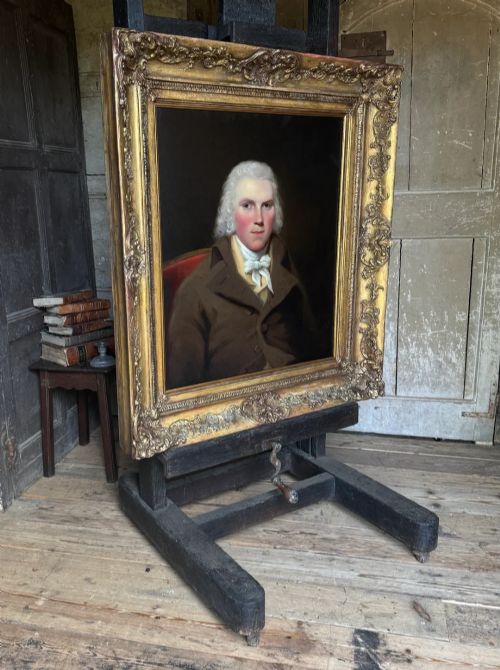
A georgian gentleman oil portrait captures male sitters from the eighteenth and early nineteenth centuries, encompassing the Georgian and Regency periods. These works emerge primarily from the British School, depicting figures in formal evening wear, clerical attire, or carrying accessories such as hats.
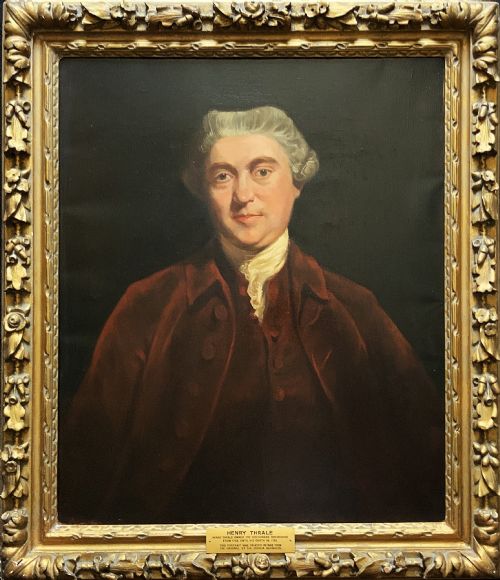
Buyers frequently encounter paintings on canvas, sometimes laid onto wood panels or boards, housed in period giltwood frames decorated with gold leaf. Subjects range from named individuals like William Sandeman and Dr Samuel Johnson to anonymous auctioneers, Masonic members, and distinguished gentlemen.
The selection includes cabinet-sized miniatures alongside larger canvases, reflecting both intimate domestic commissions and formal portraiture traditions. Pairs of portraits depicting a gentleman alongside a lady occasionally appear from the eighteenth century.
Materials and methods
Painters applied oil pigments directly onto woven canvas supports, occasionally utilising unlined original canvas or supporting the fabric on wood panels and boards. Frames were constructed from wood and embellished with gold leaf to create ornate giltwood housings.
Artists built depth through successive layers of translucent oil glazes, capturing the texture of velvet coats, linen cravats, and powdered wigs. Signatures and attribution details, when present, reveal the hand of period workshops and named practitioners.
Retail Price Guide 2026
Typical UK retail prices for georgian gentleman oil portrait, calculated from the Sellingantiques database of over a million retail prices indexed since 2003. This retail price guide relies exclusively on Sellingantiques data; no external sources or auction records are used, so the figures do not describe the wider market.
Several gentlemen managed to preserve their hats inside the frame rather than leaving them in the hallway.
Distinctions in quality
The mastery of facial anatomy and the subtlety of light across skin and fabric distinguish accomplished portraiture from utilitarian workshop production. Superior examples convey a psychological presence and individual character rather than a rigid formula.
The preservation of the original canvas, minimal restoration, and the presence of a matching period giltwood frame contribute substantially to the integrity of the piece. Works retaining their unlined ground and original stretchers offer greater historical completeness.
Thomas Beach·Allan Ramsay·Sir Joshua Reynolds
The Georgian Gentleman Oil Portrait Glossary
- Giltwood
- Wood carved and covered with thin gold leaf or gilt powder. This material forms the traditional reflective frame surrounding Georgian canvases.
- Canvas
- A heavy woven fabric stretched across a wooden frame to act as the painting support. Most oil portraits from this era utilise this material.
- British School
- A term denoting artists trained or working within Britain during a specific period. Many unsigned portraits are attributed collectively to this school.
- Unlined canvas
- Original fabric that has not been backed with a secondary layer of linen for structural reinforcement. This condition is valued by collectors for authenticity.
- Regency
- The stylistic period spanning the early nineteenth century defined by classical restraint and specific civilian fashions. Portraits from this era show distinct shifts in gentlemanly attire.
Frequently Asked Questions
How do I identify a genuine period canvas?
Examine the reverse of the stretcher bars and the weave of the fabric for signs of age, oxidation, and period tacking edges.
Older canvases exhibit darkening in the oil medium and natural crazing across the paint surface that modern reproductions cannot replicate.
Were these portraits always painted from life?
Many sitters sat directly for the artist in a studio setting, particularly when commissioned by the individual or their family.
Other works, including posthumous tributes or copies after prominent masters like Sir Joshua Reynolds, were painted from existing likenesses or earlier portraits.
What clothing clues help date the painting?
Changes in neckwear, such as the transition from stiff cravats to elaborate shirt frills and high-collared coats, mark specific decades.
Evening wear, clerical robes, and Masonic regalia also provide precise temporal markers tied to the sitter's profession or station.
How should I hang and light an oil portrait?
Position the painting away from direct sunlight and away from rapid temperature fluctuations caused by radiators or fireplaces.
Utilise low-heat LED picture lights mounted above the frame to illuminate the dark tones of the oil medium without damaging the canvas.