


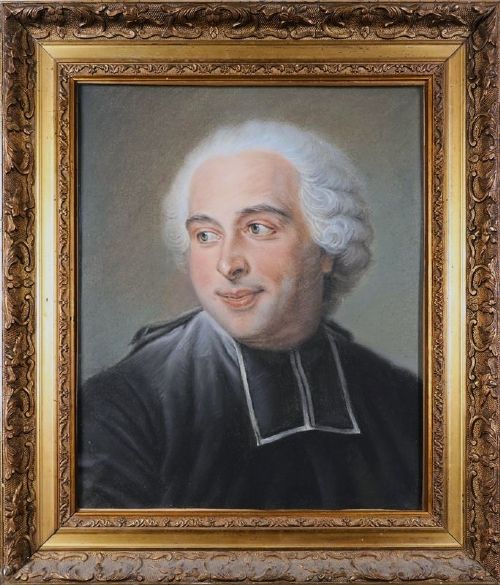
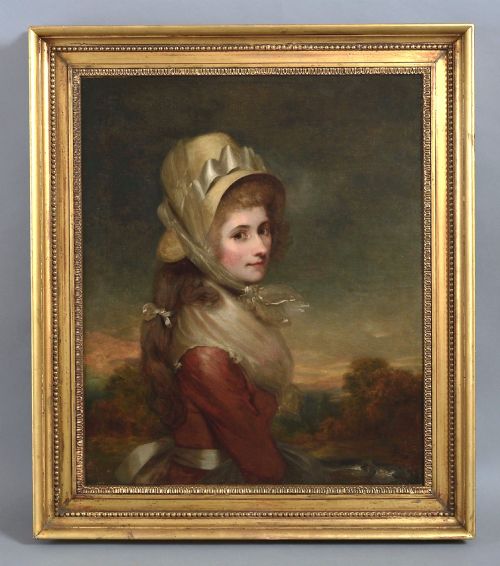
Gold Gilt Framed Artwork
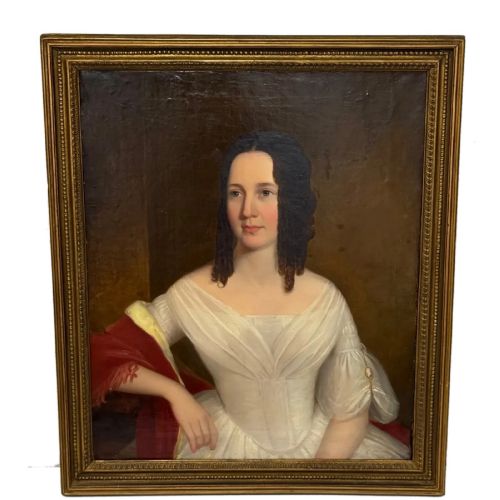
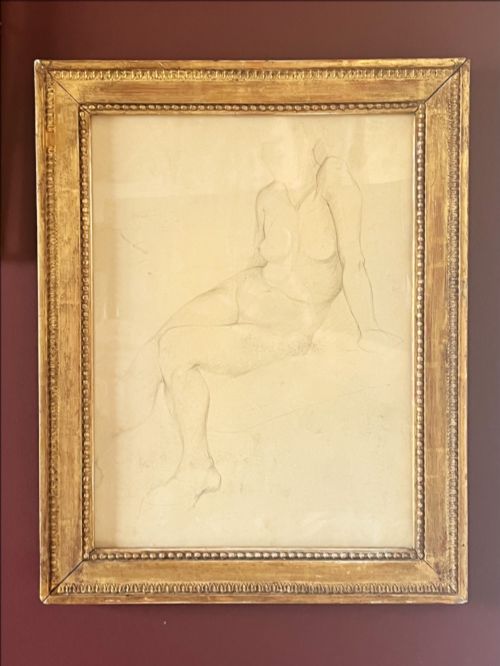
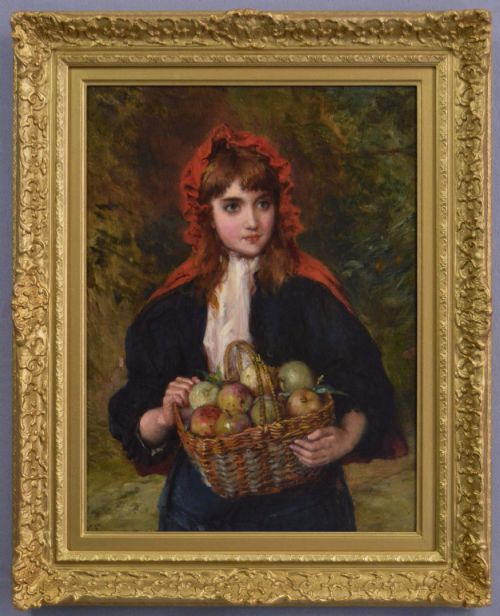
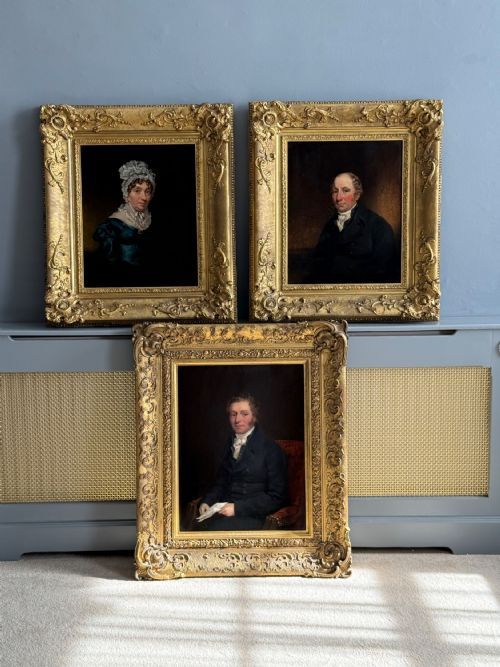
Gold gilt framed artwork brings centuries of painted portraits, landscapes and drawings to life within ornate metallic surrounds.
Gold Gilt Framed Artwork
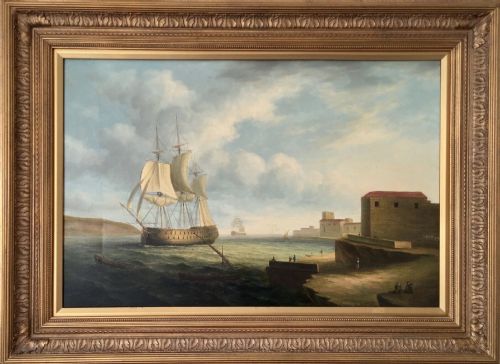
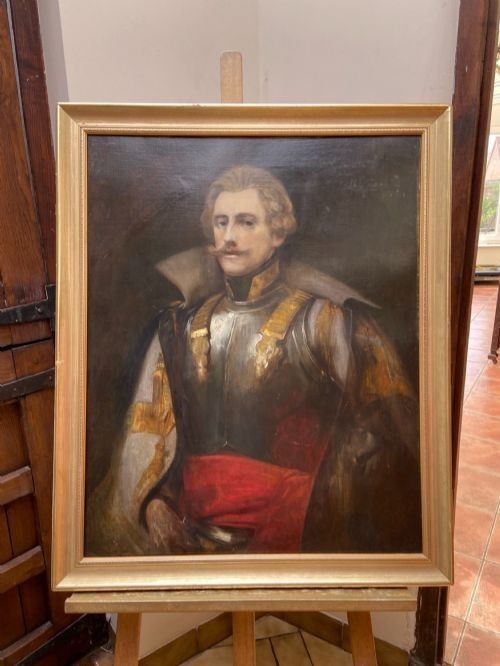
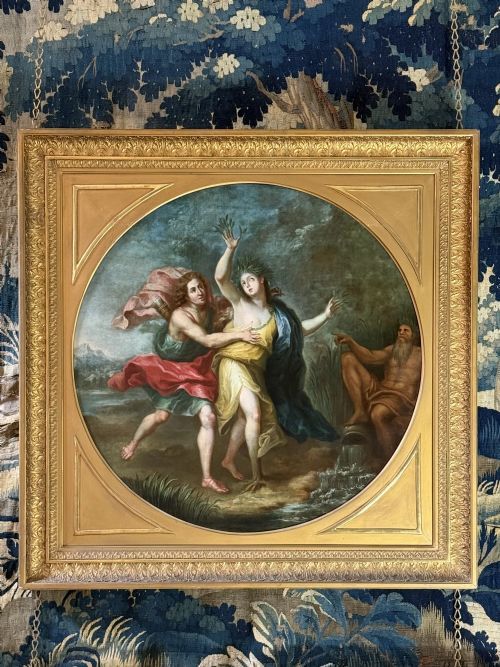
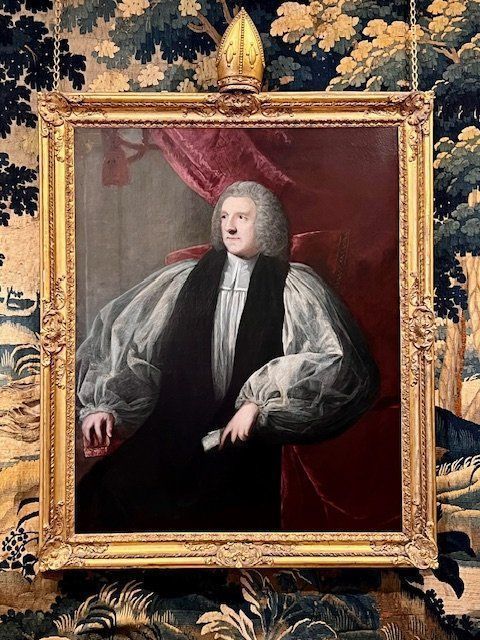
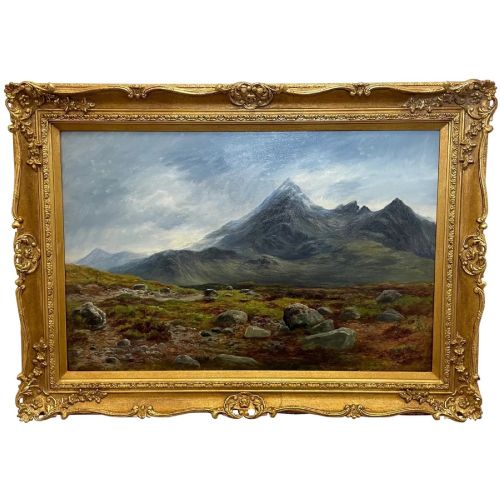
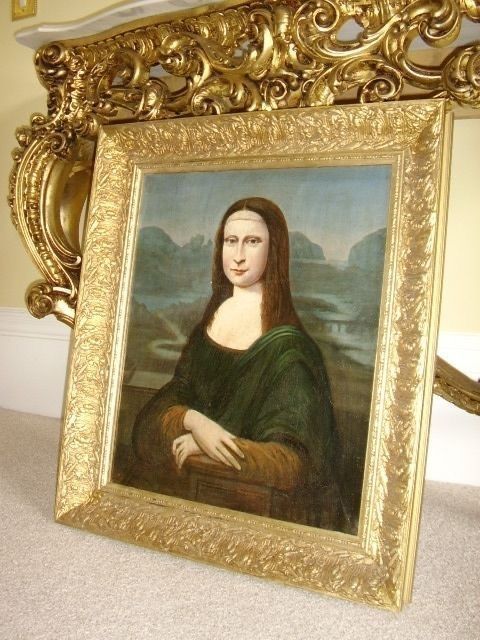
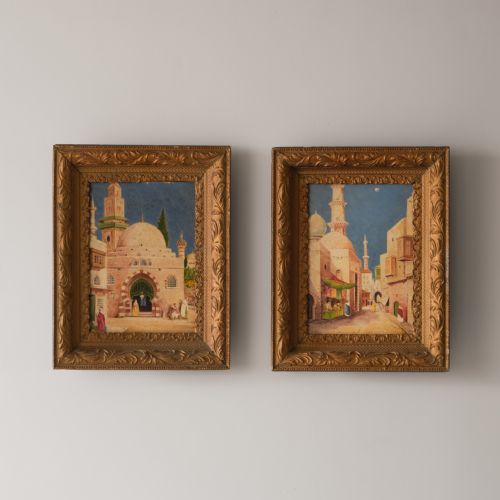
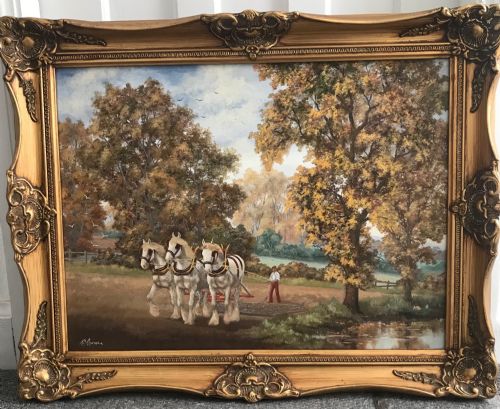
Gold gilt framed artwork encompasses oil paintings, watercolours, pastels and engravings enclosed in decorative wood and gilt surrounds. When exploring gold gilt framed artwork, buyers encounter pieces spanning from the seventeenth century through to the mid-twentieth century. Portraits, landscapes and classical scenes dominate the selection available.
The objects originate from various periods including the Regency, Victorian and Edwardian eras, alongside French Rococo styles. Many works represent original paintings on canvas or panel, while others include period engravings and prints. The unifying element across these pieces is the presence of a gilded frame enhancing the visual weight of the imagery.
Materials and Techniques
Artists worked primarily with oil paint on canvas or wooden panel, and occasionally pastel or watercolour on paper. Canvases received layers of pigment applied by brush, capturing fine details in portraiture and landscape settings. Wood panels provided a stable, rigid support for earlier portraits.
Frames were constructed from wood and subsequently coated in gilt or giltwood to achieve a lustrous metallic finish. Artisans carved intricate moulding profiles directly into the wooden substrate before applying gold leaf or metallic paint.
Gold Gilt Framed Artwork Retail Price Guide 2026
Typical asking prices for gold gilt framed artwork among the pieces listed under this phrase on Sellingantiques today, from the lower quarter to the upper quarter. They describe what is for sale here now, not the wider market.
Distinctions in Quality
The standard of an artwork rests upon the skill of the brushwork, the anatomical accuracy of figures and the depth of composition. Master painters captured light, shadow and texture with precision, whereas more naive works relied on simpler stylistic interpretations.
Frame craftsmanship contributes significantly to the overall merit of the piece. Hand-carved wooden mouldings with deep relief and fine gilding indicate superior workshop production compared to simpler, flat-surfaced alternatives.
Charles-Antoine Coypel·Sir Joshua Reynolds·William Oliver·Joseph Clover·William Beattie-Brown
The Gold Gilt Framed Artwork Glossary
- Giltwood
- Wood that has been treated and covered with a thin layer of gold leaf or metallic powder. This finish creates a reflective, warm surface designed to catch ambient light.
- Oil on Canvas
- A traditional painting technique utilising pigments suspended in drying oils applied to stretched woven fabric. This method allows for rich colour blending and lasting durability.
- Regency
- An architectural and artistic period spanning the early nineteenth century characterised by classical restraint and elegance. Pieces from this time often reflect neoclassical influences.
- Pastel
- A dry art medium consisting of powdered pigment and a binder, usually worked on paper. Pastels produce velvety textures and soft colour transitions.
- Post-Impressionism
- An art movement extending beyond Impressionism that emphasised symbolic content and vivid colours. Works in this style break away from strict naturalistic depiction.
Gold Gilt Framed Artwork: Frequently Asked Questions
What periods do these pieces date from?
The selection spans multiple centuries, with items originating from the seventeenth, eighteenth, nineteenth and twentieth centuries.
Specific eras represented include the Regency, Victorian, Edwardian and Post-Impressionist periods.
How should I hang these heavy frames?
Giltwood frames carry substantial weight due to their dense wooden construction and plaster mouldings. Secure fixings into wall studs or appropriate masonry anchors ensure safe suspension.
Professional picture hooks rated for the specific weight of the artwork provide reliable support.
Are all these works original paintings?
The inventory contains a mixture of original oil paintings, watercolours, pastels and drawings. Some pieces also feature period engravings and historical prints.
Descriptions specify whether a work is an original composition or executed after another master.
What subjects appear most frequently?
Portraiture forms a significant portion of the selection, depicting gentlemen, ladies and historical figures. Landscapes, marine scenes and still life arrangements of fruit also appear regularly.
Classical themes and narrative subjects complete the range of available imagery.