
19th Century Gentleman Portrait
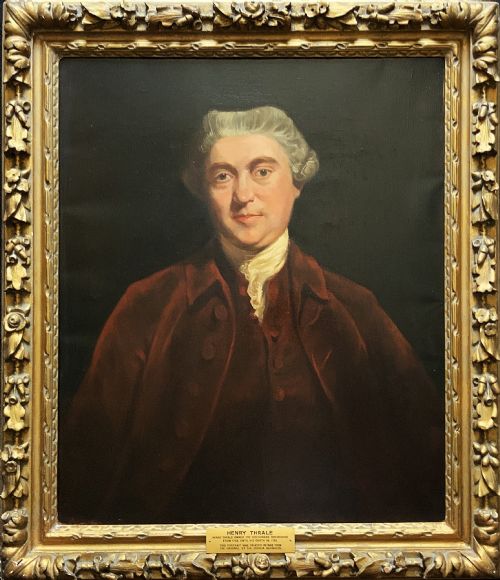
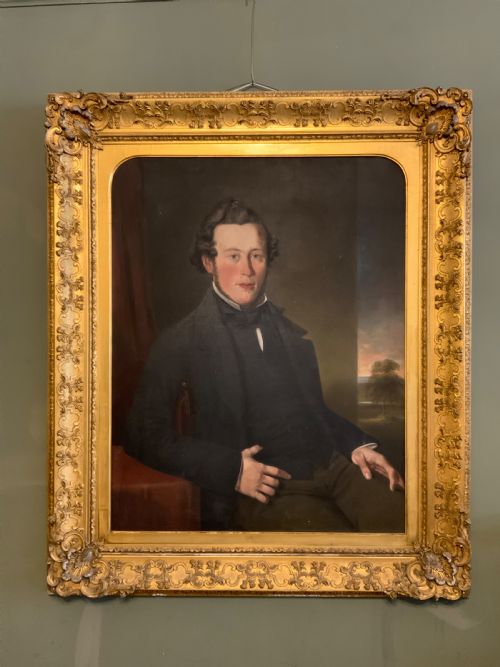
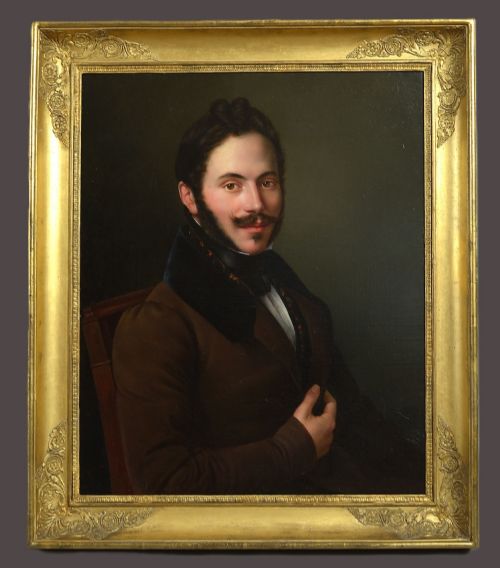
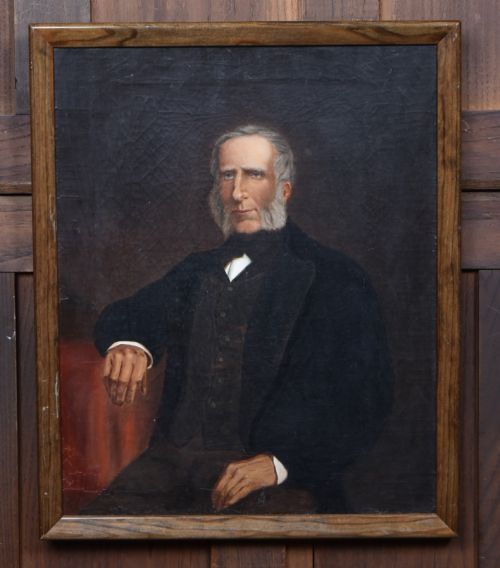
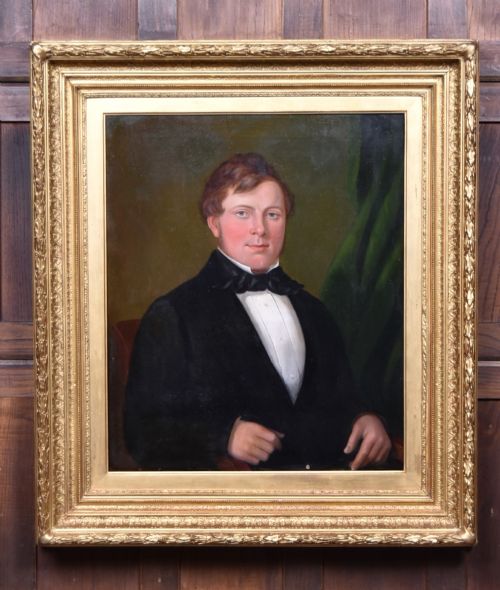
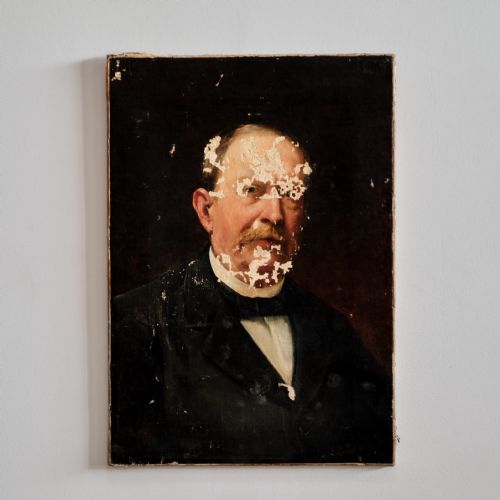
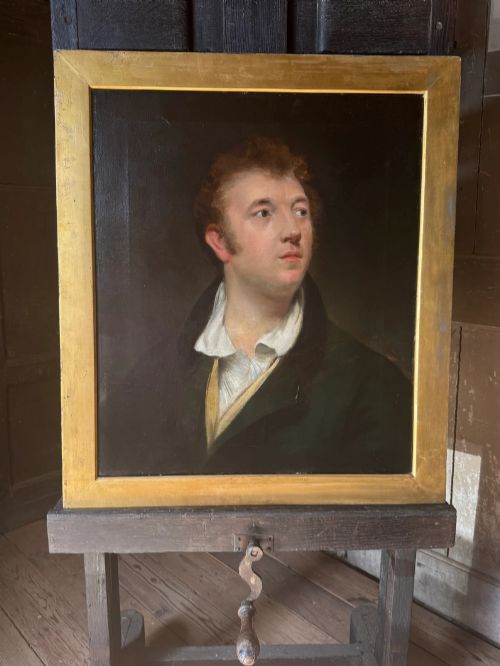
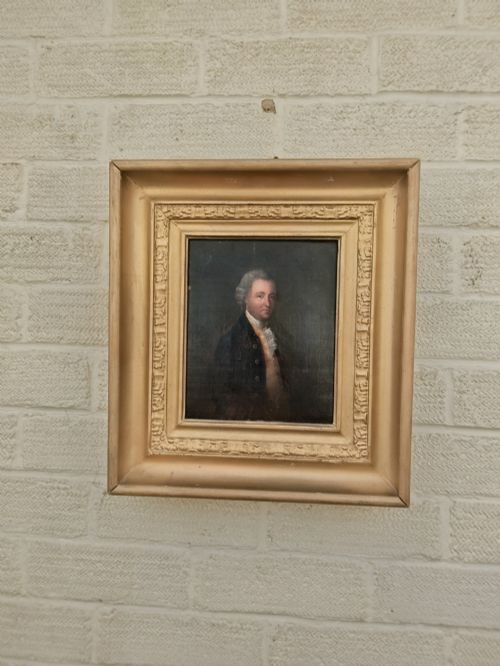
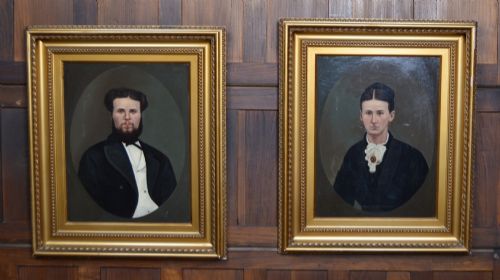
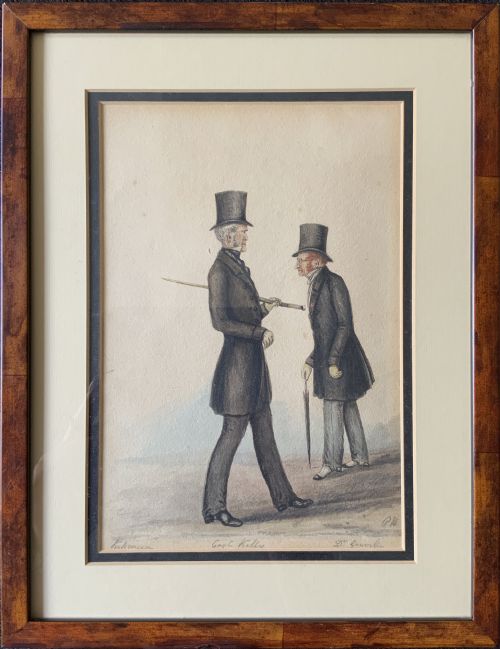
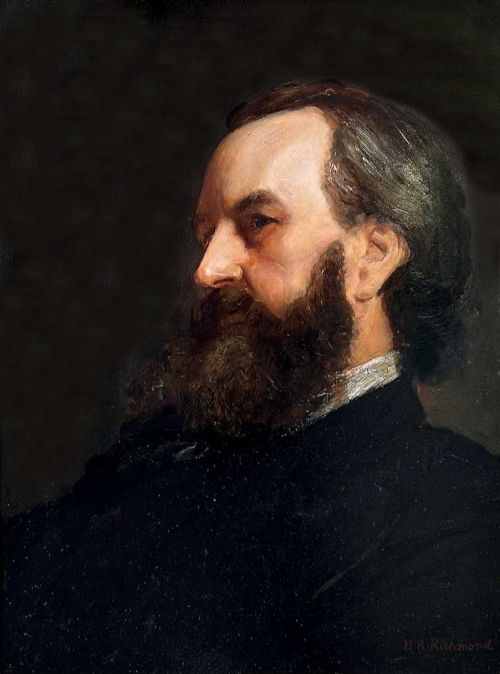
A 19th century gentleman portrait captures the likeness, status and character of male sitters through painted canvas, delicate watercolour and silhouette.
19th Century Gentleman Portrait
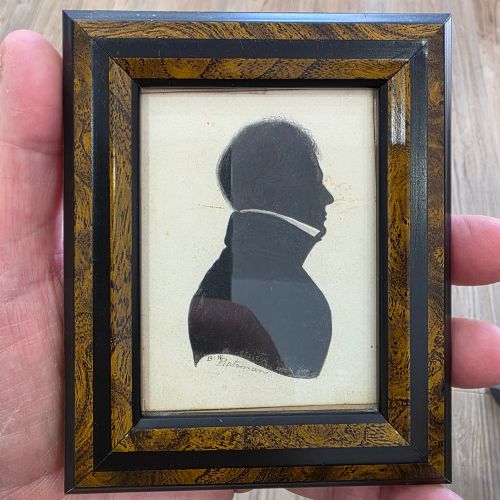
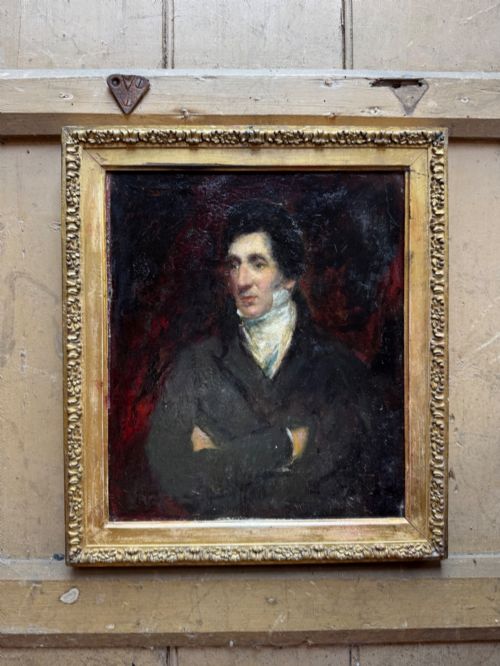
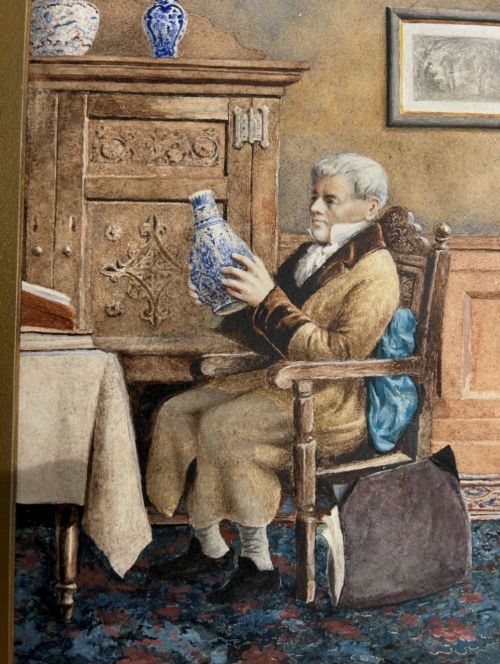
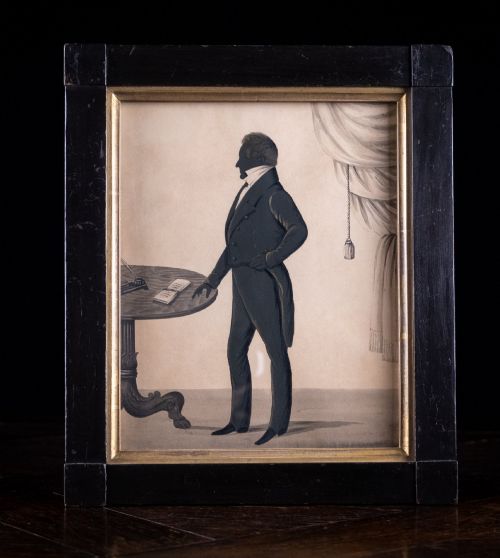
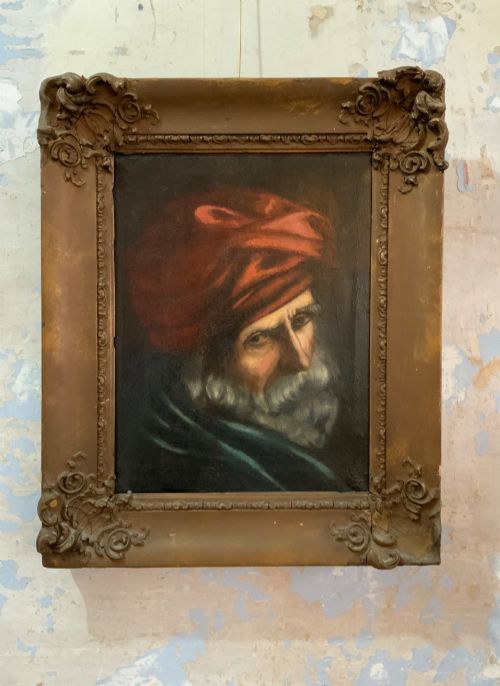
A 19th century gentleman portrait encompasses various artistic formats documenting individual subjects across the Georgian, Regency, Victorian and late 1800s eras. Buyers encounter these representations as full oil paintings on canvas, intimate miniature watercolours on paper, wood or glass, and precise profile silhouettes.
The subjects range from titled noblemen and military officers to professionals, auctioneers and family patriarchs, often rendered by regional British, German, Austrian and French schools. These works function both as historical records of attire and physiognomy and as decorative art for domestic interiors.
How They Were Made
Artists primarily applied oil paint onto stretched canvas, wood panels, or copper plates, utilising ground pigments suspended in oil media to achieve depth and durability. Watercolours on paper or glass required steady precision, often housed within protective brooch mounts, birdseye maple frames, or giltwood surrounds.
Silhouettes were hand-cut from dark paper or painted directly, sometimes embellished with bronze highlights or ink details. Many works utilised original wooden framing combined with gilded ornamentation to complete the presentation.
19th Century Gentleman Portrait Retail Price Guide 2026
Typical asking prices for 19th century gentleman portrait among the pieces listed under this phrase on Sellingantiques today, from the lower quarter to the upper quarter. They describe what is for sale here now, not the wider market.
Several gentlemen are immortalised alongside their dogs, walking canes, and even while actively smoking cigars.
What Varies in Quality
Technical proficiency in rendering human anatomy, facial expression and textiles distinguishes standard commercial pieces from masterworks. The handling of light, shadow and texture within the sitter's clothing and surrounding interior indicates the artist's skill level.
The integrity of the original medium, the preservation of the canvas or paper surface, and the presence of period-appropriate framing significantly influence the overall standard of the piece.
Edouard Pingret·James Howe·William Blake Richmond·Stephen Pearce·John Hunter Thompson
The 19th Century Gentleman Portrait Glossary
- Silhouette
- A solid monochrome portrait, typically showing a profile cut from black paper or painted on card. This form gained immense popularity during the Georgian and Regency periods before photography emerged.
- Portrait miniature
- A small, highly detailed painting executed on ivory, vellum, card, copper or glass. These portable objects were frequently worn as personal jewellery or kept in protective folding cases.
- Oil on canvas
- Pigment mixed with drying oil applied to a woven fabric support stretched over a wooden frame. This method allowed artists to blend tones smoothly and build rich textures.
- Giltwood
- Wood carved and coated with a thin layer of gold leaf or gold paint. This finish was widely applied to ornate Victorian and Regency picture frames.
- Provenance
- The documented history of ownership of an antique object. Tracing this record helps confirm authenticity and previous attribution.
19th Century Gentleman Portrait: Frequently Asked Questions
What periods do these portraits cover?
The available works span the Georgian, Regency, and Victorian eras, extending into the late nineteenth century. Most examples date from the early to mid-1800s.
Specific stylistic shifts occur between the neoclassical restraint of the Regency period and the more expressive realism of the later Victorian decades.
How were portrait miniatures displayed?
Miniature portraits were often mounted inside small protective cases, hinged leather books, or specialised brooch mountings for personal wear. Some examples were framed simply to hang on small wall spaces.
Their compact scale allowed sitters to carry likenesses of family members during travel.
What subjects appear besides wealthy landowners?
Sitters include military officers, artists, auctioneers, clergymen, and foreign noblemen from European schools. Genre scenes also depict professional men and historical figures in traditional dress.
These diverse subjects reflect the expanding middle class commissioning portraits during the nineteenth century.
How do I identify a silhouette?
Silhouettes present a solid black or dark profile against a lighter background, occasionally enhanced with gold highlights or delicate ink detailing. They appear on paper, card, or glass panels.
Many examples from this era include handwritten inscriptions on the reverse naming the sitter or the studio.