
Georgian Period Wall Art
Georgian period wall art centres on eighteenth-century oil portraits in giltwood frames, bringing historical presence and character to an interior.
What Georgian Period Wall Art Is
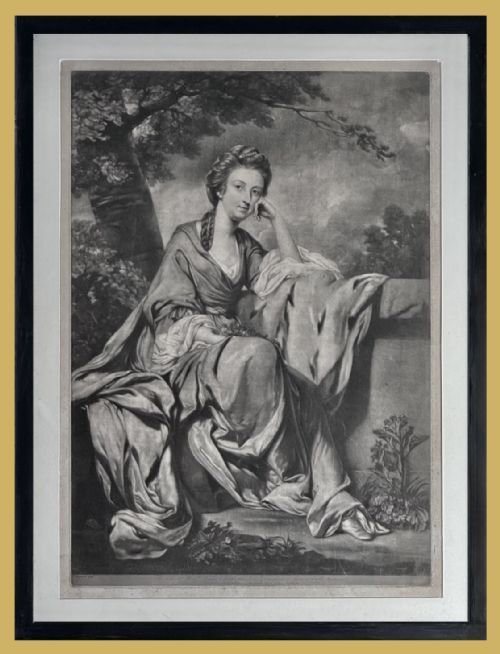
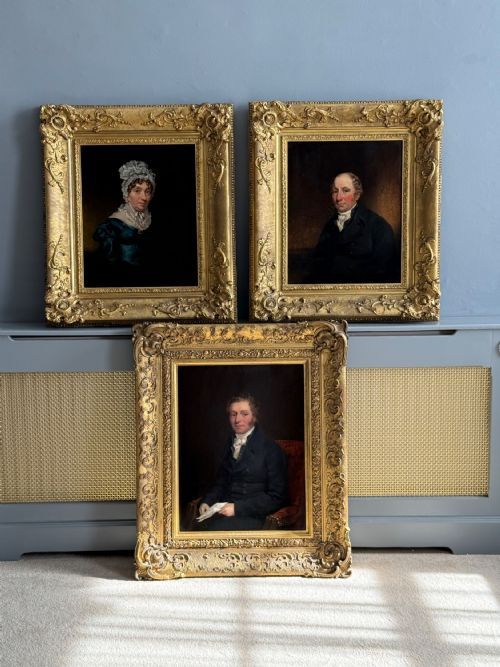
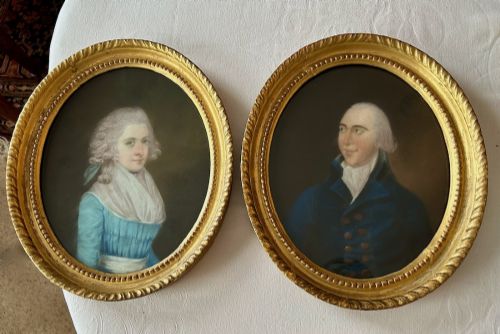
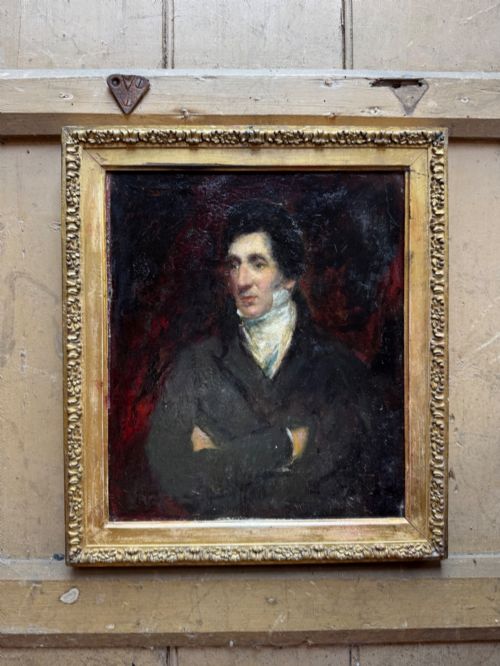
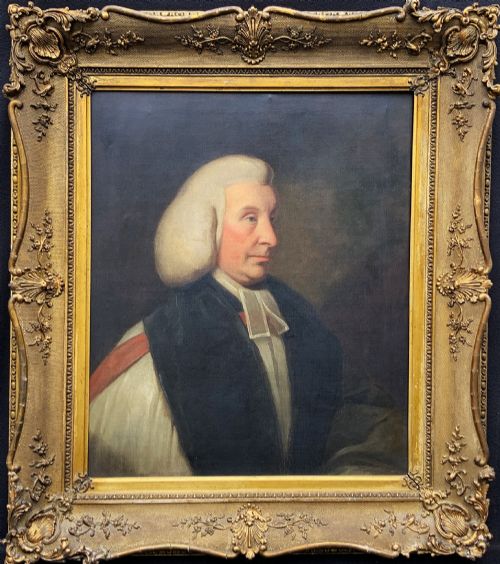
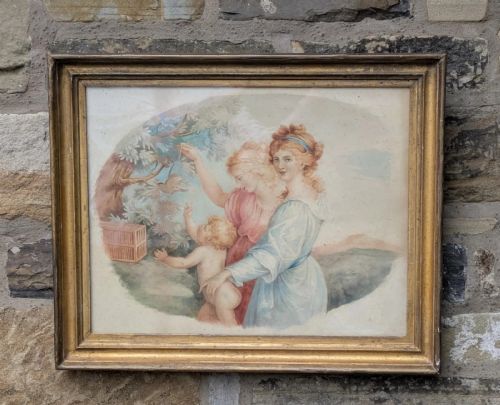
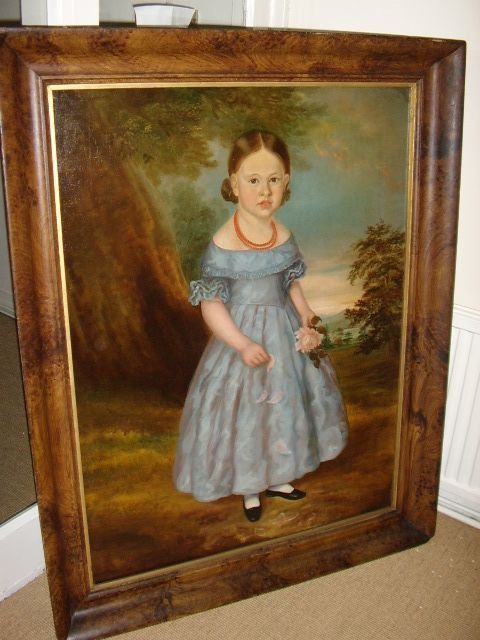
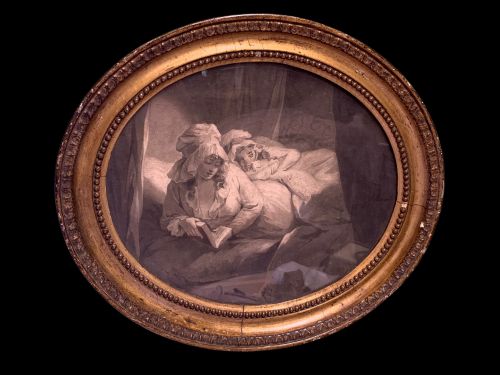
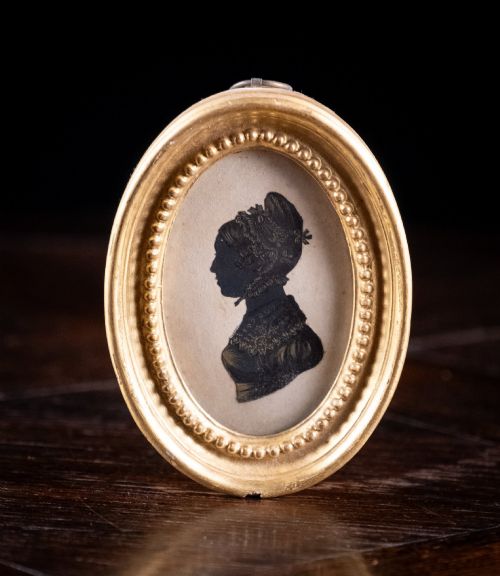
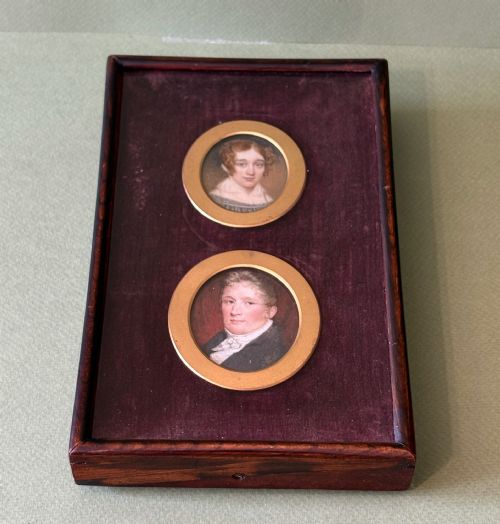
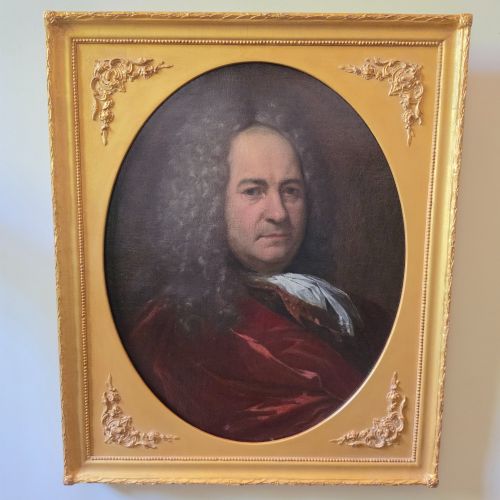
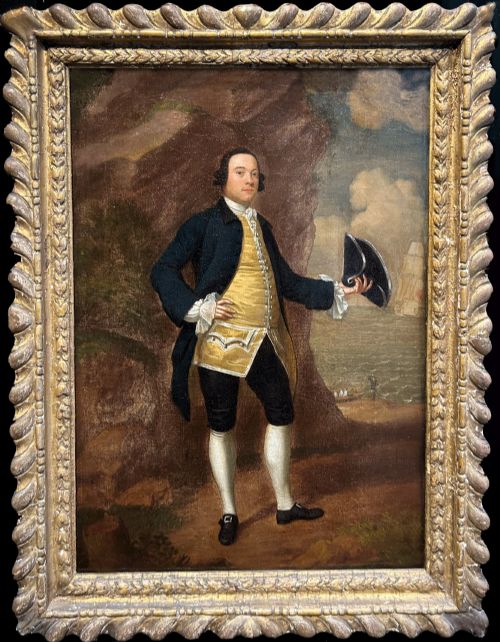
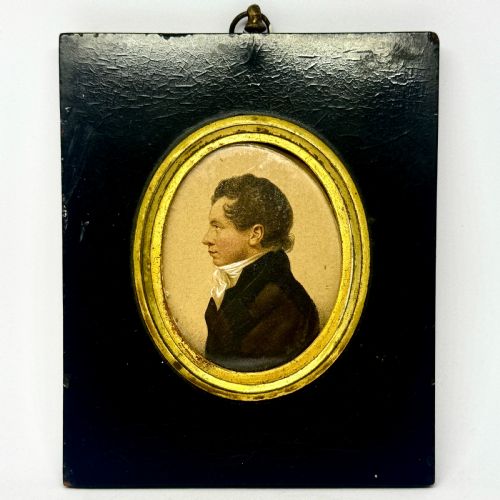
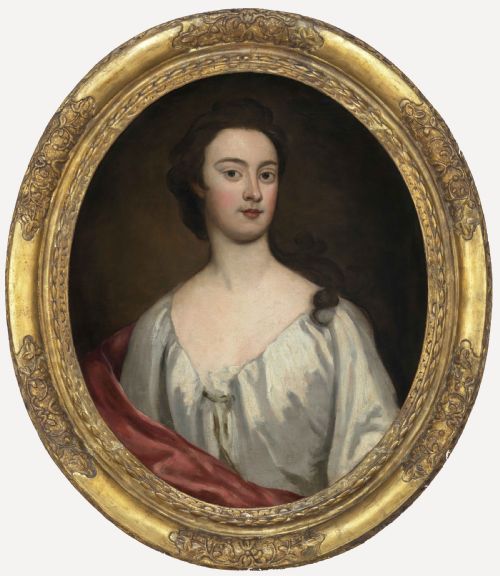
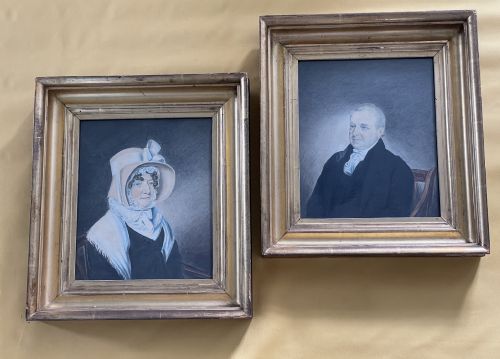
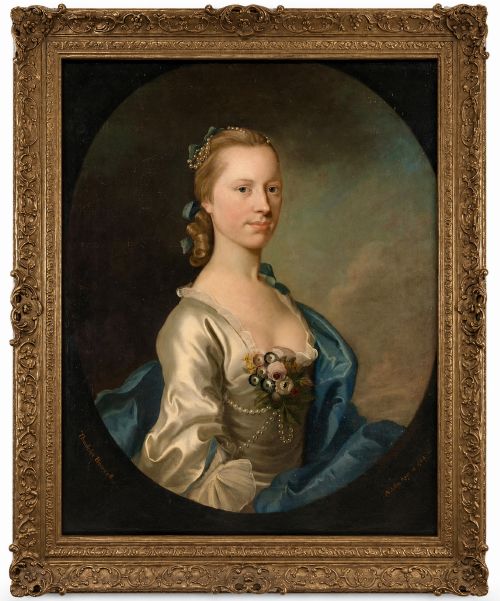
Georgian period wall art comprises oil paintings from the eighteenth century, dominated by portraits executed on canvas or panel. These works capture subjects ranging from clergymen and lawyers to privateers and ladies with flowers, reflecting the social strata of the era.
Most pieces seen here belong to the eighteenth century, with specific dates such as seventeen fifty appearing alongside broader period attributions. The subjects are rendered by named artists or grouped under British school designations, framed traditionally in gilt wood and gesso.
How They Were Made
These works utilise oil paint applied to canvas or wood panel supports, forming the durable base characteristic of eighteenth-century portraiture. Painters built up tones and textures using traditional media of the period.
The canvases and panels sit within giltwood or gesso frames, often carved from wood and gilded to complement the status of the portrait. The combination of oil paint and gilt wood defines the physical makeup of these wall art pieces.
Retail Price Guide 2026
Typical UK retail prices for georgian period wall art, calculated from the Sellingantiques database of over a million retail prices indexed since 2003. This retail price guide relies exclusively on Sellingantiques data; no external sources or auction records are used, so the figures do not describe the wider market.
Among the painted company is a Roman goddess sharing wall space with a stern seventeenth-century lawyer.
What Varies in Quality
Quality in these portraits rests upon the handling of the subject's likeness and the depth of the painting technique. Works by identified artists demonstrate superior anatomical precision and facial expression compared to anonymous school pieces.
The elaboration and preservation of the giltwood frame also influence the overall standard of the piece. Intricately carved gesso and gilding matching the period enhance the integrity of the artwork.
Francis Hayman·Tilly Kettle·Richard Cosway·Nathaniel Hone·Andrea Soldi
The Georgian Period Wall Art Glossary
- Giltwood
- Wood that has been coated with gold leaf or a gold-coloured substance. This finish is typical of frames housing eighteenth-century portraits.
- Gesso
- A plaster-like mixture applied to wood frames to create a smooth surface for gilding. It allows for intricate moulded details around the painting.
- Oil on panel
- A painting executed on a wooden board rather than canvas. Panels provide a rigid surface favoured by certain painters of the period.
- British school
- A term used to classify works produced by British artists whose specific identities are not recorded. It groups paintings by regional style and period.
Frequently Asked Questions
What periods do these paintings cover?
The available pieces originate from the eighteenth century, specifically including works dated around seventeen fifty. They represent the artistic output of the Georgian era.
Such dating derives from the recorded lives of the subjects and artists associated with the canvases and panels.
What subjects appear in these portraits?
Subjects include named individuals such as clergymen, lawyers, privateers, and ladies accompanied by flowers or depicted as mythological figures. These figures illustrate the diverse social roles recorded by artists of the time.
Many portraits preserve the likenesses of specific historical personages with documented life dates spanning the eighteenth century.
What materials make up these frames?
Frames consist of giltwood and gesso applied over a wooden base. This traditional construction provides the ornate borders standard for period oil paintings.
The combination of carved wood and gold leaf creates the reflective finish surrounding the canvas.
How are unsigned works classified?
Unsigned paintings are often attributed to regional designations such as the British school based on stylistic evidence. This categorisation links the handling of paint and subject matter to known traditions of the era.
Attributions rely on comparative analysis with documented works by contemporary artists.