





Dark Background Oil Portrait
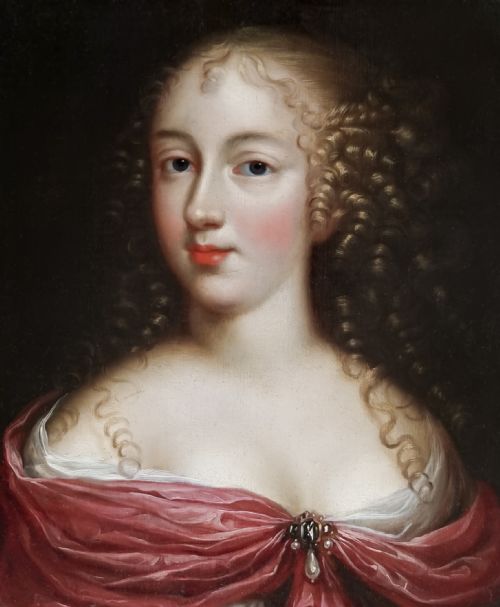
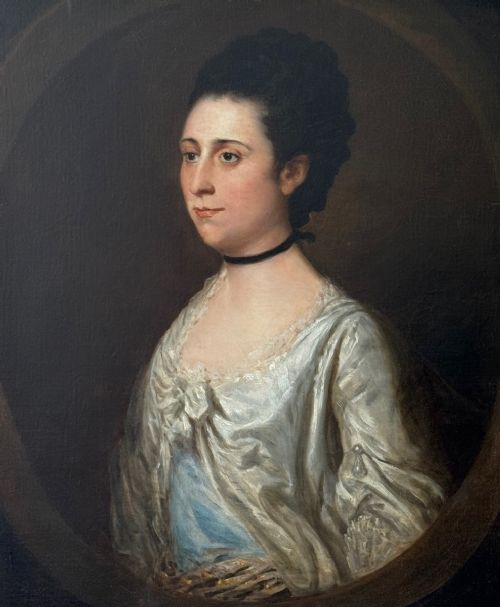
A dark background oil portrait captures a sitter from the seventeenth, eighteenth, or nineteenth century against a shadowy, unadorned ground that throws their features into sharp relief.
What these portraits are
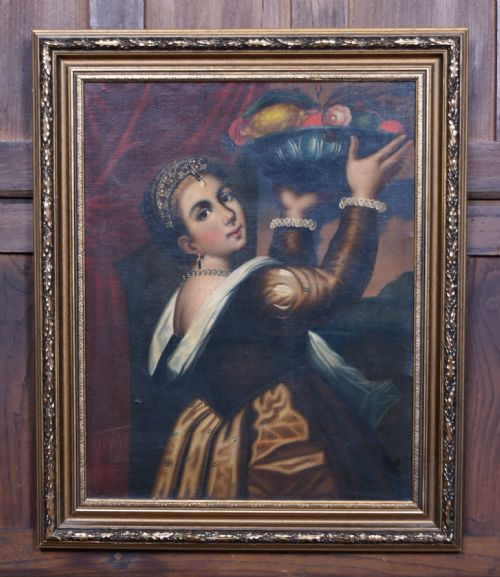
A dark background oil portrait presents a subject painted in oil on canvas, often framed in gilded wood or giltwood. The form spans the seventeenth century, eighteenth century, Regency, and nineteenth century.
The styles recorded across these paintings include Baroque, French Baroque, Georgian, Regency, and Victorian. Sitters range from named historical figures and children to self-portraits and members of established families.
How they were made
Artists painted these works using oil on canvas, building up the composition with pigments suspended in drying oil. The technique allowed for subtle gradations of tone, particularly where light falls across the face against the dark ground.
Surviving canvases are housed in frames constructed from gilded wood or giltwood, providing a traditional decorative border that complements the dark palette of the painting.
Retail Price Guide 2026
Typical UK retail prices for dark background oil portrait, calculated from the Sellingantiques database of over a million retail prices indexed since 2003. This retail price guide relies exclusively on Sellingantiques data; no external sources or auction records are used, so the figures do not describe the wider market.
Listings feature oil on canvas paintings set within gilded wood and giltwood frames across four distinct historical periods.
What varies in quality
Quality rests upon the handling of the sitter's likeness and expression by the artist or the circle of the artist. Works associated with known painters or their immediate circles display a more confident command of anatomy and character.
The integration of the subject with the dark background distinguishes finer examples, where shadow and light create depth rather than a flat void. The preservation of the canvas and the quality of the original gilded wood frame further shape the standing of each piece.
Thomas Beach·Margaret Sarah Carpenter·Hyacinthe Rigaud·Enoch Seeman·John Raphael Smith·John Closterman·John Ward Dunsmore
The Dark Background Oil Portrait Glossary
- Oil on canvas
- A painting medium where pigments bound in oil are applied to a woven fabric support. This combination provides durability and flexibility.
- Giltwood
- Wood carved and covered with a thin layer of gold leaf. It is commonly found on traditional frames for oil paintings.
- Baroque
- An artistic style originating in the seventeenth century characterised by drama, deep shadow, and rich detail. It heavily influences the mood of these dark background portraits.
- Circle of
- A term used when a work is produced by an unrecorded artist working closely alongside a known master in the same workshop or style. It denotes a high level of contemporary competency.
Frequently Asked Questions
What periods do these portraits cover?
The works span several centuries, beginning in the seventeenth century and moving through the eighteenth century, the Regency era, and into the nineteenth century.
Styles shift accordingly from Baroque and French Baroque to Georgian, Regency, and Victorian depictions.
Who are the sitters in the portraits?
The subjects include named historical individuals, such as military commanders and scientists, alongside children and self-portraits by the artists themselves.
Many sitters are identified by name and title within the historical record attached to the canvas.
What materials were used for the frames?
The paintings are typically housed in frames made of gilded wood or giltwood.
These gilded surrounds were designed to catch ambient light and contrast with the dark background of the oil painting.
How do circle pieces differ?
Paintings attributed to the circle of an artist reflect the hand of a contemporary follower working in that master's style.
These works share the technical approach and dark background aesthetic of the principal painter.