

Antique Military Oil Painting
When you search for an antique military oil painting, you are examining centuries of portraiture and campaign scenes rendered in pigment.
Antique Military Oil Painting
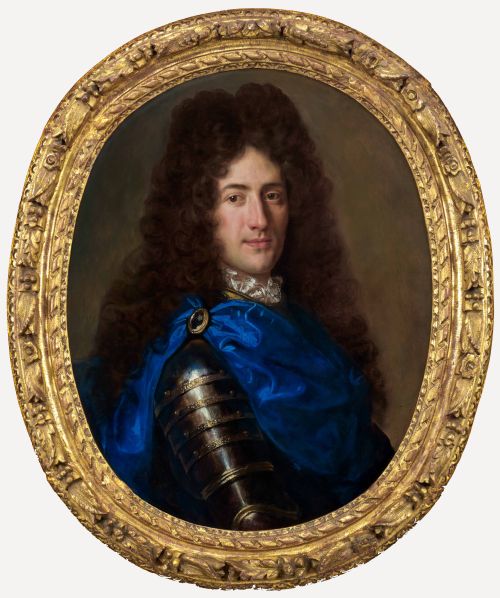
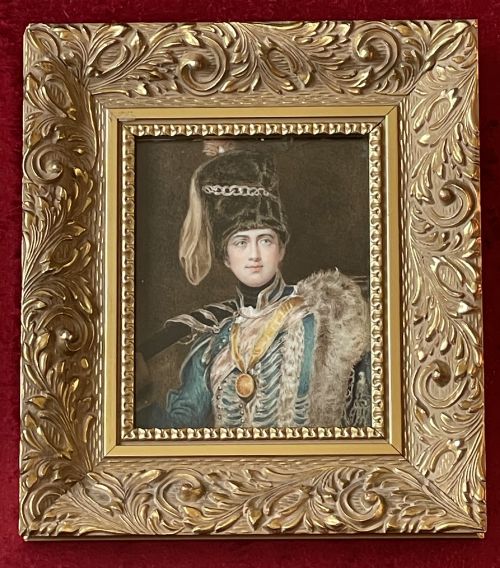
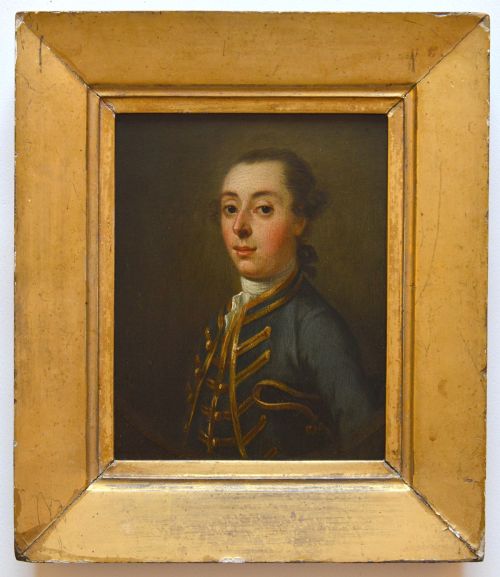
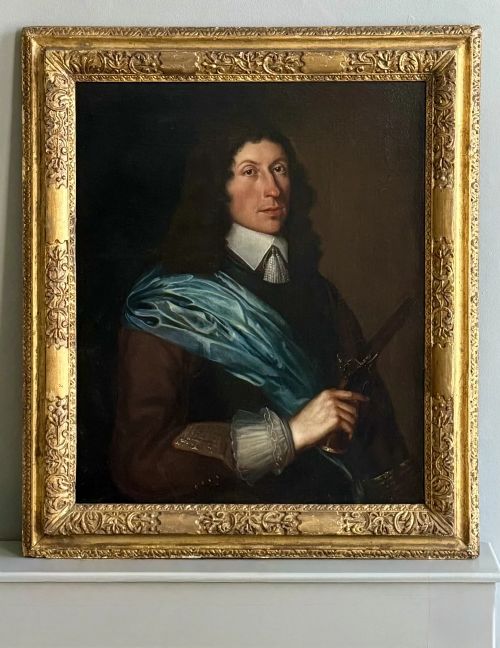
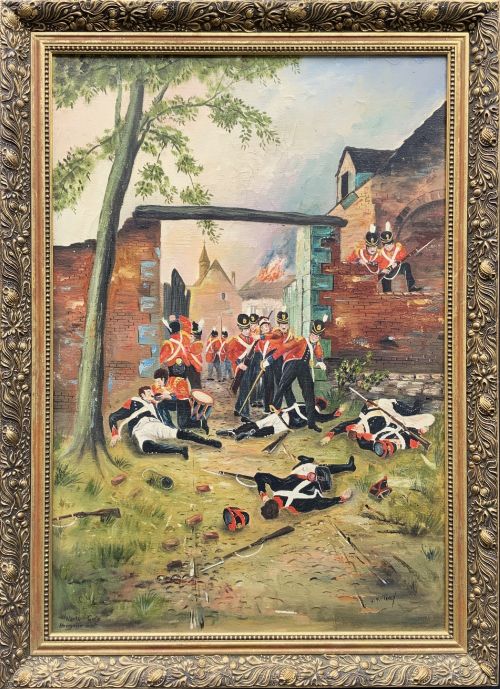
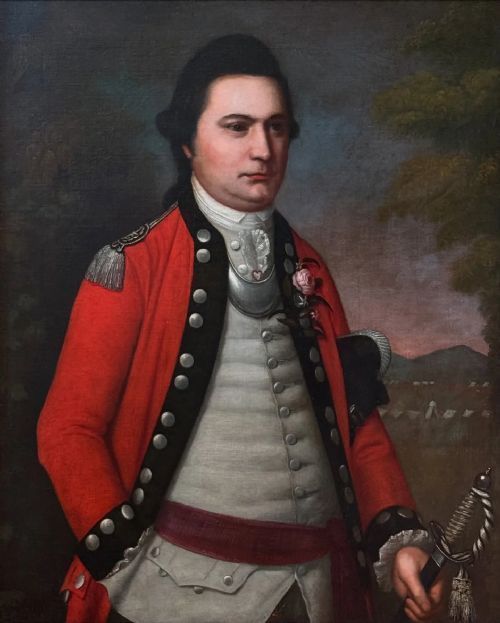
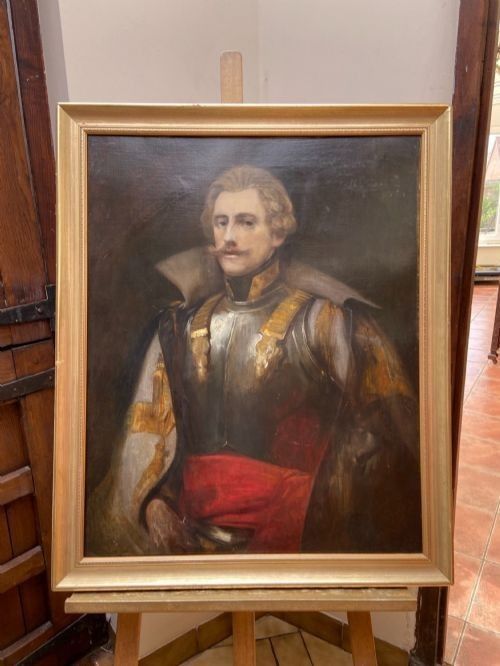
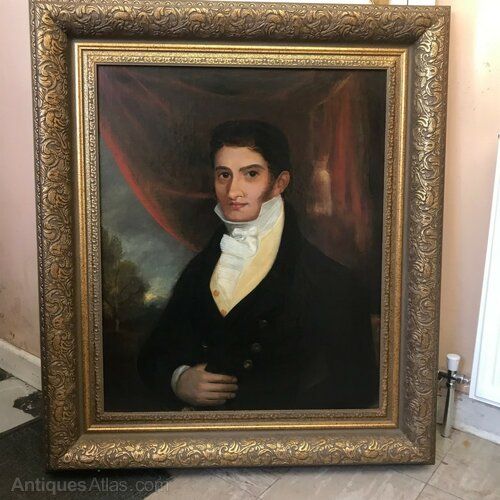
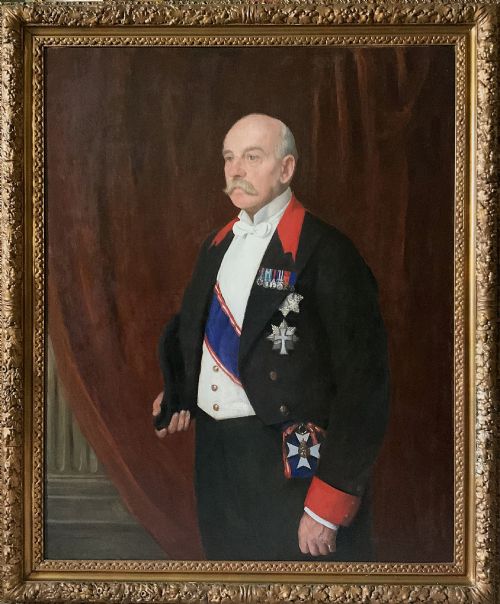
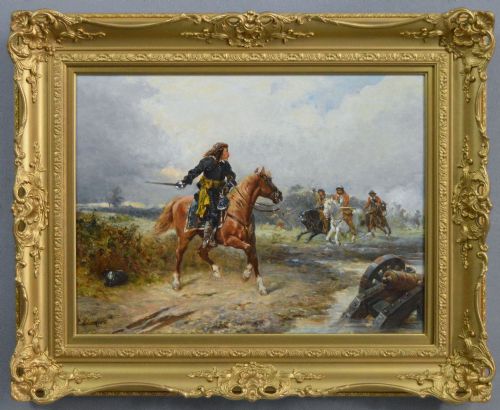
Buyers searching for an antique military oil painting will encounter works depicting officers, cavalrymen, regiments, and campaign scenes spanning multiple centuries.
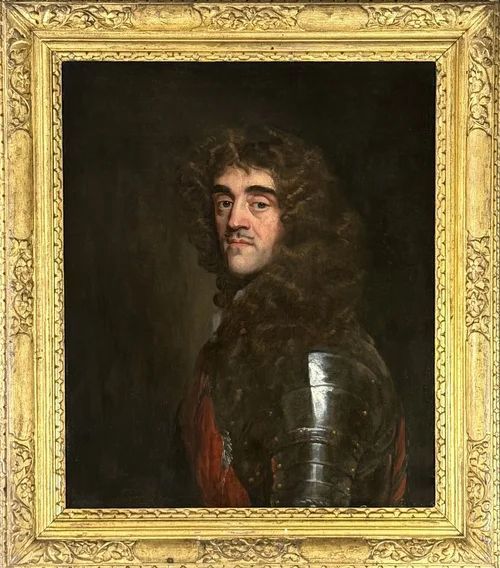
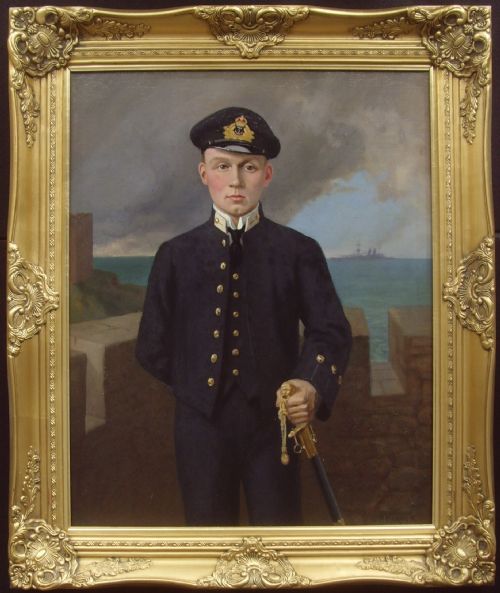
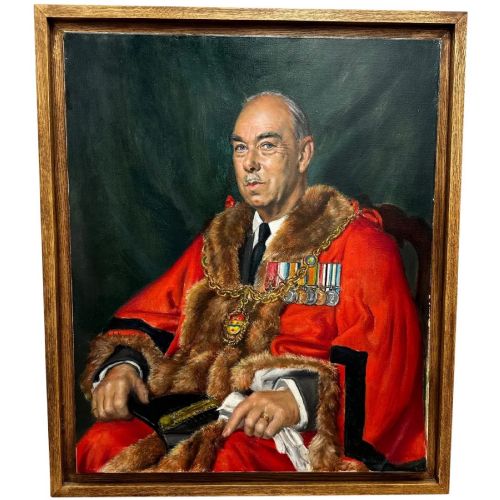
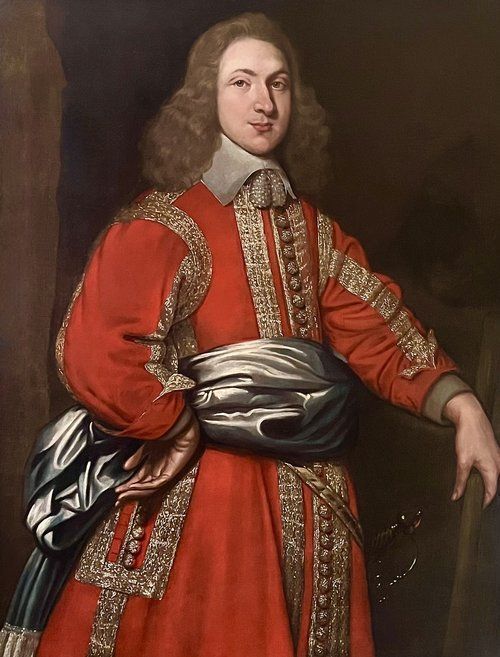
The selections available here lean heavily toward 17th-, 18th-, and 19th-century portraiture on canvas, alongside later depictions of soldiers from the Edwardian era and mid-twentieth century.
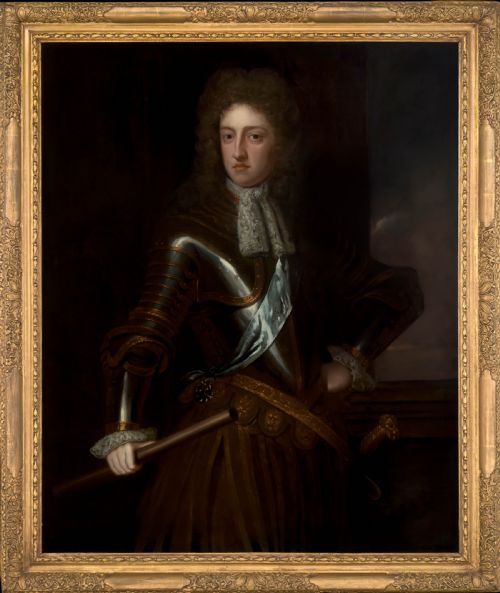
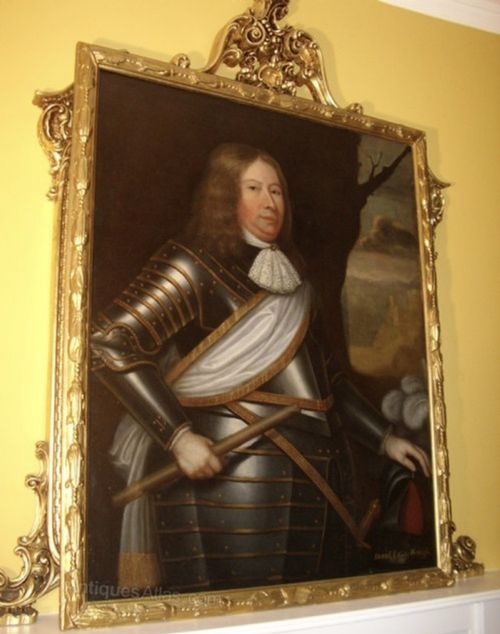
Subjects range from named commanders in full armour and red coats to naval officers and cavalry units, often housed within heavy giltwood frames.
Materials and technique
The physical objects rely primarily on oil paint applied to woven canvas stretched over wooden frames, though occasional works appear on panel or metal supports.
Gilded wood and giltwood feature prominently in the framing, providing heavy ornamental borders that complement the traditional subjects rendered by portraitists and military artists.
Antique Military Oil Painting Retail Price Guide 2026
Typical asking prices for military oil painting among the pieces listed under this phrase on Sellingantiques today, from the lower quarter to the upper quarter. They describe what is for sale here now, not the wider market.
Several military canvases capture not only generals and infantrymen, but also notable regimental horses such as Balmoral and Chestnut.
What varies in quality
Skill in anatomical rendering, facial expression, and the detailed depiction of regimental uniform details separates routine studio output from masterwork portraiture.
The preservation of the original paint surface, stability of the canvas, and authenticity of the period frame contribute significantly to the standing of any given piece.
Bernard Hailstone·Sir Godfrey Kneller·Stickland Lowry·John Wootton·Thomas Hudson·John Greenhill·Sir John Gilbert·Sir Anthony van Dyck·Nicolas De Largilliere·Edith Alice Simkins·John A. Houston·David Scougall·Gilbert Scott Wright·William Carter
The Antique Military Oil Painting Glossary
- Oil on Canvas
- A traditional painting medium where pigments suspended in drying oils are applied to a stretched woven fabric surface. This combination provides durability and allows for subtle blending of tones.
- Giltwood
- Wood that has been carved and coated with a thin layer of gold leaf or gilt powder. It is commonly found on traditional frames surrounding fine art portraits.
- Cavalier
- A term generally applied to horsemen or supporters of the Royalist cause during the 17th century. These figures frequently appear in armour with long hair and lace collars.
- Armour
- Protective steel or iron covering worn by officers and cavalrymen in earlier centuries. Portraits often feature subjects wearing full or partial suits to denote status and martial readiness.
- Baroque
- An artistic style prevalent during the 17th and early 18th centuries characterised by dramatic movement and deep shadow. This approach adds theatrical presence to military portraiture.
Antique Military Oil Painting: Frequently Asked Questions
What periods do these paintings cover?
The available selection spans from the 17th century through the Victorian era and into the 20th century. Works frequently reflect the prevailing artistic styles of their respective decades.
Earlier pieces often feature subjects in full armour, while 19th-century works tend to highlight specific regimental uniforms and campaign dress.
Who are the subjects in these portraits?
Subjects include named military commanders, naval officers, infantrymen, and cavalry figures. Many portraits record specific historical personalities of their time.
Other works depict anonymous soldiers, guardsmen, or horses associated with military life and regiments.
Are the frames original to the paintings?
Many works are housed in period giltwood or gilded wood frames that match the age of the canvas. These heavy frames form an integral part of the overall presentation.
Framing styles range from ornate 19th-century moulded designs to simpler classical borders appropriate to earlier centuries.
How do I identify the military rank?
Rank and regiment are typically indicated by specific uniform details, such as coloured coats, sashes, medals, and the presence of gorgets or lace. Officers are frequently portrayed wearing symbols of their specific command.
Inscriptions on the canvas or frame often record the name, title, and regiment of the sitter to assist identification.