


19th Century Miniature Portrait
A 19th century miniature portrait offers an intimate glimpse into the past through delicate hand-painted likenesses framed for personal display.
Understanding the Pieces
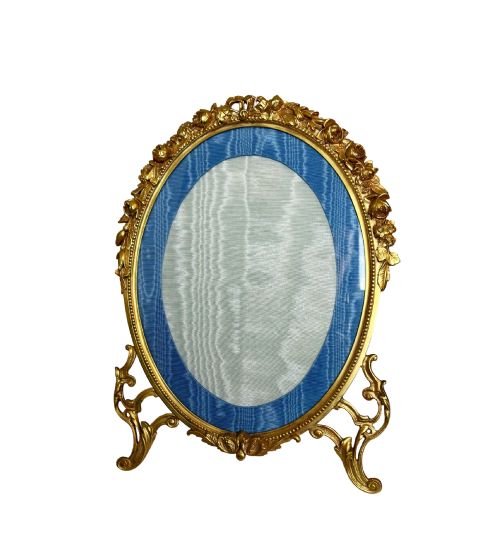
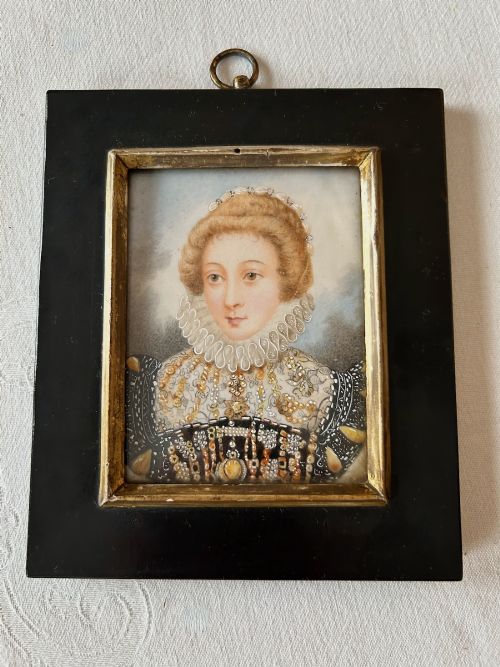
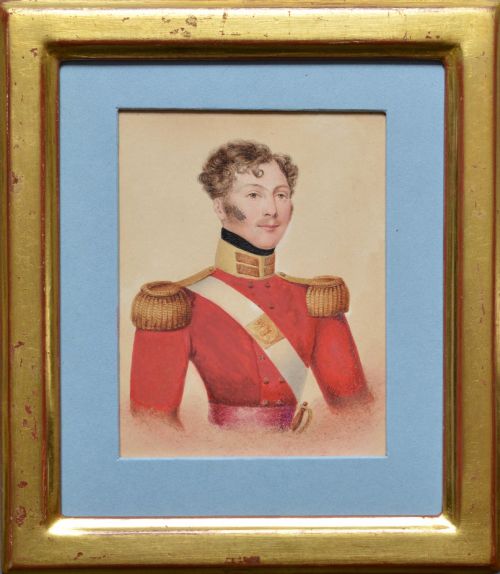
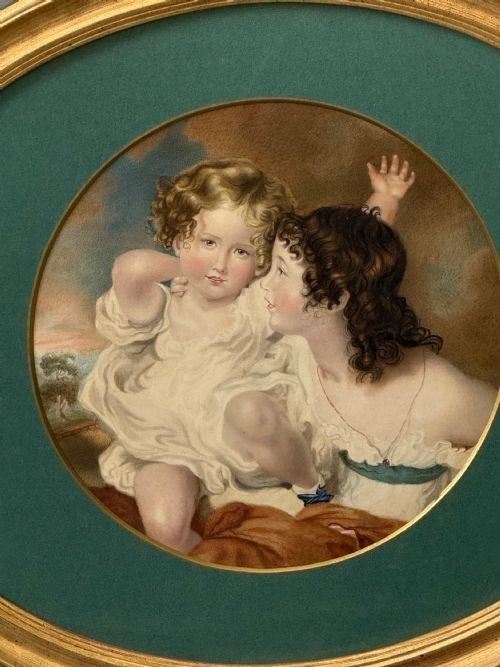
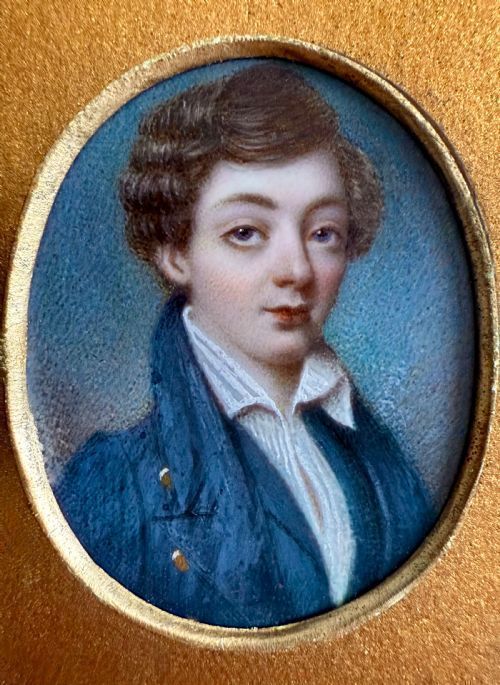
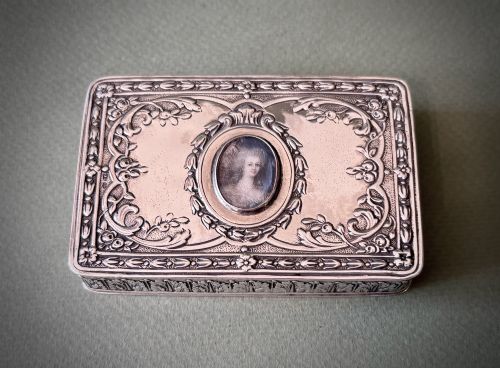
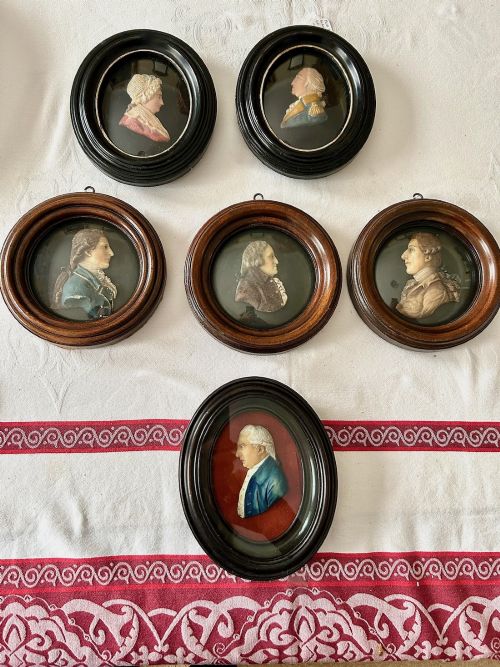
A 19th century miniature portrait encompasses small-scale likenesses rendered across the Regency, Georgian, 1860, and Victorian periods. Buyers seeking these items encounter framed wall art, brooches, and small panels depicting naval officers, ladies, gentlemen, children, and historical figures such as Napoleon Bonaparte.
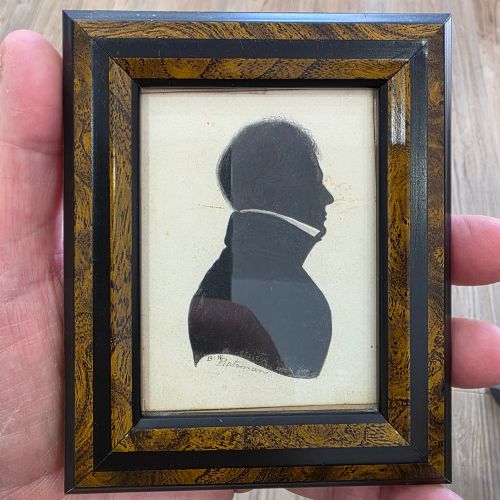
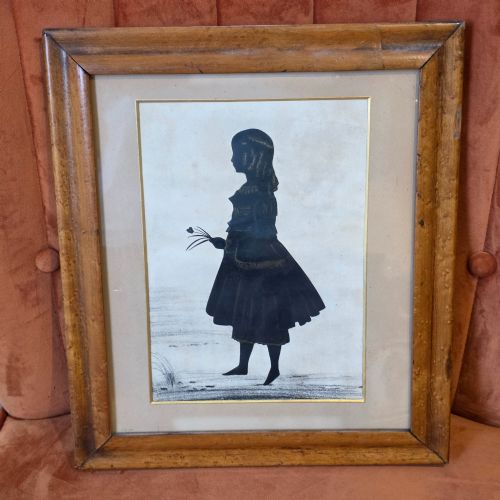
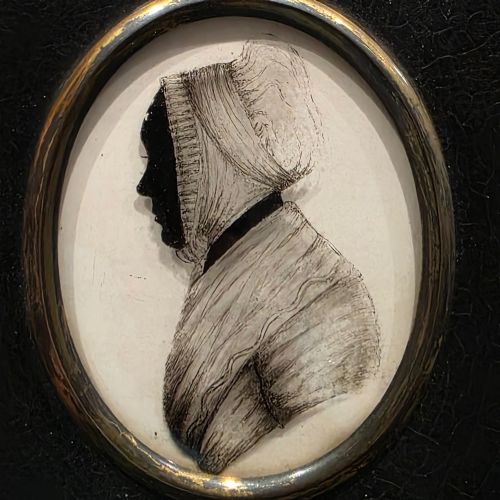
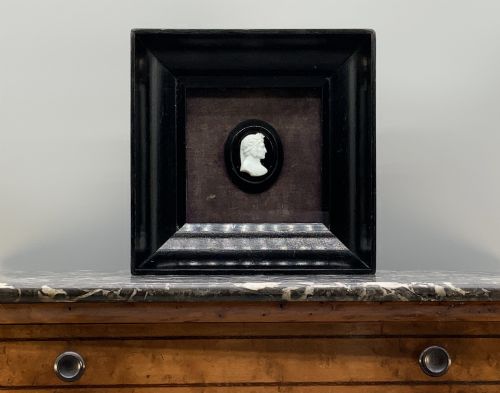
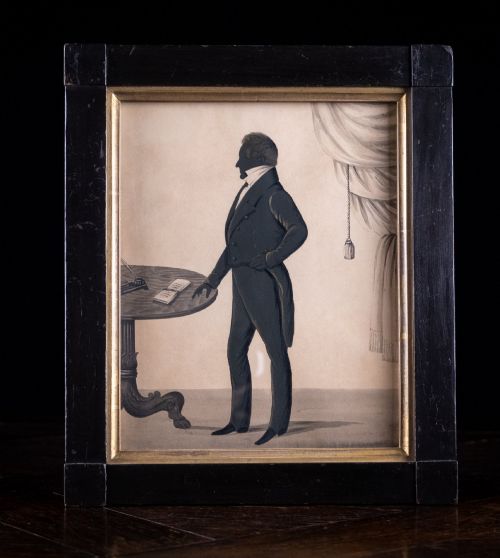
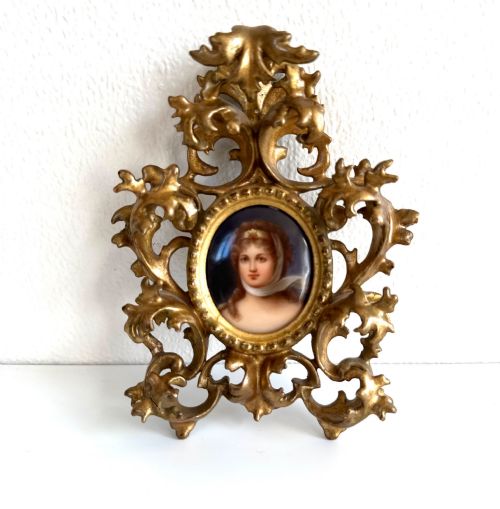
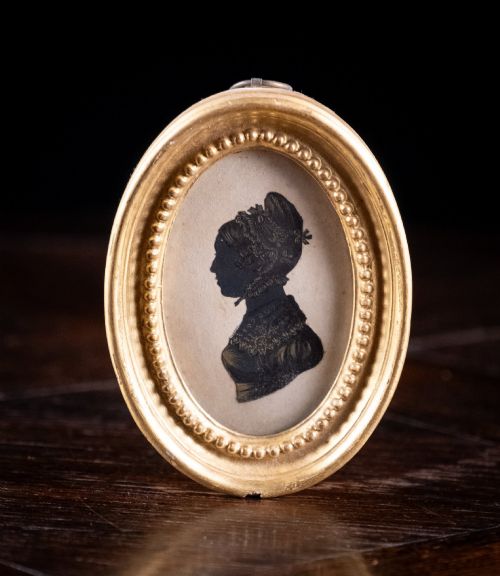
The objects frequently take the form of portrait paintings, silhouette miniatures, and carved ivory plaques. Many pieces originate from English, French, German, and Russian schools, spanning profile silhouettes to detailed head-and-shoulder studies.
Materials and Techniques
Artists painted these works using watercolour, gouache, oil, and reverse paint on diverse grounds including paper, metal panels, copper, porcelain, and ivory. Many items incorporate glass, wood, brass, gilt, and velvet elements within their frames or mounts.
Retail Price Guide 2026
Typical UK retail prices for 19th century miniature portrait, calculated from the Sellingantiques database of over a million retail prices indexed since 2003. This retail price guide relies exclusively on Sellingantiques data; no external sources or auction records are used, so the figures do not describe the wider market.
Listings feature works from the Regency, Georgian, and Victorian eras, executed in watercolour, oil, and gouache.
Assessing Quality
Quality rests upon the precision of the rendering and the expressiveness achieved within a restricted scale. Finer works capture subtle facial nuances, accurate costume details, and careful tonal gradation.
The integration of the piece with its original housing, such as specific ebonised frames, brooch mounts, or gilt surrounds, influences the overall character and integrity of the object.
Sir William John Newton
The 19th Century Miniature Portrait Glossary
- Miniature painting
- A small-scale portrait executed with fine detail, often requiring magnification during creation. These works capture subjects with remarkable precision on ivory, vellum, or paper.
- Silhouette
- A portrait profile filled in with a solid dark colour, typically black, against a lighter background. Examples include hollow-cut paper profiles or reverse painted glass silhouettes.
- Grand Tour
- A traditional trip of Europe undertaken by upper-class young men of the period for pleasure and education. Souvenirs from these journeys included carved ivory classical plaques and small artworks.
- Grisaille
- A painting executed entirely in shades of grey or neutral greyish-brown. This monochrome technique imitates the appearance of sculpture or relief carvings.
- Stipple engraving
- A method of printing designs by means of dots rather than lines. This technique allows for subtle tonal variations suitable for small portraits.
Frequently Asked Questions
What materials were miniature portraits painted on?
Artists painted these small works on various surfaces including ivory, paper, porcelain, copper panels, and card. Watercolour, gouache, and oil served as the primary mediums.
Protective elements such as glass and brass or wooden frames frequently accompanied the painted surfaces to preserve the delicate compositions.
How were 19th century miniatures displayed?
Owners displayed these pieces as framed wall art or wore them as personal jewellery mounted in brooches. Ebonised wood frames and velvet-lined cases were common.
Portable formats allowed individuals to carry likenesses of family members or notable figures during travel.
Can you identify the sitter in a portrait?
Some pieces feature inscriptions on the reverse, handwritten notes, or contemporary labels naming the subject and date. Historical figures like Napoleon or specific family members appear with recorded identities.
Unidentified sitters require stylistic analysis of clothing, hair, and framing to narrow down the approximate period.