

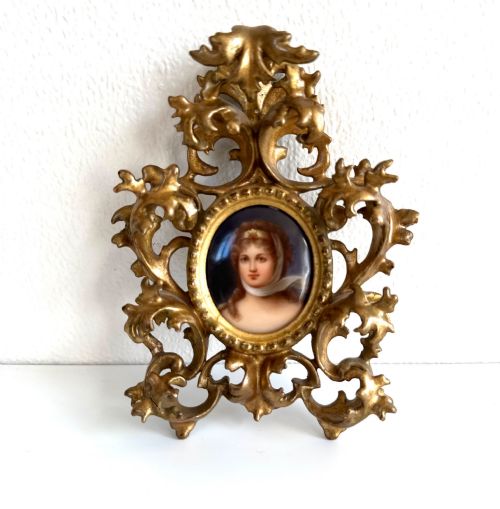
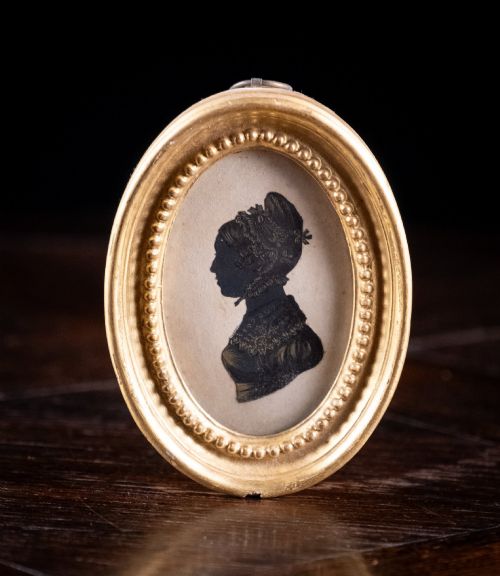
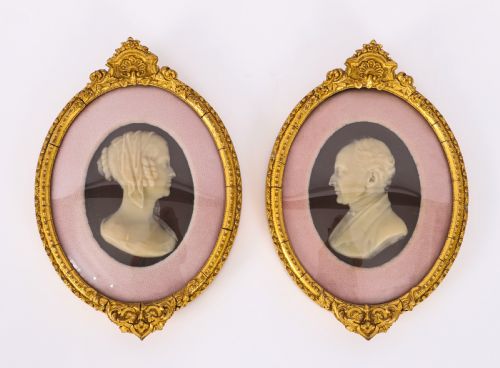
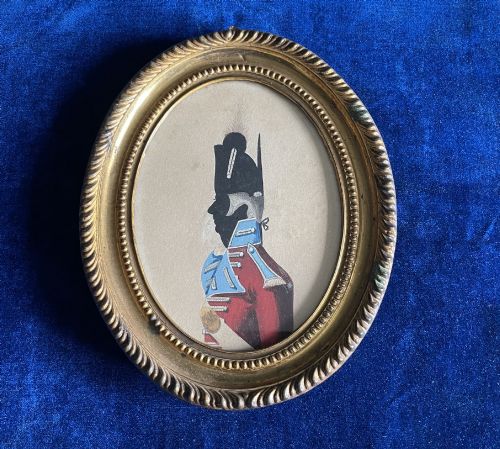
Gilt Framed Miniature
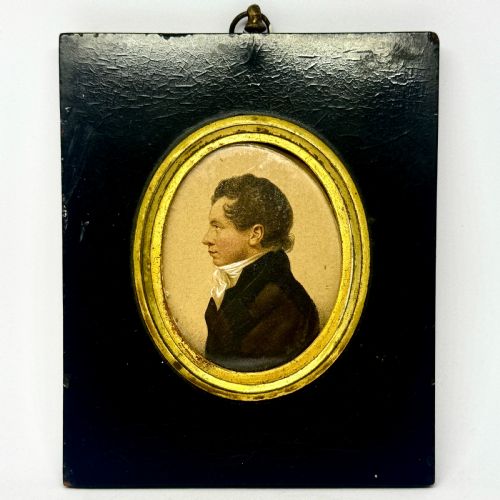
These gilt framed miniature works capture intimate portraits and detailed scenes scaled down for personal contemplation.
Gilt Framed Miniature
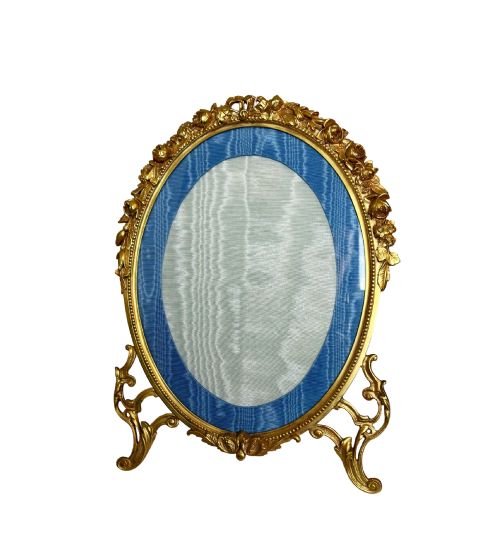
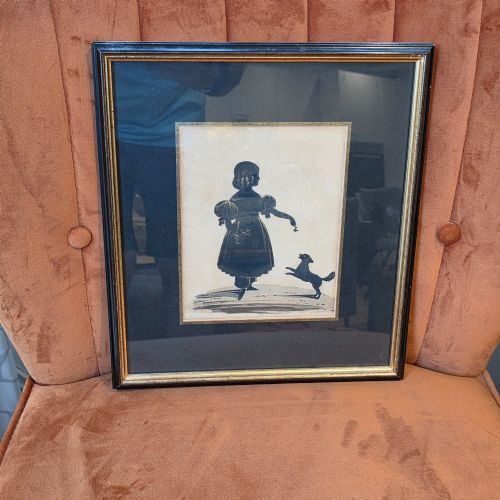
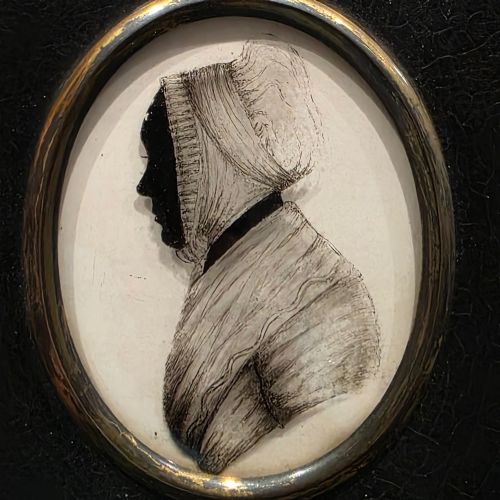
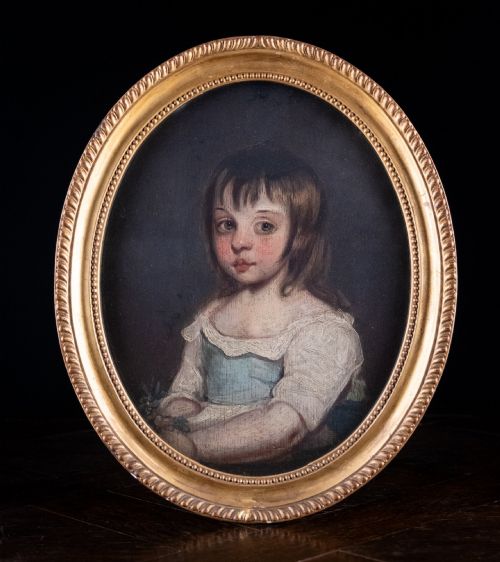
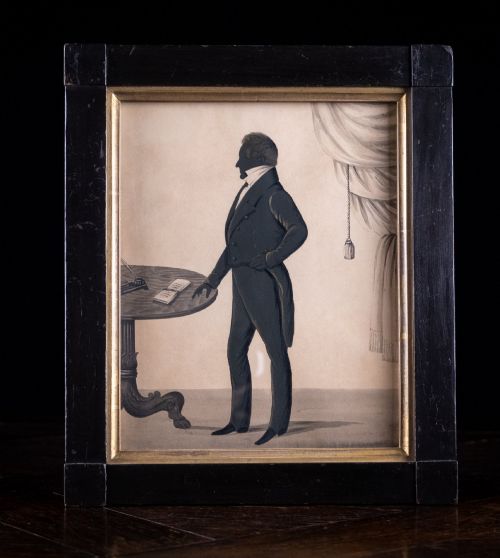
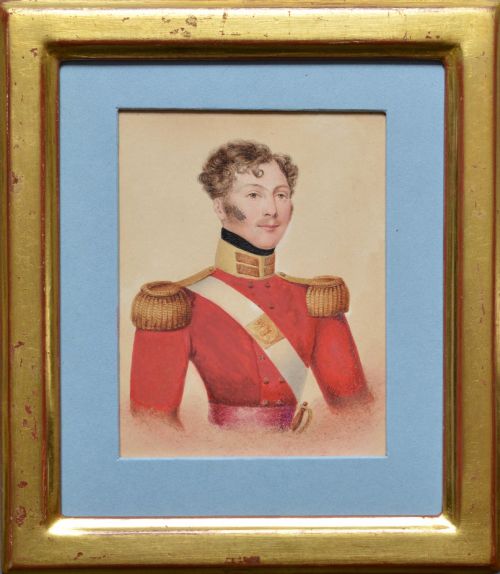
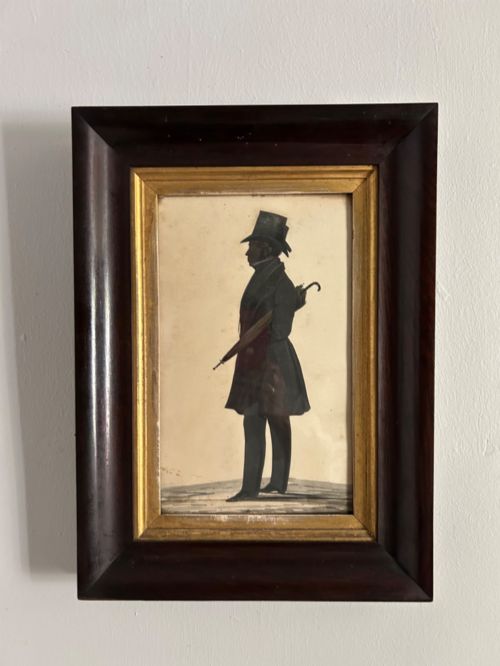
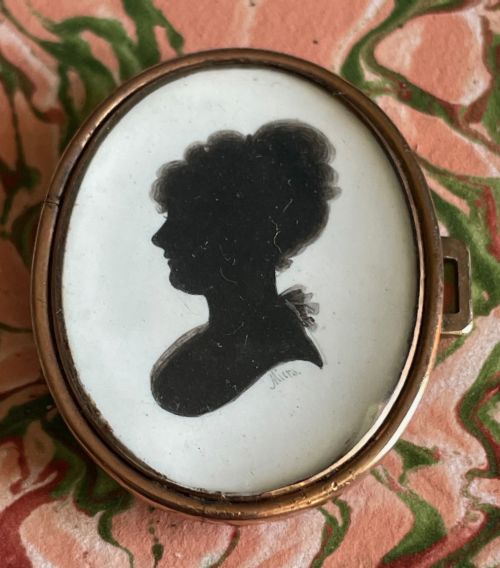
A gilt framed miniature brings together small-scale artwork and ornate metallic borders, often taking the form of a portrait miniature, silhouette, or painted plaque. The pieces found here span the eighteenth and nineteenth centuries, including Regency, Georgian, and Victorian periods.
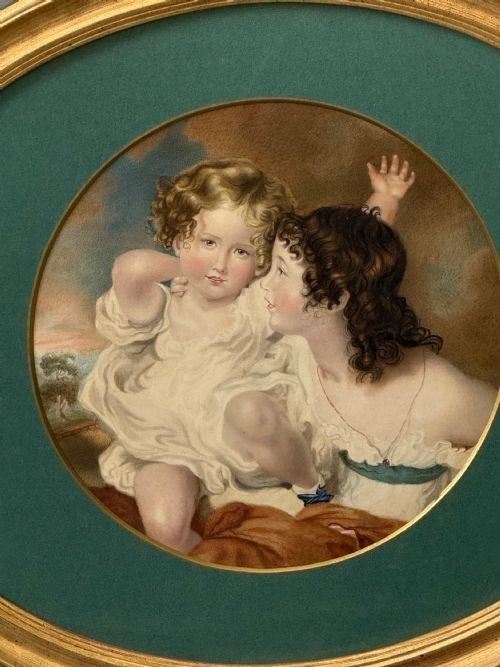
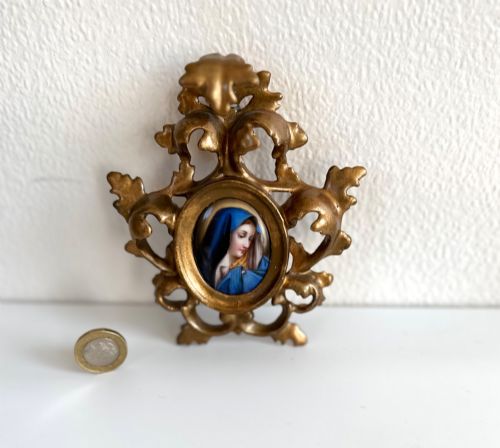
Subjects range from individual sitters and military officers to children, religious figures, and decorative scenes executed in watercolour, pastel, gouache, and cut paper. Frames are constructed from gilt metal, giltwood, brass, and gold leaf, housing glass-fronted compositions.
Most examples originate from British, French, and European schools, alongside specific regional works such as Mughal paintings and Anglo-Indian portraits. Buyers encounter everything from delicate silhouette profiles to hand-painted porcelain and enamel plaques.
How they were made
Artists utilised delicate media such as watercolour, gouache, enamel, and wax relief on paper, porcelain, or ivory surfaces. Silhouettes often combined cut paper with watercolour detail or reverse painting on glass.
Frames and enclosures rely on cast or chased gilt bronze, brass, and wood finished with gold leaf. Glazing protects the fragile pigments and paper from atmospheric moisture and handling.
Gilt Framed Miniature Retail Price Guide 2026
Typical asking prices for gilt framed miniature among the pieces listed under this phrase on Sellingantiques today, from the lower quarter to the upper quarter. They describe what is for sale here now, not the wider market.
Materials documented across these listings include watercolour, glass, paper, gilt metal, wood, giltwood, brass, and gold leaf.
What varies in quality
Quality rests in the precision of the brushwork and the clarity of the sitter's expression, particularly in facial details and lace rendering. Finer hands achieve remarkable depth and lifelike character within a surface measuring only a few inches.
The craftsmanship of the housing matches the artwork, where crisply chased gilt metal or well-carved giltwood frames elevate the piece. Intact original glazing and the preservation of delicate pigments separate superior examples from standard works.
William James Hubard·James Sharples·John Miers·Christian Friedrich Zincke·William Naish
The Gilt Framed Miniature Glossary
- Miniature
- A small-scale painting or portrait, traditionally executed on ivory, vellum, or paper. These objects were designed to be carried, worn as jewellery, or displayed in intimate interior spaces.
- Silhouette
- A portrait profile filled in with a solid dark colour, typically black, or cut from paper. They gained immense popularity during the eighteenth and nineteenth centuries before photography.
- Giltwood
- Wood that has been coated with a thin layer of gold leaf or gesso and gold paint. This technique provided ornate frames with a brilliant metallic lustre.
- Reverse painting on glass
- An artistic method where the image is painted directly onto the back of a glass panel and viewed from the front. This protects the paint layer while producing a glossy finish.
Gilt Framed Miniature: Frequently Asked Questions
How were miniature portraits displayed?
These small artworks were frequently hung in intimate spaces like boudoirs or study rooms, grouped closely together on walls to create an engaging gallery effect.
Many examples were also designed to be portable, fitting easily into travel cases, pocket watches, or worn as personal jewellery close to the wearer.
What materials are used in these frames?
Frames predominantly feature gilt metal, brass, or carved wood finished with gold leaf to provide a bright metallic border around the artwork.
Glass fronts protect the delicate watercolours, silhouettes, and wax reliefs housed within from dust and accidental touch.
How do I date a silhouette?
Costume details, hairstyles, and framing styles offer the clearest indicators for dating silhouette portraits across the Georgian and Victorian eras.
Signatures, gallery labels on the reverse, and construction methods of the accompanying gilt frames also help narrow down the period.
Are these pieces hand-painted?
The works listed here comprise hand-painted watercolours, gouaches, enamels, and porcelain plaques executed by period artists.
Some items utilise printed elements or cut paper silhouettes enhanced with hand-painted highlights rather than pure brushwork.