

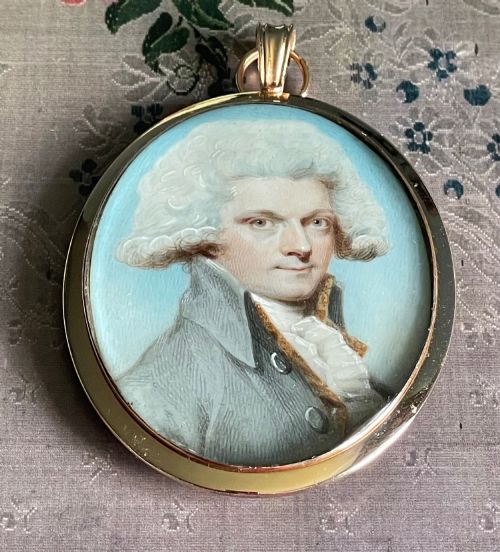
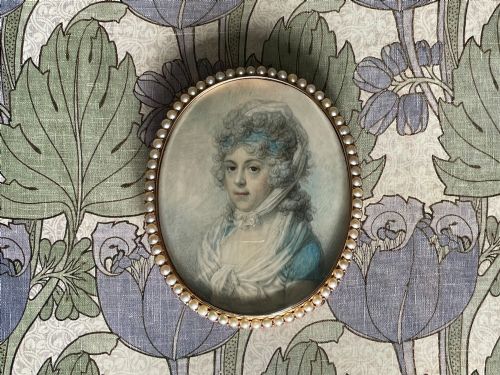

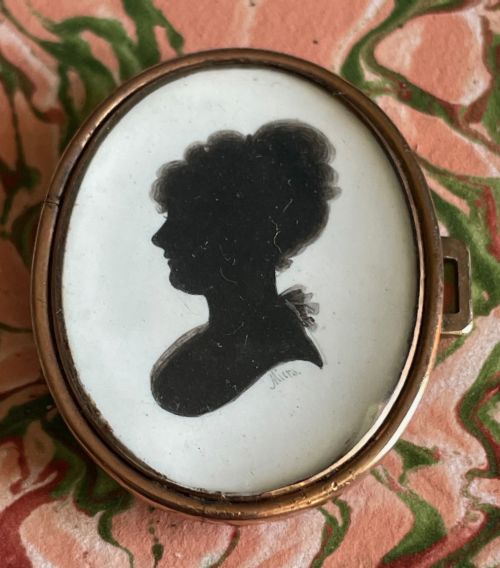
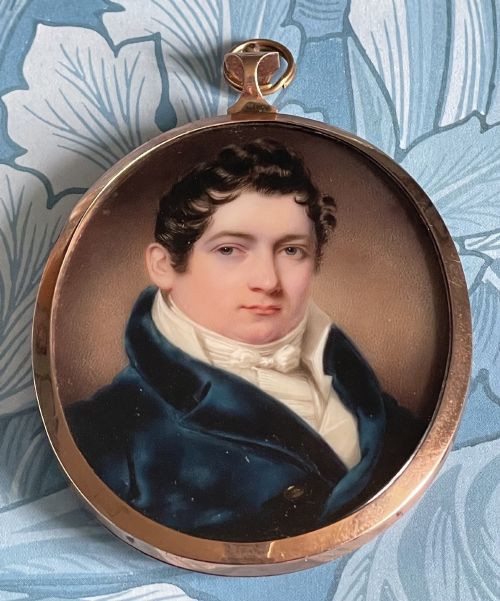



Gold Portrait Locket
A gold portrait locket holds a painted face close to the heart, combining personal remembrance with wearable precious metal.
What a gold portrait locket is
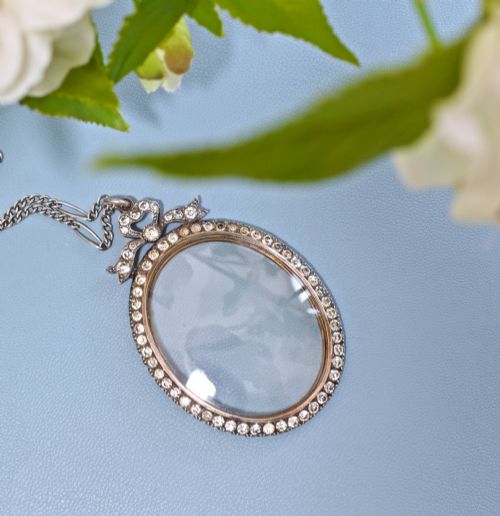
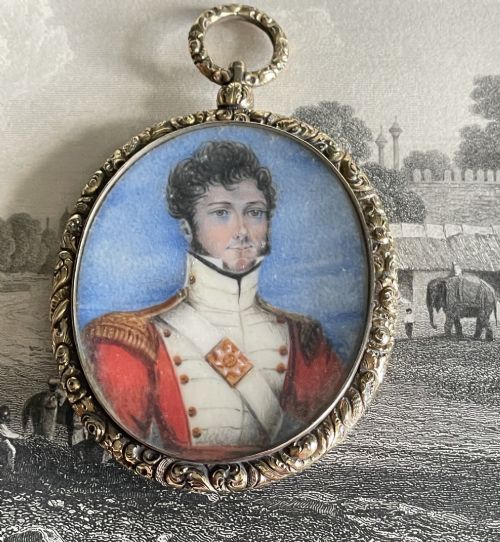
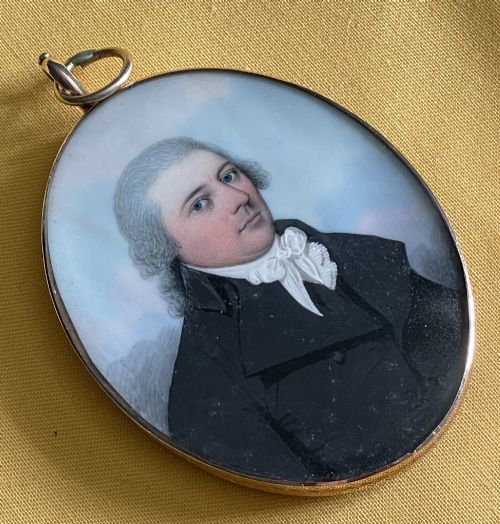
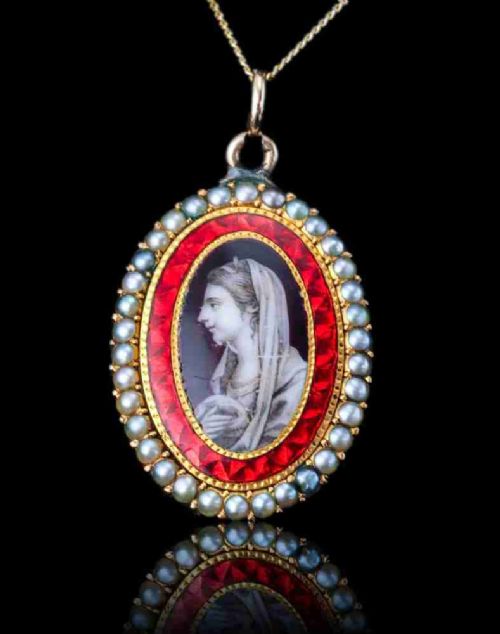
A gold portrait locket brings together miniature painting and precious metal work to preserve the likeness of an individual. When you search for a gold portrait locket, you encounter pieces that function as both personal mementoes and items of fine jewellery.
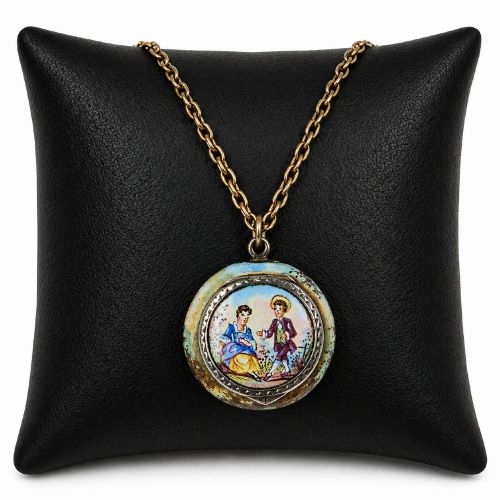
The pieces listed on this page span several distinct periods, including Georgian, 18th Century, 1700, 1860, Edwardian, and 1960. You are most likely to meet Georgian pendants and later Victorian or Edwardian book picture lockets that open to reveal painted likenesses.
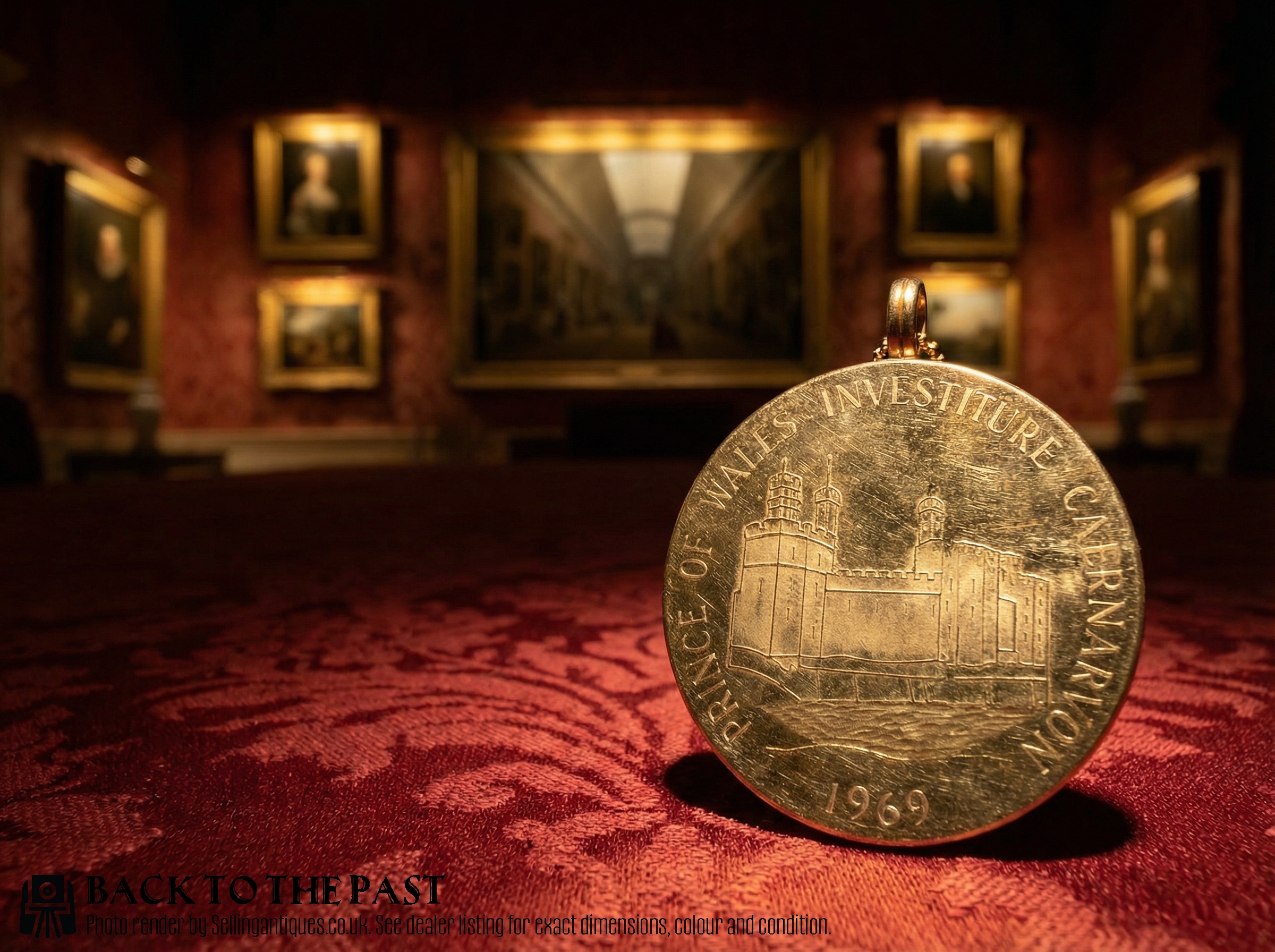
Forms vary across the selection from pendant necklaces to larger commemorative lockets featuring specific historical subjects. Each piece frames a miniature work of art within gold casings designed to protect the image inside.
How they were made
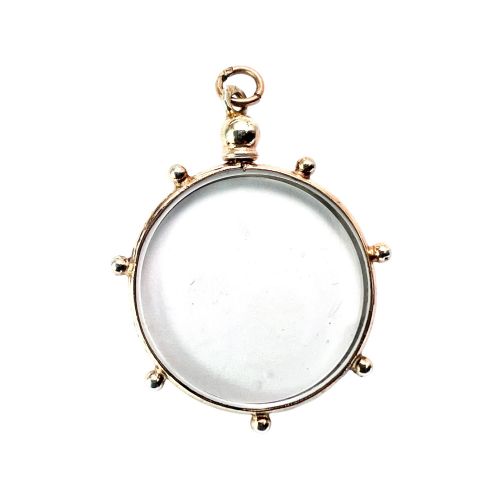
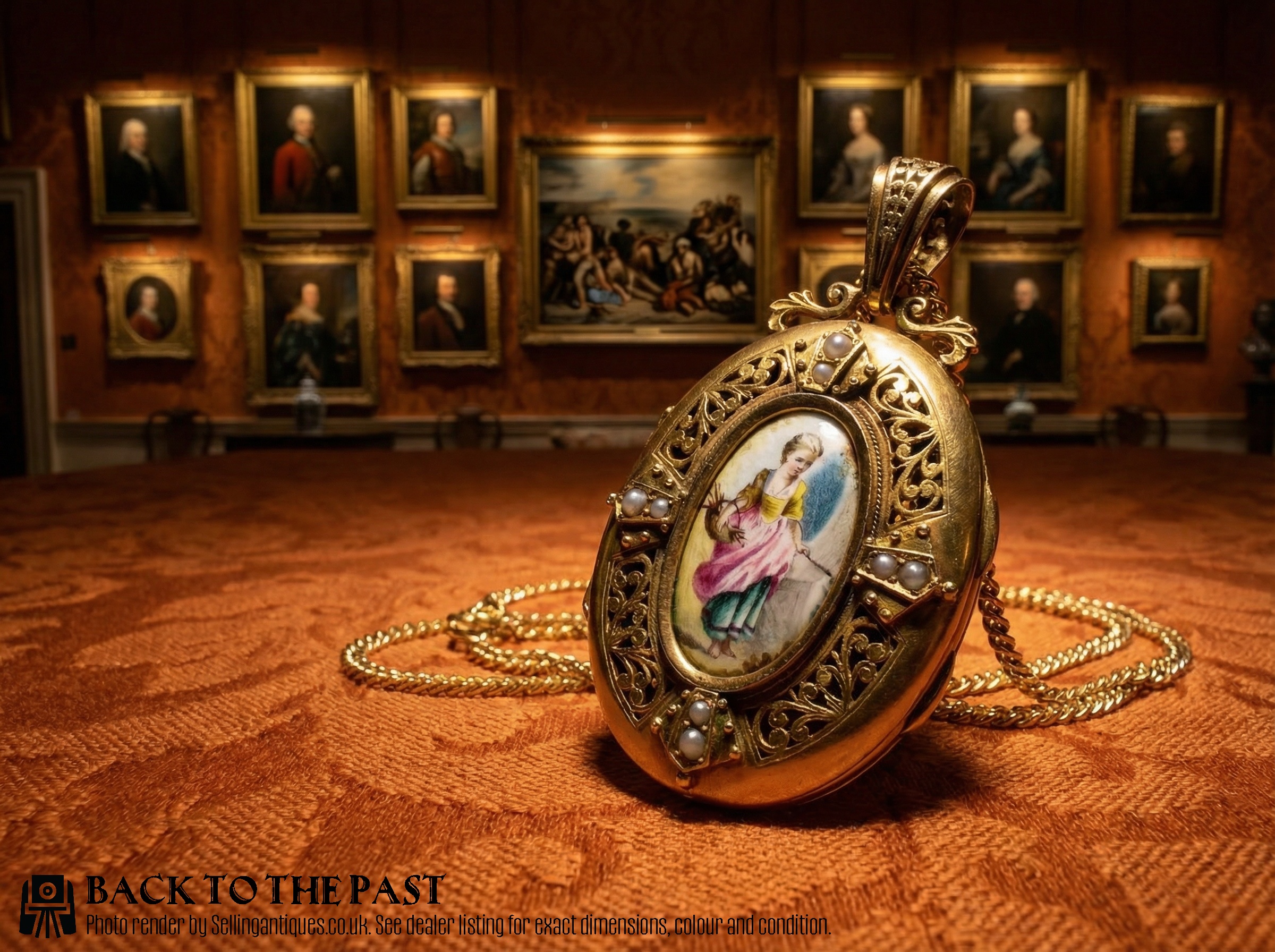
Maker's workshops constructed these pieces using 9ct gold, 18ct gold, and standard gold housings to enclose delicate portraits. Artisans placed glass over the delicate surfaces to protect the painted details from wear.
Retail Price Guide 2026
Typical UK retail prices for gold portrait locket, calculated from the Sellingantiques database of over a million retail prices indexed since 2003. This retail price guide relies exclusively on Sellingantiques data; no external sources or auction records are used, so the figures do not describe the wider market.
What varies in quality
The standard of painting determines much of the distinction between pieces, ranging from hurried commercial work to the skilled hand of named artists. Finer miniatures capture subtle expressions and anatomical accuracy with remarkable precision.
The weight and detail of the gold mountings also separate standard items from exceptional examples. Enamelling, pearl setting, and robust hinge construction elevate the overall execution of the casing.
John C D Engleheart·George Engleheart·Charles Hayter
The Gold Portrait Locket Glossary
- Miniature
- A small-scale portrait painted with fine detail, often executed on ivory or vellum. These works require steady hands and specialised brushes to achieve lifelike depth.
- Pendant locket
- A piece of jewellery designed to be worn on a chain that opens to reveal a hidden compartment or portrait. They combine the decorative qualities of a pendant with the functional security of a hinged container.
- Sepia
- A brownish pigment derived from the ink sac of the cuttlefish, widely used for monochromatic portraiture. It produces warm, tonal monochrome images with notable permanence.
- Investiture locket
- A commemorative piece created to mark the formal installation of an heir to a title, such as the Prince of Wales. These items often feature heraldic engravings and specific architectural motifs.
Frequently Asked Questions
What is inside a portrait locket?
These pieces typically contain a hand-painted miniature on ivory, often protected beneath a layer of glass.
Some examples also incorporate woven hair or commemorative engravings on the reverse side.
How do you date a gold portrait locket?
Dating relies on the costume and hairstyle depicted in the portrait, alongside the construction style of the gold mount.
Georgian and Victorian settings display distinct metalworking techniques and clasp designs characteristic of their eras.
Can these lockets be worn every day?
Because many incorporate delicate watercolour on ivory and thin gold hinges, careful handling is necessary to preserve them.
Frequent wear exposes the glass and painted surfaces to potential knocks and environmental moisture.
Are all portrait lockets made of solid gold?
The pieces recorded here utilise 9ct gold and 18ct gold for their primary structures.
Each metal grade provides different levels of durability and colour depth for the exterior casing.