



Hand Painted Miniature
When you search for hand painted miniature, you enter a diverse world of tiny portraits, porcelain plaques and delicate snuff boxes crafted across centuries.
Hand Painted Miniature
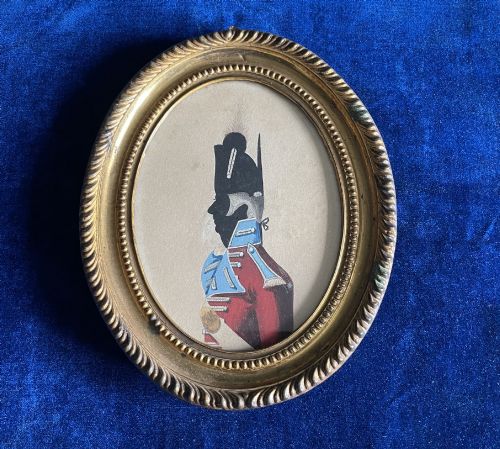
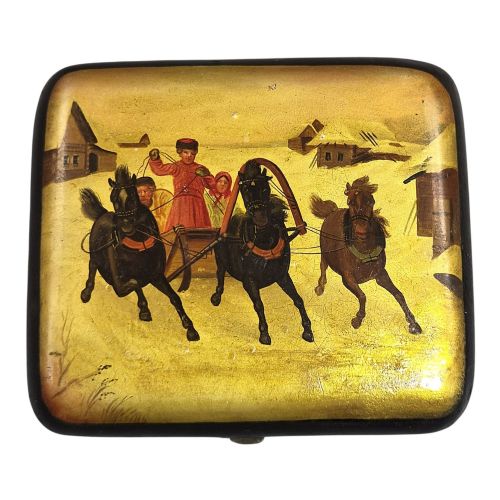
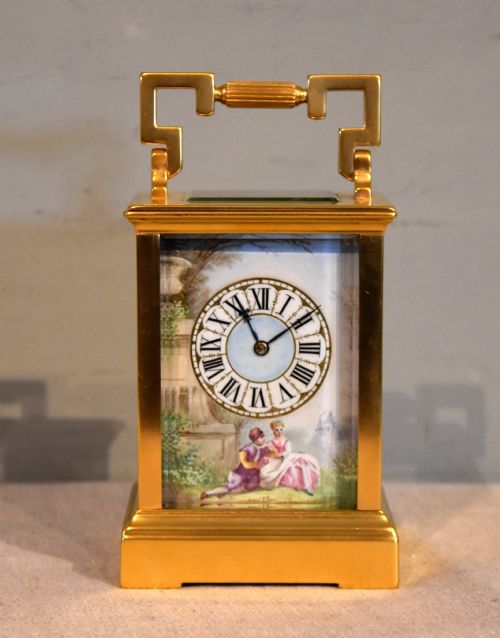
A hand painted miniature encompasses a wide assortment of small-scale artworks and decorated objects, ranging from delicate portrait miniatures set in brooches and pendants to diminutive vases and snuff boxes. These items appear across periods such as the Georgian, Victorian and Edwardian eras, alongside pieces from the Meiji period and the twentieth century.
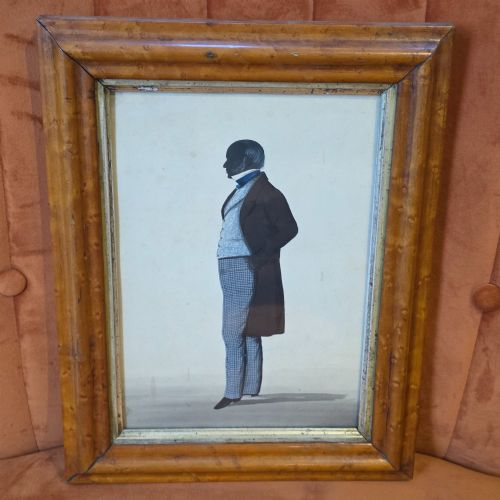
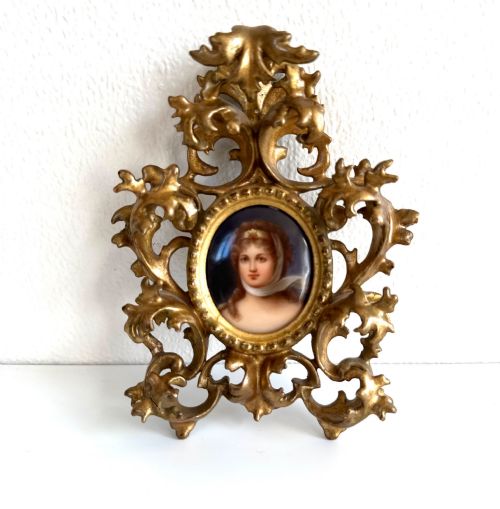
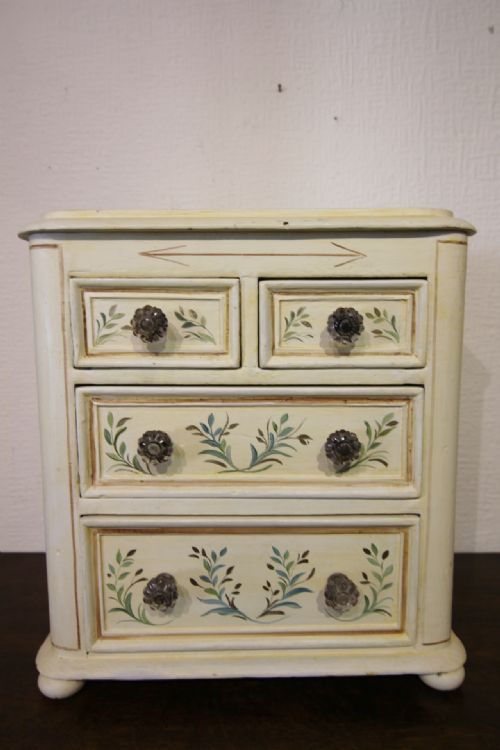
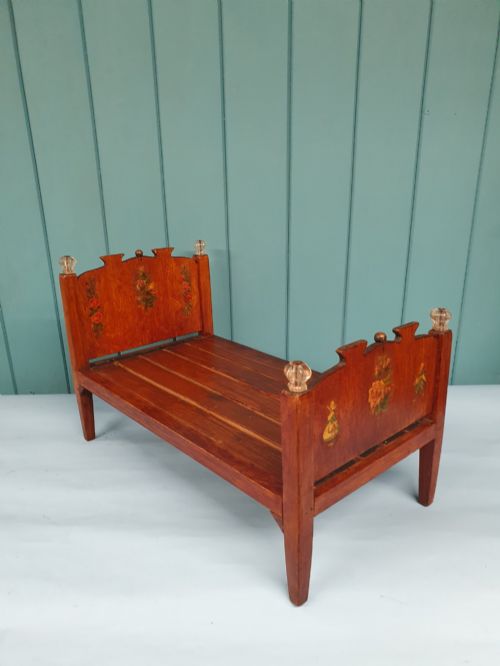
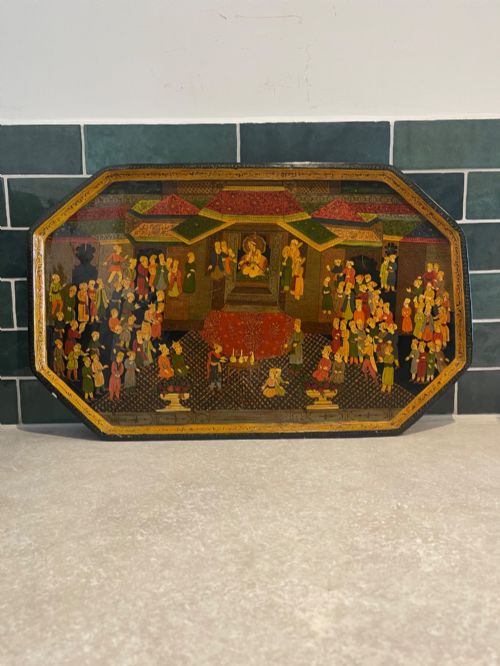
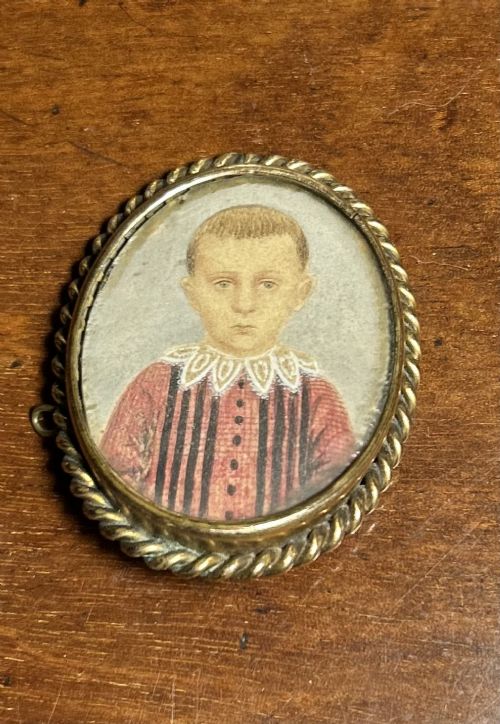
Portrait miniatures dominate the historical selections, often depicting gentlemen, ladies and children in oil, watercolour or gouache. Alongside these, buyers encounter small porcelain plaques, painted enamel panels, miniature furniture like apprentice chests, and fine Japanese ceramics including Satsuma and Imari wares.
Materials and Methods
Artists painted these small works using watercolour, gouache, enamel and oil upon delicate surfaces such as porcelain, glass, paper and ivory. Many items incorporate metalwork components, utilising gold leaf, silver panels, gilt brass frames and tortoiseshell mounts to house the artwork.
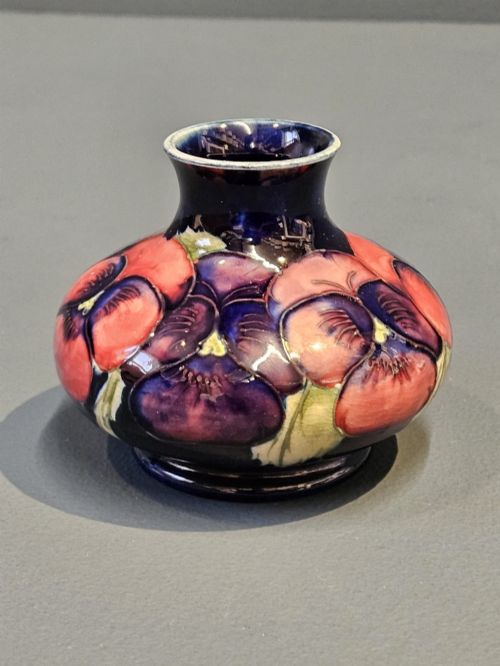
Ceramic forms involved shaping earthenware, porcelain or papier-mâché, followed by detailed hand painting and sometimes gilding. Japanese pieces frequently display intricate Satsuma crackle-glaze earthenware decorated with fine figural processions and gold accents.
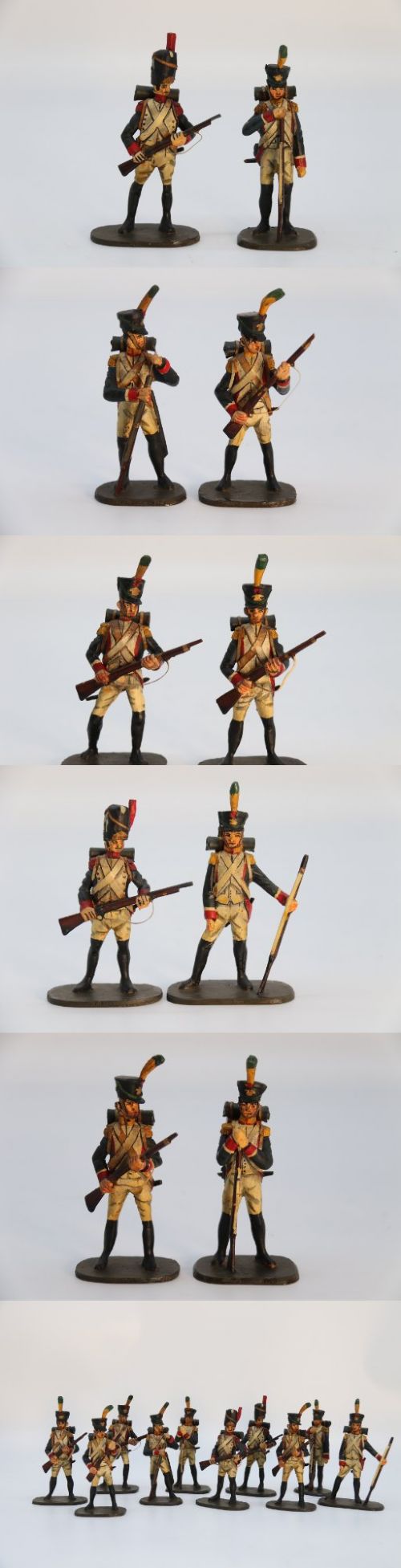
Napoleon's infantry marches again in the form of ten tiny hand-carved wooden soldier figures standing at attention.
Distinctions in Quality
Materials and mountings also dictate the tier of the piece. Superior items feature substantial precious metal frames, solid silver or tortoiseshell boxes, and signed work by known artists or recognised workshops, distinguishing them from unsigned commercial souvenirs.
R.D. Roberts·Vishnyakov Workshop·John Miers·Chosei·Shuzan·Choshuzan·Jissei·Susie Lassam
The Hand Painted Miniature Glossary
- Portrait Miniature
- A small-scale painted likeness, usually executed on ivory, vellum or card during the eighteenth and nineteenth centuries. These were frequently worn as jewellery or kept in protective leather cases.
- Satsuma Ware
- A type of Japanese earthenware featuring a pale, ivory-coloured crackle glaze richly decorated with enamels and gilt. It became highly popular for export during the Meiji period.
- Gouache
- An opaque watercolour medium used by artists to achieve matte, dense colour surfaces. It appears frequently on historical miniature paintings and manuscript leaves.
Hand Painted Miniature: Frequently Asked Questions
How were portrait miniatures worn?
Portrait miniatures were frequently set into gold brooches, swivel lockets or pendants so that families could keep the likeness of a loved one close to their heart.
They were also mounted inside hinged cases or carried in pockets by travelling admirers during the Georgian and Victorian eras.
What are apprentice chests?
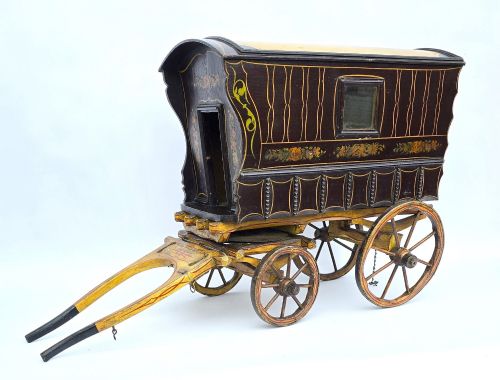
Apprentice chests are small-scale replicas of full-sized furniture built by young woodworkers to prove their skill to their guild masters.
Cabinetmakers utilised fine woods like walnut, rosewood and satinwood to construct these working models, which often included tiny functional drawers.
How do I care for antique miniatures?
Keep painted miniatures away from direct sunlight to prevent delicate watercolours and pigments from fading over time.
Maintain stable room humidity levels to protect organic materials such as ivory, paper and wood from warping or cracking.
Are Meiji Satsuma vases marked?
Many fine Meiji period Satsuma vases feature painted artist signatures or workshop seals on the base, denoting the maker or kiln of origin.
These signatures help collectors identify master decorators working in Kyoto and other major Japanese ceramic centres during the late nineteenth century.