
Antique Jewellery Pendant
An antique jewellery pendant brings history close to the collarbone, offering wearable pieces of past craftsmanship scaled for daily wear.
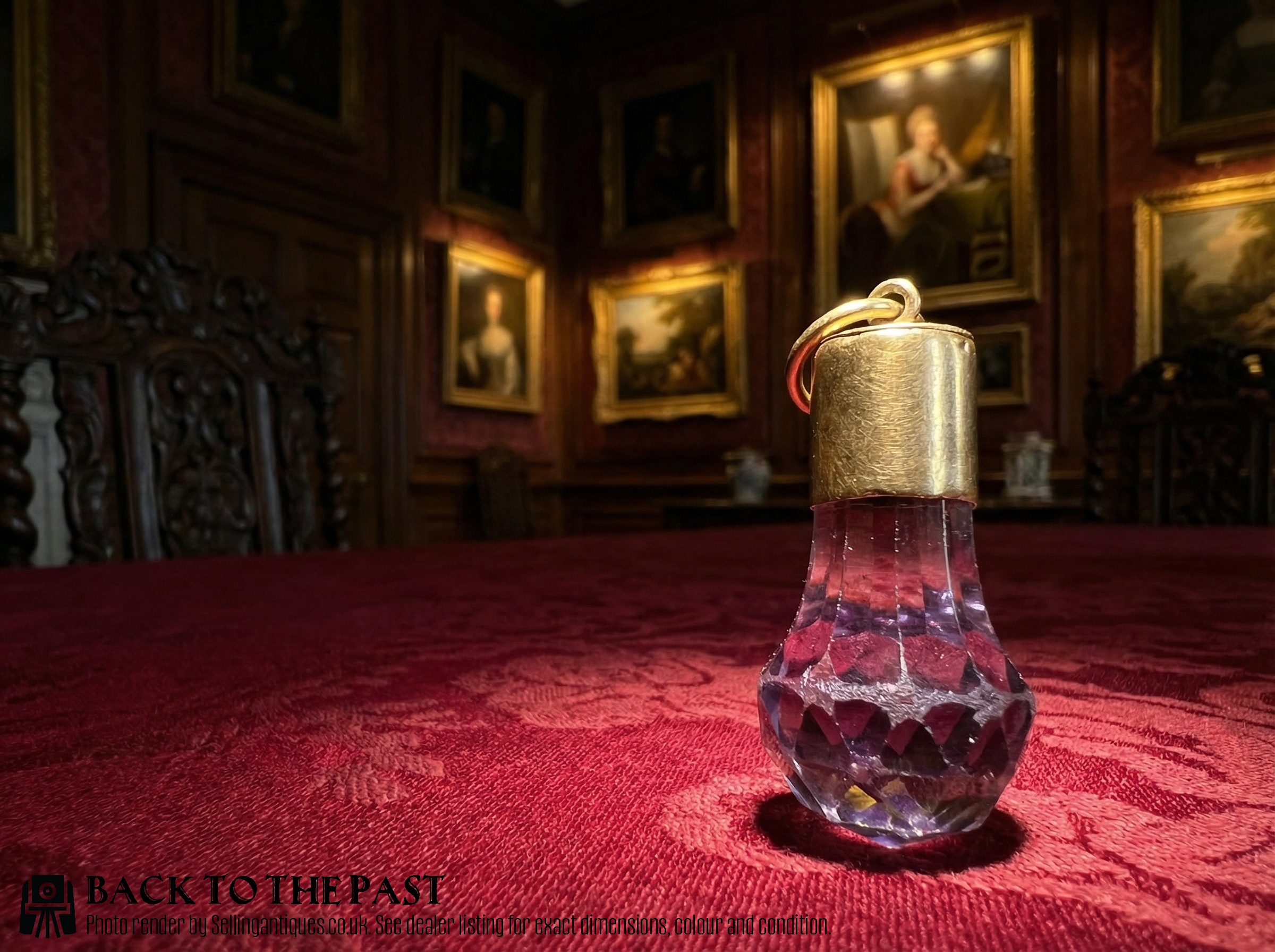
Antique Jewellery Pendant
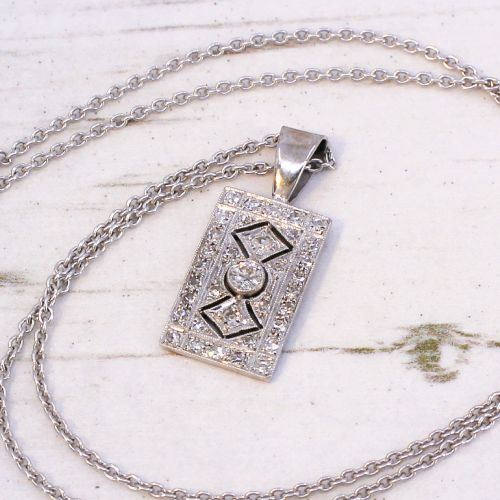
When searching for an antique jewellery pendant, buyers encounter historic drops designed to suspend from chains, ribbons or collars. These ornaments capture centuries of design shifts, ranging from austere geometric geometry to elaborate floral motifs.
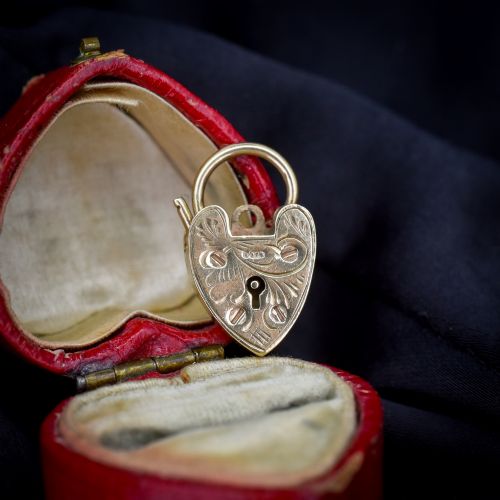
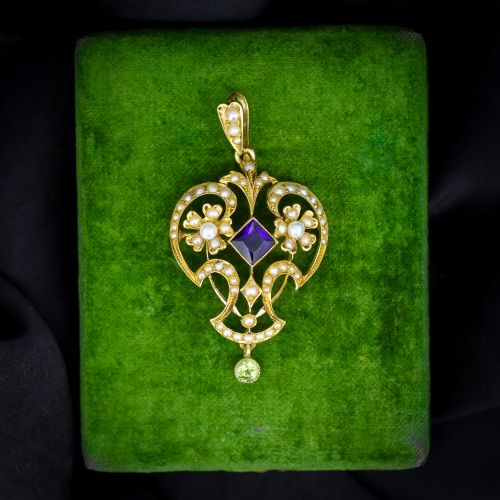
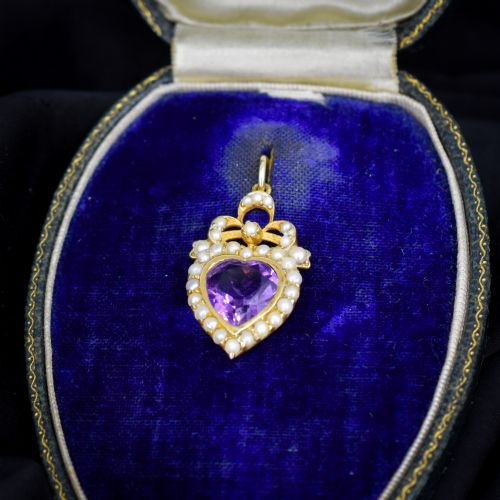
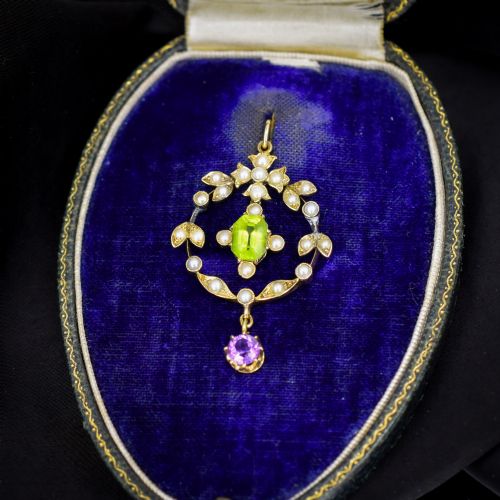
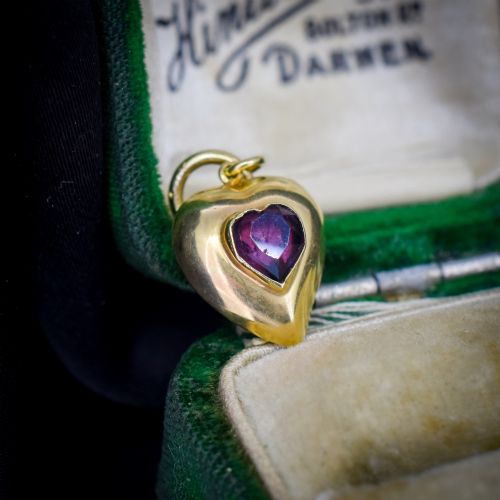
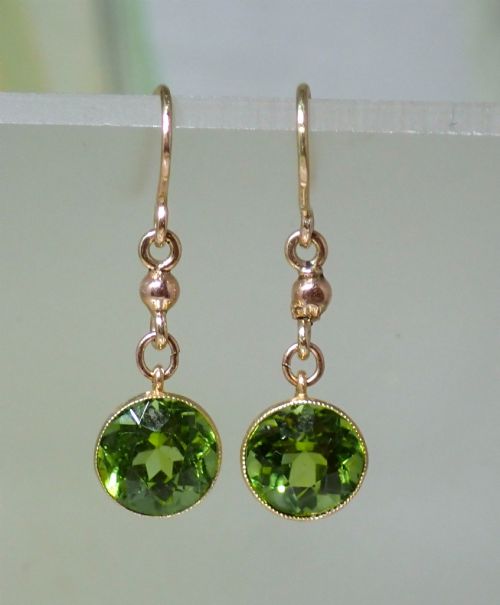
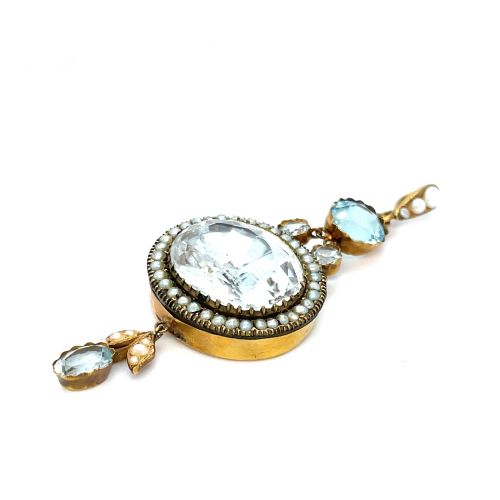
The most common examples on this page date from the Victorian, Edwardian and Art Deco eras. Pieces span simple gold lockets and heart charms to intricate lavalieres set with peridots, amethysts and seed pearls.
Makers utilised various metals and stones, resulting in pendants that function as standalone focal points or pair with matching chains. Each survivor reflects the aesthetic priorities of its specific decade.
Materials and construction methods
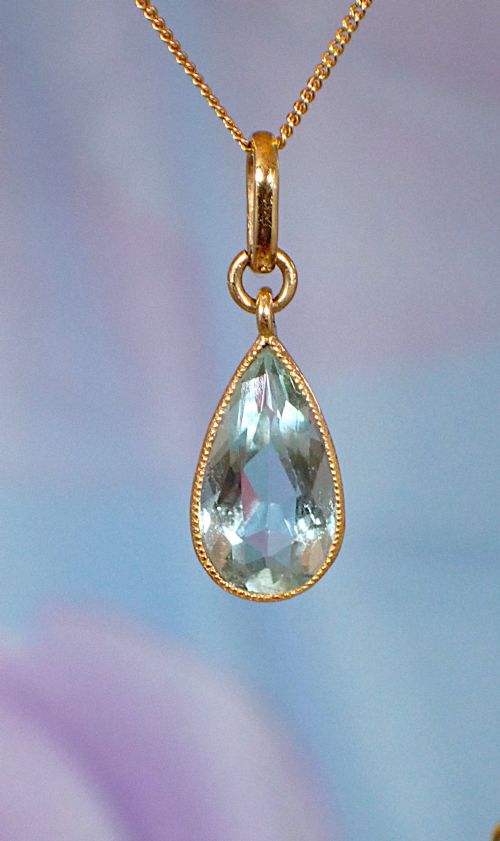
Goldsmiths worked primarily in nine-carat, fifteen-carat and eighteen-carat gold, alongside sterling silver and rolled gold variants. These metals provided sturdy settings for gemstones like diamonds, aquamarines, garnets and amethysts.
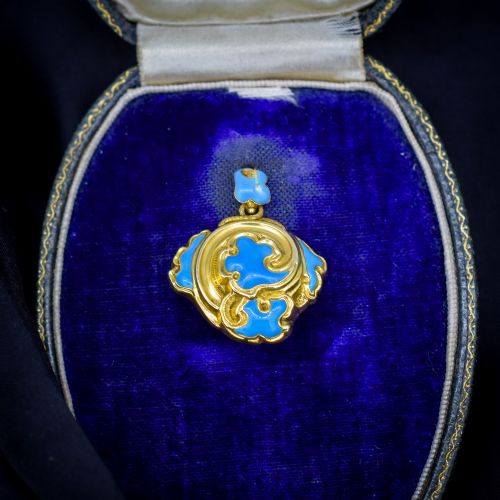
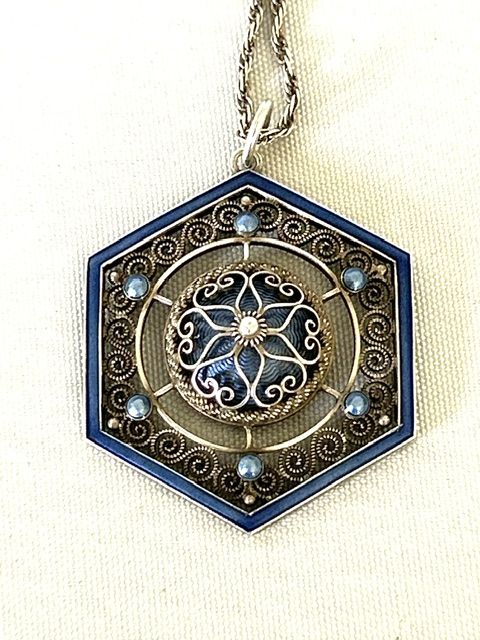
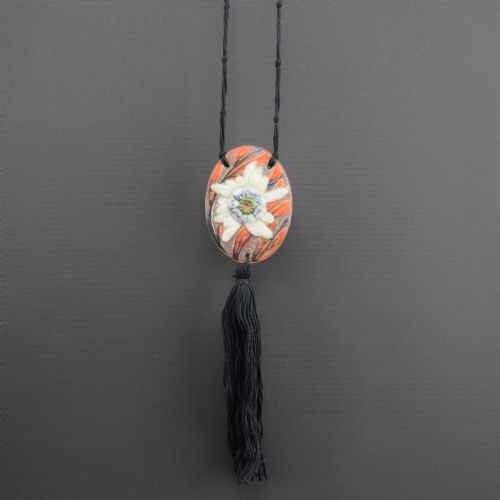
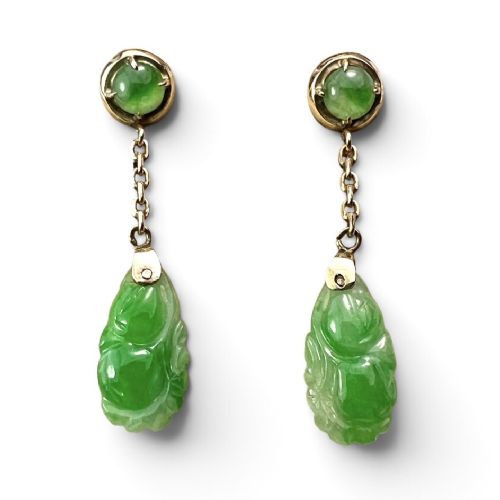
Enamelling techniques such as guilloche and pate de verre added vibrant colour to silver and gold surfaces. Artisans also incorporated seed pearls, turquoise beads and rock crystal to create textural contrast within drop and lavaliere designs.
Antique Jewellery Pendant Retail Price Guide 2026
Typical asking prices for jewellery pendant among the pieces listed under this phrase on Sellingantiques today, from the lower quarter to the upper quarter. They describe what is for sale here now, not the wider market.
Gemstone choices include amethysts, peridots, aquamarines, and seed pearls set into Edwardian and Victorian designs.
Distinctions in craftsmanship
Quality rests in the precision of stone setting and the depth of metal engraving. Finer examples display hand-cut gems secured with even claws and clean bezel surrounds rather than heavy solder lines.
The sophistication of the enamel work dictates the upper tier of the range. Smooth, translucent guilloche patterns over engine-turned metal demonstrate superior hand skill compared to flat, opaque surfaces.
Marius Hammer·Argy Rousseau·Henry Bone ARA·Deakin & Francis
The Antique Jewellery Pendant Glossary
- Lavalier
- A pendant featuring a central drop suspended from a shorter necklace chain, popular during the Edwardian period. These designs often incorporate swinging gemstone components.
- Guilloche
- An ornamental technique where a precise, intricate pattern is mechanically engraved into a metal substrate. Transparent enamel is subsequently applied over the design to catch the light.
- Pate de verre
- A glass-casting method where crushed glass is packed into a mould and fused in a kiln. This produces coloured, textured components with a distinctive matte finish.
- Paste
- Faceted lead glass used historically to imitate gemstones. Skilled lapidaries cut paste by hand to replicate the brilliance of diamonds and coloured stones.
Antique Jewellery Pendant: Frequently Asked Questions
How do I date an antique pendant?
Dating relies on stylistic markers, metal fineness hallmarks, and fastener types. Victorian pieces often feature closed-back settings and mourning motifs, whereas Edwardian items favour lighter platinum and high-carat gold lavalier structures.
Assay office stamps and registration marks stamped onto the metal provide exact years or decades. Comparing the stone cut, such as old European cuts versus modern brilliants, narrows the timeframe further.
Can I wear an antique pendant daily?
Most gold and silver pendants tolerate regular wear if handled with reasonable care. Softer gems like pearls and opals require extra protection from cosmetics, perfumes, and hard knocks.
Checking the security of jump rings and bails prevents accidental loss during daily use. Removing delicate historic jewellery before swimming or sleeping ensures long-term survival.
What is the difference between a locket and a pendant?
A pendant is a decorative ornament designed to hang from a chain, functioning purely as visual adornment. A locket includes a hinged compartment intended to hold miniature portraits, locks of hair, or small mementos.
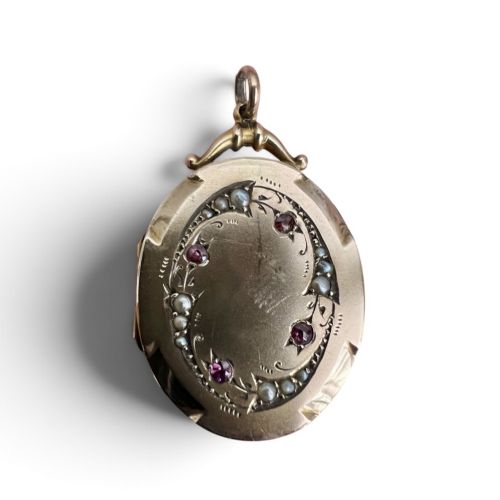
Many antique examples combine both functions, presenting decorated gemstone fronts that open to reveal interior photo frames. Lockets tend to be slightly thicker to accommodate the internal space.
How do I clean antique silver and gold safely?
Gentle cleaning with a soft microfibre cloth removes everyday skin oils and dust without abrasion. Harsh chemical dips ruin delicate patinas, historic foils behind stones, and soft organic materials like seed pearls.
Soaking items containing enamel or pearls risks loosening settings or damaging the finish. Professional ultrasonic cleaners should be avoided on antique jewellery with glued components or foiled gems.