


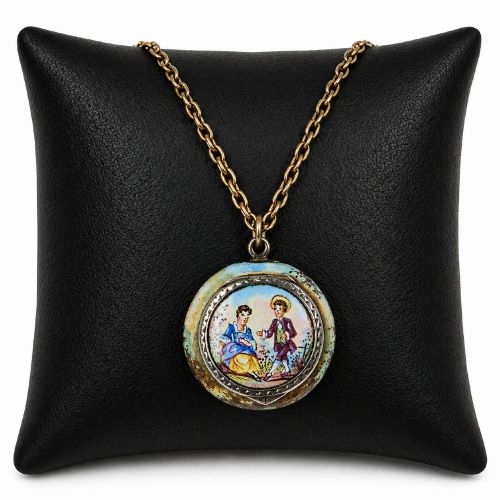


Portrait Locket Pendant
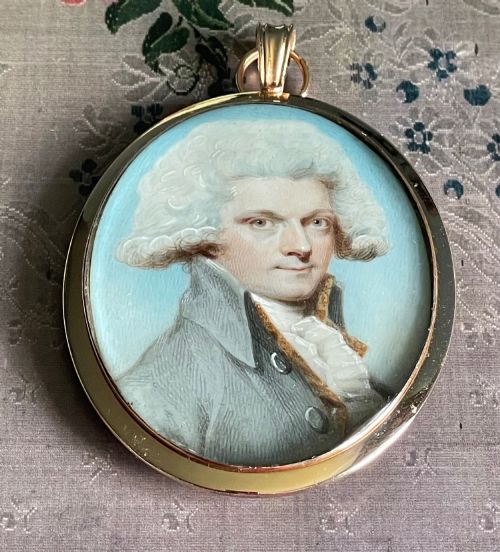
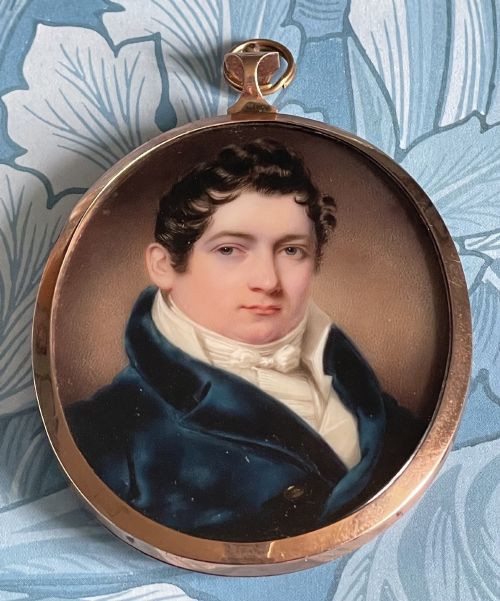
A portrait locket pendant holds a painted face or silhouette close to the heart, combining wearable art with personal remembrance.
Portrait Locket Pendant
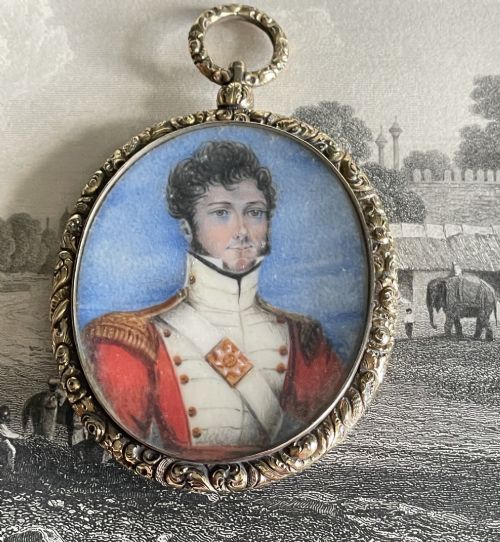
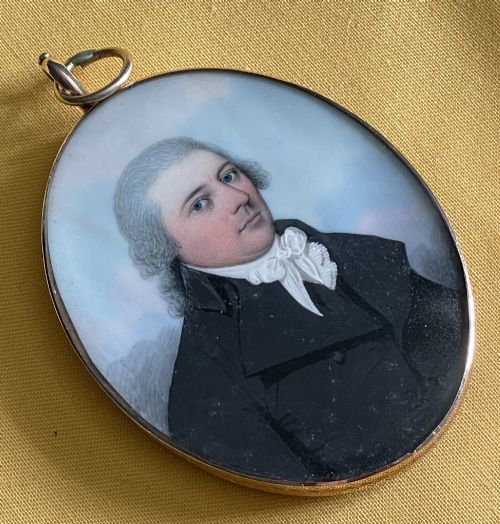
When you search for portrait locket pendant, you encounter pieces that merge miniature painting, silhouette work, or photography with hinged or glass-fronted metal containers. The selections on this page span the eighteenth century through the Edwardian era, showing both hand-painted miniatures and framed photographic compartments.
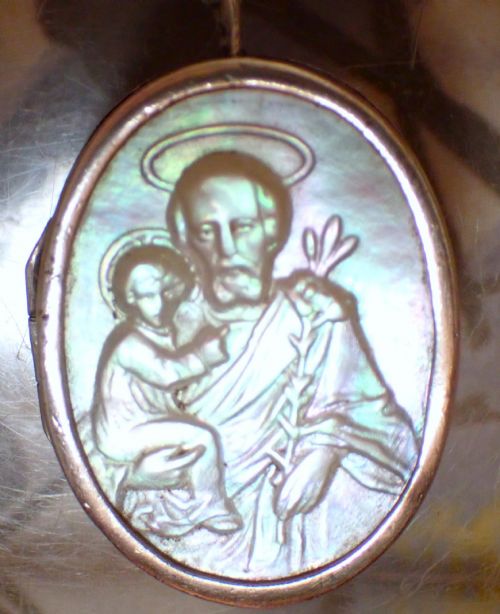
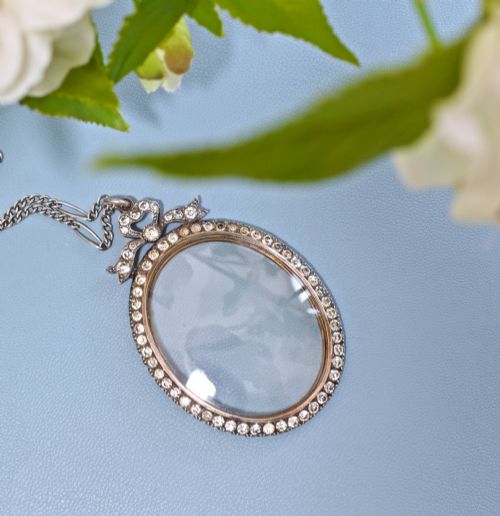
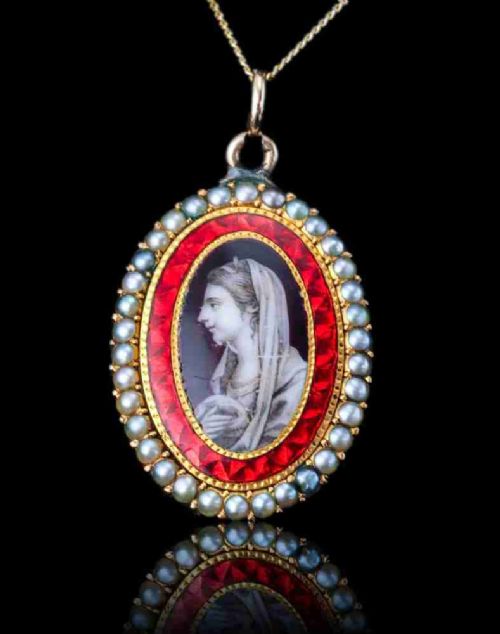
Georgian and eighteenth-century examples lean heavily on delicate watercolours, sepia tones, and enamels set in yellow gold or gilt metal frames. Later Victorian and Edwardian variations incorporate sterling silver, mother-of-pearl, paste stones, and dedicated photograph frames alongside traditional painted likenesses.
Materials and construction methods
The physical build relies on precious metals such as gold in various carat weights, silver, and gilt metal housing delicate visual surfaces. Artisans painted watercolours on vellum, ivory, or paper, protecting the pigment beneath faceted glass or enclosing it within enamel and hinged metal cases.
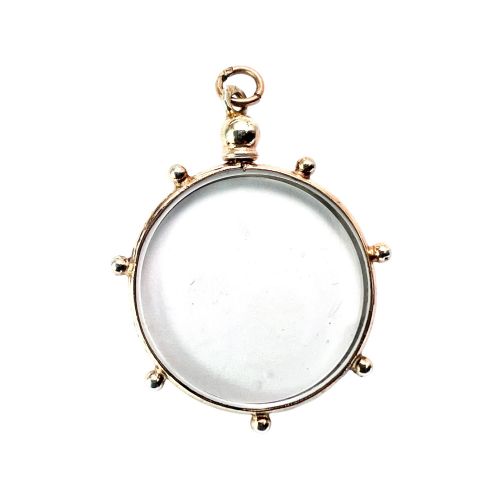
Specialist techniques include fine enamel work, silhouette cutting, and detailed gold framing that often incorporates pearls, diamonds, or carved mother-of-pearl. Screw bezels, double-sided glass panels, and pin attachments allow these items to function as both pendants and brooches.
Materials recorded across pieces include gold, silver, glass, enamel, watercolour, ivory, mother-of-pearl, and vellum.
Assessing quality in portrait locket pendants
Quality rests upon the execution of the miniature portrait itself, where expressive brushwork, precise facial detailing, and the skill of the artist elevate the piece beyond a standard keepsake. Signed works or those attributed to known miniaturists carry distinct artistic merit.
The sophistication of the housing matches the artwork, with heavier gold or silver framing, integrated gemstones like pearls or diamonds, and secure hinges or screw-top glass panels demonstrating superior craftsmanship.
Henry Bone ARA·Charles Shirreff·John Miers·John C D Engleheart·Frederick Buck·Charles Hayter·Christian Friedrich Zincke·Elizabeth Hudson·George Engleheart·James Ferguson·William Wood·William Grimaldi·John Inigo Wright·Samuel Cotes·Meyle & Mayer
The Portrait Locket Pendant Glossary
- Miniature portrait
- A small, highly detailed painting executed on ivory, vellum, or card, usually depicting a specific person.
- Silhouette
- A profile likeness cut from black paper or painted in solid dark pigments, popular before the widespread use of photography.
- Enamel
- Vitrified glass fused to a metal surface through high-temperature firing, providing durable colour and smooth decoration.
- Vellum
- A fine parchment prepared from calfskin, frequently utilised as a smooth painting surface for eighteenth-century miniatures.
Portrait Locket Pendant: Frequently Asked Questions
What is a portrait locket pendant?
A portrait locket pendant is an item of jewellery that combines a small painted likeness, silhouette, or photograph with a pendant housing. These pieces were designed to be worn on chains or ribbons, keeping the image of a loved one close.
They bridge decorative metalwork and portraiture, offering a glimpse into personal history through miniature art.
How were portrait locket pendants worn?
Historically, owners wore these pieces suspended from necklaces around the neck, or pinned to garments as combined pendants and brooches. The dual functionality allowed them to be displayed prominently on clothing or kept hidden near the heart.
Many examples feature loops or bails sized for fine gold chains, ribbons, or silk cords.
Can I put a modern photo inside?
Many locket-style pendants feature hinged compartments or glass frames originally intended for hair, miniatures, or photographs. Depending on the specific construction, modern prints can often be trimmed to fit behind glass or secured within the metal frame.
Care must be taken with antique mountings and fragile glass panels to avoid damaging original components.
How do I date an antique locket?
Dating relies on stylistic clues, including the costume and hairstyle of the painted subject, the framing techniques, and any hallmarks on the gold or silver. Georgian pieces often display closed-back settings and fine sepia or watercolour work, while Edwardian versions frequently utilise lighter silver frameworks and paste stones.
Signature details and mounting styles provide additional chronological markers.