



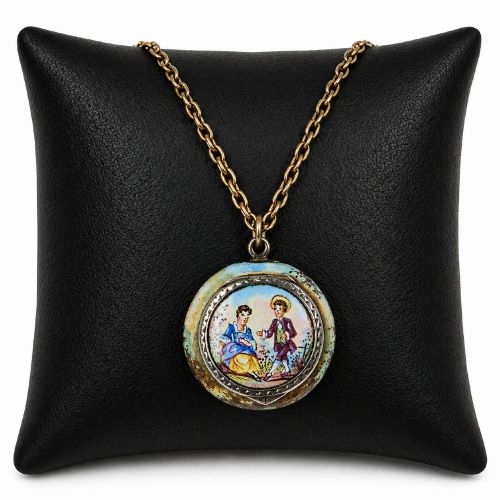
Gold Portrait Pendant
A gold portrait pendant holds a hand-painted face or carved likeness inside precious metal, bringing centuries of personal history close.
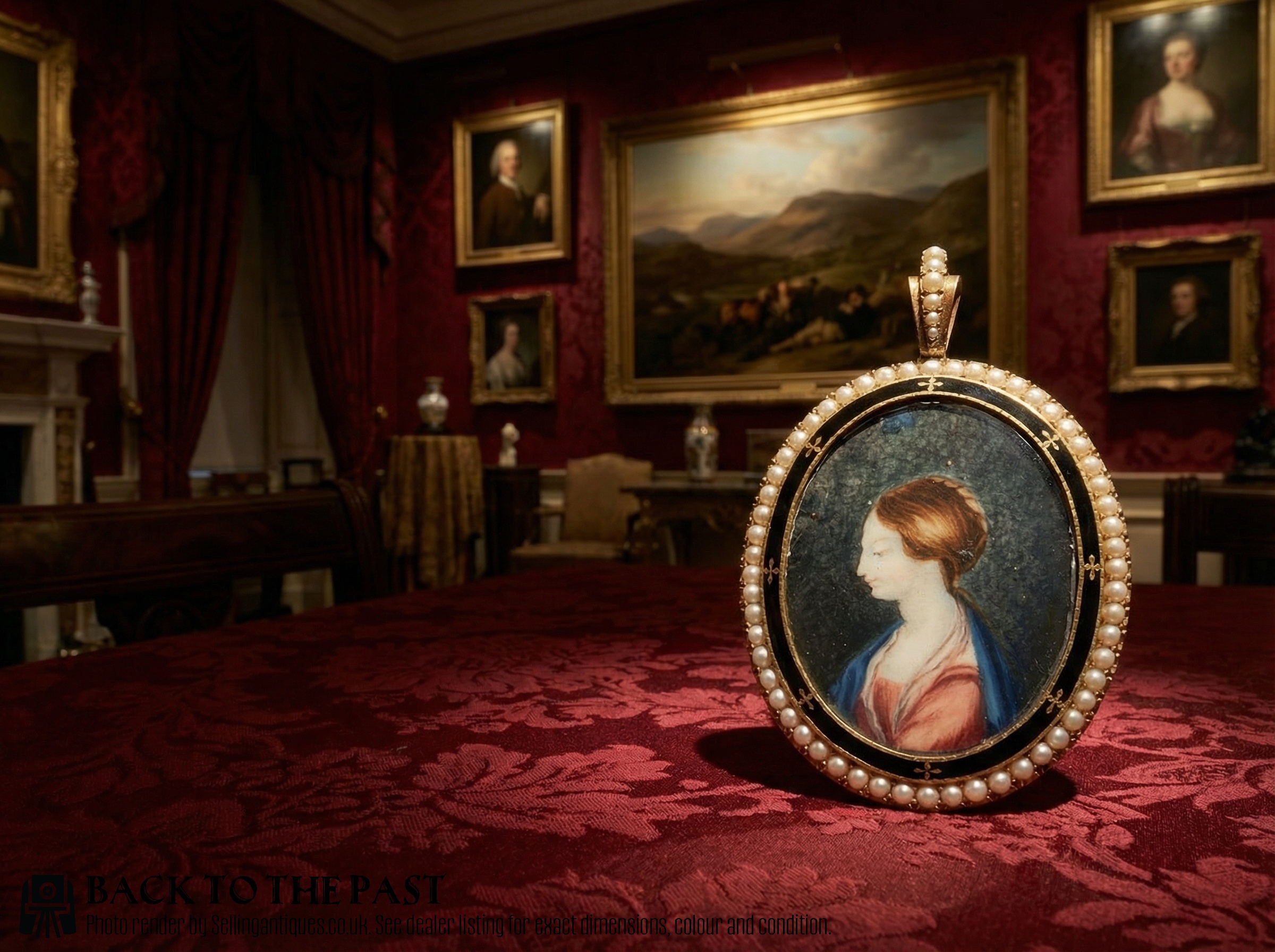
Gold Portrait Pendant
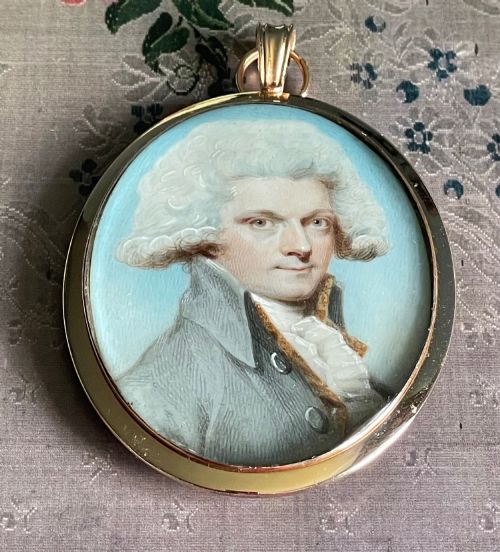
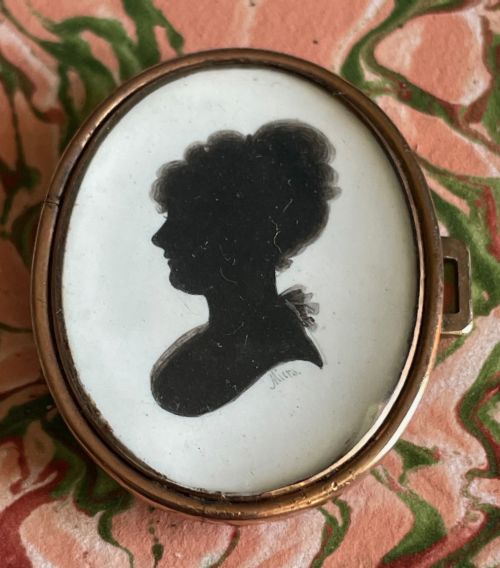
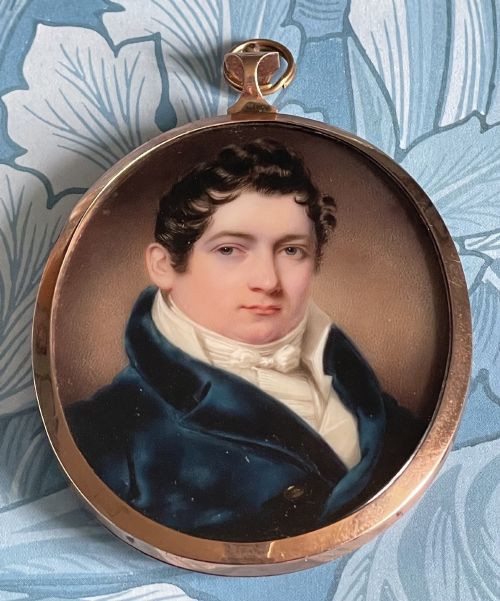
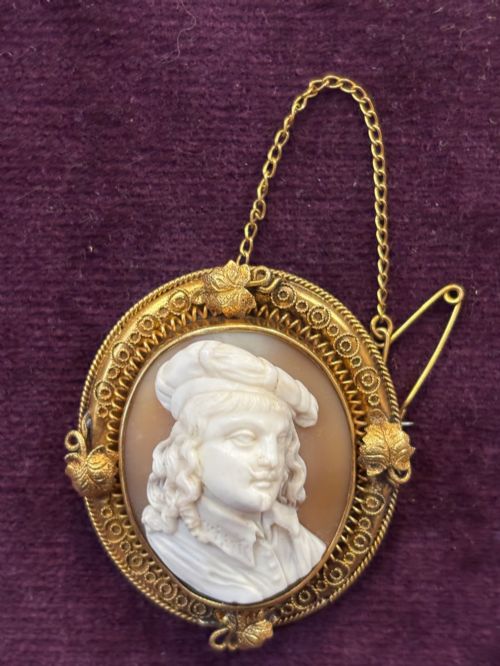
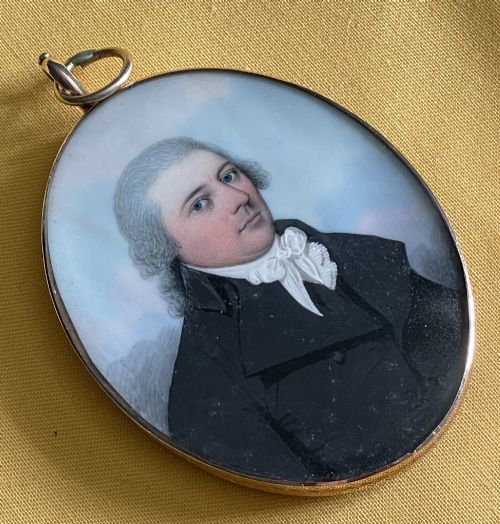
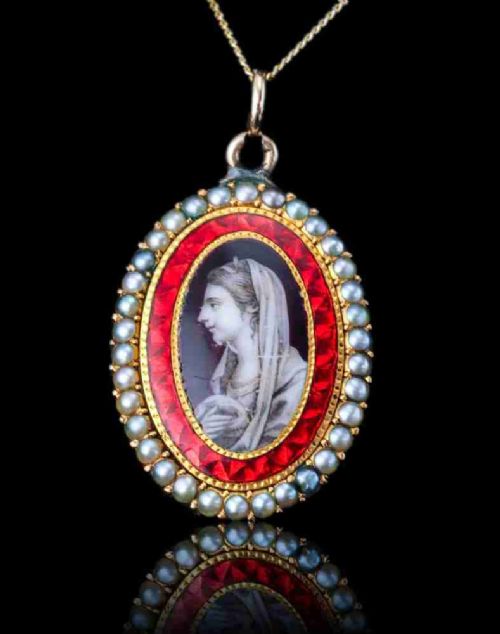
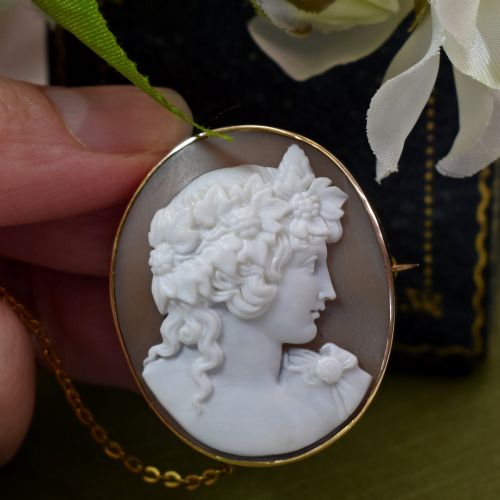
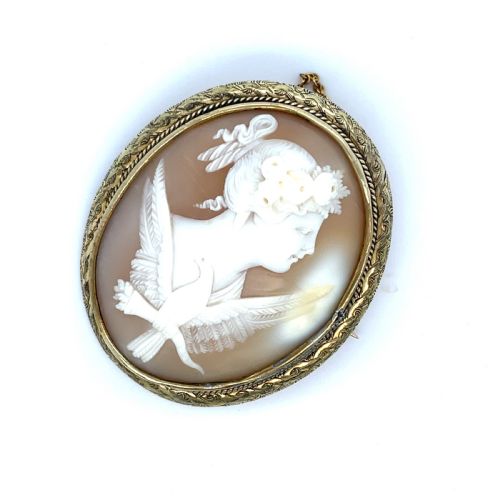
A gold portrait pendant combines wearable art with intimate memory, taking the form of framed miniatures, lockets, and sculpted cameos. These pieces emerge primarily from Georgian, Victorian, and Edwardian periods, reflecting changing artistic tastes in personal remembrance.
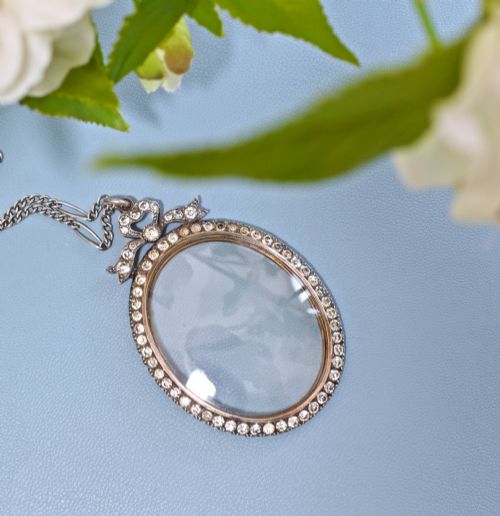
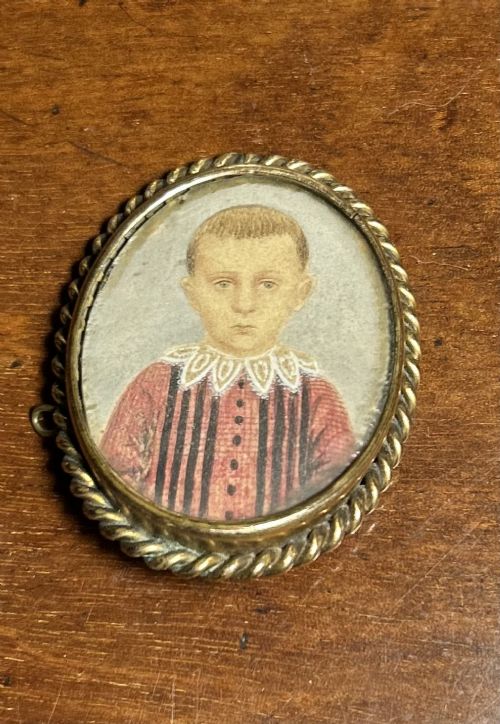
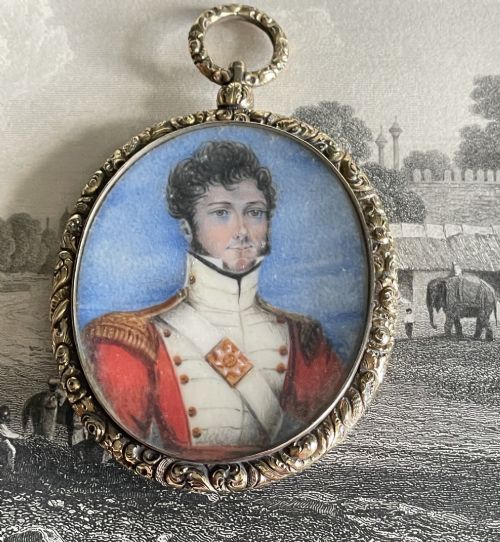
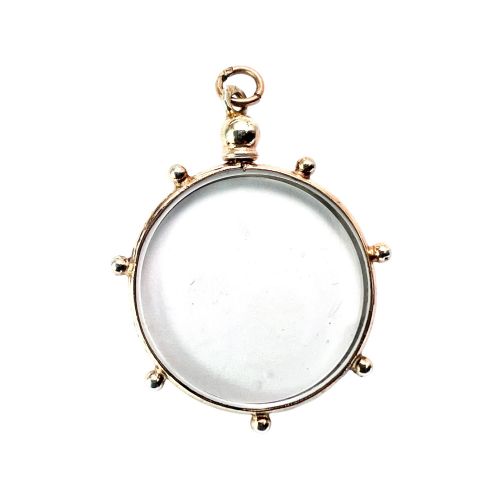
Most examples encountered here are miniature paintings on ivory, vellum, or glass, alongside shell cameos and silhouette pieces mounted in gold frames. The designs range from simple bezels to elaborate hinged lockets intended to hold hair or photographs at the back.
How they were made
Craftsmen utilised various grades of gold alongside gilt metal, silver, and glass to construct protective frames for delicate artworks. Miniatures were executed in watercolour, enamel, or sepia, while relief carvings were worked directly into shell or agate.
The miniature paintings required exceptional brushwork on small surfaces, often protected beneath glass panels. Metal frames frequently incorporated hinges, screw fittings, and pearl or paste gemstone borders to secure the central portrait.
Gold Portrait Pendant Retail Price Guide 2026
Typical asking prices for gold portrait pendant among the pieces listed under this phrase on Sellingantiques today, from the lower quarter to the upper quarter. They describe what is for sale here now, not the wider market.
What varies in quality
The artistic skill of the portrait painter determines the upper tier of quality, distinguishing lifelike facial expressions and fine lace details from simpler works. Master painters achieve depth and proportion that lesser hands miss entirely.
Metalwork execution and material weight also divide standard pieces from finer examples. Solid gold frames with crisp chasing, original glass, and intact reverse hair compartments carry superior craftsmanship compared to lightweight or later replacements.
Henry Bone ARA·Charles Shirreff·John Miers·John C D Engleheart·Frederick Buck·Charles Hayter·Christian Friedrich Zincke·William Naish·William Wood·James Ferguson·George Engleheart·William Grimaldi
The Gold Portrait Pendant Glossary
- Miniature portrait
- A small, highly detailed painting on ivory, vellum, or card, usually depicting a specific person.
- Cameo
- A method of carving where a relief image is raised against a contrasting background, typically worked in shell or agate.
- Locket
- A hinged pendant designed to open and conceal a small photograph, lock of hair, or miniature painting.
- Intaglio
- A design carved into the surface of a gemstone or glass, creating a sunken impression rather than a raised relief.
- Enamel
- Vitrified glass powder fused to a metal surface through firing, providing durable colour for detailed portraits.
Gold Portrait Pendant: Frequently Asked Questions
What is a gold portrait pendant?
A gold portrait pendant is a piece of antique jewellery featuring a painted miniature, silhouette, or carved cameo set within a gold frame. These items were worn close to the heart to commemorate loved ones.
They combine personal history with the fine craftsmanship of miniature painting and metalwork from the eighteenth and nineteenth centuries.
How were portrait pendants used historically?
People wore these pendants on necklaces or brooches to keep images of family members, spouses, or public figures nearby during travel or separation. Some designs included glass compartments in the reverse for locks of hair.
They served as tokens of affection, mourning pieces, or outward displays of political and social allegiance.
How do I care for an antique portrait pendant?
Protect these fragile items from moisture, direct sunlight, and chemical contact such as perfumes or cosmetics. The painted surfaces and ivory supports are particularly sensitive to humidity.
Store them flat in lined boxes and handle them by the outer frame rather than touching the glass or exposed miniature directly.
How can I tell the period of a pendant?
Dating relies on costume styles, hair fashion, painting medium, and the construction methods of the gold mount. Georgian pieces often feature closed-back settings and sepia tones, while Victorian examples introduce shell cameos and braided hair.
Comparing the portrait style to dated works by known miniaturists helps narrow the era of production.