



Edwardian Gold Locket
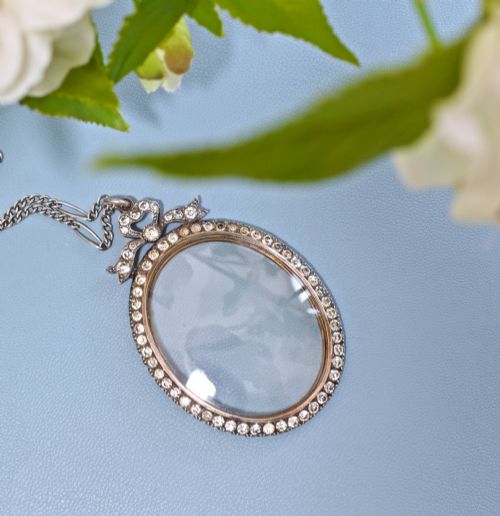
An edwardian gold locket holds personal keepsakes close, merging delicate yellow or rose gold work with enduring sentiment.
Edwardian Gold Locket
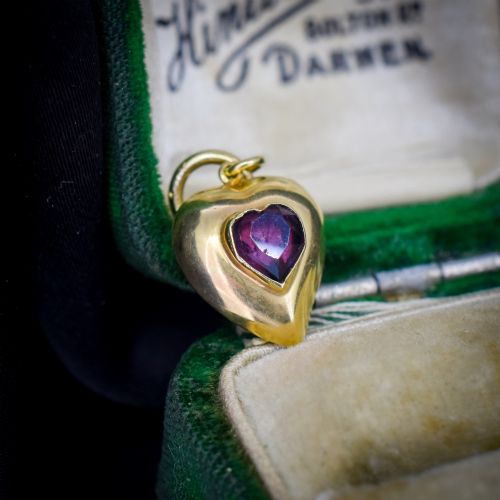
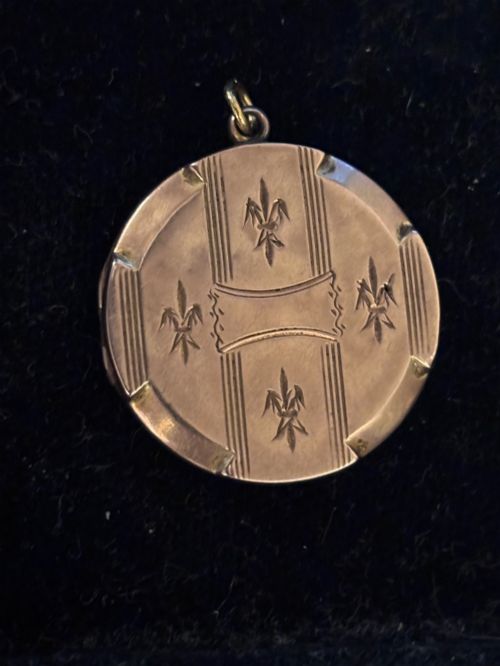
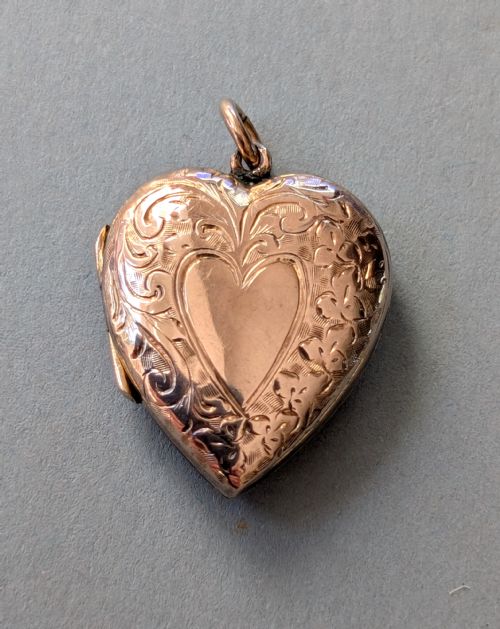
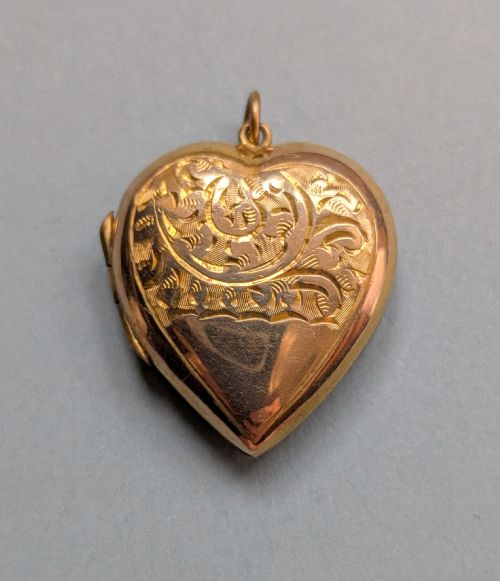
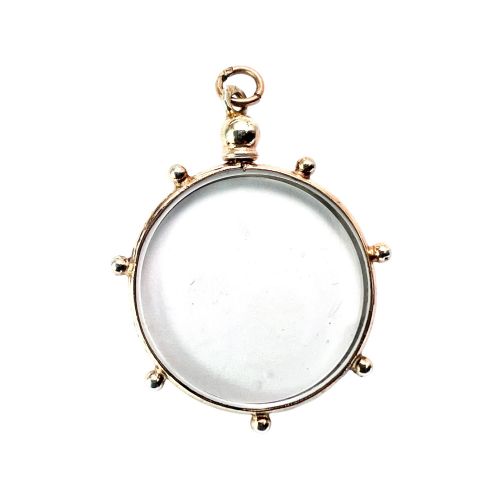
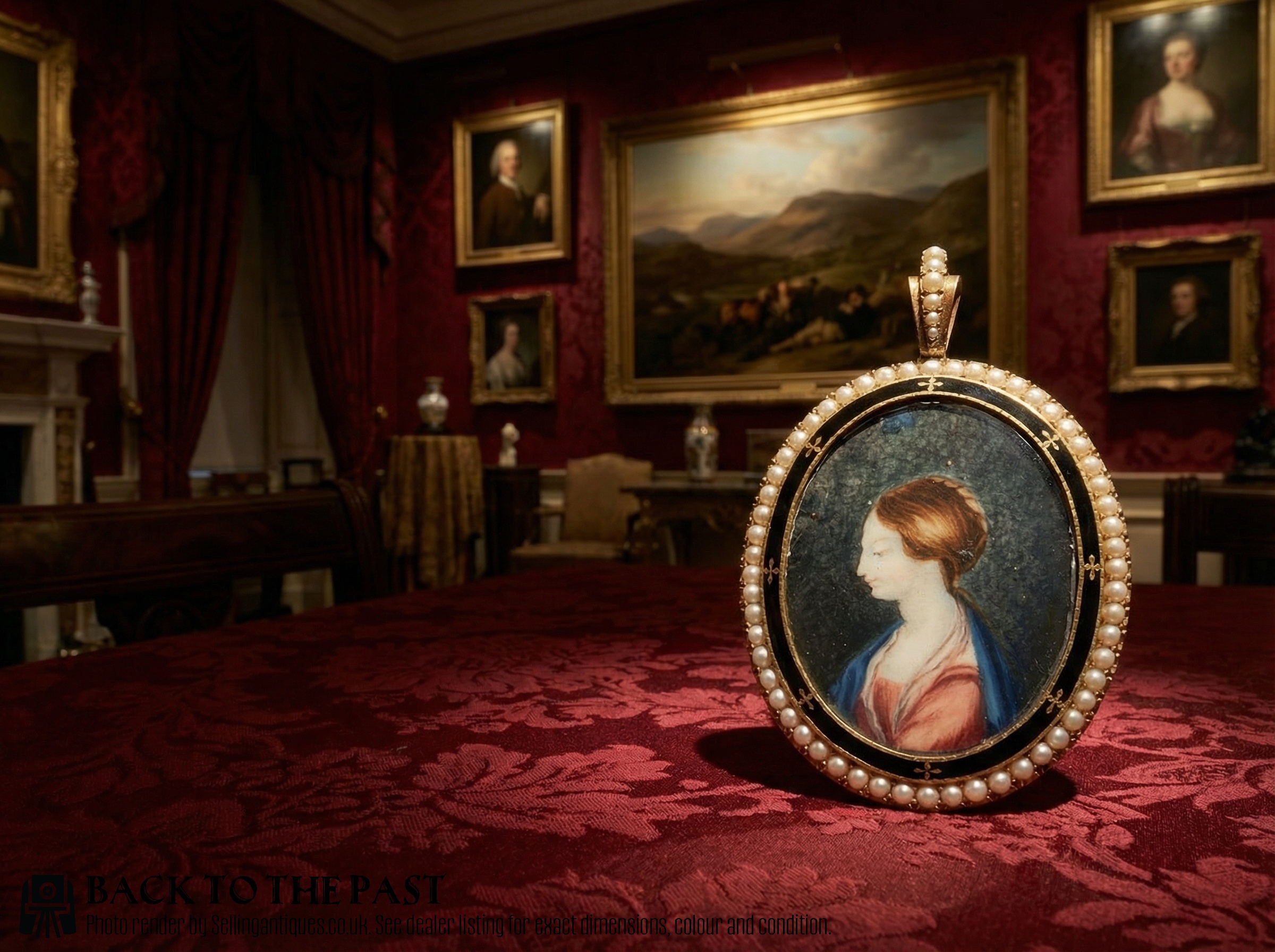
When searching for an edwardian gold locket, a buyer encounters pieces designed to hold photographs, hair, or small mementos within hinged compartments. The selection spans distinct forms, including puffed hearts, pocket watch styles, circular frames, and book picture lockets.
Materials and Technique
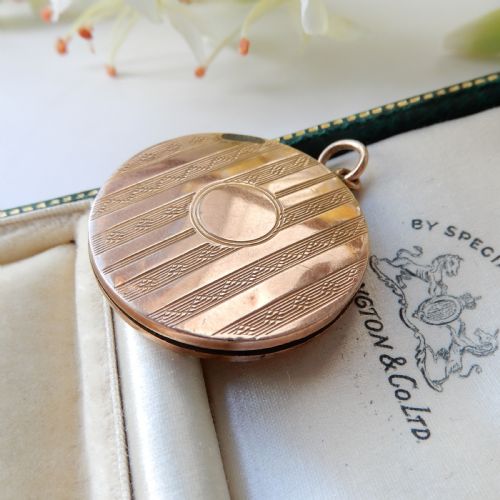
Makers utilised varying purities of gold, predominantly nine carat and eighteen carat yellow or rose gold, alongside rolled gold constructions. Surface decoration often involved hand engraving, guilloche enamel, and chased motifs depicting birds, flowers, or swallows.
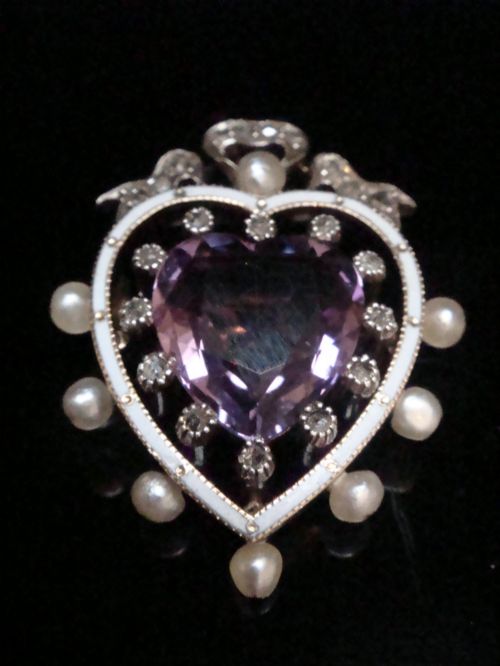
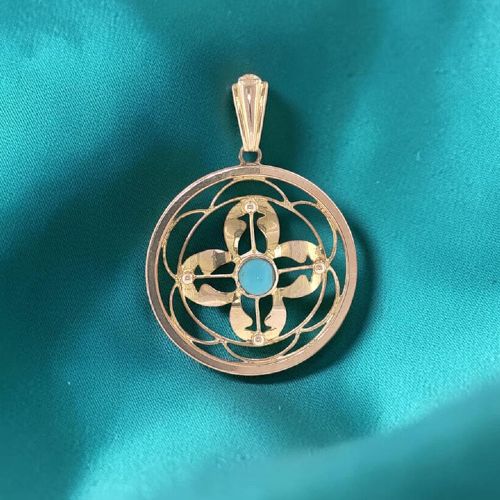
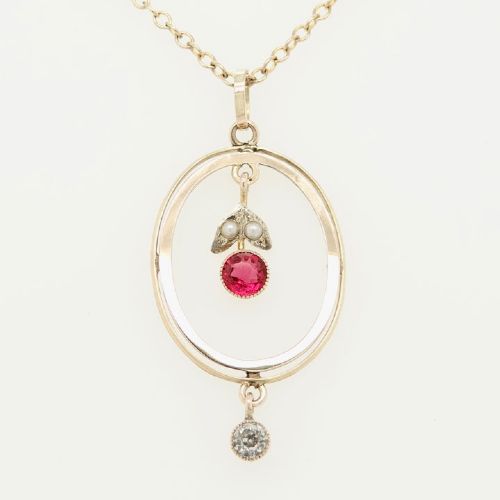
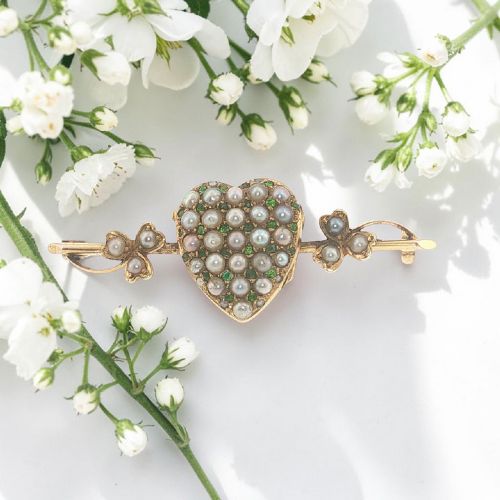
Gemstones such as seed pearls, diamonds, turquoise, and garnets were flush-set or mounted in star settings to accent the gold body. Glass elements appear frequently to shield internal photographs or create transparent shaker styles.
Edwardian Gold Locket Retail Price Guide 2026
Typical asking prices for edwardian gold locket among the pieces listed under this phrase on Sellingantiques today, from the lower quarter to the upper quarter. They describe what is for sale here now, not the wider market.
Some lockets hide tiny glass compartments meant to secure strands of a loved one's hair woven into miniature floral wreaths.
Evaluating Craftsmanship
The distinction between tiers rests in the weight of the metal and the precision of the mechanics, such as the snap of the hinge and the security of the clasp. Solid gold construction commands greater esteem than rolled gold backs and fronts.
Artistic execution dictates value, separating simple machine-stamped items from pieces featuring intricate hand engraving, enamel work, or securely bezel-set precious gems.
John Paul Cooper
The Edwardian Gold Locket Glossary
- Guilloche enamel
- A decorative technique where transparent enamel is layered over engine-turned metal engraving. This creates geometric patterns visible beneath the coloured glass surface.
- Back and front
- A construction method where the exterior plates are made of solid gold while the internal frames and mechanisms utilise base metals or lower-purity alloys.
- Plique a jour
- An enamelling technique resembling miniature stained glass, where enamel is fired without a backing metal so light passes through. It appears frequently in pieces from the turn of the twentieth century.
- Shaker locket
- A double-sided glass pendant containing loose decorative elements like seed pearls or small stones that move freely between the transparent panes.
- Rose cut
- An antique diamond cut featuring a flat base and a domed crown with triangular facets. This shape was favoured in jewellery predating modern brilliant cuts.
Edwardian Gold Locket: Frequently Asked Questions
How do I open an old locket?
Many Edwardian designs rely on a small thumbnail notch along the side or a push-button mechanism integrated into the top loop. Care must be taken not to force hinged covers that have settled over decades.
A warm breath on the metal can sometimes loosen historic grime around the catch. If resistance persists, professional jewellery assistance prevents damage to delicate internal bezels.
Can I put a photo inside?
Most antique lockets retain their original internal metal frames and plastic or glass covers designed to hold miniature portraits. Trimming modern photographs to fit the precise inner dimensions allows contemporary use.
Paper thickness matters because overly thick stock prevents the hinged halves from closing flush. Inserting images without glue preserves the historical interior.
What is rolled gold?
Rolled gold involves a sheet of solid gold mechanically bonded to a base metal core under high heat and pressure. This technique offered the rich appearance of solid gold at a more accessible cost during the period.
Unlike gold plating, rolled gold possesses a much thicker layer that resists wearing through to the base metal with normal care. Hallmarks on these pieces often specify the construction method rather than solid purity.
How do I clean my gold locket?
Gentle cleaning involves warm water, mild soap, and a soft cloth to remove everyday oils from the exterior surface. Harsh chemical dips ruin enamel work, glass components, and delicate seed pearls instantly.
Keeping moisture away from internal paper photographs and fabric linings is essential during cleaning. Soft brushes help clear dust from hand-engraved recesses without scratching the gold.