
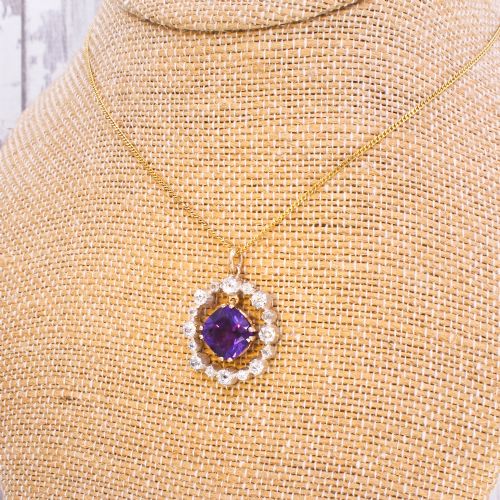
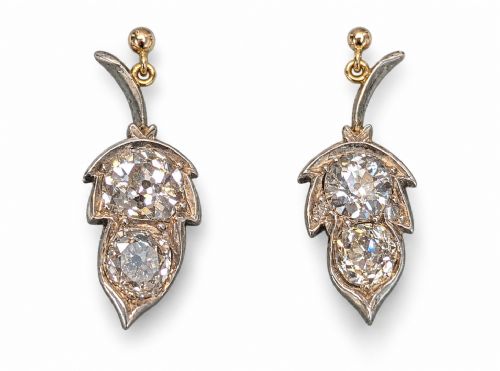
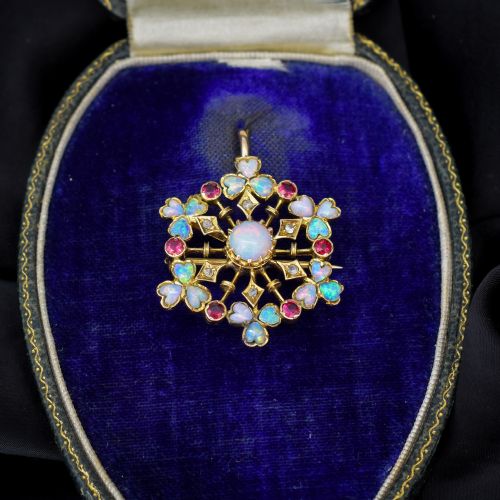
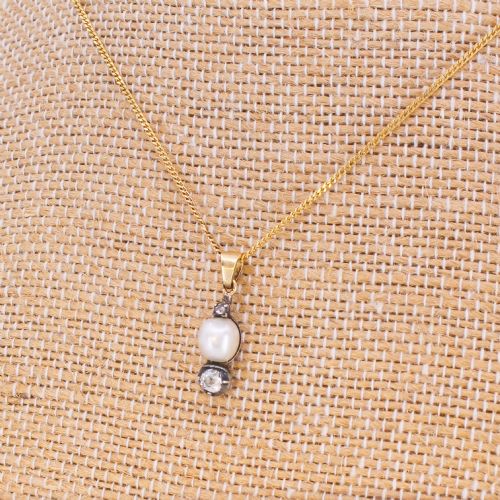




Victorian Diamond Pendant
These pieces unite gold, silver, and old-cut stones in convertible brooches and pendants designed to catch candlelight.
Victorian Diamond Pendant
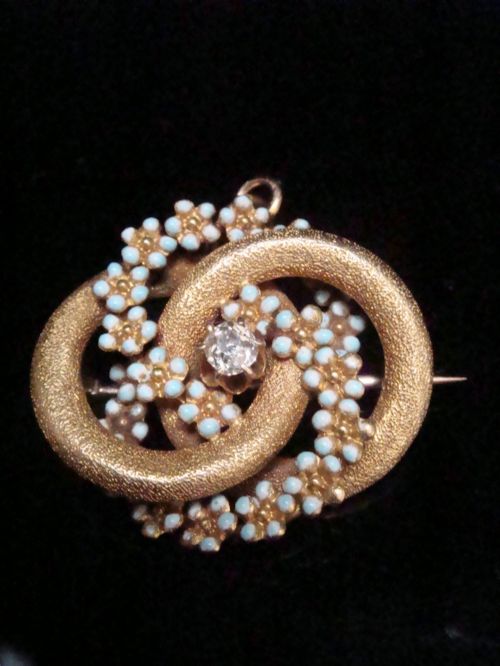
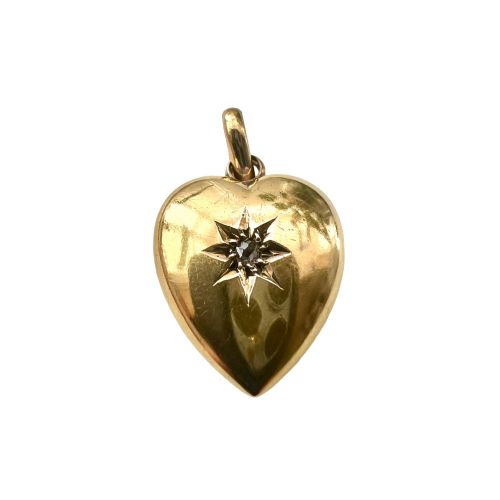
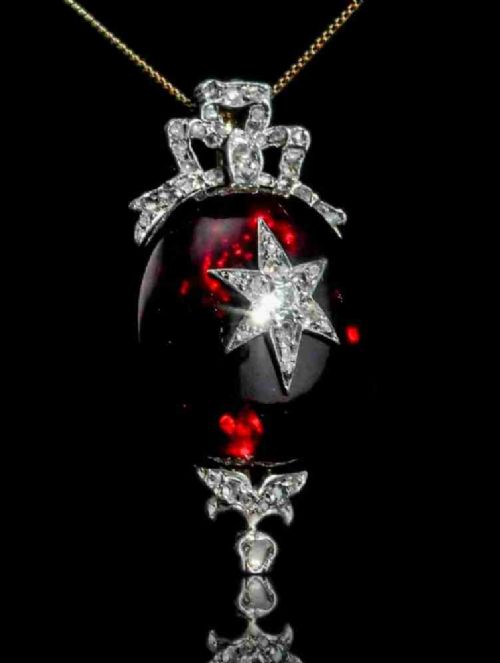
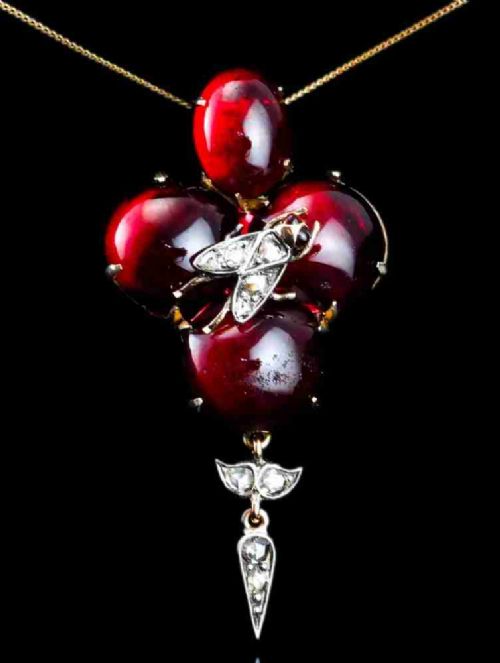
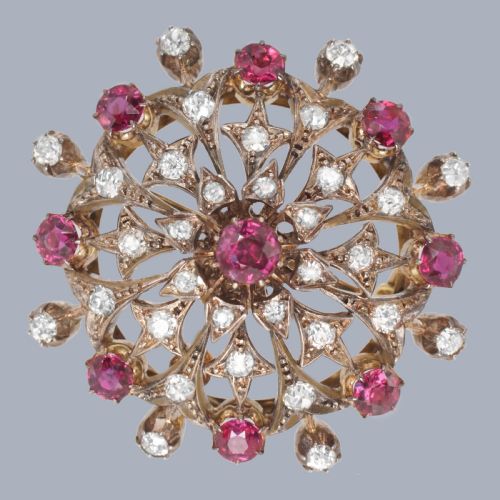
When searching for a victorian diamond pendant, collectors encounter versatile jewel pieces that frequently double as brooches. The selection spans the nineteenth century and stretches into the Edwardian era, featuring celestial starbursts, puffy hearts, and floral clusters.
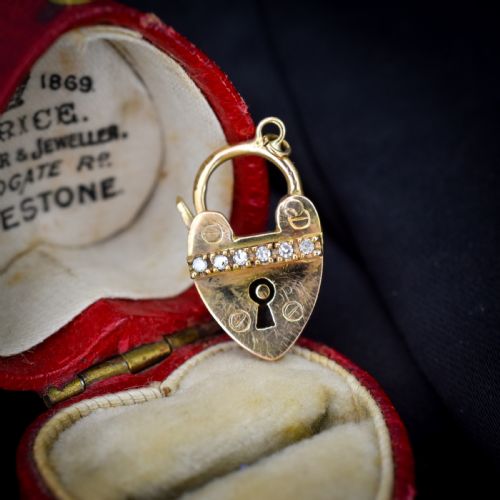
Many survivors combine diamonds with natural pearls, garnets, rubies, or sapphires. Star motifs and convertible mounts dominate the current offerings, alongside hinged lockets and drop necklaces.
The objects reflect distinct periods from mid-century revivalism to the delicate work of nineteen-hundred. Buyers find both delicate everyday drops and heavy cluster designs set in multi-carat arrangements.
How They Were Made
Goldsmiths utilised yellow gold in nine, fifteen, and eighteen-carat standards alongside silver settings that made white stones appear brighter by candlelight. Stones were predominantly hand-cut into old mine or rose cuts rather than modern brilliant facets.
Clusters and starbursts often incorporated closed-back foils or silver collets soldered directly to gold backing plates. Enamel work, seed pearls, and intricate wirework completed the layered constructions typical of the period.
Victorian Diamond Pendant Retail Price Guide 2026
Typical asking prices for victorian diamond pendant among the pieces listed under this phrase on Sellingantiques today, from the lower quarter to the upper quarter. They describe what is for sale here now, not the wider market.
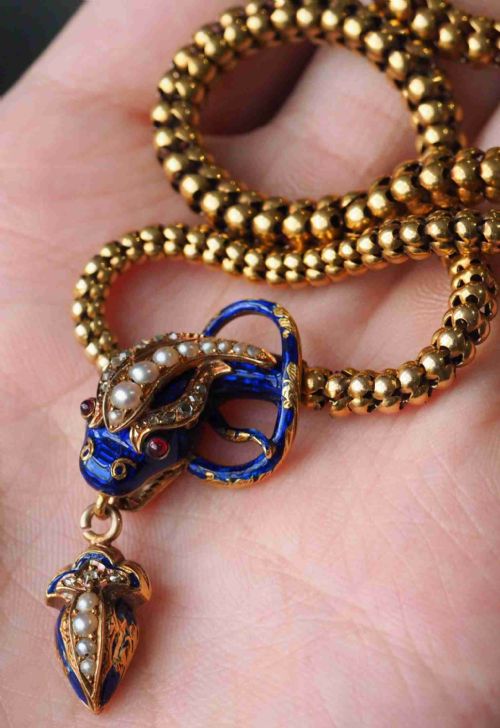
Common motifs across the inventory include celestial starbursts, puffy hearts, and winged serpent necklaces.
What Varies in Quality
The distinction between tiers rests upon the integration of the conversion mechanism and the matching of the central stones. Superior examples retain original pin fittings and secure safety catches that function without altering the silhouette.
Stone selection creates further separation, where clean old-cut diamonds matched with untreated natural pearls or Ceylon sapphires command higher regard. The crispness of hand-engraving and the preservation of original enamelling dictate the final standard.
The Victorian Diamond Pendant Glossary
- Old cut
- A diamond shape characterised by a smaller table, higher crown, and open culet, hand-cut before modern machinery standardised proportions. These stones display wide, chunky facets that glow softly under indoor light.
- Convertible brooch
- A dual-purpose piece equipped with a detachable pin and hidden bail, allowing the owner to wear it pinned to fabric or suspended from a chain. This clever engineering was immensely popular during the nineteenth century.
- Puffy heart
- A volumetric, hollow heart-shaped pendant fashioned from two soldered gold halves, often engraved with floral motifs or set with star-mounted diamonds. They were frequently given as tokens of affection.
- Collet setting
- A thin strip of metal folded precisely over the girdle of a gemstone to hold it securely in place. This technique creates a smooth, continuous border around the stone.
- Seed pearl
- A tiny, naturally occurring saltwater pearl, typically under two millimetres in diameter. They were strung on silk or clustered tightly in floral and starburst arrangements.
Victorian Diamond Pendant: Frequently Asked Questions
How do I wear a convertible pendant brooch safely?
Most convertible pieces feature a hinged pin mechanism that folds flat or detaches alongside a hidden loop for chains. Ensure the safety catch is secure before pinning it to heavier fabrics.
When hanging the piece from a chain, remove the pin guard if possible to prevent it from catching on clothing. Many collectors use a slender gold or silver chain that matches the era of the mount.
Are these diamonds different from modern stones?
Old-cut diamonds possess smaller tables and deeper pavilions shaped by hand rather than laser precision. This historic cutting style produces distinct flash patterns suited to low-light environments.
Because they were shaped individually by hand, no two stones share identical proportions. This individuality forms a primary draw for collectors seeking historic character.
How can I date a piece accurately?
Dating relies on material standards, gemstone cuts, and hallmark evidence stamped directly onto the gold or silver mounts. Stylistic clues like starburst motifs or enamel work also point to specific decades.
Lower carat marks and silver-topped gold point toward the middle of the century, while platinum and white gold introductions signal the Edwardian transition.
Can I wear my pendant every day?
Historic jewellery requires mindful care due to delicate settings, closed-back foils, and natural seed pearls. Avoid exposing the piece to water, perfumes, or harsh ultrasonic cleaners.
Storing the item in a dedicated lined box prevents friction against other items. Regular checks by a specialist ensure the old-cut stones remain secure in their original collets.