
Pearl Drop Necklace
A pearl drop necklace suspends organic lustre from silver, gold and platinum, offering centuries of wearable lapidary art.
What a pearl drop necklace is
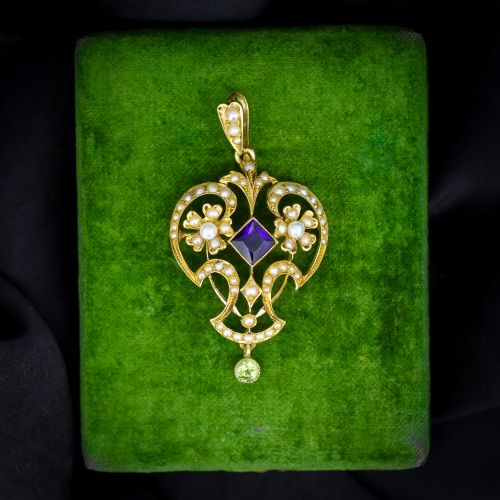
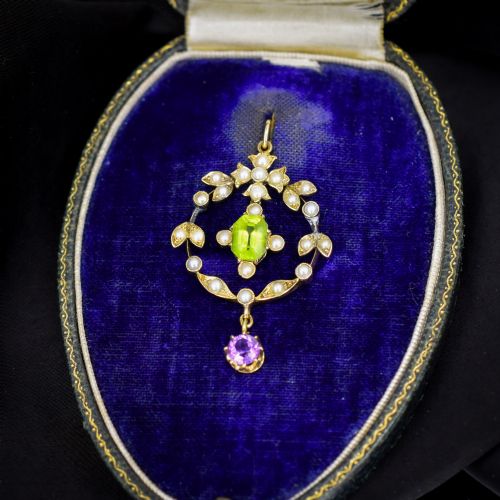
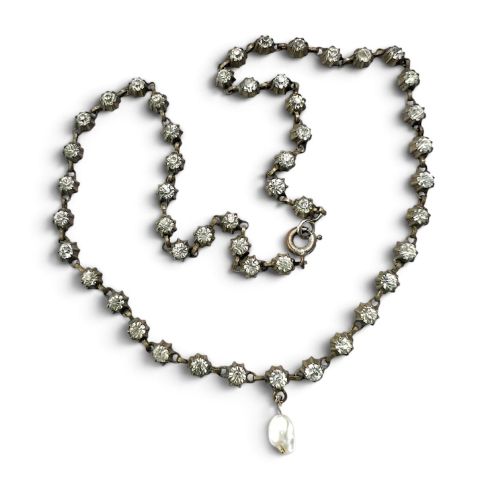
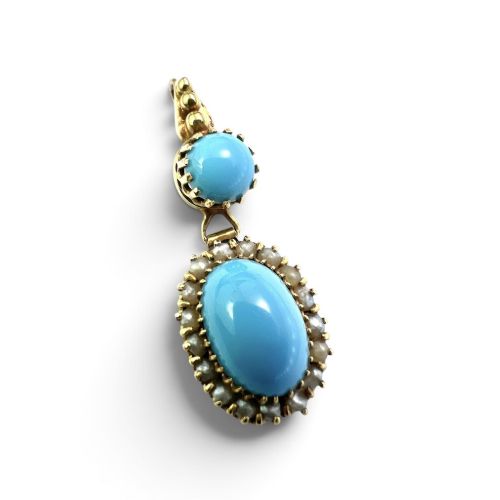
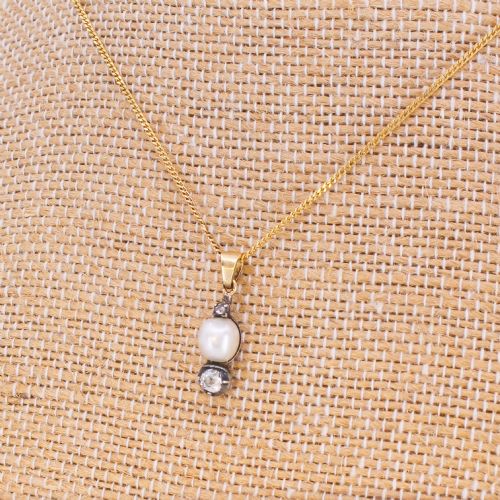
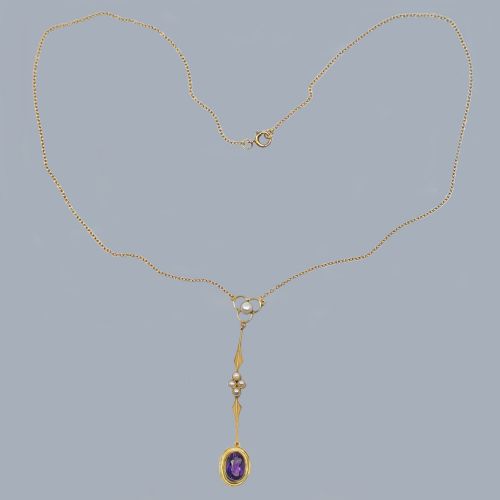
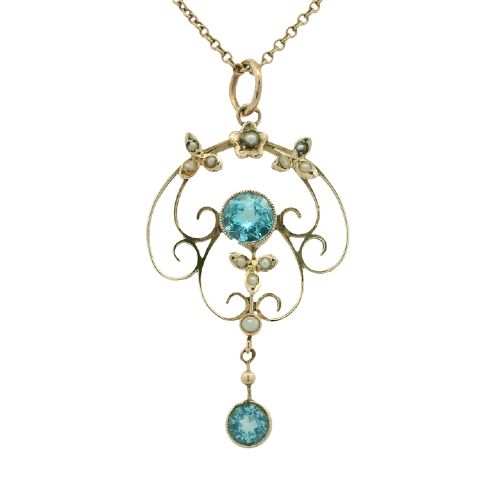
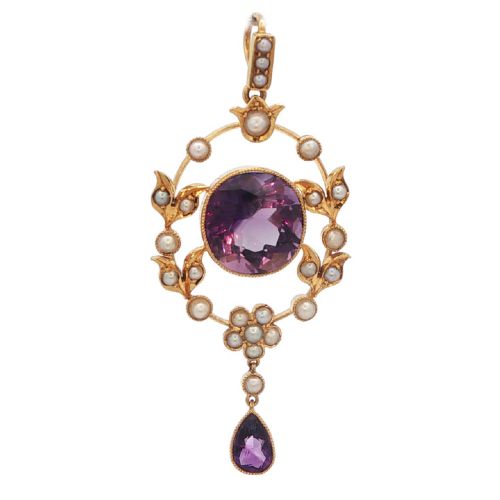
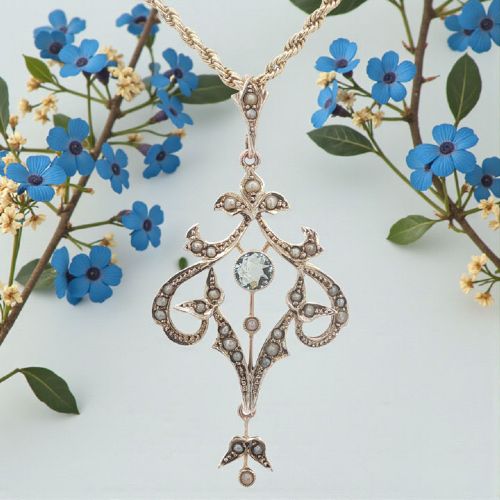
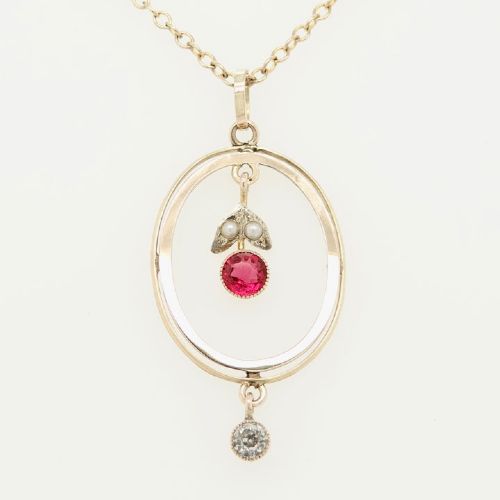
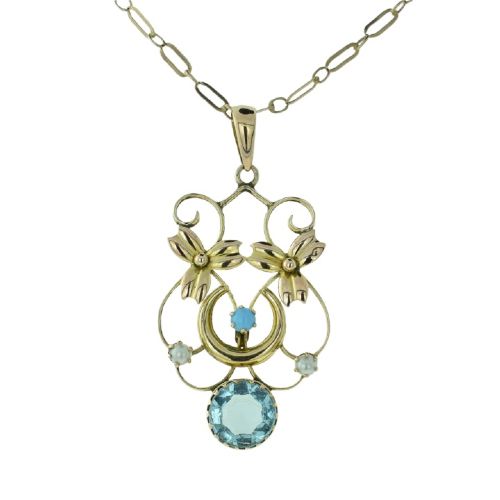
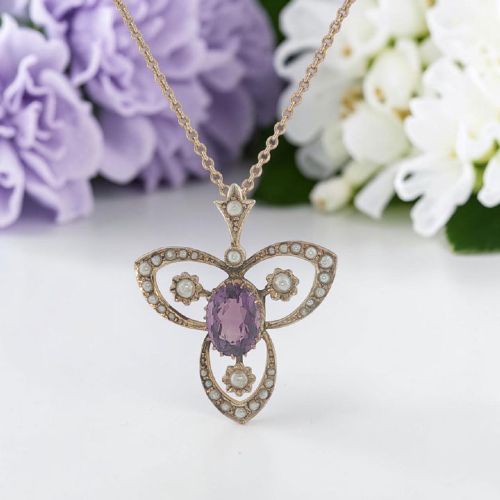
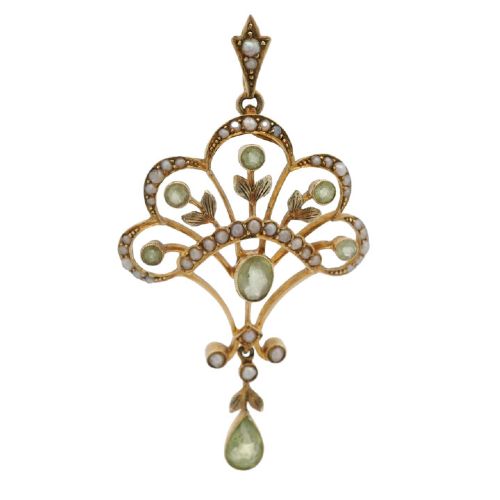
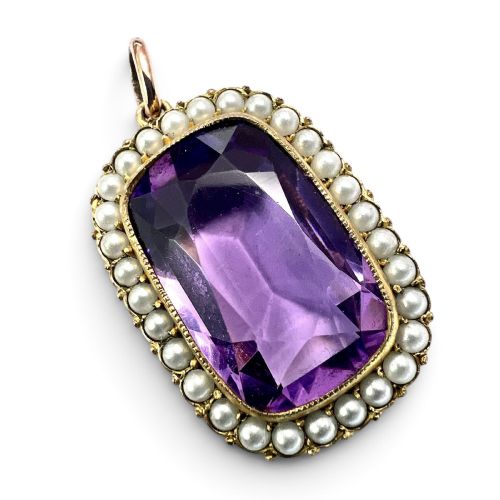
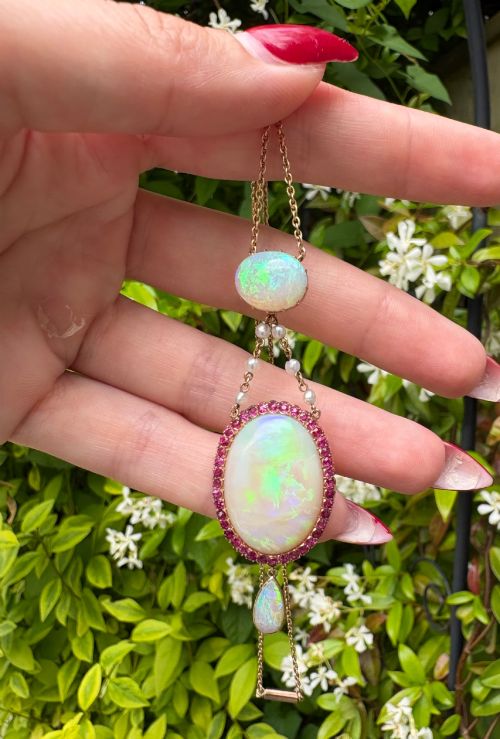
A pearl drop necklace combines delicate precious metals with hanging organic gems, creating a distinct silhouette seen across multiple historic eras. Buyers searching for a pearl drop necklace encounter diverse configurations ranging from simple drop pendants to elaborate lavaliere designs. The surviving examples span the Victorian, Edwardian, and Art Nouveau periods, alongside later mid-century iterations.
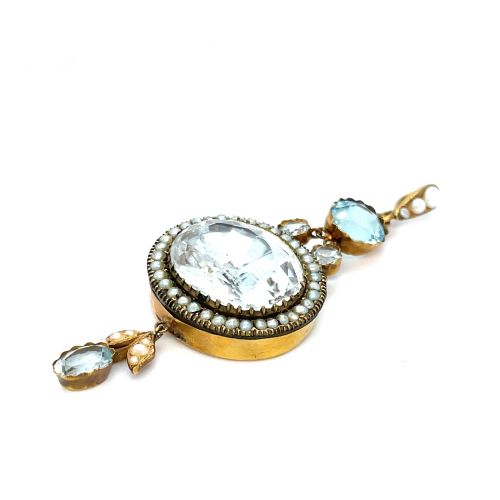
Victorian and Edwardian workshops produced many of these pieces using rich yellow or rose gold alongside seed pearls, often pairing them with amethysts, aquamarines, or garnets. Art Nouveau variants introduce silver gilt and intricate enamel work, reflecting the organic design motifs popular around nineteen hundred and nineteen twenty. Mid-century makers also contributed ruby, diamond, and mabe pearl interpretations to this enduring form.
How they were made
Goldsmiths utilised fifteen carat and nine carat yellow and rose gold, alongside eighteen carat gold, silver, and silver gilt, to construct the foundational chains and settings. Seed pearls and natural pearls were carefully drilled and secured onto fine wires, pins, or woven gold structures.
Lapidaries shaped accompanying coloured stones such as amethysts, garnets, aquamarines, and sapphires into heart shapes, pear drops, and circular cuts to sit alongside the pearl pendants. Artisans also applied specialist techniques like plique-à-jour enamel within silver gilt frameworks during the Art Nouveau era.
Retail Price Guide 2026
Typical UK retail prices for pearl drop necklace, calculated from the Sellingantiques database of over a million retail prices indexed since 2003. This retail price guide relies exclusively on Sellingantiques data; no external sources or auction records are used, so the figures do not describe the wider market.
The listings feature pieces spanning the Victorian, Edwardian, Art Nouveau, and mid-century retro periods.
What varies in quality
The sophistication of the metalwork largely separates standard production from finer examples, particularly where woven gold chains and articulated settings are concerned. Superior pieces display meticulous stone matching, especially in the selection of uniform seed pearls or well-matched coloured gems like aquamarines and amethysts.
The Pearl Drop Necklace Glossary
- Seed pearl
- Very small natural or cultured pearls, typically under two millimetres in diameter, used extensively in clusters and border work throughout the Victorian and Edwardian eras.
- Lavaliere
- A pendant necklace featuring a central hanging element or drop, popularised in the late nineteenth and early twentieth centuries.
- Silver gilt
- Sterling silver that has been coated with a thin layer of gold, frequently utilised in Art Nouveau jewellery to provide a warm tone.
- Plique-à-jour
- An enamelling technique where enamel is applied without a backing, creating a translucent, stained-glass effect within a metal framework.
- Mabe pearl
- A hemispherical cultured pearl grown against the inside shell of an oyster, prized for its generous size and smooth dome.
Frequently Asked Questions
How do I care for my pearl drop necklace?
Pearls are organic gems that require gentle handling, so keep them away from harsh chemicals, perfumes, and cosmetics that can dull their natural lustre over time. Wipe the pearls gently with a soft cloth after wearing and store them separately from harder gemstones to avoid surface scratches.
Check the security of the settings and the chain connections periodically, particularly on antique pieces with delicate wirework or seed pearl clusters. Professional inspection by a jeweller ensures that the mounting remains secure and the pearls stay firmly in place.
Were these necklaces worn daily?
Victorian and Edwardian pearl drop necklaces served as fashionable accessories for evening wear, formal gatherings, and daily aristocratic life. The inclusion of durable gold chains allowed these pendants to transition between daytime attire and formal evening occasions.
Lighter seed pearl lavalieres and simpler drop configurations suited the high-collared fashions of the early twentieth century. Heavier gemstone and pearl combinations appeared during social events and balls.
What metals were used in antique pearl necklaces?
British makers during the Victorian and Edwardian periods frequently utilised nine carat, fifteen carat, and eighteen carat yellow or rose gold for their necklace chains and pendant settings. Silver and silver gilt also appeared, particularly in Art Nouveau designs that favoured lighter metal tones.
The specific gold purity often reflects the date of manufacture, with fifteen carat gold being a hallmark of nineteenth and early twentieth-century British production before statutory standards shifted.
How can I tell a Victorian from an Edwardian pearl drop?
Victorian pieces often feature robust yellow or rose gold settings, frequently incorporating rich-hued amethysts, garnets, or intricate heart motifs alongside seed pearls. The aesthetic leans towards romanticism and sentimentality in structural form.
Edwardian designs tend to exhibit lighter, more delicate silver-on-gold work or nine carat gold mounts, frequently pairing pearls with pale aquamarines, sapphires, or diamonds in garland-style drops.