

Edwardian Pearl Jewellery
Edwardian pearl jewellery brings together soft iridescence and fine goldwork from the opening decades of the twentieth century.

Edwardian Pearl Jewellery
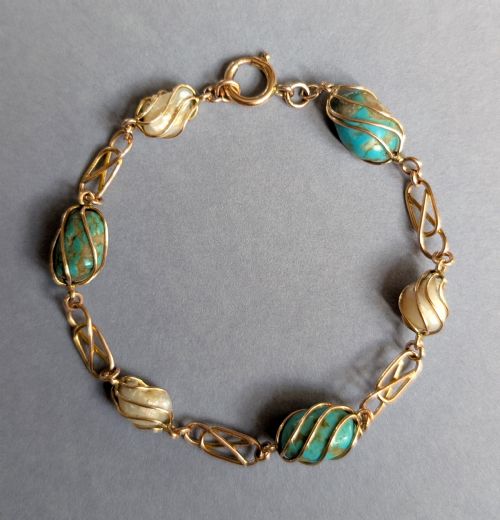
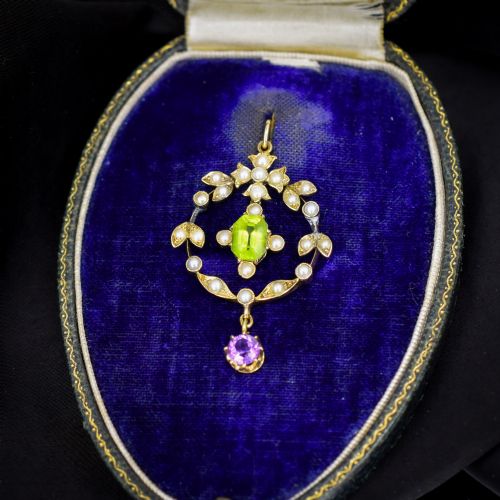
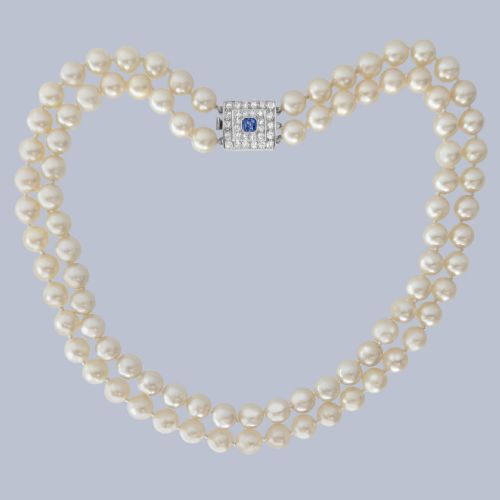
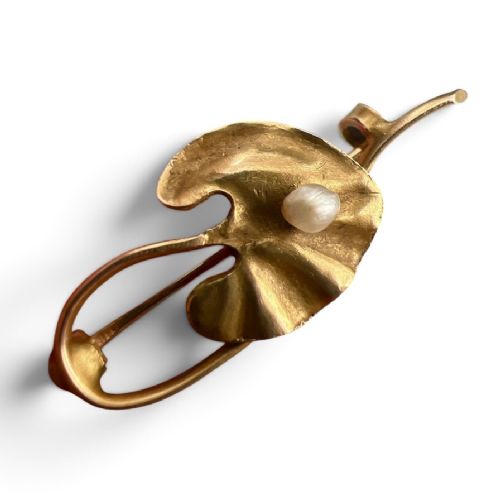
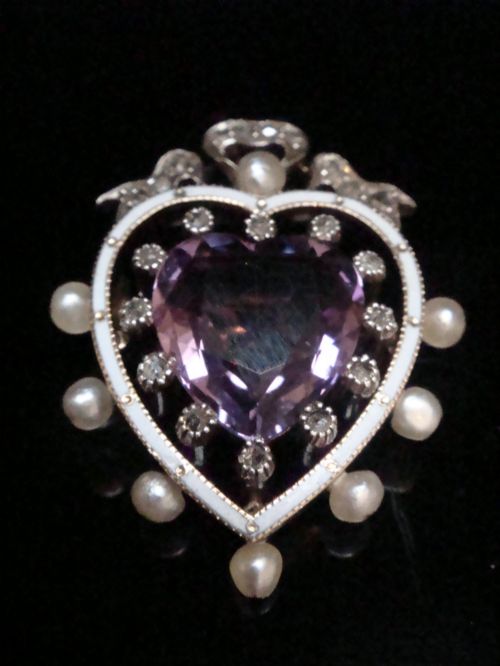
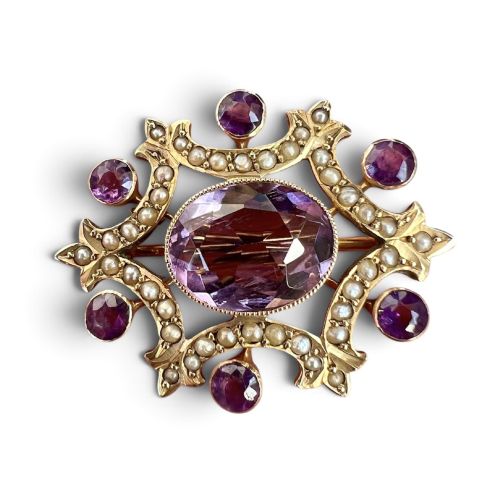
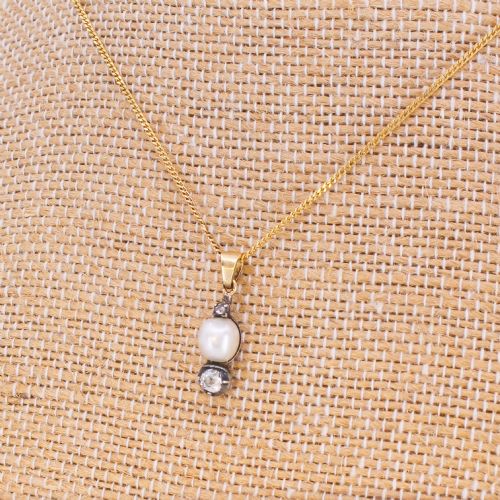
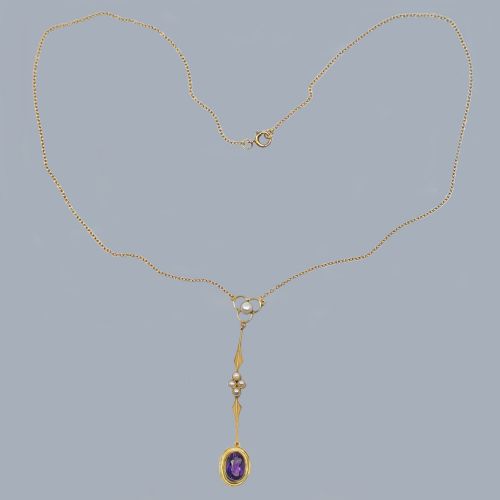
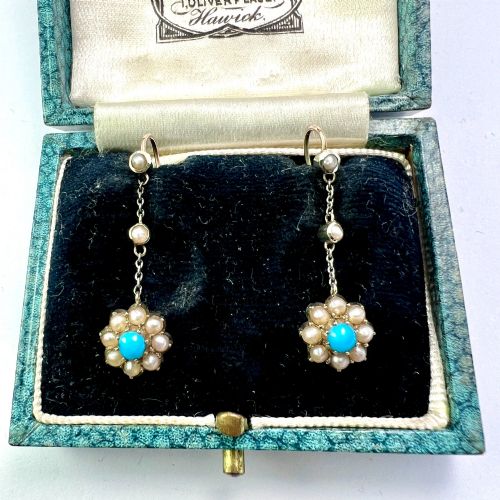
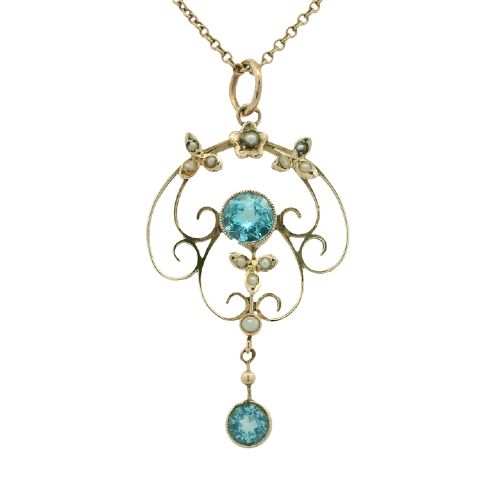
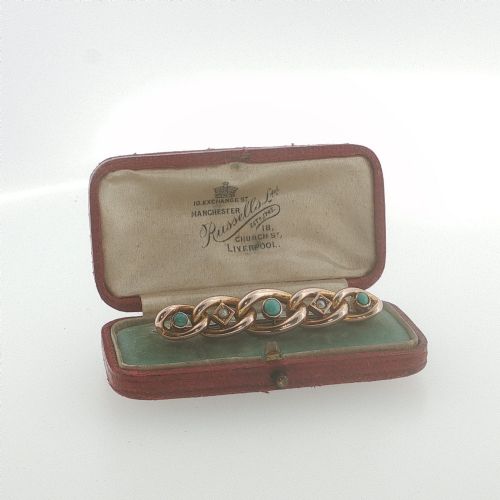
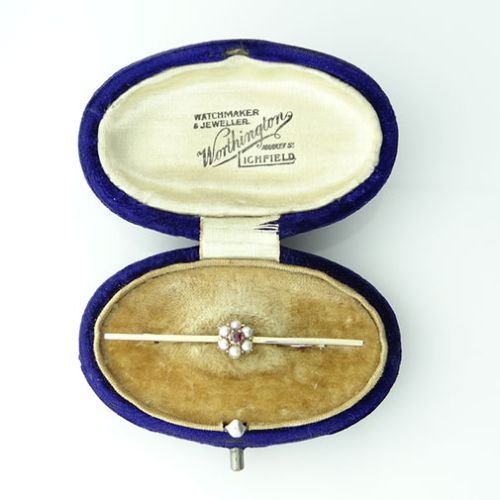
When searching for edwardian pearl jewellery, buyers encounter delicate necklaces, pendants, brooches, and rings dating chiefly from the early nineteen hundreds. These pieces frequently combine pearls or seed pearls with coloured gemstones such as amethyst, peridot, turquoise, and aquamarine.
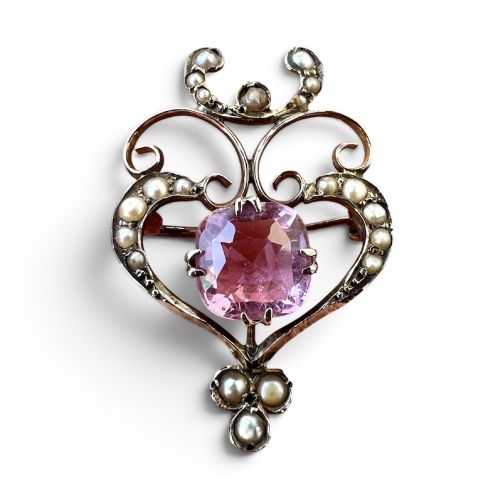
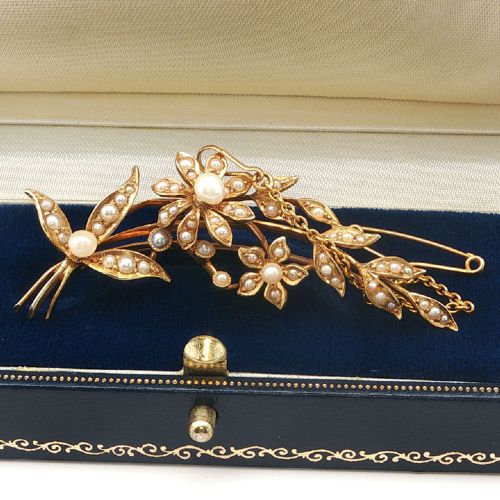
The selections span distinct periods, appearing alongside Victorian, Art Nouveau, Art Deco, and mid-century items. Pendants and bar brooches dominate the forms, often shaped into floral clusters, hearts, or insects.
Gold purity varies across the pieces, with items rendered in nine carat, fifteen carat, and eighteen carat yellow or rose gold, alongside white gold settings.
Materials and construction
Makers utilised natural pearls and seed pearls set into yellow and rose gold, occasionally incorporating guilloche enamel or silver-topped mountings. Gemstones like tourmaline, garnet, and sapphire were securely mounted alongside pearls using traditional claw and collet settings.
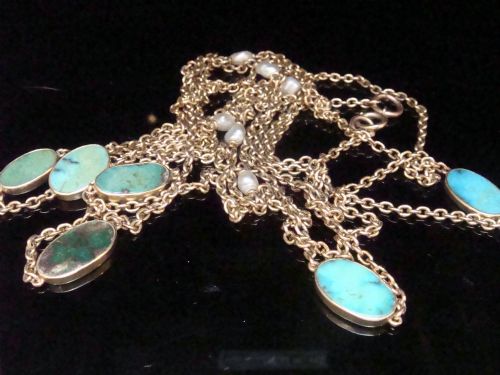
Chains, lavaliers, and longuard chains display fine link work, while specific pieces incorporate specialised clasps or restrung silk threads to secure the pearls.
Edwardian Pearl Jewellery Retail Price Guide 2026
Typical asking prices for edwardian pearl jewellery among the pieces listed under this phrase on Sellingantiques today, from the lower quarter to the upper quarter. They describe what is for sale here now, not the wider market.
Listings feature nine carat gold, fifteen carat gold, and eighteen carat gold alongside natural pearls, seed pearls, amethyst, and turquoise.
Distinctions in quality
Quality rests upon the proportion of higher carat gold, such as fifteen carat and eighteen carat components, matched against nine carat equivalents. The regularity of seed pearls and the presence of certified natural pearls elevate specific pieces above standard production.
The complexity of the metalwork, seen in detailed filigree, insect forms, or guilloche enamel, separates basic bar brooches from elaborate lavaliers and cluster rings.
The Edwardian Pearl Jewellery Glossary
- Seed pearl
- A very small, naturally formed pearl, frequently pierced and threaded onto silk or set in clusters. These tiny gems define the delicate texture of many early twentieth-century brooches and pendants.
- Lavalier
- A pendant featuring a gemstone or pearl drop that hangs suspended from a necklace chain. This style gained immense popularity during the early nineteen hundreds.
- Guilloche enamel
- A decorative technique where intricate geometric patterns are mechanically engraved beneath a translucent layer of coloured enamel. It provides a glossy, patterned background for diamonds and pearls.
- Longuard chain
- An elongated neck chain, often measuring thirty-two inches or more, designed to be worn doubled or attached to a watch or locket. These chains frequently incorporate uniform gold links and pearl stations.
- Suffragette jewellery
- Pieces incorporating amethyst, peridot, and white or pearl elements, echoing the colours of the women's social and political union. These items hold distinct historical significance for collectors.
Edwardian Pearl Jewellery: Frequently Asked Questions
How do I identify genuine edwardian pearl jewellery?
Examine the piece for period-specific design traits, such as garland motifs, fine millegrain edges, and the use of fifteen carat gold which was common before the First World War. Hallmarks and maker marks can also verify the date of manufacture.
Natural pearls often show slight irregularities in shape compared to uniform modern cultured pearls. Consulting certification for specific pearls confirms their natural origin.
Can I wear these antique necklaces every day?
Seed pearls and delicate gold chains require careful handling during daily wear. Avoiding exposure to perfumes, cosmetics, and water preserves the silk threads and the lustre of the pearls.
Storing pieces individually prevents scratching against other items in a collection. Periodic checks by a jeweller ensure the settings remain secure.
What is the difference between seed pearls and natural pearls?
Seed pearls are exceptionally small natural pearls, often utilised in large quantities to fill intricate floral or geometric designs. They differ from single larger natural pearls which form the central focus of a ring or pendant.
Both types originate naturally without modern human intervention in culturing, making them characteristic of antique production.
What metals are most common in these items?
Fifteen carat gold appears frequently in pieces from the nineteen hundreds, alongside nine carat yellow and rose gold. Eighteen carat yellow and white gold are also present in specific rings and diamond-set pendants.
Silver-topped gold settings occur in items designed to showcase diamonds and pearls with maximum brilliance.