

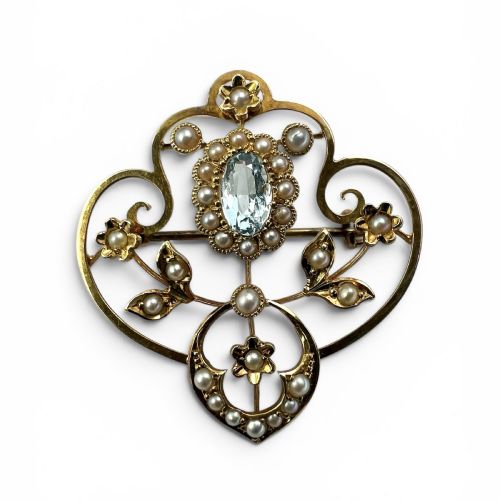
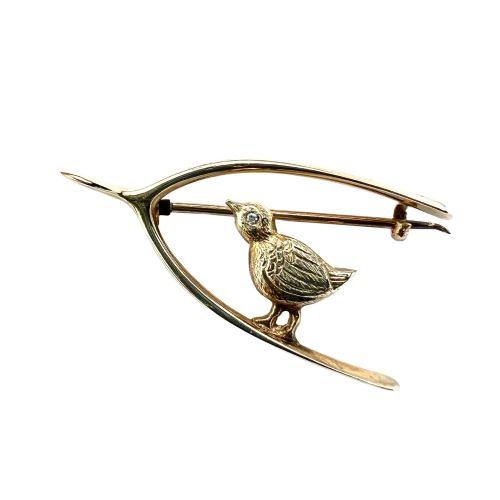

Edwardian Gold Pin
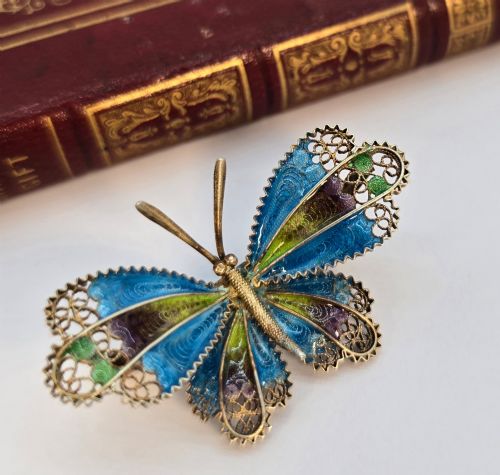
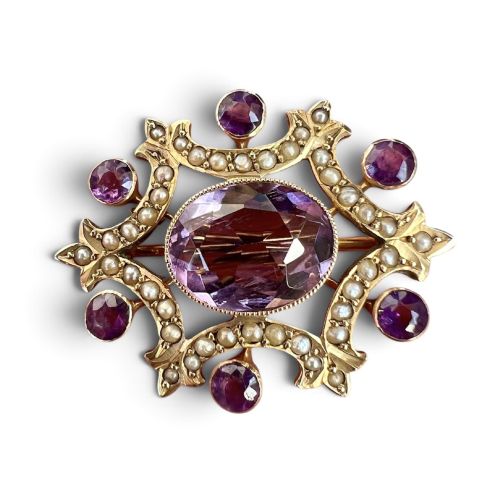
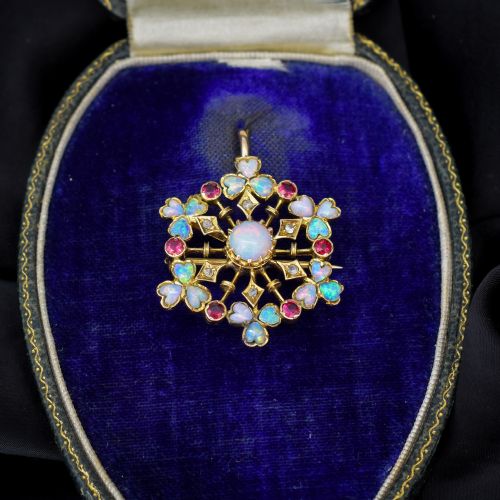
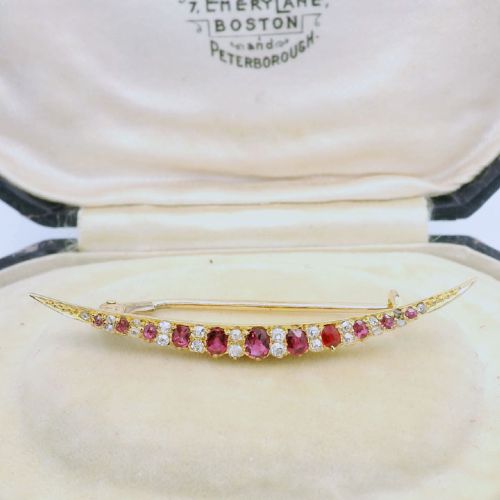
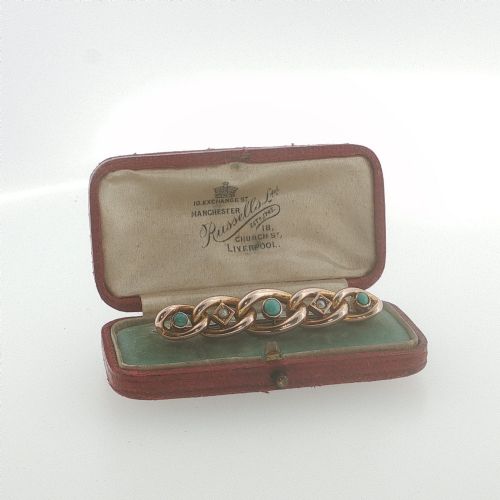
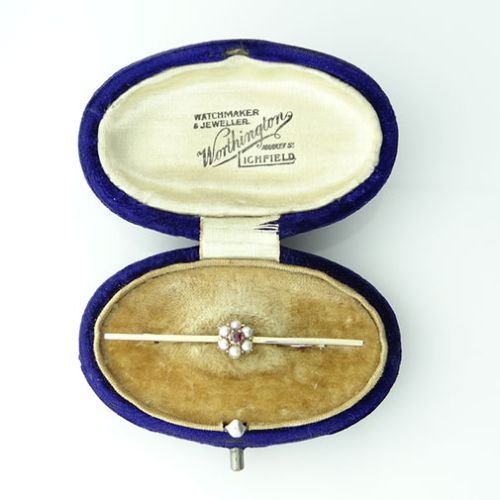
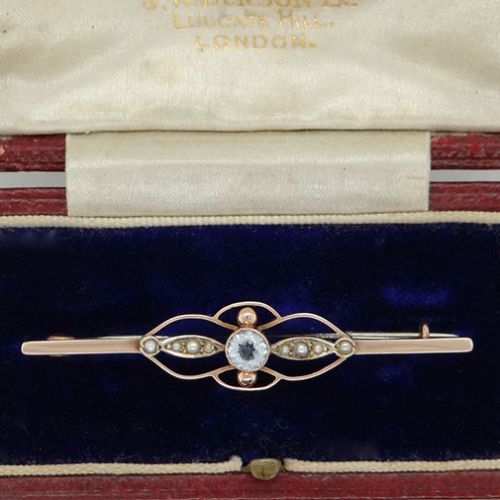
When you search for an edwardian gold pin, you encounter delicate brooches, stick pins, and bar brooches crafted from yellow gold, rose gold, and platinum.
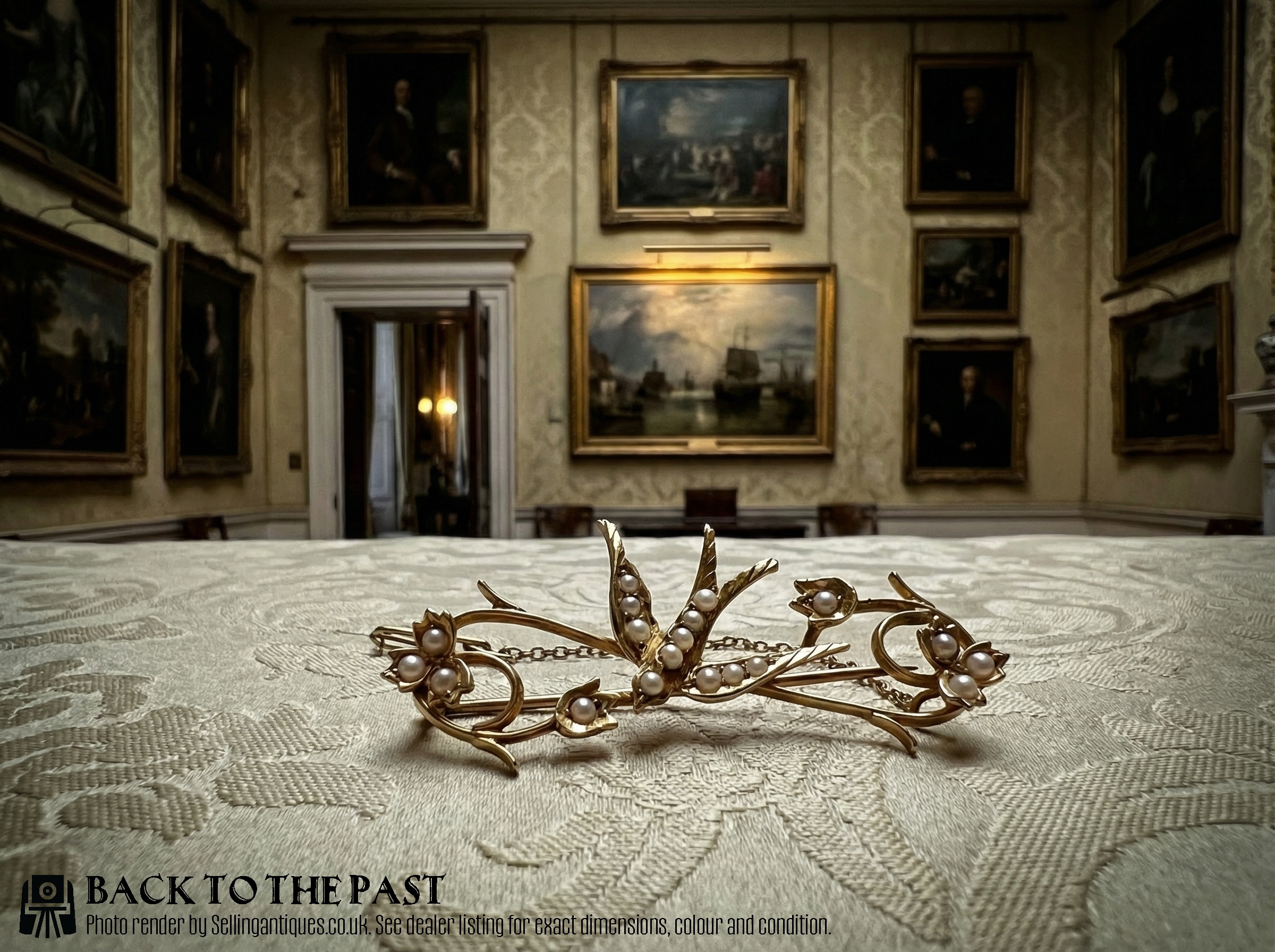
Edwardian Gold Pin
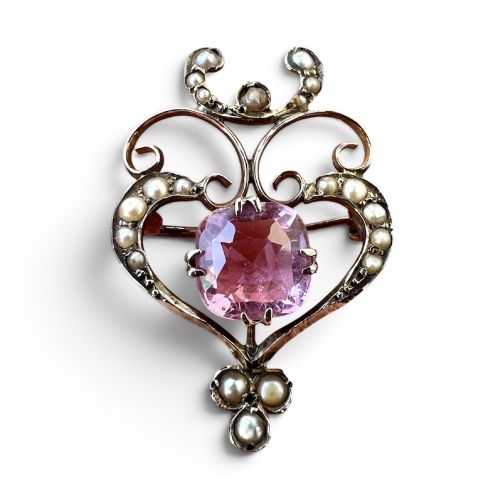
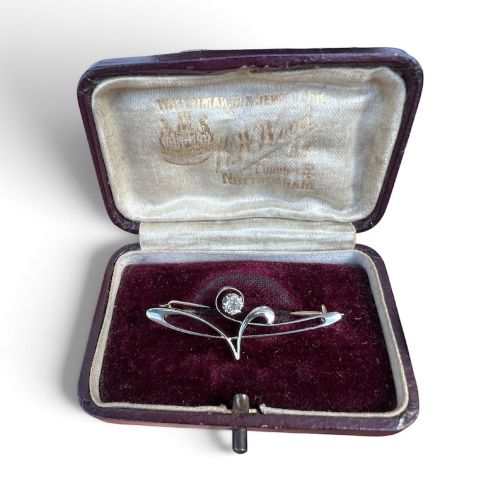
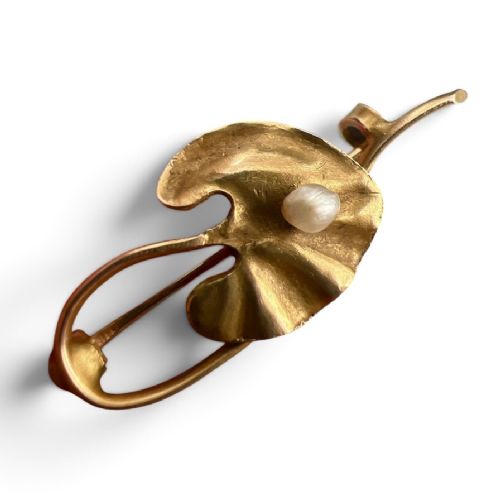
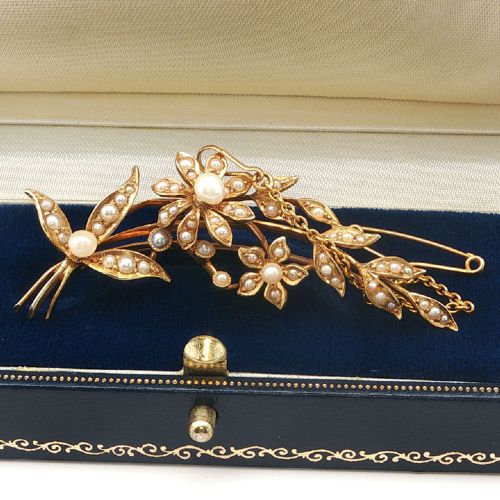
An edwardian gold pin encompasses a variety of fastening jewellery forms, predominantly brooches, bar brooches, stick pins, and safety pin brooches originating from the late nineteenth and early twentieth centuries. These ornaments range from floral sprays and heart motifs to whimsical designs like chicks, wishbones, and bicycles.
The pieces on this page are strongly anchored in the Edwardian period and the surrounding eras, including late Victorian, Art Nouveau, and Art Deco phases. Alongside standard brooches, buyers will find convertible pendant-brooches, bar pins set with gemstones, and occasional stick pins utilised for lapels and cravats.
How they were made
The construction relies heavily on 9ct and 15ct yellow and rose gold, often combined with silver settings for diamonds to enhance their brilliance. Platinum also appears in combination with gold during the transitional Edwardian and Art Nouveau phases.
Goldsmiths utilised techniques such as fine wirework, collet settings, and channel mounting to secure delicate gemstones. Pearls, seed pearls, turquoise, almandine garnets, and amethysts are meticulously integrated into floral wreaths, hearts, and geometric clusters.
Edwardian Gold Pin Retail Price Guide 2026
Typical asking prices for edwardian gold pin among the pieces listed under this phrase on Sellingantiques today, from the lower quarter to the upper quarter. They describe what is for sale here now, not the wider market.
Listings feature periods spanning from the Victorian and Edwardian eras through to Art Nouveau, Art Deco, and the 1930s.
What varies in quality
Quality in these pins is determined by the refinement of the metalwork and the selection of materials. Higher tier pieces combine 15ct or 18ct gold with well-matched natural gemstones like rubies, opals, and substantial diamonds, whereas standard variations often utilise 9ct gold and seed pearls.
The intricacy of the design further separates the range, distinguishing simple bar brooches from elaborate multi-stone floral sprays, winged hearts, and enamelled motifs. The survival of original components, such as safety pins, drops, and fitted boxes, also influences the standing of a piece.
The Edwardian Gold Pin Glossary
- Bar brooch
- A narrow horizontal pin, frequently set with gems or central motifs, designed to fasten clothing.
- Seed pearl
- A very small, naturally formed or cultured pearl commonly used in clusters and delicate floral patterns during the Edwardian period.
- Stick pin
- A long pin with an ornamental head, originally used to secure neckties, lapels, or scarves.
- Silver gilt
- Silver that has been coated with a thin layer of gold, often utilised to give a warm tone while maintaining durability.
- Suffragette chain
- Jewellery incorporating specific gemstones symbolising the suffrage movement, such as amethyst, green garnet, and pearl.
Edwardian Gold Pin: Frequently Asked Questions
How do I wear an antique pin today?
These pieces function well fastened to coat lapels, heavy knit sweaters, scarves, or silk blouses. Secure catches ensure the piece remains anchored during regular daily wear.
For delicate fabrics, a small backing piece behind the material provides additional support and prevents the weight of the gold and gemstones from pulling the weave.
What is the difference between Victorian and Edwardian pins?
Victorian pieces tend to be heavier, employing robust gold work and darker stones like almandine garnets, heavy topazes, and deep rubies. Motifs often lean toward sentimental or mourning themes.
Edwardian designs shift toward lighter, airier aesthetics, frequently utilising platinum-topped gold, diamonds, seed pearls, and pastel gems like aquamarine and tourmaline in lace-like frameworks.
Can a brooch be worn as a pendant?
Many examples from this era are manufactured as brooch-pendant combinations, featuring a hidden loop or hinged bail at the reverse. This allows the wearer to thread a chain through the back and suspend the ornament from the neck.
When a piece lacks a built-in loop, conversion requires care from a specialist jeweller to avoid altering the structural integrity of the original gold mount.
How should I clean my gold and pearl pin?
Pearls and soft gemstones require gentle care, avoiding harsh chemical dips, ultrasonic cleaners, and excessive moisture. A soft, dry or barely damp microfiber cloth safely removes everyday oils and dust.
Gold elements can be wiped carefully around stone settings, ensuring moisture does not seep into the pearls or antique backing adhesives.