


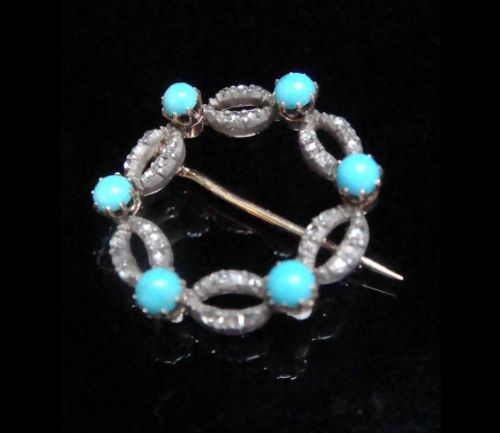

Antique Diamond Pin
When you handle an antique diamond pin, you hold a piece of wearable engineering designed to catch candle or electric light.
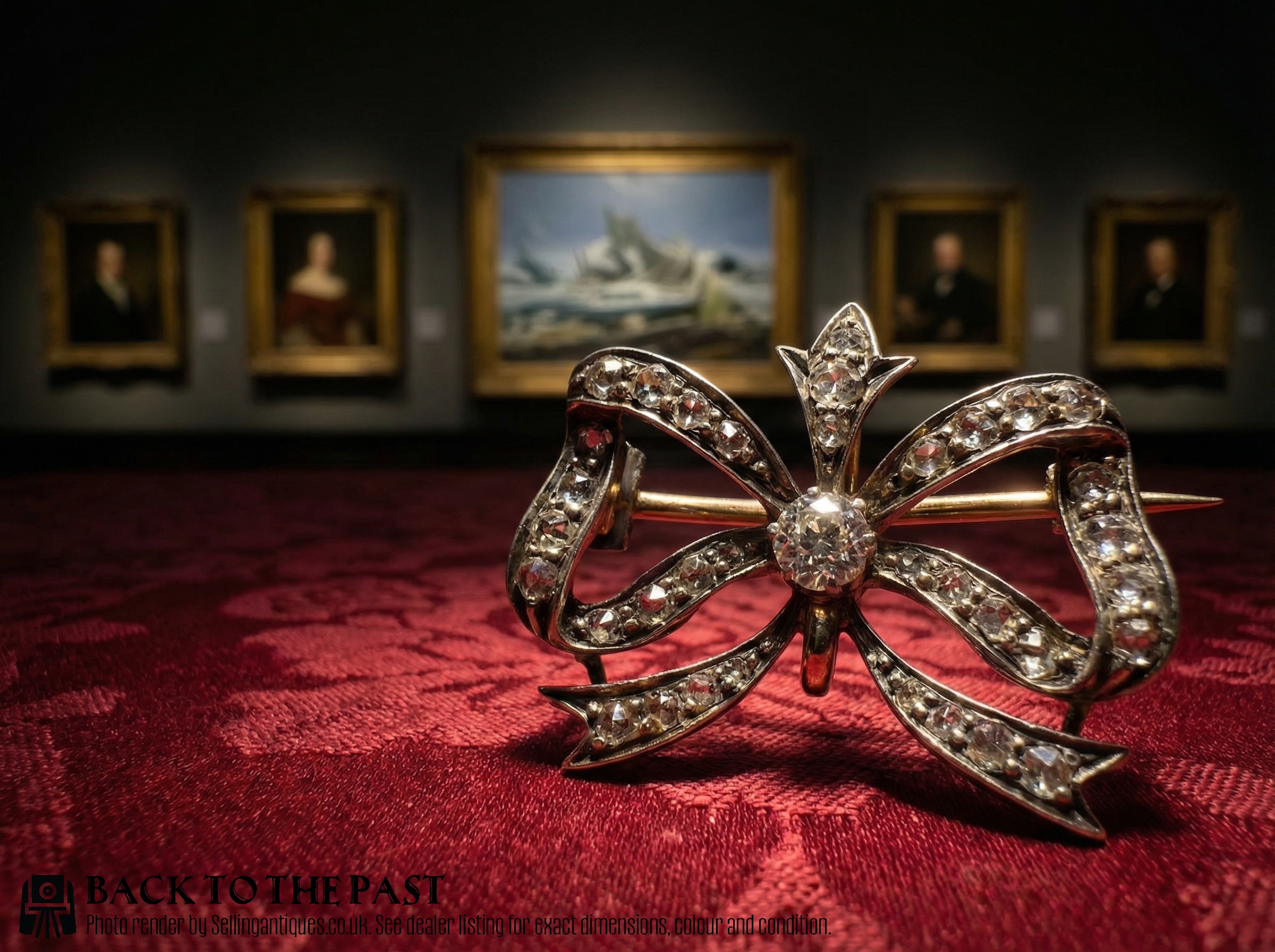
Antique Diamond Pin
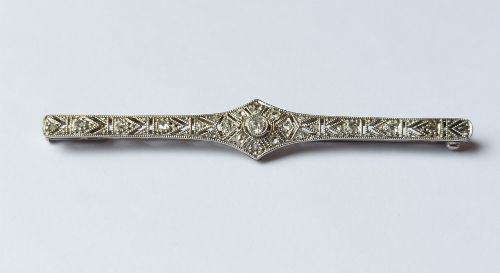
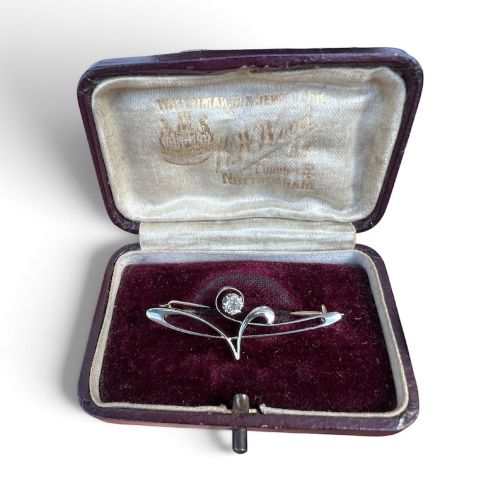
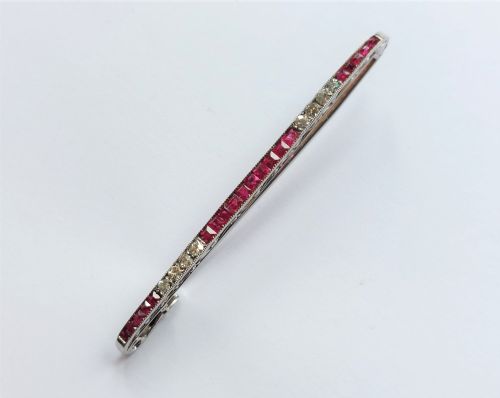
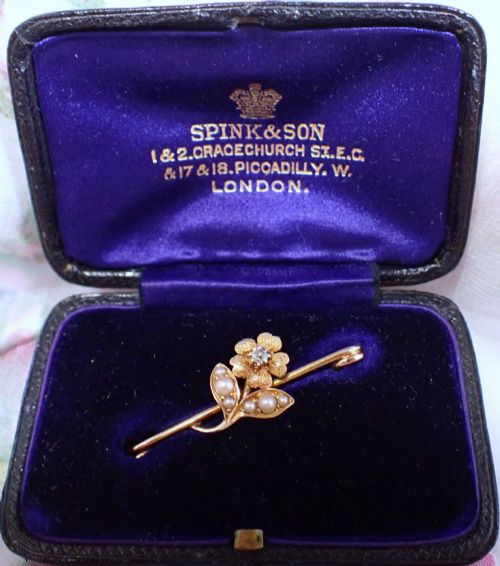
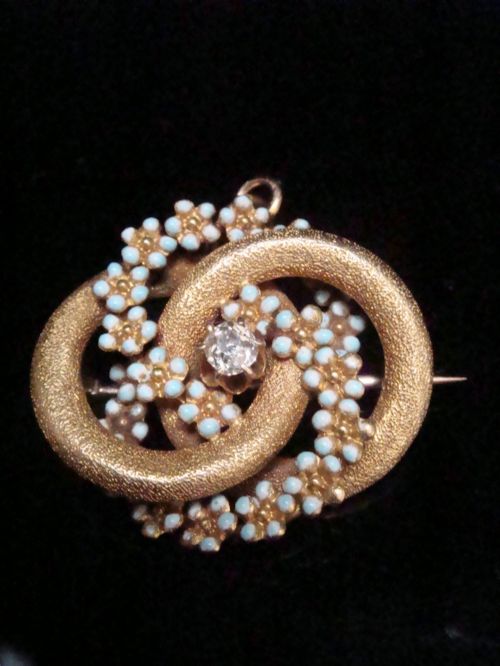
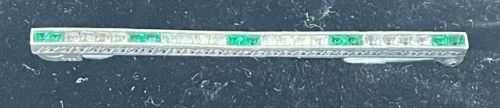
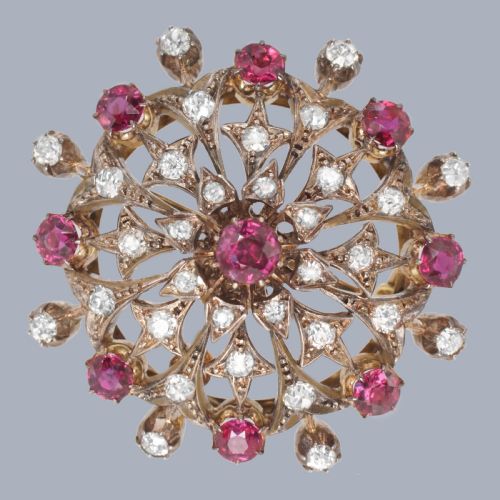
An antique diamond pin encompasses a range of fastening jewellery, predominantly appearing on this page as brooches, jabot pins, and convertible pendant-brooches. The forms span from Victorian floral and insect motifs to geometric Art Deco bar brooches.
Victorian examples frequently pair diamonds with 15ct gold, silver-topped gold, or pearls, often incorporating figurative designs such as birds, beetles, or clover leaves. Later Edwardian and Art Deco pieces lean toward platinum settings, clean linear symmetries, and calibrated gemstones.
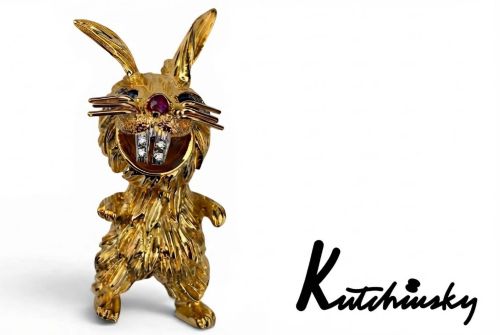
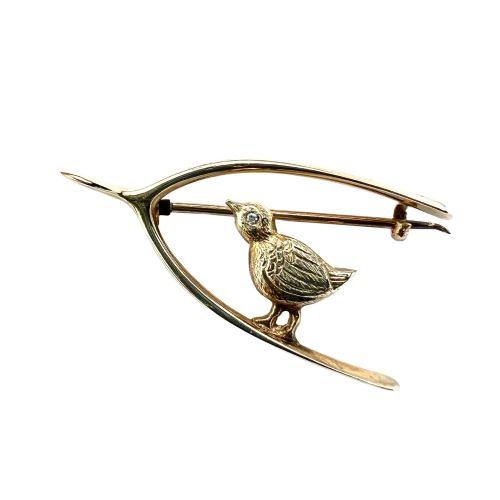
Buyers also encounter novelty pins shaped as wishbones, swords, or sporting motifs alongside classic floral clusters. These versatile pieces function equally well secured to heavy winter woollens or pinned to evening silks.
Materials and construction methods
Goldsmiths of the nineteenth century utilised yellow and rose gold, frequently backing their settings in silver to enhance the whiteness and sparkle of old-cut diamonds against darker Victorian clothing. By the nineteen-twenties, platinum became the dominant metal, allowing for ultra-fine millegrain edges and openwork structures that maximised light passage.
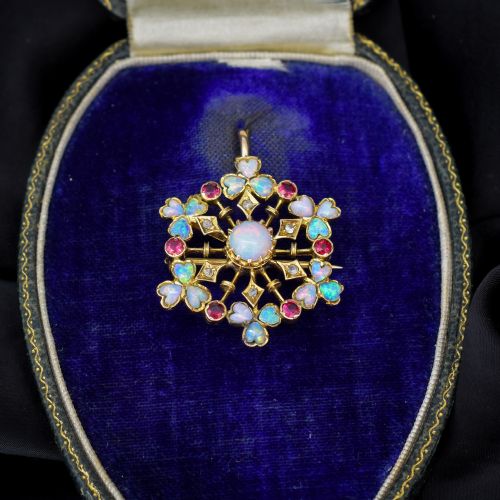
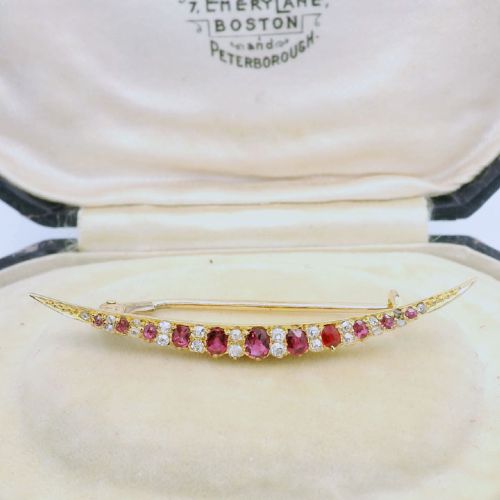
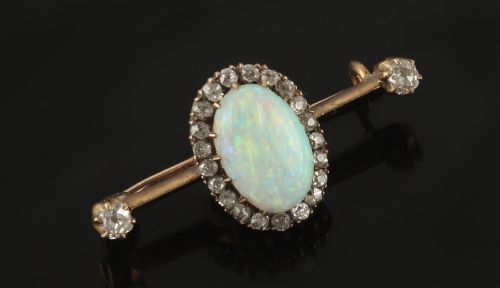
Gemstones such as rubies, sapphires, opals, and pearls were integrated alongside diamonds using hand-cut collets and bezel settings. Master artisans combined these materials with specialised techniques like cannetille wirework on gold swords or intricate piercing on platinum bar brooches.
Antique Diamond Pin Retail Price Guide 2026
Typical asking prices for diamond pin among the pieces listed under this phrase on Sellingantiques today, from the lower quarter to the upper quarter. They describe what is for sale here now, not the wider market.
Object forms recorded in the inventory include bar brooches, floral sprays, clover motifs, and convertible pendant-brooches.
Assessing quality in antique diamond pins
Quality rests upon the harmony of the design and the integrity of the original metalwork. Pieces that retain crisp hand-engraving, secure original pin stems, and undamaged collets demonstrate superior craftsmanship.
The selection and proportion of the diamonds also dictate the caliber of the jewel. Evenly matched old-cut or single-cut stones that follow the natural contours of a floral spray or geometric bar elevate a pin above standard production work.
The Antique Diamond Pin Glossary
- Bar brooch
- A narrow, elongated pin format popular across the Edwardian and Art Deco eras, often centered on a cluster of diamonds.
- Jabot pin
- A decorative ornamental pin originally designed to secure the folds of a jabot cravat, featuring a prominent ornamental head and a long stem.
- Millegrain
- A decorative jewellery technique involving a textured edge of tiny, raised metal beads running along the borders of platinum or gold settings.
- Old-cut diamond
- A diamond cut by hand before the mid-twentieth century, characterised by a smaller table, higher crown, and broad facets that glow softly in artificial light.
- Silver-topped gold
- A composite technique where a layer of silver is soldered over gold, allowing jewellers to set diamonds against a white metal surface while retaining the strength of gold underneath.
Antique Diamond Pin: Frequently Asked Questions
What is an antique diamond pin?
An antique diamond pin is a piece of historical fastening jewellery designed to secure garments while displaying gemstones.
These items include brooches, lapel pins, and hat pins created during periods such as the Victorian, Edwardian, and Art Deco eras.
How were antique diamond pins worn?
Victorians and Edwardians pinned these jewels to lapels, hats, cravats, and evening gowns to add brilliance to dark fabrics.
Many larger examples also include hidden loops on the reverse, allowing them to transform into pendants worn on a chain.
How do I care for my pin?
Store your antique diamond pin in a dedicated velvet-lined box to prevent the metal and stones from scratching against other items.
Clean the piece gently using warm soapy water and a soft brush, avoiding harsh ultrasonic cleaners that might dislodge old-cut stones or damage natural pearls.
How do I identify the period?
Examine the choice of metals and the style of the gemstone cuts, such as silver-topped gold for Victorian work versus platinum for the nineteen-twenties.
Motifs also provide clear clues, moving from naturalistic flowers and insects in the nineteenth century to crisp geometric lines in later decades.